


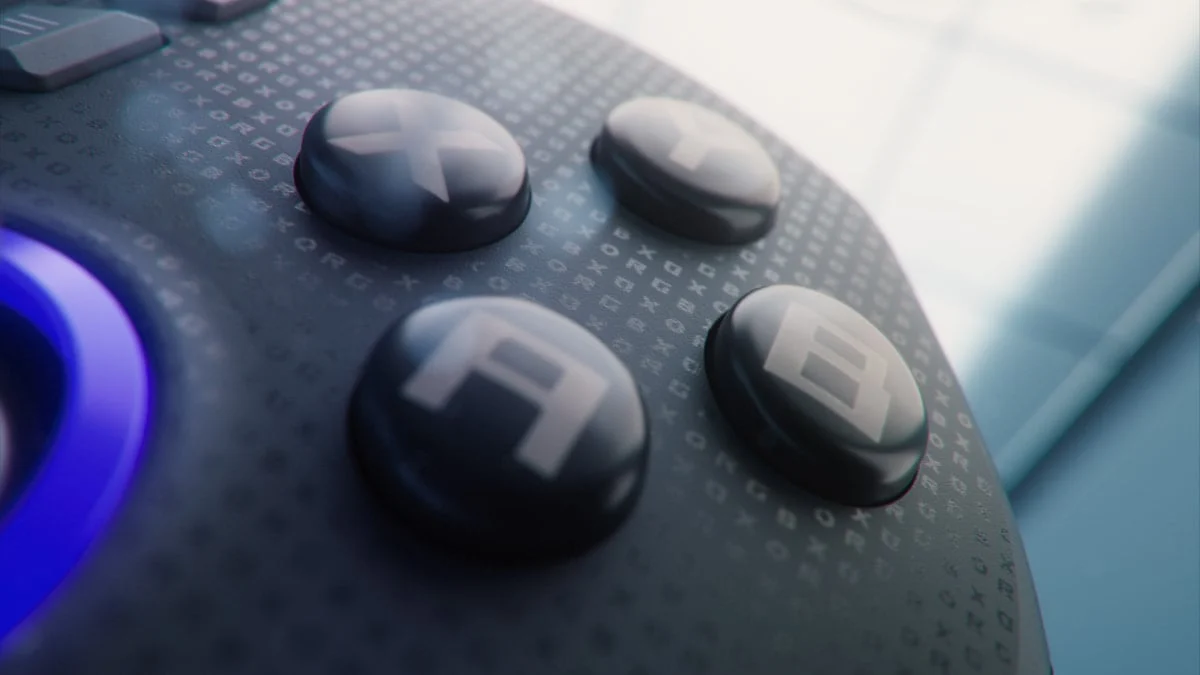
The future of Xbox gaming is set to undergo a significant transformation, extending beyond the console itself and into the vast landscape of Windows devices. While the next generation of Xbox hardware is still on the horizon, slated for release no earlier than late 2027, Microsoft is strategically rolling out its software innovations to PC gamers starting this April. This significant shift was unveiled during a pivotal GDC 2026 panel, where Xbox leadership detailed its ambitious vision for a more unified and accessible gaming ecosystem.
GDC 2026: A New Dawn for Xbox Software on PC
At the Game Developers Conference (GDC) 2026, Xbox Vice President of Next Generation, Jason Ronald, took center stage to articulate the company’s evolving strategy. A key announcement from the panel was the upcoming rollout of "Xbox Mode" to Windows 11 devices in select markets beginning in April. This initiative represents a substantial effort to bring the streamlined, console-like experience of Xbox directly to the personal computer.
Ronald highlighted the crucial role of the ROG Xbox Ally, a handheld gaming PC released in the preceding year, in shaping this new direction. The device, powered by Windows but featuring a unique "Xbox Mode" overlay, provided valuable insights into player preferences and demonstrated the potential for a more integrated Xbox experience on non-Xbox hardware.
"So even though the ROG Xbox Ally is powered by Windows under the covers, I never see Windows. I jump into a direct Xbox-first experience that allows me to see all of my games in my library," Ronald explained during the GDC presentation. He elaborated on the positive reception of this mode, stating, "I am proud to announce that Xbox Mode will be coming to Windows 11 in select markets starting in April."
The Genesis of Xbox Mode: Learning from the ROG Ally
The development and subsequent success of the ROG Xbox Ally served as a catalyst for Microsoft’s broader software strategy. Launched in 2023, the device offered PC gamers a portable and powerful platform to access their Xbox Game Pass library and other PC titles. Crucially, its proprietary "Xbox Mode" aimed to abstract the complexities of the underlying Windows operating system, presenting users with a curated interface reminiscent of an Xbox console.
Players lauded this mode for its intuitive design, allowing them to navigate their game libraries, launch titles, and manage their gaming experience without the typical Windows desktop interruptions. This user feedback proved instrumental in informing Xbox’s decision to extend this console-like experience to a wider audience.
Transforming the Windows 11 Gaming Landscape
The introduction of Xbox Mode to Windows 11 is poised to significantly enhance the gaming experience for millions of PC users. By providing a unified and streamlined interface, Microsoft aims to make PC gaming more accessible and enjoyable, regardless of the user’s hardware or the origin of their game library.
"What the team’s been doing behind the scenes is they’re doing a lot of work to really deliver a consistent experience," Ronald emphasized. "It feels very familiar, and it feels very distinctly Xbox, no matter where you are actually choosing to play." This commitment to consistency across devices underscores a fundamental shift in Xbox’s philosophy, moving towards an ecosystem where the player experience remains paramount.
The implications of this move are far-reaching. For users who primarily interact with Windows through the traditional desktop interface, Xbox Mode promises a more focused and immersive gaming environment. This is particularly relevant for gamers who might be intimidated by the complexities of PC management or who simply prefer the plug-and-play simplicity of a console.
Beyond the Interface: Advanced Features for PC Gamers
Xbox Mode’s integration into Windows 11 will extend beyond a mere cosmetic overhaul. Features that have proven successful on devices like the ROG Xbox Ally are slated for broader deployment. One such innovation is the Advanced Shader Delivery technology. This feature is designed to significantly reduce or eliminate the frustrating wait times often associated with shader compilation in modern, demanding games.

Shader compilation is a process where the graphics processing unit (GPU) prepares graphical elements for rendering. In many new games, this can lead to stuttering or pauses during initial gameplay as shaders are compiled in real-time. By optimizing this process, Xbox aims to provide a smoother and more immediate gaming experience from the moment a title is launched.
Furthermore, Xbox Mode will function as a central hub for a user’s entire gaming library, regardless of the platform or store from which the games were acquired. This includes titles from Steam, Epic Games Store, GOG, and other PC storefronts, effectively aggregating them into a single, easily navigable interface. This approach mirrors the functionality of platforms like GOG Galaxy, which seeks to unify disparate game libraries.
"Xbox Mode will also allow you to download and install games from other stores and platforms but doesn’t require you to actually ever leave the experience," Ronald explained. "It’s a gaming-focused mode that places your titles front and center." This unification of the gaming experience is a strategic move to solidify Xbox’s presence in the PC market, offering a compelling alternative to existing PC game launchers.
The interface will also prioritize frequently played titles and offer other quality-of-life improvements, ensuring that players can quickly access their favorite games. This focus on player convenience and accessibility is a hallmark of successful console design and is now being brought to the PC.
A Glimpse into the Future: Project Helix and the Xbox Ecosystem
The announcements at GDC 2026 also shed light on the long-rumored "Project Helix." While specific details remain under wraps, the integration of Xbox Mode into Windows suggests that Project Helix may not be a separate, standalone platform as initially speculated. Instead, it could represent a more deeply integrated, PC-centric console experience, building upon the foundation laid by Xbox Mode.
This strategic pivot aligns with broader industry trends, where the lines between traditional consoles and PC gaming are increasingly blurred. Microsoft’s approach appears to be less about creating a distinct new hardware platform and more about extending the Xbox brand and its software ecosystem across a wider range of Windows devices.
The development timeline for the next-generation Xbox hardware, including any potential Project Helix hardware, indicates a patient and deliberate rollout. Ronald confirmed that the console is not expected to enter the alpha stage of development before 2027. This suggests that the immediate focus is on software and ecosystem expansion, with hardware innovations to follow.
Broader Implications for the Gaming Industry
The strategic rollout of Xbox Mode to Windows 11 signifies a significant expansion of Microsoft’s gaming footprint. By leveraging its existing Windows user base, Xbox aims to capture a larger share of the PC gaming market and foster a more cohesive gaming ecosystem.
This move could have several implications for the broader industry:
- Increased Competition: The enhanced PC gaming experience offered by Xbox Mode could intensify competition with existing PC game launchers and platforms.
- Player Choice and Accessibility: By unifying game libraries and simplifying the user interface, Xbox is making PC gaming more accessible to a wider audience, potentially attracting players who have traditionally gravitated towards consoles.
- Ecosystem Development: This initiative is a clear step towards building a robust Xbox device ecosystem, similar to Valve’s efforts with its Steam Deck and SteamOS. The goal is to ensure a consistent and familiar gaming experience across multiple devices.
- Hardware Evolution: The delay in new hardware releases suggests a focus on software integration and market penetration before introducing new physical consoles. This could mean that future Xbox hardware will be more deeply integrated with the PC ecosystem, potentially blurring the lines between the two.
As players eagerly await the April launch of Xbox Mode on Windows 11, the industry watches closely. This strategic evolution by Xbox signals a commitment to a more inclusive and unified future for gaming, where the console experience is no longer confined to a dedicated box but is accessible across the diverse landscape of personal computing. The long-term impact of these changes will undoubtedly reshape how gamers interact with their favorite titles and platforms in the years to come.