


The digital landscape of video games is in a constant state of flux, with technological advancements often leaving older titles inaccessible or unplayable for contemporary audiences. In this evolving environment, the concept of game preservation has emerged as a critical concern, and Xbox has positioned itself at the forefront of this movement, demonstrating a significant commitment to ensuring that gaming’s rich history remains accessible and engaging for future generations. This dedication was underscored during a recent Game Developers Conference (GDC) panel, where Xbox leadership articulated their vision for not only safeguarding legacy titles but also revitalizing them through modern technological enhancements.
The Enduring Value of Classic Games
At the heart of Xbox’s preservation efforts lies a fundamental belief in the timelessness of great games. This philosophy was eloquently expressed by Xbox’s Next Generation Vice President during a GDC panel discussion. He emphasized that, for him personally and for the broader team at Xbox, the preservation of video game history is not merely a technical undertaking but a deeply held value. "I fundamentally believe that great games are timeless," he stated, highlighting a personal anecdote that resonates with this conviction. He shared how his own son engages with titles released decades before his birth, experiencing them as novel and exciting adventures, a testament to the enduring appeal of well-crafted interactive entertainment, irrespective of its age.
This perspective fuels Xbox’s commitment to treating older games with the respect and care they deserve. The objective is not to force players to adapt to archaic interfaces or technical limitations but rather to enable them to experience these classic titles in familiar, comfortable ways. This approach acknowledges that while the core gameplay experience may be cherished, the surrounding technology has advanced significantly, and players should not be hindered by outdated systems when a smoother, more accessible experience is achievable.
Revitalizing the Past with Future Technology
Xbox’s preservation strategy extends beyond mere archival; it actively seeks to leverage cutting-edge technology to breathe new life into older games. The Next Generation VP elaborated on this dual approach, stating, "Not only do we want to preserve those games, but we also want to take advantage of the latest technology to enable them to be played in entirely new ways." This ambition is already being realized through innovative features that enhance the visual and performance aspects of classic titles without fundamentally altering their original design.
A prime example of this is the implementation of Auto HDR (High Dynamic Range). This technology allows games that were developed long before HDR was a standard feature to benefit from its expanded color gamut and contrast ratios. The result is a visually richer and more vibrant experience that can make older games feel remarkably fresh and contemporary. Similarly, FPS Boost technology dramatically increases the frame rates of many backward-compatible titles. Games originally designed to run at 30 frames per second can now achieve 60 frames per second or even higher, providing a significantly smoother and more responsive gameplay experience that many players liken to a full remaster. These enhancements, often implemented with minimal player intervention, demonstrate Xbox’s commitment to offering tangible improvements that honor the original intent of the games while elevating their presentation.
Expanding Accessibility Through Cloud Streaming
Further broadening the reach of retro gaming, Xbox has embraced cloud streaming to make older titles accessible on a wider array of devices. This allows players to enjoy classic games on their smartphones, a feat that would have been unimaginable at the time these games were originally developed. The concept of high-definition displays, let alone portable devices with significant processing power capable of streaming complex applications, was far beyond the technological horizon for developers of the past. The VP acknowledged this significant leap, noting, "The developers that built the games could have never imagined a future 25 years later where their game is being streamed from the cloud to a smartphone." This capability democratizes access to gaming history, removing hardware barriers and allowing a new generation to discover and appreciate these influential works.
Celebrating Anniversaries with Remakes and Remasters
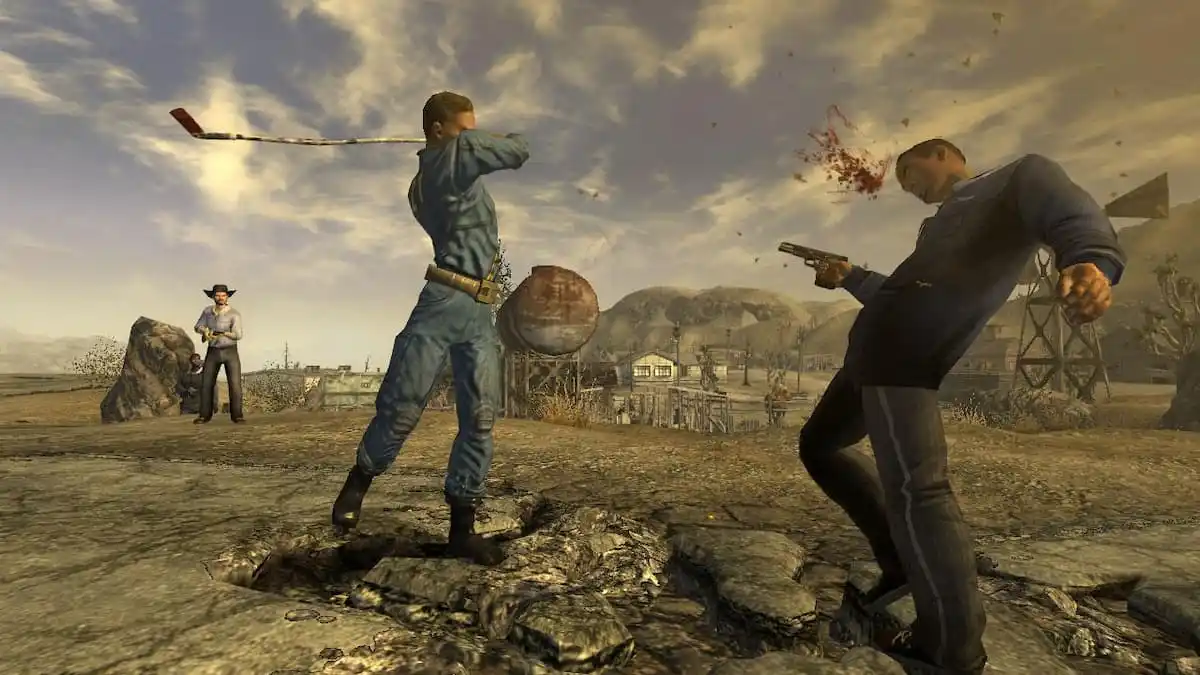
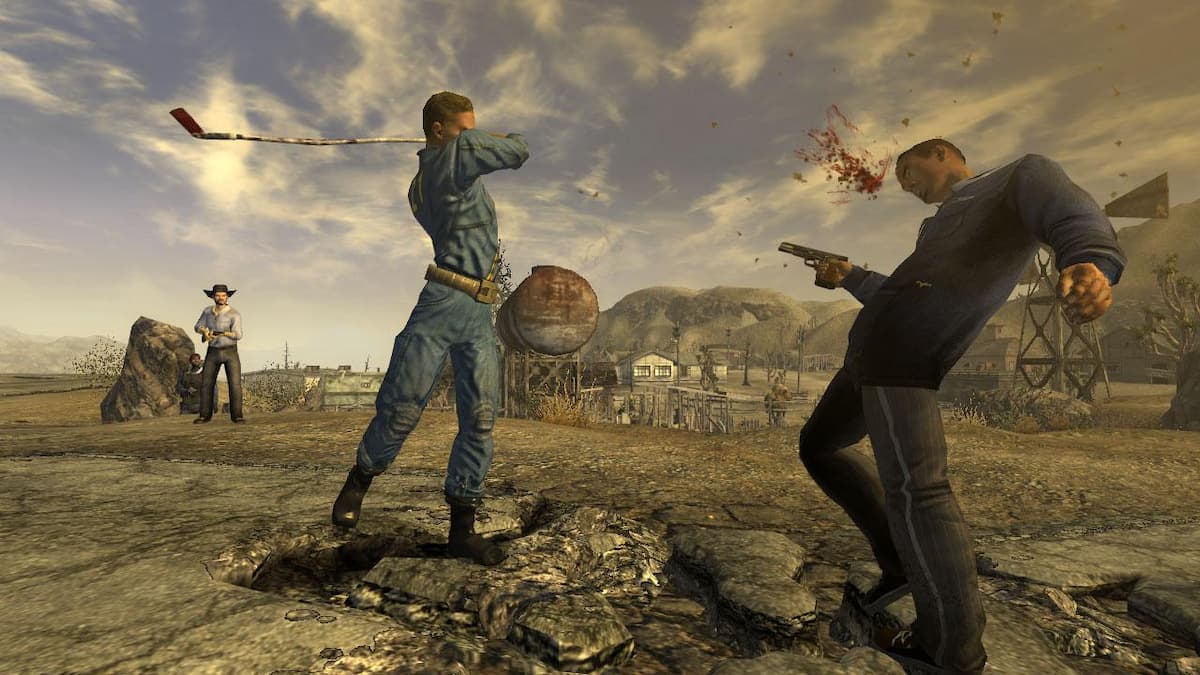
The commitment to game preservation is set to be a significant theme in Xbox’s upcoming initiatives, particularly as the company approaches its 25th anniversary. While specific details remain under wraps, there have been strong indications of new remakes and remasters being planned as part of this milestone celebration. Industry speculation has been particularly fervent regarding a potential remaster or remake of Fallout: New Vegas. Given Microsoft’s ownership of both the Xbox brand and Obsidian Entertainment, the studio behind New Vegas, this possibility is highly plausible. Such a release would align perfectly with Xbox’s stated goals of preserving and enhancing beloved titles from its portfolio.
These potential releases could arrive with little to no prior announcement, mirroring the successful "shadow drop" strategy employed for the Oblivion remaster last year. The Xbox anniversary falls on November 15th, a date that fans will undoubtedly be watching closely for any official announcements or surprise releases. The VP confirmed that the dedicated game preservation team has been working diligently behind the scenes for several years, and the 25th anniversary will serve as a platform to unveil some of these efforts, offering iconic games from the past in ways that are entirely new.
The Broader Implications for the Gaming Industry
Xbox’s proactive stance on game preservation carries significant implications for the wider gaming industry. By investing in technology and strategies to keep older games playable, Xbox is setting a precedent and potentially influencing other platform holders and publishers to adopt similar approaches. This is crucial for maintaining the integrity of gaming as a cultural medium. Just as literature, film, and music are recognized as cultural heritage, video games also serve as important historical artifacts, reflecting the technological, artistic, and societal contexts of their creation.
The availability of these older titles allows for a deeper understanding of the evolution of game design, narrative, and interactive experiences. They provide invaluable insights into the creative processes of developers and the cultural moments that shaped them. While not every game may possess universal cultural significance, the effort to preserve them ensures that future generations have the opportunity to explore this vast history and draw their own conclusions about which titles hold lasting importance.
Future Innovations and the Xbox Mode
The commitment to retro gaming is further evidenced by Microsoft’s ongoing development of new software solutions designed to enhance the gaming experience. The upcoming release of "Xbox Mode," intended to integrate Xbox functionality across all Windows devices, suggests a broader strategy to unify and improve how users interact with games across different platforms. This initiative could lead to further software-driven enhancements for retro gaming, making it even more seamless and accessible.
However, this push for modernization also raises important considerations regarding player preference. While enhanced versions of classic games can be highly appealing, there remains a segment of the gaming community that values experiencing titles in their original, unaltered form. The charm of a game as it was originally released, with its specific technical limitations and aesthetic choices, holds significant appeal for many. Therefore, a balanced approach, offering both enhanced and original play options, will likely be key to satisfying the diverse preferences within the gaming audience.
Game Preservation: A Crucial Component of Contemporary Gaming
In conclusion, game preservation is no longer a niche concern but a fundamental pillar of contemporary video game culture. It should be treated with the same importance as the preservation of any other form of media that contributes to our collective cultural heritage. Video games are unique in their ability to offer interactive glimpses into the past, reflecting the moments in time they were created and providing a window into the minds of their creators and players. Xbox’s demonstrated commitment to this cause, through technological innovation and strategic initiatives, is a vital step in ensuring that this rich and interactive history remains accessible, appreciated, and celebrated for generations to come. The ongoing efforts by Xbox and its preservation team highlight a growing understanding within the industry that preserving the past is not just about nostalgia; it is about safeguarding a vital and evolving art form.