


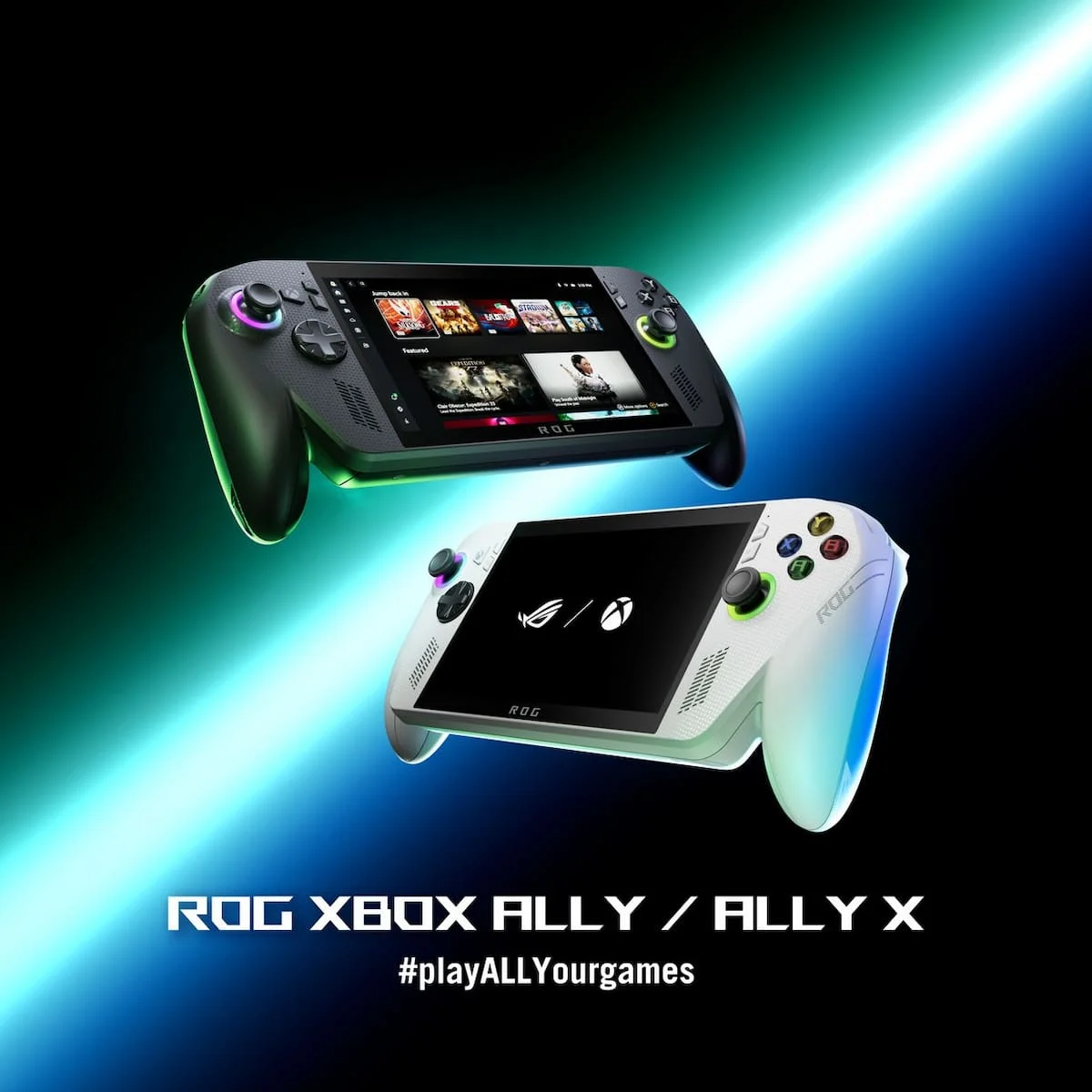
Microsoft’s ambitious foray into the handheld PC gaming market, in collaboration with ASUS, has culminated in the official launch of the ROG Ally. This device, designed to bring the expansive Xbox ecosystem and PC gaming library to a portable form factor, arrives amidst a burgeoning segment of the market, challenging established players and offering a new avenue for gamers seeking flexibility and power on the go. The ROG Ally is not a singular entity, however, with the announcement and subsequent hands-on experience highlighting two distinct models: the standard ROG Ally and the more powerful ROG Ally X. The question on many enthusiasts’ minds is whether these devices justify their price tags and how they stack up against current competition.
The Manhattan Unveiling: A Hands-On First Look
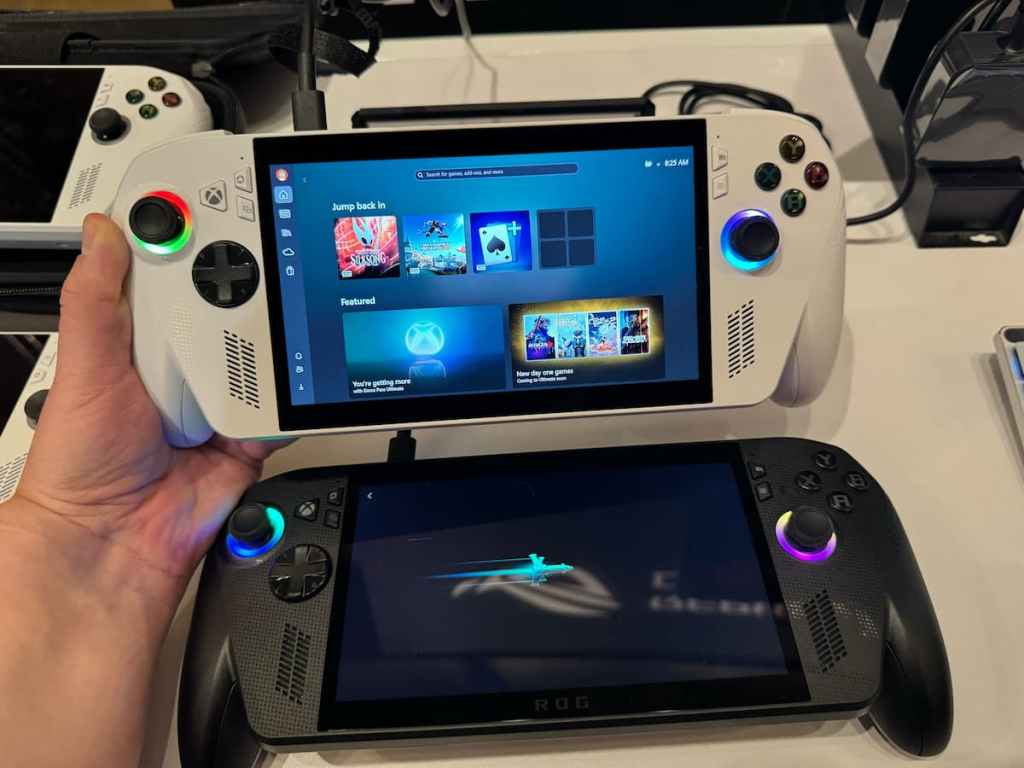
The official unveiling and subsequent hands-on demonstration, held in Manhattan last week, provided a crucial opportunity for members of the press and industry influencers to get acquainted with the ROG Ally and its more advanced sibling, the ROG Ally X. This event served as a critical juncture, allowing for direct comparison and initial impressions before the device’s official release. Attendees were given dedicated time to interact with both units, test their capabilities with select titles, and assess their ergonomic design and user interface.
The initial consensus emerging from the event suggests a tiered approach to appeal. While the base ROG Ally is positioned as an accessible entry point for console gamers transitioning to PC handhelds, particularly those with existing Xbox libraries, the ROG Ally X appears to be the more compelling option for dedicated PC enthusiasts seeking peak performance. This distinction is crucial for potential buyers, as the decision hinges significantly on individual needs, budget, and existing hardware.
Ergonomics and User Experience: A Focus on Comfort and Familiarity
One of the most striking aspects of the ROG Ally X, as noted by early testers, is its remarkable lightness and ergonomic design, especially considering the processing power it packs. The device’s form factor is heavily influenced by the familiar Xbox controller, featuring grooved handles that contribute to a comfortable grip, even during extended play sessions. This contrasts with some competitors, where prolonged use can lead to hand fatigue or discomfort. The seamless integration of Xbox-like controls aims to lower the barrier to entry for players accustomed to console gaming, offering an intuitive and immediate experience.

The user interface further reinforces this familiar Xbox ecosystem. The operating system presents a layout remarkably similar to that found on Xbox Series X and Series S consoles. This includes dedicated sections for Game Pass, the Xbox store, Cloud Gaming, and a consolidated library of owned titles. This streamlined approach ensures that players can readily access their existing digital libraries and explore new content without a steep learning curve.
Performance Tiers: Base Ally vs. Ally X
The performance difference between the standard ROG Ally and the ROG Ally X is a significant factor in determining their respective value propositions. For users migrating from devices like the Steam Deck, the base ROG Ally’s performance in running games is described as comparable. However, the ROG Ally X demonstrates a more substantial leap in power, enabling it to handle demanding titles such as Gears of War: Reloaded and Doom: The Dark Ages at high fidelity with consistently smooth frame rates.
This enhanced performance in the Ally X comes with trade-offs, particularly concerning battery life and power consumption. While operating in a lower wattage mode can extend playtime and potentially reduce graphical fidelity, the device truly shines when utilizing its full power potential, often necessitating a direct power connection for optimal performance. This suggests that for truly demanding gaming experiences, the Ally X is best utilized in a more stationary setting or with a readily available power source, a characteristic common to many high-performance handheld PCs.
Supporting the PC Gaming Ecosystem
Beyond its Xbox integration, both ROG Ally models are designed to be versatile PC handhelds, supporting a wide array of digital storefronts. This includes popular platforms like Steam, Epic Games Store, GOG, and others, allowing users to access and play games from their existing PC libraries. This cross-platform compatibility is a key differentiator, offering a unified experience for gamers who have invested in multiple PC game launchers.
A notable addition to the ROG Ally experience is the Handheld Compatibility Program. This initiative, akin to Valve’s Steam Deck Verified system, aims to provide users with clear indications of a game’s compatibility and ease of play on the ROG Ally. Such a program is invaluable for introducing new gamers to the handheld PC environment, helping them quickly identify titles that will offer a smooth and enjoyable experience.
Technological Specifications and Display Capabilities
Both the ROG Ally and ROG Ally X boast impressive display technology. The screens feature a 120Hz refresh rate, a brightness of 500 nits, and AMD Variable Refresh Rate (VRR) technology. These specifications contribute to a visually fluid and vibrant gaming experience, enhancing the overall immersion. Furthermore, the integrated speakers are noted for their loudness and clarity, providing a robust audio experience even in noisy environments, a testament to ASUS’s iterative design process based on user feedback.
The operating modes, accessible through the Xbox guide button, offer granular control over performance and power consumption. "Turbo mode" prioritizes graphical performance at the cost of battery life, while "Performance mode" offers a balance for less demanding titles. This flexibility allows users to tailor the device’s behavior to their specific gaming needs and battery requirements.
Market Positioning and Competitive Landscape
The launch of the ROG Ally and ROG Ally X enters a competitive market segment that has seen significant growth. The Steam Deck, released by Valve, has largely defined this space, offering a powerful and versatile PC handheld experience. The ROG Ally’s direct challenge lies in its integration with the Xbox ecosystem and its proprietary Windows-based operating system, which allows for immediate access to Xbox Game Pass titles and a more familiar interface for Xbox users.
The pricing strategy is a critical factor. While the base ROG Ally aims for accessibility, the ROG Ally X, with its enhanced specifications, commands a higher price point, making it a significant investment. For dedicated PC gamers, the decision between the ROG Ally X and potential future iterations of the Steam Deck, or other emerging handheld PCs, will likely come down to a detailed comparison of performance benchmarks, feature sets, and long-term value. The fact that a new Steam Deck model is anticipated to be several years away may give the ROG Ally X a competitive advantage in the interim for those seeking cutting-edge handheld PC gaming.
Broader Implications for the Gaming Industry
The successful integration of Microsoft’s software ecosystem with ASUS’s hardware prowess in a portable form factor has broader implications for the gaming industry. It signals a growing trend towards hybrid gaming experiences, where the lines between console, PC, and handheld gaming continue to blur. This could lead to increased investment in portable PC hardware and software optimization for handheld devices.

For Xbox gamers, the ROG Ally represents an expansion of their gaming horizons, allowing them to take their existing library and Game Pass subscription wherever they go. This increased accessibility could lead to higher engagement with the Xbox platform and potentially attract new users who might have previously been deterred by the limitations of traditional consoles.
The success of the ROG Ally and Ally X will depend on several factors, including sustained software support, competitive pricing, and continued innovation in battery technology and processing power. As the handheld PC gaming market matures, devices like the ROG Ally are poised to play a significant role in shaping its future, offering gamers unprecedented freedom and flexibility in how and where they play.