


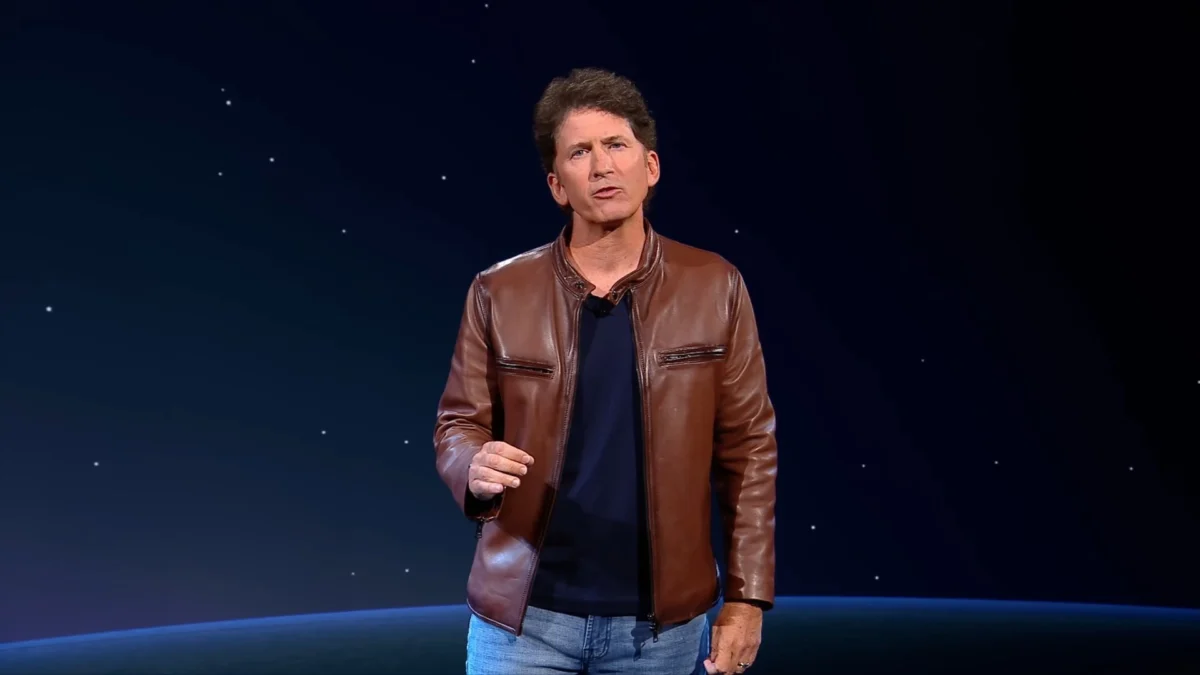
In the wake of a significant update for Starfield, Bethesda Game Studios director Todd Howard recently offered a comprehensive interview to IGN, delving into a range of topics including the future of Bethesda’s flagship titles and, notably, his sentiments regarding the recent leadership changes within Xbox. Howard articulated a nuanced, "two minds" perspective on the transition, expressing both regret at the departure of former Xbox head Phil Spencer and considerable optimism for the platform’s future under new leadership and impending hardware innovations.
Todd Howard’s Dual Perspective on Xbox Leadership
During his interview, Howard underscored the deep personal and professional ties that bound Bethesda to Xbox under Phil Spencer’s leadership. "I’m of two minds, right?" Howard stated, acknowledging the complexities of such transitions. He openly conveyed his sadness regarding Spencer’s retirement, emphasizing Spencer’s pivotal role in shaping Bethesda’s relationship with the Xbox ecosystem. "He’s a good friend, he’s one of the key reasons that we’ve been a large part of Xbox, not just after them acquiring us. But even before that, you could see Xbox kind of being our lead platform a lot of the time." This statement provides crucial context, highlighting that the synergy between Bethesda and Xbox predated the monumental acquisition, suggesting a foundational alignment in vision and strategy. Howard further lauded Spencer, alongside Matt Booty, for their commitment to creative integrity, noting, "I’ve sat in so many meetings watching Phil Spencer and Matt Booty look at games and [them] wanting to protect the creative vision and find a path for success. And I’ve seen them do that behind closed doors so many times and I don’t think they get the credit that they deserve for it. They’re great game leaders."
Despite the sentiment attached to Spencer’s departure, Howard also voiced significant enthusiasm for the future, particularly concerning Xbox’s next-generation hardware. He revealed having been "known about that for a while and all the plans," indicating a privileged insight into Microsoft’s long-term hardware roadmap. This forward-looking excitement is coupled with a positive outlook on Asha Sharma, the newly appointed Xbox President, whom he noted "everybody thinks so highly of." Howard’s balanced view reflects the natural tension between honoring a transformative past and embracing the promise of innovation and new leadership.
A Legacy of Influence: Phil Spencer’s Tenure at Xbox
Phil Spencer’s tenure as the head of Xbox, beginning in 2014, marked a period of profound transformation for the brand. Taking the helm after the challenging launch of the Xbox One, Spencer systematically steered the division towards a more player-centric and developer-friendly approach. His strategies were characterized by several key pillars:
- Xbox Game Pass: Introduced in 2017, Game Pass evolved into a cornerstone of Xbox’s strategy, offering a vast library of games for a monthly subscription. This service, often dubbed "the Netflix of gaming," fundamentally altered how players accessed games and significantly influenced the industry’s subscription model landscape. Spencer’s vision was to make gaming more accessible and provide continuous value to players, fostering a loyal community.
- Emphasis on Content and Acquisitions: Recognizing the importance of exclusive content, Spencer embarked on an aggressive strategy of studio acquisitions. This culminated in the landmark purchase of ZeniMax Media, the parent company of Bethesda Softworks, for an astounding $7.5 billion in 2020, completed in 2021. This acquisition brought revered franchises like The Elder Scrolls, Fallout, and DOOM under the Xbox umbrella, significantly bolstering its first-party portfolio. Other notable acquisitions included Ninja Theory, Playground Games, Obsidian Entertainment, and most recently, Activision Blizzard King, underscoring a commitment to expanding Xbox’s creative capabilities and intellectual property.
- Cross-Platform and Cloud Gaming: Spencer championed a philosophy of "play anywhere," extending Xbox’s reach beyond its proprietary consoles. This included strengthening PC gaming support, integrating Xbox services across various devices, and pioneering cloud gaming through Xbox Cloud Gaming (formerly xCloud). His vision aimed to break down traditional platform barriers, emphasizing player choice and accessibility.
- Developer Relations: A core aspect of Spencer’s leadership was fostering strong relationships with developers. His background within Xbox’s development and publishing teams provided him with a unique understanding of the creative process. Howard’s comments about Spencer and Matt Booty protecting "the creative vision" resonate with the widespread perception of Spencer as a leader who genuinely valued game creators and their artistic autonomy.
Spencer’s retirement in 2026, referenced in the article, marks the end of an era defined by strategic shifts that reshaped Xbox’s identity from a console manufacturer to a broader gaming ecosystem provider. His impact on Microsoft’s gaming division is undeniable, leaving behind a legacy of innovation, aggressive growth, and a renewed focus on the player and developer experience.
The Bethesda-Xbox Synergy: A Strategic Alliance
The relationship between Bethesda and Xbox, as articulated by Todd Howard, predates the historic 2020 acquisition. Howard’s statement that "even before that, you could see Xbox kind of being our lead platform a lot of the time" speaks volumes about the organic alignment that existed. Bethesda, with its pedigree of expansive, critically acclaimed RPGs, found a receptive partner in Xbox, which historically valued deep, immersive gaming experiences. Titles like Fallout 3 and Skyrim often enjoyed strong marketing pushes and exclusive content deals on Xbox platforms during previous console generations.
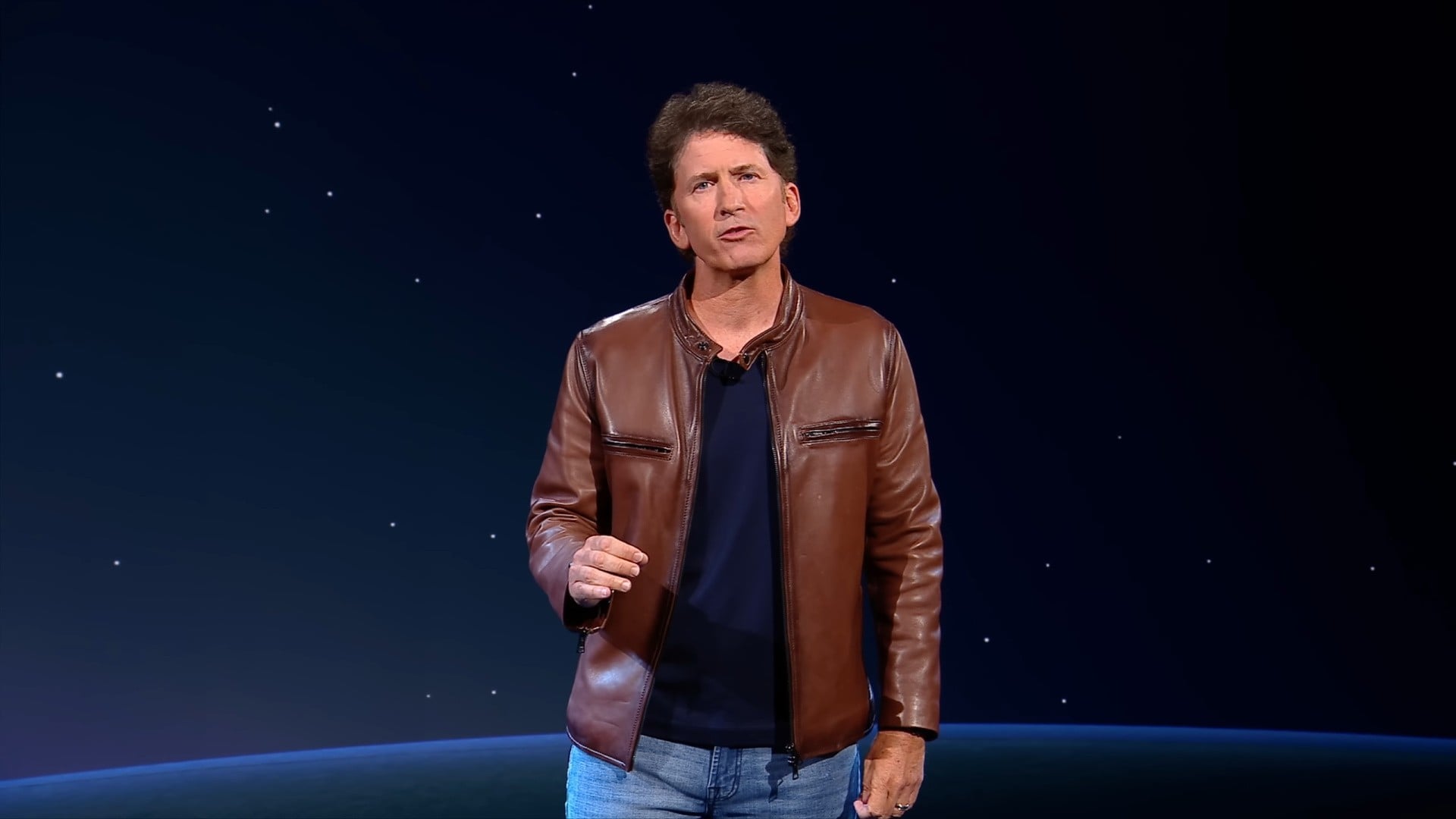
The acquisition of ZeniMax Media by Microsoft for $7.5 billion was a watershed moment in the gaming industry. Announced in September 2020 and finalized in March 2021, it was Microsoft’s largest gaming acquisition at the time, prior to the Activision Blizzard deal. This strategic move was widely seen as a declaration of intent from Microsoft to significantly enhance its first-party content offerings, particularly for Xbox Game Pass. The integration of Bethesda’s vast IP catalog into the Xbox ecosystem was expected to provide a compelling differentiator in the console wars, ensuring a steady stream of high-quality, exclusive titles. For Bethesda, the acquisition offered the financial stability and resources of a tech giant, potentially enabling more ambitious projects and mitigating some of the risks associated with independent publishing in an increasingly competitive market. Howard’s continued leadership and excitement for future hardware underscore the deep integration and shared vision that has developed since the acquisition.
A New Era: Asha Sharma’s Ascent to Xbox President
Asha Sharma’s appointment as the new Xbox President signals a fresh chapter for the gaming division. While Phil Spencer’s role often encompassed a broader, visionary leadership, Sharma’s background and previous responsibilities within Microsoft suggest a focus on operational excellence, product innovation, and expanding the user experience. Prior to her elevation, Sharma held the position of Corporate Vice President for Xbox, where she was responsible for consumer experiences, product, and monetization across Xbox Game Pass, Xbox Live, and the Xbox ecosystem. Her previous experience includes significant leadership roles at Meta (Facebook), where she led product for Messenger and Instagram.
Sharma’s ascendancy is likely to bring a sharpened focus on the digital services aspect of Xbox. Her expertise in product development and user experience, particularly from her time at a social media and consumer technology giant, could inform future strategies for Game Pass growth, community engagement, and the integration of gaming into broader lifestyle experiences. The industry will be watching closely to see how her leadership influences Xbox’s approach to platform exclusivity, cloud gaming monetization, and the continuous evolution of the Xbox ecosystem. Howard’s positive remarks, stating "everybody thinks so highly of her," suggest a strong internal confidence in Sharma’s capabilities and vision. Her leadership is expected to build upon the foundations laid by Spencer while injecting new perspectives on how Xbox can expand its reach and appeal in a rapidly evolving digital landscape.
Project Helix and the Future of Xbox Hardware
Todd Howard’s casual revelation of being privy to Xbox’s "hardware plans for a while" and his excitement for "where they’re going in the future with the hardware" offers a tantalizing glimpse into Microsoft’s next-generation console strategy, code-named "Project Helix." While specific details remain under wraps, Howard’s comments, coupled with industry trends, allow for informed speculation on what this next evolution might entail.
The current console generation has seen a move towards iterative hardware updates (e.g., PS4 Pro, Xbox One X) and a growing emphasis on raw power and graphical fidelity. However, the future of console development, as hinted by Howard’s remark about "widening the scope of things" rather than "locking down to a specific spec," suggests a more flexible and adaptable approach. This could manifest in several ways:
- Modular Hardware: Future consoles might feature modular components, allowing users to upgrade specific parts (e.g., GPU, storage) to extend the lifespan of their device and adapt to evolving technological demands without requiring a full console replacement.
- Cloud-Native Integration: With Xbox’s heavy investment in cloud gaming, "Project Helix" could be designed with seamless cloud integration at its core, potentially offloading some processing to remote servers for certain games or features, thus reducing the need for all computations to happen locally. This aligns with the idea of "widening the scope" beyond a fixed local spec.
- AI and Machine Learning: Advanced AI upscaling techniques (similar to DLSS or FSR) are becoming standard on PC, and future console hardware will undoubtedly incorporate dedicated AI acceleration to enhance graphics, performance, and potentially even gameplay mechanics.
- Focus on Ecosystem Over Pure Horsepower: While power remains important, Xbox’s strategy under Spencer and likely Sharma is centered on the entire ecosystem – Game Pass, cloud gaming, cross-device play. "Project Helix" might prioritize seamless integration across this ecosystem, offering a unified experience regardless of where or how a user chooses to play. This could mean a focus on efficient architecture that optimizes for streaming, quick resume features, and instant access to games.
- Sustainability and Energy Efficiency: As environmental concerns grow, next-generation hardware will likely place a greater emphasis on energy efficiency and sustainable manufacturing practices.
Howard’s excitement suggests that these plans are not just incremental upgrades but represent a significant leap forward, potentially redefining what a "console" means in the modern gaming landscape. His perspective, as a leading game developer who understands the intricacies of hardware utilization, adds considerable weight to the anticipation surrounding "Project Helix."
Beyond Leadership: Starfield, The Elder Scrolls 6, and Evolving Development Paradigms
Beyond the leadership transition, Todd Howard’s interview also touched upon the critical future of Bethesda’s tentpole franchises. The announcement of a major free update and a new expansion for Starfield, alongside its impending PlayStation 5 release, underscores Bethesda’s ongoing commitment to evolving its newest IP. This multi-platform release strategy for Starfield also reflects Xbox’s broader shift in content distribution, moving some first-party titles beyond strict console exclusivity.

Regarding The Elder Scrolls 6, Howard offered tantalizingly few new details, humorously reiterating his long-standing joke that the game "shouldn’t have been announced" so early. Despite the scarcity of information, he did confirm that the game "will be a classic Bethesda RPG," suggesting a continuation of the open-world, choice-driven gameplay that defines the series. The internal milestone mentioned previously indicates steady progress, even if the public remains largely in the dark.
Crucially, Howard’s discussion extended to the evolving philosophy of console development itself. His observation that the future seems "less about locking down to a specific spec, and more about ‘widening’ the scope of things" is a profound insight into the industry’s trajectory. This shift could refer to:
- Scalability Across Devices: Developing games that can seamlessly scale across various hardware configurations, from high-end PCs and next-gen consoles to cloud streaming services and even mobile devices, rather than being optimized for one rigid specification.
- Service-Oriented Games: A focus on games as evolving services, with continuous updates, expansions, and community engagement, moving beyond the traditional single-purchase, finite experience.
- Hybrid Development Models: Blending local processing with cloud computing to deliver richer experiences or enabling features that would be impossible with local hardware alone.
- Generational Interoperability: Ensuring that games developed for newer hardware can still be enjoyed, perhaps with compromises, on older generations or via streaming, creating a more inclusive ecosystem.
This perspective aligns with Xbox’s broader strategy under Spencer, and now Sharma, to build an ecosystem that transcends traditional console generations and hardware limitations, prioritizing player access and choice above all else. For Bethesda, a studio known for pushing technical boundaries and creating vast, complex worlds, this flexible development paradigm could open new avenues for innovation and reach.
Broader Implications for Xbox and the Gaming Landscape
The leadership transition at Xbox, coupled with Todd Howard’s insights, carries significant implications for Microsoft’s gaming division and the wider industry. Phil Spencer’s departure marks the end of an era characterized by a clear vision for Game Pass, aggressive acquisitions, and a strong emphasis on developer relations. His influence fostered a sense of stability and strategic direction that reshaped Xbox’s identity.
Asha Sharma’s appointment heralds a new phase, potentially emphasizing product refinement, service expansion, and deeper integration of Xbox’s offerings within the broader Microsoft ecosystem. Her expertise in consumer experiences and monetization from her previous roles suggests a focus on optimizing user engagement and driving the continued growth of Game Pass and other subscription services. The industry will be keen to observe whether her leadership leads to further shifts in Xbox’s content strategy, particularly regarding platform exclusivity, and how she navigates the competitive landscape dominated by Sony and Nintendo.
For developers like Bethesda, the transition represents both continuity and potential evolution. Howard’s comments suggest that the core relationship and creative protection that characterized Spencer’s era will persist, now under Sharma’s stewardship. His excitement for "Project Helix" indicates that Microsoft remains committed to hardware innovation, which is crucial for studios pushing graphical and gameplay boundaries. The shift towards "widening the scope" in development, rather than strict hardware specs, could empower studios to create more versatile and accessible titles, reaching broader audiences across various platforms and devices.
Ultimately, the confluence of leadership change, anticipated hardware advancements, and evolving development philosophies positions Xbox at a critical juncture. The path forward will likely involve a continued commitment to its subscription model, strategic content delivery, and an ongoing push for technological innovation, all guided by a new leader ready to build upon a transformative legacy.