


Game Pass subscribers concluded January with a robust expansion of their playable library, following an already strong start to the month. Microsoft’s subscription service continued its aggressive content strategy, introducing a diverse array of titles ranging from critically acclaimed horror remakes and expansive open-world adventures to quirky indie gems and highly anticipated day-one releases. This final wave of January additions and a handful of strategic departures underscore the dynamic nature of the Game Pass model, which continuously seeks to refresh its offerings and provide compelling value to its growing subscriber base.
A Month of Major Arrivals: The First Wave’s Impact
January began with significant momentum, setting a high bar for content delivery. Early in the month, subscribers gained access to two major titles that immediately bolstered the service’s prestige and appeal. Assassin’s Creed Valhalla, Ubisoft’s epic Viking-themed open-world action RPG, offered hundreds of hours of exploration and combat, representing a substantial addition of a AAA title from a prominent third-party publisher. Its inclusion highlighted Microsoft’s commitment to bringing established franchises to Game Pass, appealing to a broad audience seeking expansive, narrative-driven experiences.
Alongside Valhalla, Capcom’s Resident Evil 2 remake made its debut. Heralded as a masterclass in modern survival horror, the 2019 title meticulously rebuilt the PlayStation classic for contemporary audiences, earning widespread critical acclaim for its tension, atmosphere, and updated gameplay mechanics. Its addition reinforced Game Pass’s ability to deliver not just new games, but also highly respected, genre-defining experiences that might have been missed by players upon their initial release. These two titles alone represented a significant investment in subscriber satisfaction, setting the stage for the subsequent announcements.
The Second Wave: Expanding the Library’s Diversity
The latter half of January brought a fresh wave of games, further diversifying the Game Pass catalog. These additions, announced on January 16th, solidified the service’s reputation for offering a wide spectrum of genres and experiences, from psychological thrillers to high-octane racing simulations and groundbreaking new IPs.
Psychological Thrills: Those Who Remain
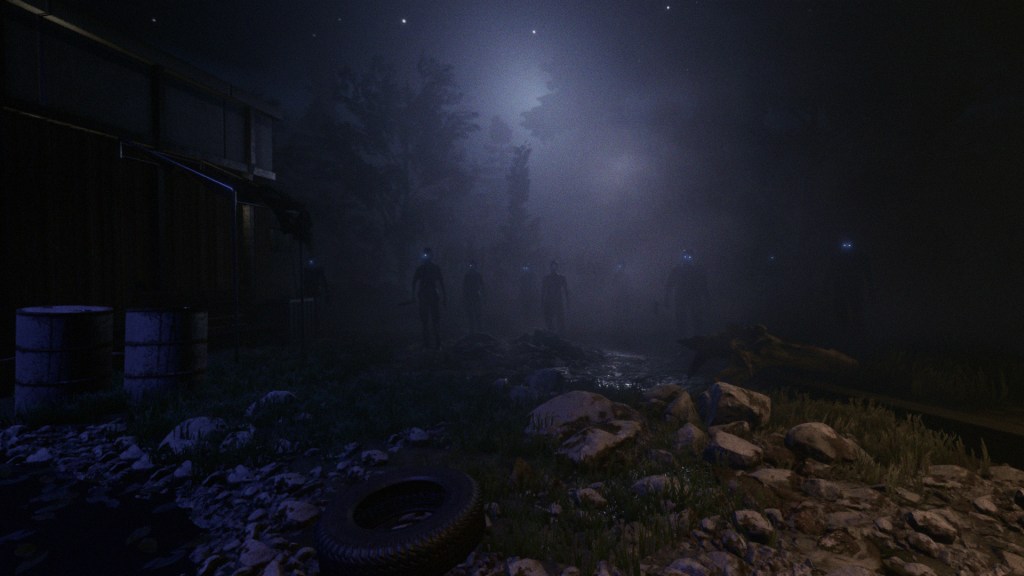
Kicking off the second wave, the story-driven psychological horror game Those Who Remain became available on Game Pass as of January 16th. Developed by Camel 101, the game plunges players into the eerie town of Dormont, where protagonist Edward Turner must confront his personal demons amidst a supernatural threat rooted in darkness and light. Upon its initial launch in 2020, Those Who Remain received rather mixed reviews from critics, with a Metacritic score reflecting a somewhat divided reception. Common criticisms often pointed to its pacing or certain gameplay mechanics. However, its current "Mostly Positive" rating on Steam suggests that a dedicated player base has found significant merit in its unique blend of psychological narrative and environmental horror. Its inclusion on Game Pass provides a new opportunity for the title to reach a broader audience, allowing subscribers to experience its unsettling atmosphere and moral dilemmas without an additional purchase, potentially fostering a re-evaluation of its merits.
Indie Innovation and Day-One Drops
A cornerstone of the Game Pass strategy is its commitment to supporting independent developers and bringing day-one releases directly to subscribers. January’s second wave showcased this commitment with two distinct titles:
-
Turnip Boy Robs a Bank: Launching on January 18th for Console, PC, and Cloud, Turnip Boy Robs a Bank is the sequel to the quirky 2021 action-adventure Turnip Boy Commits Tax Evasion. Developed by Snoozy Kazoo and published by Graffiti Games, this new installment continues the irreverent adventures of Turnip Boy, now pivoting from tax-dodging to bank robbery. The game’s appeal lies in its charming pixel-art aesthetic, humorous narrative, and engaging dungeon-crawling mechanics. As a day-one Game Pass title, it exemplifies the service’s role in promoting indie creativity and offering immediate access to fresh, often experimental, gaming experiences. The previous title’s success on Game Pass likely contributed to the sequel’s direct inclusion, demonstrating a symbiotic relationship between the platform and indie studios.
-
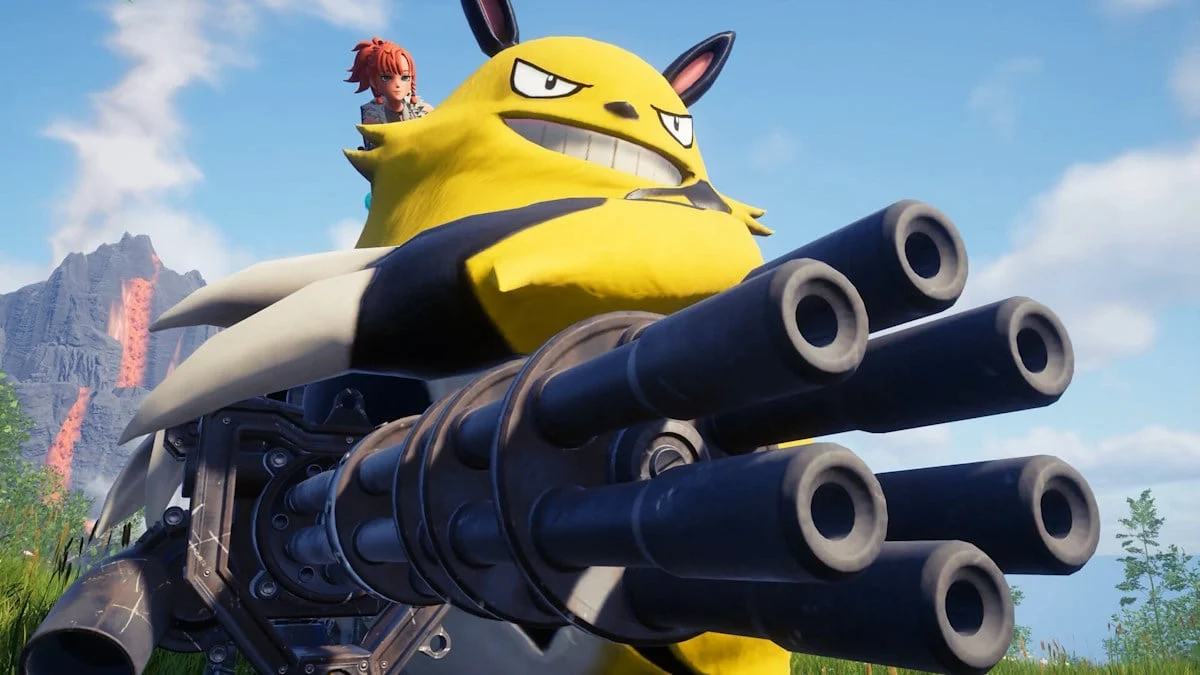
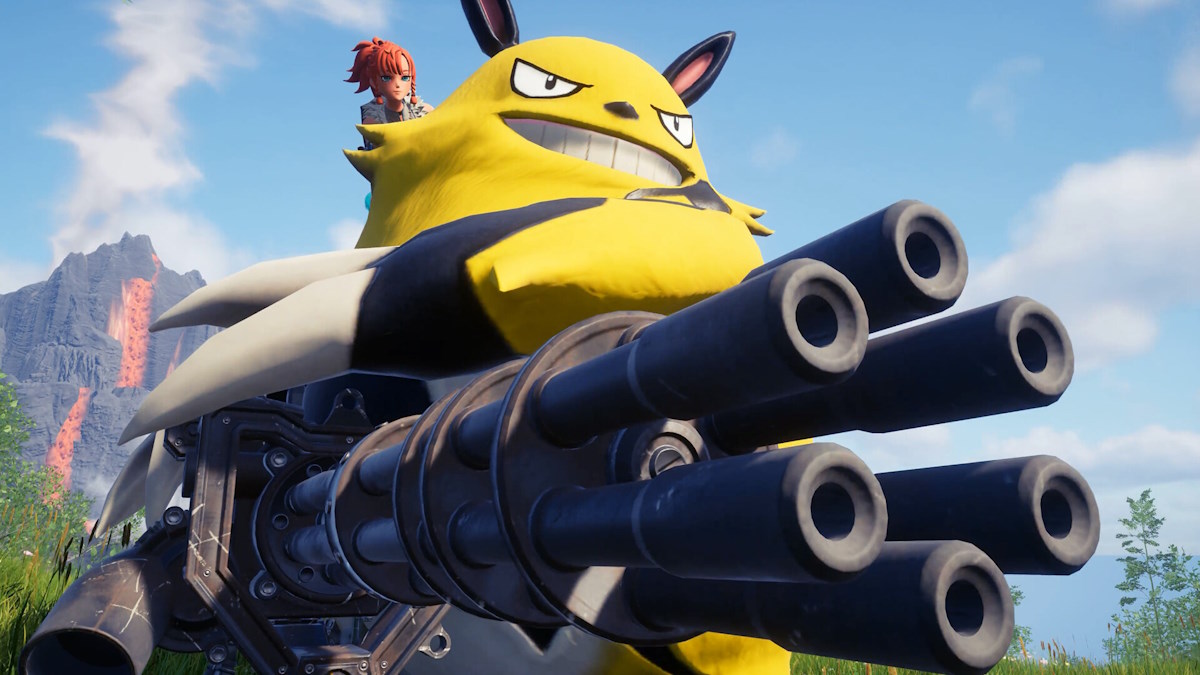
Palworld: A Phenomenon Enters Game Pass: Perhaps the most anticipated and discussed title of the second wave, Palworld, developed by Pocketpair, arrived on Game Pass on January 19th. Marketed as an "open-world survival crafting game with monster collecting," Palworld quickly garnered immense attention due to its striking resemblance to Nintendo’s Pokémon franchise, but with a controversial twist: players can arm their captured creatures with firearms, enslave them for labor, and even consume them. This provocative blend of beloved creature-collecting mechanics with mature themes of survival, crafting, and combat ignited widespread debate across the gaming community long before its release.
Despite, or perhaps because of, the controversy, Palworld entered Game Pass as a day-one launch with unprecedented hype. Its inclusion on the service meant millions of subscribers could immediately dive into its unique, and at times unsettling, world without an upfront purchase. This move was a significant strategic win for Game Pass, capturing a massive wave of public interest and demonstrating the service’s capacity to host and amplify potentially breakout titles. The game’s performance and reception post-launch would undoubtedly be closely monitored, not just for its inherent gameplay, but also for its implications on the intersection of creature collection, open-world survival, and ethical considerations in game design. The sheer volume of concurrent players it attracted on other platforms immediately after launch underscored the power of its concept, amplified by its Game Pass availability.
High-Octane Racing: F1 23
Also arriving on January 18th for Console and PC, F1 23 provided a dose of high-speed, realistic racing simulation. Developed by Codemasters and published by EA Sports, this title is the official video game of the 2023 Formula One and Formula 2 championships. Its inclusion highlights the ongoing integration of EA Play titles into Game Pass Ultimate, expanding the diverse content library with premium sports simulations. F1 23 offers authentic tracks, teams, and drivers, alongside enhanced physics and a compelling story mode, "Braking Point 2," which adds a narrative layer to the racing experience. For fans of motorsports, its addition represents significant value, providing access to a current-season simulation that demands precision and strategy.
Maintaining Engagement: Game Updates and Expansions
Beyond new game additions, Game Pass also actively supports its existing library with ongoing content updates and expansions, ensuring long-term engagement for subscribers.
-
Dead By Daylight‘s Alan Wake Crossover: On January 30th, the popular asymmetrical horror game Dead By Daylight received new content featuring Alan Wake, the protagonist from Remedy Entertainment’s acclaimed psychological thrillers. This cross-promotional event, where Alan Wake joins the roster of playable Survivors, introduces a familiar face from a beloved franchise into the Dead By Daylight universe, offering new lore and gameplay dynamics. Such crossovers are vital for live-service games, keeping the community active and attracting new players interested in the featured characters, further extending the lifecycle of titles already on Game Pass.
-
Other Updates: Turbo Golf Racing received its "Pet Pack," offering cosmetic enhancements, while Naraka: Bladepoint launched its Season 11 Bundle. These updates signify the continuous support developers provide to their games within the Game Pass ecosystem, ensuring fresh experiences and ongoing value for players.
Strategic Departures: Making Way for New Content
The dynamic nature of Game Pass also involves the cyclical removal of titles, a necessary aspect of managing a rotating library. On January 31st, two notable games departed the service, prompting subscribers to complete any outstanding achievements or storylines.
-
Hitman: World of Assassination: The departure of Hitman: World of Assassination was arguably the most significant removal. This comprehensive package includes the entire modern Hitman trilogy (Hitman, Hitman 2, and Hitman 3), offering an extensive stealth-action sandbox experience. Developed by IO Interactive, the trilogy is renowned for its intricate level design, creative assassination methods, and dark humor. Its removal underscores the "play it before it’s gone" aspect of subscription services, encouraging engagement with titles that have a finite window of availability. For those who had yet to fully explore Agent 47’s global assignments, the end of January served as a final deadline.
-
F1 2021: An older installment in the Formula One racing series, F1 2021, also left the service as part of EA Play’s rotating catalog. This departure is less impactful given the availability of the newer F1 23 on the service, representing a natural progression in sports game offerings.
The Broader Game Pass Strategy: Value, Curation, and Industry Impact
The January 2024 Game Pass waves, particularly the second half, vividly illustrate Microsoft’s multi-faceted strategy for its flagship subscription service.
Value Proposition and Content Curation: The additions of Assassin’s Creed Valhalla, Resident Evil 2 remake, and F1 23 represent a strong commitment to offering high-quality, popular titles from major publishers, directly addressing the desires of mainstream gamers. Simultaneously, the day-one launches of Turnip Boy Robs a Bank and especially Palworld highlight Game Pass’s role as a platform for discovery and immediate access to new IPs, including those generating significant buzz. This blend of established blockbusters, critically acclaimed older titles, and fresh indie/day-one releases creates an incredibly diverse and compelling value proposition for subscribers. The service’s ability to host a phenomenon like Palworld from day one positions it as a vital launchpad for new games, offering developers a vast audience and Microsoft a powerful engagement driver.
Subscriber Growth and Retention: Each wave of new content is meticulously curated to attract new subscribers and, critically, retain existing ones. The "play it before it’s gone" mechanism, exemplified by the departure of Hitman: World of Assassination, also subtly encourages continuous subscription by creating a sense of urgency and ongoing engagement with the library. The consistent stream of updates for live-service games further cements this strategy, ensuring that games like Dead By Daylight remain fresh and relevant.
Industry Context and Competition: In the increasingly competitive landscape of gaming subscriptions, Game Pass continues to differentiate itself through its day-one strategy and its broad library. While competitors like PlayStation Plus offer a similar tiered model, Microsoft’s aggressive approach to including new releases directly into the subscription service often gives it an edge in immediate appeal. The success of Game Pass is integral to Microsoft’s broader Xbox ecosystem strategy, aiming to expand its reach beyond console sales to a service-oriented model accessible across multiple platforms (console, PC, cloud).
Looking Ahead: The Evolving Landscape of Gaming Subscriptions
The end of January 2024 served as a microcosm of the Game Pass experience: a constant ebb and flow of content, meticulously managed to maintain a high level of subscriber satisfaction. As the gaming industry continues to embrace subscription models, the strategies employed by services like Game Pass—balancing AAA blockbusters with indie innovation, facilitating day-one launches, and managing content lifecycles—will be critical indicators of their long-term success. The strategic additions and departures of January signal a service that is actively adapting to market demands, reinforcing its position as a central player in the future of gaming consumption.