


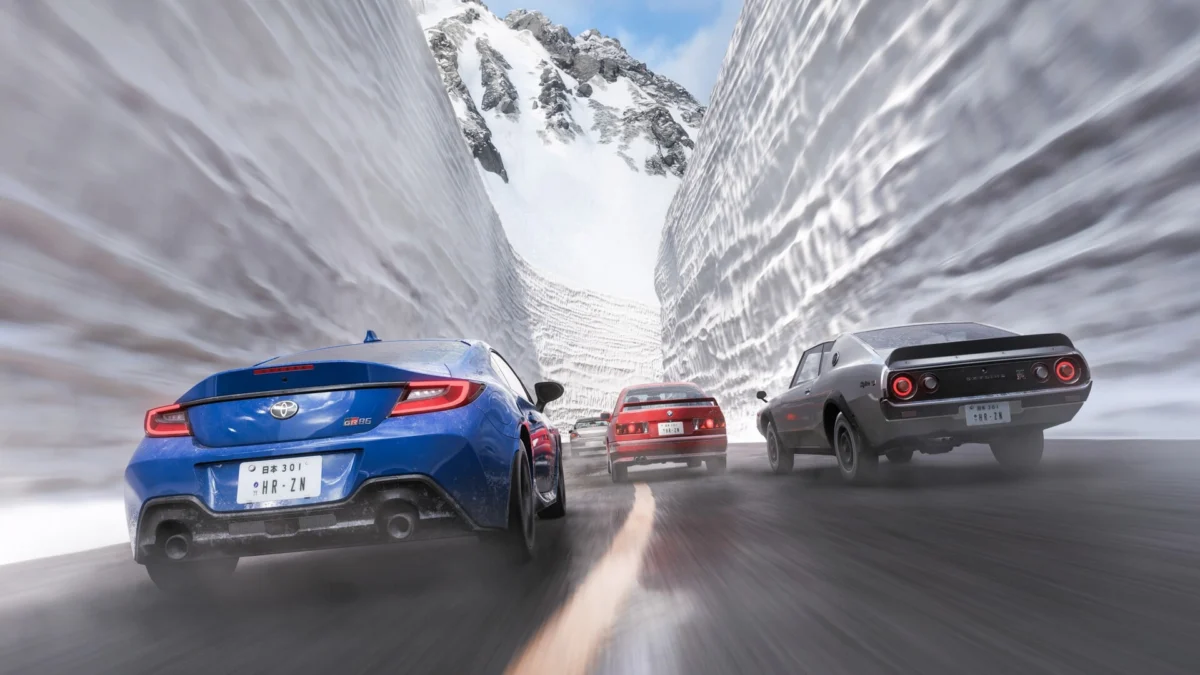
In a significant reveal from the ongoing IGN First program, details surrounding the highly anticipated seasonal weather changes in Playground Games’ upcoming open-world racing title, Forza Horizon 6, have been elaborated upon, offering deeper insights into the development team’s approach and philosophy. Set against the breathtaking backdrop of Horizon Japan, the game is poised to reintroduce dynamic seasons, building upon the foundational mechanics established in 2018’s critically acclaimed Forza Horizon 4, but with crucial refinements aimed at enhancing player experience, particularly concerning the often-polarizing Winter season.
The Evolution of Dynamic Seasons in the Horizon Series
The Forza Horizon series has consistently pushed the boundaries of open-world racing, blending authentic vehicle simulation with an expansive, festival-like atmosphere. A landmark innovation in Forza Horizon 4, set in a fictionalized Great Britain, was the introduction of dynamic, week-long seasonal changes that fundamentally altered the landscape, driving conditions, and available events. Each season – Spring, Summer, Autumn, and Winter – brought distinct visual aesthetics and gameplay challenges, from the lush greenery of summer to the treacherous ice and snow of winter.
While initially lauded for its novelty and visual splendor, the Winter season in Forza Horizon 4 garnered mixed feedback over time. Internal telemetry data and community sentiment indicated that while players appreciated the initial challenge and visual transformation, prolonged periods of ubiquitous snow and ice across all road types could lead to a degree of monotony and frustration for a segment of the player base. The reduced grip and altered driving dynamics, while realistic, sometimes limited vehicle choice and preferred driving styles, impacting long-term engagement for some. This feedback became a pivotal learning point for Playground Games as they embarked on the development of Forza Horizon 6.
Refining Winter: A Focus on Fun and Authenticity
Members of the Forza Horizon 6 development team, speaking during the IGN First deep dive, openly acknowledged the lessons gleaned from previous iterations. "When we think back to the lessons that we learned from previous games, there were components of Horizon 4 that people were maybe less fond of when it came to certain seasons – and a great example of that would be Winter," a developer explained. "It was pretty fun at first, but we found with time that players eventually started to grow a little bit tired of all the roads being covered in snow all the time. We wanted to learn from that."
This candid assessment underscores a commitment to iterative design and player-centric development, hallmarks of Playground Games’ approach. For Forza Horizon 6, the objective was to retain the dramatic visual and mechanical impact of Winter while ensuring it remained a consistently engaging and enjoyable experience for all players, regardless of their preferred driving style or vehicle choice. The solution, rooted in the game’s new Japanese setting, introduces a nuanced approach to snow coverage.
Horizon Japan: A Landscape of Dynamic Diversity
The choice of Japan as the setting for Forza Horizon 6 offers a rich tapestry of environments, from bustling cityscapes to serene rural routes and majestic mountain ranges. This diverse geographical profile plays a crucial role in how seasons, particularly Winter, will manifest. Unlike the blanket snow effect often observed in Forza Horizon 4‘s interpretation of Britain, Horizon Japan’s Winter will be characterized by strategic and localized snow distribution.
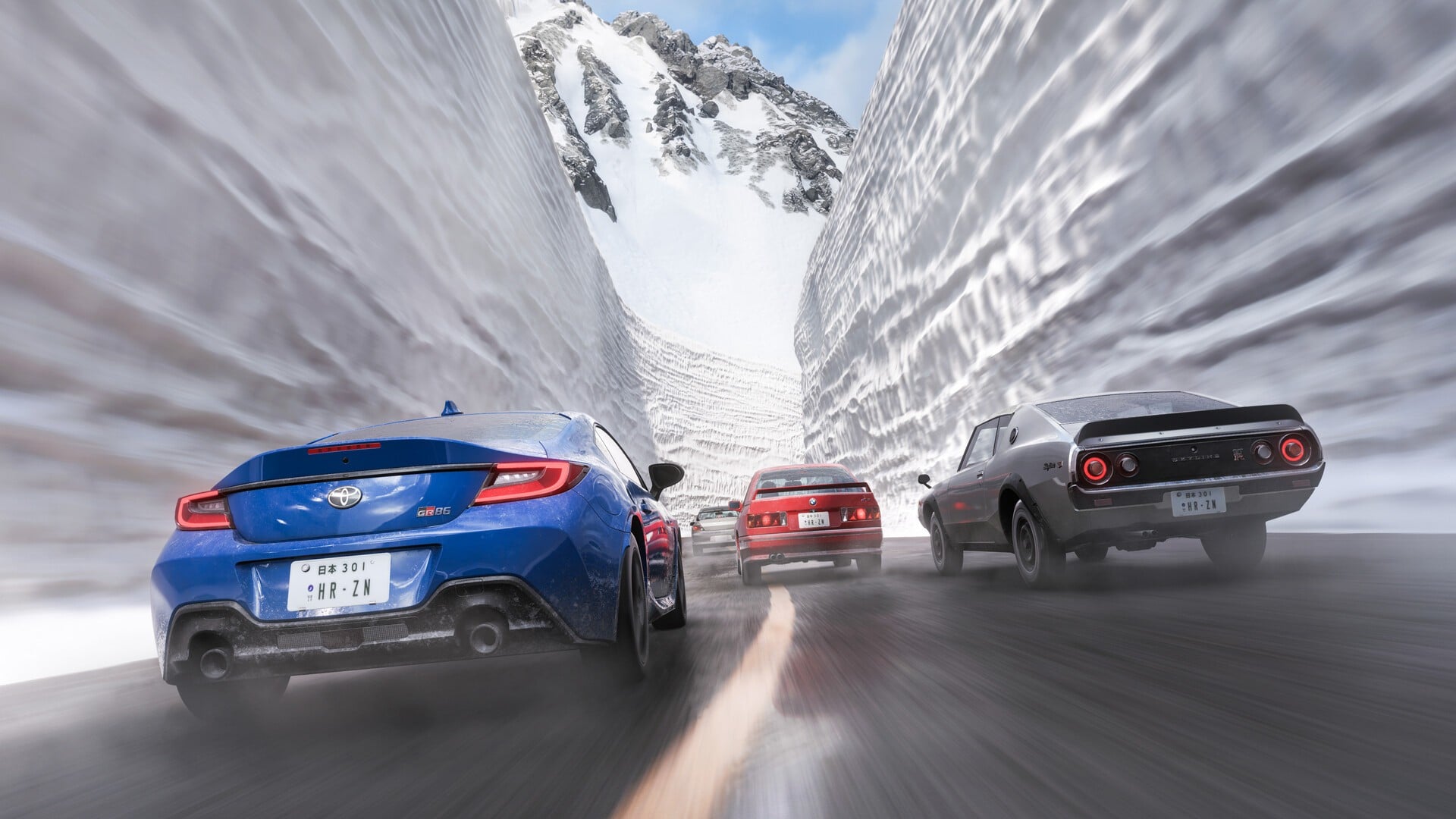
A key detail highlighted by the developers is the influence of real-world Japanese infrastructure and cultural efficiency. "The Japanese are actually pretty good at keeping their roads clear, so our asphalt roads – generally those are clear from snow," the team elaborated. This seemingly small detail has significant gameplay implications. It means that while the game will still feature breathtaking snowy vistas and the distinct visual appeal of winter, players will retain access to clear, high-grip asphalt routes for traditional racing and high-speed driving. This addresses the previous issue of limited vehicle utility during winter, allowing players to enjoy a broader spectrum of their car collection year-round.
However, the challenge of Winter is far from diminished. The developers confirmed that off-road routes will indeed be blanketed in snow, presenting a significantly tougher challenge. This intelligent design choice ensures that players seeking the thrill of low-grip, demanding conditions will find them aplenty in the game’s various dirt tracks, rally stages, and untamed wilderness. Navigating these snow-laden off-road sections will require precise throttle control, careful braking, and often, the selection of appropriate vehicles equipped with winter tires or four-wheel drive systems, fostering a sense of strategic depth.
Furthermore, a significant innovation for Forza Horizon 6 is the inclusion of a dedicated Alpine Region within the map, which will feature snow throughout all four seasons. This caters directly to players who relish the unique challenges and aesthetic of snow driving and want that experience available continuously. This persistent snowy biome provides a consistent destination for those seeking a year-round winter wonderland, ensuring that the specific thrill of snow rallying or ice drifting is never out of reach, irrespective of the overarching seasonal cycle.
The Design Philosophy: Balancing Realism, Challenge, and Accessibility
The refined approach to seasons in Forza Horizon 6 reflects a sophisticated design philosophy that aims to strike a delicate balance between realism, challenging gameplay, and broad player accessibility. By strategically segmenting the impact of winter, Playground Games demonstrates an understanding of diverse player preferences.
- For the Casual Player: The availability of clear asphalt roads ensures that newcomers or those less inclined towards extreme low-grip conditions can still enjoy the core racing experience without feeling overly penalized by the season. This lowers the barrier to entry and promotes continuous enjoyment.
- For the Enthusiast: The snow-covered off-road tracks and the perpetually snowy Alpine Region provide ample opportunities for skilled drivers to test their mettle against challenging environmental conditions. This caters to the demand for depth and mastery that veteran players often seek.
- For the Explorer: The dynamic visual shifts across the map, from autumn leaves to winter snows, enhance the sense of discovery and immersion in Horizon Japan, encouraging players to revisit familiar areas to experience their seasonal transformations.
This segmented approach to seasonal effects also has implications for event design and progression. Developers can now craft events that specifically leverage the unique conditions of each season and terrain type. For example, a street race might take place on clear winter asphalt, while a rallycross event would be set deep within a snow-covered forest, requiring different car setups and driving techniques. This inherent variety is crucial for maintaining player engagement over the long lifespan of an open-world game.
Chronology of Revelations and Anticipation
The seasonal weather reveal is part of a series of staggered announcements under the IGN First banner, a program designed to provide exclusive, in-depth looks at upcoming games over a specific period. These targeted information drops build anticipation and allow the development team to showcase specific features in detail, generating focused discussion within the gaming community.
Earlier in the year, Forza Horizon 6 captivated audiences with its initial reveal of five unique biomes within Horizon Japan, showcasing breathtaking landscapes ranging from dense urban centers to serene cherry blossom forests and the aforementioned Alpine peaks. Subsequent announcements delved into the intricacies of tracks, events, and the plethora of open-world activities players can expect. This systematic unveiling paints a picture of a game that is not only vast in scale but also meticulously crafted in its details, with each reveal building upon the last to create a comprehensive vision of the final product.
The development cycle for a title of Forza Horizon 6‘s magnitude typically spans several years, involving hundreds of artists, programmers, and designers. The insights shared through IGN First suggest a mature development process where player feedback from previous titles is not merely acknowledged but actively integrated into core gameplay mechanics, leading to a more refined and polished experience. This iterative improvement is a testament to Playground Games’ commitment to evolving the Forza Horizon franchise based on real-world player interactions and data.
Community Reception and Broader Implications
The news of a more balanced Winter season has been met with generally positive reactions from the Forza Horizon community. Many players expressed relief and excitement at the prospect of a winter that offers both visual appeal and challenging segments without the overarching feeling of restriction that some associated with Forza Horizon 4‘s approach. Discussions across forums and social media platforms indicate a strong anticipation for how these changes will translate into actual gameplay, particularly regarding vehicle choice and event variety.
From a broader industry perspective, Playground Games’ continuous innovation in dynamic environmental systems sets a high bar for the open-world racing genre. The Forza Horizon series has consistently been at the forefront of graphical fidelity, car rosters, and environmental interaction. The refined seasonal system in Forza Horizon 6 demonstrates that even established and successful mechanics can be further improved through careful analysis and creative problem-solving. This commitment to iterative excellence influences other developers within the racing genre and beyond, pushing the boundaries of what players expect from living, breathing game worlds.
The technological advancements required to render such diverse and dynamically changing environments, while maintaining the series’ signature visual fidelity and smooth performance, are considerable. Real-time changes in terrain, particle effects for snow, and the impact on vehicle physics demand significant computational power and sophisticated engine design. The success of Forza Horizon 6 in this regard will further solidify its position as a technical showcase for the Xbox platform and PC gaming.
In conclusion, the detailed look at Forza Horizon 6‘s seasonal weather changes, particularly the re-envisioned Winter, signifies a thoughtful evolution of a core gameplay mechanic. By learning from past experiences and leveraging the unique characteristics of its new Horizon Japan setting, Playground Games is crafting a winter experience that promises to be both visually stunning and consistently engaging. The strategic balance between clear asphalt roads, challenging off-road snow, and a year-round Alpine region reflects a sophisticated design philosophy aimed at maximizing player enjoyment and longevity, ensuring that Forza Horizon 6 is not just a new entry, but a significant refinement in the celebrated open-world racing series.