


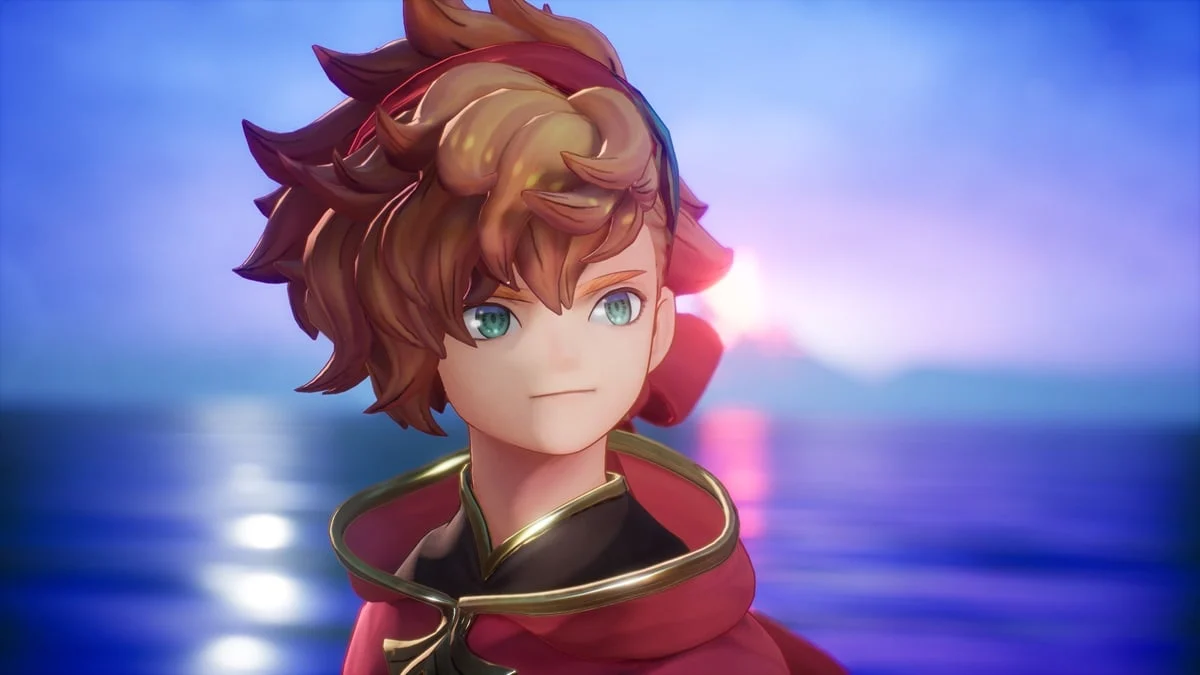
The gaming community experienced a brief surge of excitement and subsequent disappointment this week following a significant correction regarding the anticipated release of Square Enix’s upcoming action-RPG, Visions of Mana. What was initially reported as a day-one inclusion for Xbox Game Pass subscribers on the official Xbox website was swiftly confirmed by Microsoft to be an error, dashing hopes for many who saw it as a major win for the subscription service and the Xbox platform’s burgeoning relationship with Japanese developers. This incident underscores the critical importance of accurate information in the highly competitive and expectation-driven landscape of modern gaming.
The Initial Spark of Hope and Widespread Anticipation
The saga began when the official Xbox page for Visions of Mana prominently displayed language indicating its availability on Xbox Game Pass from launch day. This detail quickly circulated across gaming forums, social media platforms, and news outlets, igniting considerable enthusiasm among Xbox Game Pass subscribers and fans of the long-running Mana series. For many, this appeared to be a significant coup for Microsoft’s subscription service, which has been aggressively expanding its library with high-profile titles. The prospect of a major Japanese RPG (JRPG) from Square Enix, a publisher historically more aligned with PlayStation platforms, joining Game Pass on day one was seen as a strong indicator of Xbox’s continued efforts to attract a broader, more diverse player base, particularly within the JRPG segment. Social media, especially platforms like X (formerly Twitter), became a hub of celebration, with prominent gaming accounts and enthusiasts sharing screenshots and expressing their delight at the perceived "Day One" acquisition. Users like "Idle Sloth," known for tracking Xbox news, were among those who amplified the initial discovery, contributing to the rapid spread of the news and the collective build-up of anticipation. The announcement felt like a validation of Xbox’s strategy to court Japanese developers and bring more of their unique titles to a Western audience via Game Pass.
A Swift Reversal: Microsoft’s Official Clarification
However, the celebratory mood proved to be short-lived. Recognizing the significance of the listing and the potential for miscommunication, gaming news outlet Eurogamer proactively reached out to Microsoft for official clarification. The response from a Microsoft spokesperson was unequivocal and delivered a sobering correction to the burgeoning excitement. "We’re aware that Xbox.com included language that indicated Visions of Mana was coming to Xbox Game Pass and can confirm this was an error," the spokesperson stated, addressing the core issue directly. The statement further elaborated, leaving no room for ambiguity: "We do not have plans to bring Visions of Mana to Game Pass at this time."
This official retraction, delivered within hours of the initial discovery, served as an immediate dampener to the community’s enthusiasm. The speed of the correction, while commendable for its transparency, also highlighted the impact such errors can have on player expectations and publisher credibility. For many, the brief window of hope transformed into disappointment, reinforcing the need for absolute precision in official communications regarding game availability, especially concerning a service as central to Xbox’s ecosystem as Game Pass.
Background Context: Xbox’s JRPG Ambitions and Square Enix’s Shifting Strategies
To fully appreciate the significance of this incident, it’s crucial to understand the broader context of Xbox’s recent efforts in the Japanese gaming market and Square Enix’s evolving platform strategies. Historically, Xbox has struggled to gain significant traction in Japan, a market traditionally dominated by PlayStation and Nintendo. However, under Phil Spencer’s leadership, Microsoft has made a concerted effort to improve its standing, investing in partnerships with Japanese developers and actively working to bring more Japanese titles to the Xbox platform, often leveraging the global reach and subscription model of Game Pass.
The inclusion of Visions of Mana in the Xbox Developer Direct showcase on January 23, 2024, was itself a notable event. The Developer Direct series, typically reserved for first-party Xbox and Bethesda titles, surprisingly featured Visions of Mana, marking a significant promotional partnership between Xbox and Square Enix. The game, which looked visually stunning and promised a vibrant action-RPG experience, immediately garnered positive attention from Xbox Series X|S owners, many of whom had long felt underserved by Square Enix’s perceived preference for PlayStation exclusivity or timed exclusivity deals for its major JRPG releases. This showcase naturally led fans to believe that Visions of Mana represented a new chapter in Square Enix’s relationship with Xbox, making the erroneous Game Pass listing appear all the more plausible and exciting.
The Mana series itself holds a cherished place in gaming history. Originating with Final Fantasy Adventure (known as Seiken Densetsu in Japan) on the Game Boy in 1991, the franchise has cultivated a dedicated fanbase with its unique blend of action-RPG combat, vibrant fantasy worlds, and memorable characters. Titles like Secret of Mana and Trials of Mana are considered classics, and Visions of Mana is poised to be the first mainline entry in the series in over 15 years, following Dawn of Mana in 2006. Its return is highly anticipated, and its multi-platform release across PlayStation 4, PlayStation 5, Xbox Series X|S, and PC (via Steam and Windows Store) was already a positive sign for broader accessibility.
The Business of Game Pass: Expectations vs. Reality
Xbox Game Pass operates on a subscription model that offers subscribers access to a rotating library of games for a monthly fee. Its value proposition is undeniably strong, providing day-one access to all first-party Xbox titles and a growing collection of third-party games. For publishers, placing a game on Game Pass can offer significant benefits, including a guaranteed upfront payment from Microsoft, increased player engagement, and a broader audience reach, potentially boosting sales of DLC, sequels, or other titles within their portfolio. However, it also means foregoing direct sales revenue from individual purchases, a trade-off that publishers carefully weigh.
The expectation that a major Square Enix title like Visions of Mana would join Game Pass day one was monumental because Square Enix, while occasionally bringing older titles or smaller releases to the service (e.g., Dragon Quest XI S: Echoes of an Elusive Age – Definitive Edition, Outriders), has largely kept its flagship new releases, particularly JRPGs, off the service at launch. The recent Final Fantasy VII Rebirth and Final Fantasy XVI were PlayStation exclusives, and even multi-platform releases like Final Fantasy VII Remake Intergrade on PC did not launch into Game Pass. This pattern makes any potential day-one Game Pass inclusion for a new, highly anticipated JRPG from Square Enix a particularly noteworthy event, and thus, its retraction all the more impactful.
Implications and Broader Impact
The retraction of Visions of Mana from the presumed Game Pass lineup carries several implications:
- Consumer Trust and Disappointment: The immediate and most tangible effect is the disappointment felt by Xbox Game Pass subscribers. False hopes, even if quickly corrected, can erode trust and generate frustration within the community. Players who were banking on playing the game through their subscription will now have to factor in a full-price purchase, altering their gaming budget and potentially their purchase decisions.
- Xbox’s JRPG Strategy: While the Developer Direct inclusion was a positive step, the Game Pass error is a minor setback in Xbox’s broader efforts to solidify its position in the JRPG market. Securing day-one Game Pass deals for major Japanese titles is a powerful tool for attracting new subscribers and demonstrating commitment to this demographic. The absence of Visions of Mana from Game Pass means Xbox must continue its robust efforts to court more Japanese developers and publishers for similar arrangements.
- Publisher Relations and Communication: This incident serves as a reminder to both platform holders and publishers about the critical importance of clear, accurate, and synchronized communication. Errors on official product pages, even if unintentional, can have widespread repercussions and lead to significant public relations challenges. It underscores the need for stringent internal review processes before publishing promotional material, especially concerning high-profile releases and subscription service inclusions.
- Market Dynamics: Visions of Mana will now launch as a traditional full-price purchase across all announced platforms: PlayStation 4, PlayStation 5, Xbox Series X|S, and PC. This maintains the current market dynamic where players must individually purchase most major new JRPG releases, rather than accessing them through a subscription on day one. This could subtly impact sales on Xbox compared to a Game Pass launch, although the multi-platform release ensures broader availability than many of Square Enix’s recent console-exclusive titles.
- Future Game Pass Announcements: The incident might lead to increased scrutiny from players and media regarding future Game Pass announcements, prompting a more cautious approach until official, confirmed statements are released directly from Microsoft or the respective publishers.
Moving Forward: The Road Ahead for Visions of Mana and Xbox
Despite the Game Pass confusion, Visions of Mana remains a highly anticipated title. Its multi-platform launch later this summer signifies a broader reach for the Mana series, allowing a wider audience to experience its return. Xbox Series X|S owners, while disappointed about the Game Pass omission, can still look forward to playing the game on their preferred console, albeit via a standard purchase. The visual fidelity showcased during the Developer Direct and the promise of a fresh take on the classic action-RPG formula continue to generate excitement for the game itself.
For Xbox, the incident is a learning moment. It highlights both the immense desire among its player base for more Japanese content, especially on Game Pass, and the challenges of managing public expectations. Microsoft’s commitment to the Japanese market is unwavering, and while this particular Game Pass opportunity did not materialize, the strategic partnerships and efforts to bring a diverse range of games to the platform are expected to continue. The pursuit of major third-party titles for day-one Game Pass inclusion remains a cornerstone of Xbox’s strategy, and the industry will undoubtedly be watching closely for future announcements that could genuinely shift the landscape of subscription gaming. In the interim, players eagerly awaiting Visions of Mana will simply need to adjust their expectations from a subscription play to a direct purchase, as the adventure is still very much on the horizon.