


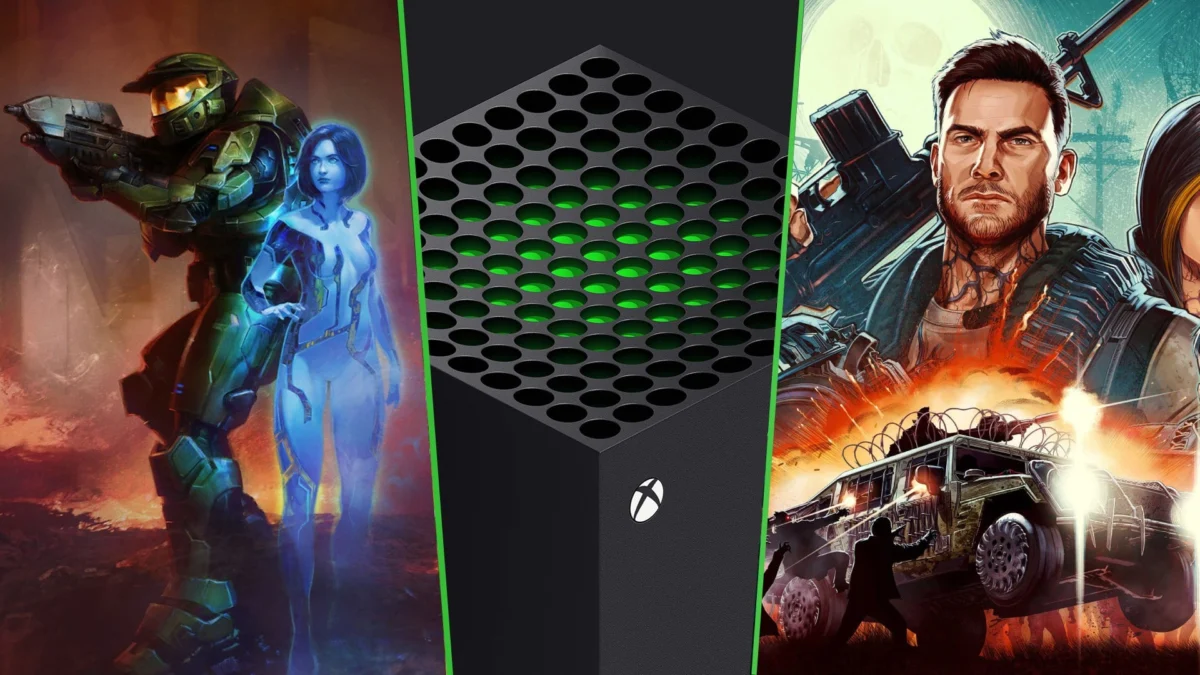
The video game industry enters a critical phase in 2026 as the ninth generation of consoles, led by the Xbox Series X and Series S, approaches its sixth year on the market. This period traditionally represents the "sweet spot" of a console’s lifecycle, where developers have fully mastered the hardware architecture and can push the limits of graphical fidelity and processing power. Microsoft’s gaming division, bolstered by its extensive network of first-party studios under the Xbox Game Studios, Bethesda Softworks, and Activision Blizzard umbrellas, is positioning 2026 as a cornerstone year for both retail releases and the Xbox Game Pass subscription service. The current slate of scheduled titles reflects a diverse strategy that balances the revival of classic horror franchises, the expansion of established RPG universes, and the introduction of high-concept intellectual properties utilizing advanced rendering techniques like Unreal Engine 5.
The Landscape of Xbox Gaming in 2026
As the industry moves away from cross-generation development—titles designed to run on both the Xbox One and the Series X|S—the 2026 lineup is characterized by a "current-gen only" mandate. This shift allows for more complex artificial intelligence, larger open worlds without loading screens, and sophisticated physics systems. Market analysts note that 2026 will be a decisive year for Microsoft as it seeks to capitalize on its multi-billion dollar acquisitions. The integration of Activision Blizzard’s pipeline alongside Bethesda’s ongoing projects creates a dense release calendar that aims to provide a consistent flow of content to the ecosystem. Furthermore, the 2026 schedule highlights a growing trend of "AA" and "indie-plus" titles—games with high production values that occupy the space between massive blockbusters and small independent projects.
Major Franchise Revivals and Remakes
One of the most anticipated psychological horror titles for the year is the full remake of Fatal Frame 2: Crimson Butterfly. Originally released in 2003, the title is widely regarded as a pinnacle of Japanese survival horror. The 2026 remake, titled Fatal Frame / Project Zero II: Crimson Butterfly, follows twin sisters Mio and Mayu Amakura as they navigate a "Lost Village" frozen in time. Technical data indicates that the remake utilizes modern lighting engines to enhance the atmosphere, a crucial element for a series centered on the "Camera Obscura" mechanic. Industry observers suggest that this remake follows the successful trend established by the Resident Evil and Silent Hill franchises, aiming to introduce classic horror tropes to a modern audience with 4K resolution and spatial audio support.
In the realm of narrative-driven adventures, Life is Strange: Reunion represents a significant return to the series’ roots. Developed by Deck Nine and published by Square Enix, this entry revisits the protagonists Max Caulfield and Chloe Price. The narrative focus shifts toward the fate of Caledon, offering players a dual-protagonist system. This title is expected to utilize the Xbox Series X’s high-speed SSD to facilitate seamless transitions between different timelines or emotional states, a hallmark of the series’ gameplay.
Action and Role-Playing Game Expansions
Capcom continues its aggressive release strategy in 2026 with two major titles: Monster Hunter Stories 3: Twisted Reflection and the enigmatic Pragmata. Monster Hunter Stories 3 serves as a spin-off from the mainline Monster Hunter series, focusing on turn-based RPG mechanics and "Rider" bonds rather than traditional hunting. The inclusion of "Twin Rathalos" as a central plot point suggests a deeper narrative focus than previous installments.
Conversely, Pragmata remains one of the most discussed "new IP" projects in Capcom’s history. First announced in 2020 and subject to multiple internal delays, the game is now slated for a 2026 window. Set in a near-future lunar research station, the game features protagonists Hugh and Diana. Technical briefings from Capcom suggest the game is being built on the RE Engine, optimized specifically for the Xbox Series X’s ray-tracing capabilities to depict the cold, sterile environments of the moon.
Pearl Abyss is also set to contribute to the RPG landscape with Crimson Desert. While initially conceived as a prequel to Black Desert Online, the project has evolved into a sprawling single-player open-world action-adventure. Set on the continent of Pywel, players assume the role of Kliff, a mercenary leader. The game has garnered significant attention for its "next-gen" visuals, which include highly reactive environments and complex combat animations that leverage the Series X’s 12-teraflop GPU.
Innovative Genre Hybrids and Indie Showcases
The 2026 lineup is notable for its aesthetic diversity, particularly in the first-person shooter and action-platformer categories. MOUSE: P.I. For Hire has emerged as a standout title due to its 1930s "rubber hose" animation style. Developed by Fumi Games, the title blends the visual charm of early black-and-white cartoons with the violent mechanics of a noir-fueled detective shooter. This contrast is part of a broader industry movement toward unique art directions that differentiate titles in a saturated market.
Another highly anticipated project is Replaced, a 2.5D sci-fi retro-futuristic platformer. Developed by Sad Cat Studios, the game has faced several delays due to geopolitical factors affecting the development team. Set in an alternate 1980s America, the game follows R.E.A.C.H., an artificial intelligence trapped in a human body. The title’s "cinematic pixel art" style is designed to push the boundaries of 2D rendering, utilizing 3D lighting and depth-of-field effects that require the processing overhead of modern Xbox hardware.
Licensed Properties and Collaborative Efforts
The superhero genre remains a potent force in gaming, and Invincible Vs is set to capitalize on the popularity of the Skybound comic and animated series. Developed as a 3v3 tag-team fighting game, the title focuses on the "brutal" nature of its source material. Unlike traditional "T-rated" superhero games, Invincible Vs is expected to feature high levels of environmental destruction and gore, aligning with the "M-rated" tone of the television series. This title represents a strategic effort by Xbox to secure high-profile licensed content that appeals to a specific demographic of mature gamers.
In the realm of cooperative action, John Carpenter’s Toxic Commando offers a blend of 80s horror aesthetics and modern "horde-based" gameplay. Developed by Saber Interactive and published by Focus Entertainment, the game involves commandos fighting the "Sludge God." The project is notable for the direct involvement of filmmaker John Carpenter, who contributed to the game’s tone and atmosphere. Saber Interactive’s proprietary engine, known for its ability to render hundreds of enemies on screen simultaneously (as seen in World War Z), is the technological backbone of this project.
Chronology and Development Cycles
The 2026 release calendar is the result of long-term development cycles that began in the early 2020s. A chronological look at the development of these titles reveals the impact of the global pandemic and the subsequent shift in remote work culture on the industry.
- 2020-2021: Initial concept phases and early announcements (Pragmata, Replaced).
- 2022-2023: Core development and engine transitions. Many titles moved to Unreal Engine 5 or updated proprietary engines to support DirectX Raytracing (DXR).
- 2024-2025: Beta testing, gameplay reveals, and final polish. This period saw the "monthly adjustment" of release dates as studios navigated the final stages of optimization.
- 2026: Scheduled launch window. The year is divided into quarterly "beats," with major RPGs typically targeting the Q1 and Q4 windows to maximize sales.
Official Responses and Strategic Outlook
Microsoft Gaming CEO Phil Spencer has frequently emphasized that the company’s goal is "a great game every quarter." In corporate briefings, Xbox leadership has pointed to 2026 as a year where the "pipeline is fully primed." Official statements from Capcom and Pearl Abyss have echoed this sentiment, noting that the stability of the Xbox Series X|S hardware allows for more ambitious scope than was possible during the transition years of 2020-2022.
Furthermore, the role of Xbox Game Pass cannot be understated. A significant portion of the 30 games highlighted for 2026 will be available on the service at launch. Internal data from Microsoft suggests that "Day One" releases on Game Pass lead to higher player engagement and a longer "tail" for digital sales and DLC. This subscription-first model has influenced how developers approach post-launch content, with many 2026 titles already planning "Season Pass" or "Live Service" components to keep the player base active.
Broader Impact and Industry Implications
The 2026 Xbox lineup serves as a barometer for the health of the high-end console market. As cloud gaming and mobile platforms continue to grow, the Series X|S titles of 2026 must provide "prestige" experiences that justify the hardware investment. The heavy reliance on remakes (Fatal Frame 2) and established IPs (Monster Hunter, Life is Strange) suggests a risk-averse environment among major publishers, balanced by the high-risk, high-reward nature of new IPs like Pragmata and Crimson Desert.
From a technical standpoint, 2026 will likely be the year where features like "Variable Rate Shading," "Hardware-Accelerated Raytracing," and "Auto HDR" become standard across all releases. The disparity between the Series X and the Series S will also be a point of focus, as developers strive to maintain feature parity while scaling resolution and frame rates for the less powerful Series S.
In conclusion, the 30 games highlighted for 2026 represent a sophisticated cross-section of the gaming industry. From the hand-drawn nostalgia of MOUSE: P.I. For Hire to the high-fidelity lunar landscapes of Pragmata, the Xbox ecosystem is prepared for a year of significant growth. As these titles move from the "most anticipated" lists to retail shelves, they will define the legacy of the ninth generation of consoles and set the stage for whatever hardware innovations follow in the late 2020s.