



The global interactive entertainment industry has reached a significant milestone in the first quarter of 2026, marked by the launch of highly anticipated AAA titles and a surge in engagement across handheld platforms. As February concludes, the release of Resident Evil Requiem, the ninth main installment in Capcom’s long-running survival horror franchise, has emerged as a central pillar of current gaming discourse. Simultaneously, the evolution of hardware accessibility, exemplified by the proliferation of the Nintendo Switch 2 and high-performance PC handhelds like the ROG Ally X, is reshaping how consumers engage with both new releases and legacy content. This period also highlights the increasing importance of digital festivals and subscription-based "Free Play" initiatives in driving player retention and community interaction.
Resident Evil Requiem and the Evolution of Capcom’s Survival Horror
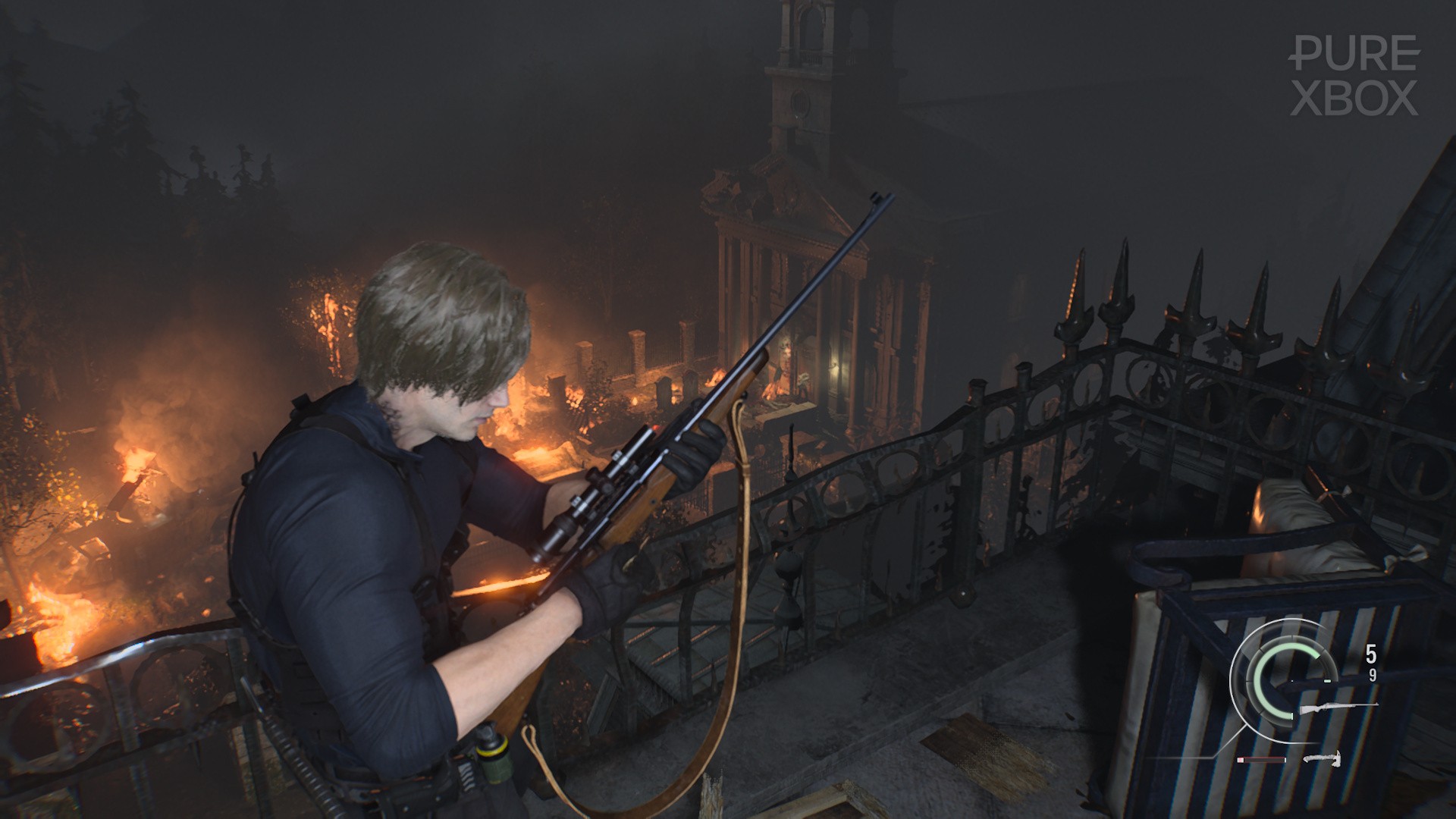
The release of Resident Evil Requiem represents a critical juncture for Capcom. Following the commercial and critical success of Resident Evil Village (2021) and the Resident Evil 4 Remake (2023), the ninth mainline entry was developed to bridge the gap between traditional atmospheric horror and modern action-oriented gameplay. Resident Evil Requiem utilizes an advanced iteration of the RE Engine, optimized for ninth-generation consoles and high-end PC hardware, featuring enhanced ray-tracing capabilities and near-instantaneous load times.
Industry analysts note that Capcom’s strategy with Requiem focuses on long-term engagement. Early reviews and staff hands-on reports indicate that the title incorporates a high degree of replayability through branching narratives and an expanded "Mercenaries" mode. Data from initial launch weeks suggest that the title is on track to match the sales velocity of its predecessors, which collectively helped the Resident Evil franchise surpass 150 million units sold worldwide as of late 2024. The emphasis on "modern RE" elements—specifically the first-person/third-person hybrid camera options and intricate environmental puzzles—has solidified the game’s position as a flagship title for 2026.
The Handheld Renaissance: Switch 2 and the ROG Ally X
The gaming landscape in early 2026 is increasingly defined by the portability of high-fidelity experiences. The Nintendo Switch 2, having established a significant market foothold since its launch, continues to be a primary device for both first-party exclusives and arcade-style ports. The continued popularity of titles such as Cruis’n Blast on the platform underscores a persistent consumer demand for "pick-up-and-play" experiences that do not sacrifice performance for portability.
In the PC-handheld sector, the Asus ROG Ally X has become a benchmark for mobile Windows-based gaming. The device’s integration with the Xbox ecosystem allows for seamless access to the Xbox Game Pass library, a feature that has become a primary driver for the hardware’s adoption. Industry reports suggest that the "handheld-first" mentality is influencing software development, with more developers optimizing UI and text scaling for 7-to-8-inch displays. The ability to play demanding titles like Resident Evil Requiem or engage with massive digital events like Steam Next Fest on a handheld device has fundamentally altered the traditional "couch-based" console cycle.
Steam Next Fest and the Indie Pipeline
February 2026 saw one of the largest Steam Next Fest events to date, featuring over 3,000 playable demos. This event has become a vital component of the industry’s marketing calendar, providing a platform for independent developers to gain visibility in an increasingly crowded market. For Xbox users, the event serves as a preview for upcoming Game Pass additions.
The scale of the 2026 festival highlights a broader trend: the democratization of game discovery. With over 3,000 titles vying for attention, developers are increasingly relying on limited-time demos to build "wishlist" momentum. Data indicates that games with a successful Next Fest presence see a 25% to 40% higher conversion rate upon full release. The synergy between Steam’s platform and portable PC hardware has allowed players to sample a vast quantity of content without being tethered to a desktop environment, further fueling the "backlog" culture of modern gaming.
Bungie’s Marathon and the Impact of Free Play Days
Bungie’s Marathon, a reimagining of the classic IP as a competitive extraction shooter, has entered a crucial phase of its lifecycle. By participating in Xbox’s Free Play Days (February 26 – March 1), Bungie and Microsoft have opened the gates to a wider audience to stress-test servers and gather player feedback. This move is seen as a strategic response to the competitive landscape of live-service shooters.
The extraction shooter genre has seen significant volatility over the past two years. Bungie’s entry into this space is backed by the company’s history of world-class gunplay and narrative depth, but the "Free Play Days" initiative is essential for maintaining a healthy concurrent player count. By allowing Xbox Game Pass Core and Ultimate members to access the game at no additional cost for a limited window, Microsoft is leveraging its subscription model to provide "instant communities" for high-stakes multiplayer titles.

Preservation and the Enduring Value of Backwards Compatibility
While 2026 is defined by new technology, there is a measurable trend toward the consumption of legacy content. Microsoft’s commitment to backwards compatibility remains a unique selling point for the Xbox ecosystem. Titles from the original Xbox and Xbox 360 eras, such as SSX 3 and Fable: Anniversary Edition, continue to see active play sessions.
The technical enhancements provided by the Xbox Series X|S—including Auto HDR, FPS Boost, and increased resolution—have revitalized these older titles, making them palatable to modern audiences. This "legacy engagement" serves two purposes: it provides a cost-effective way for players to bridge gaps between major releases and reinforces the value of a digital library that spans decades. For franchises like Fable, the continued play of older entries helps maintain brand awareness ahead of new series installments.
Chronology of Key Events: February – March 2026
- February 15, 2026: Capcom releases Resident Evil Requiem to global markets, supported by a day-one patch optimizing performance for handheld PC devices.
- February 19, 2026: Valve Corporation kicks off Steam Next Fest, breaking previous records with 3,200 unique demos available for download.
- February 24, 2026: Nintendo announces a software update for the Switch 2, improving backward compatibility and eShop navigation.
- February 26, 2026: Xbox Free Play Days begin, featuring Bungie’s Marathon alongside five other titles, aiming to increase the player base for the burgeoning extraction shooter.
- March 1, 2026: Conclusion of the February gaming window; analysts project a record-breaking month for digital software sales across both PC and console platforms.
Broader Industry Implications and Future Outlook
The current state of the gaming industry reflects a shift toward a multi-platform, hardware-agnostic future. The success of a major release like Resident Evil Requiem is no longer measured solely by physical disc sales or home console performance; it is measured by its adaptability to various form factors and its ability to maintain player interest over time.
Furthermore, the sheer volume of content available through events like Steam Next Fest suggests that "content discovery" is the next major hurdle for the industry. As the barrier to entry for game development lowers, the role of curated services—such as Xbox Game Pass and Steam’s algorithmic recommendations—becomes paramount.
Looking ahead to the remainder of 2026, the industry is expected to see further integration of cloud gaming and local hardware. The convergence of high-end graphical fidelity (as seen in RE Requiem) and extreme portability (as seen in the ROG Ally X and Switch 2) indicates that the traditional "console generations" are evolving into a continuous cycle of hardware iterations and software availability. For the consumer, this translates to more choice, greater accessibility, and a gaming landscape that thrives on both the cutting edge of innovation and the nostalgic roots of its past.