
A Legacy of Transformation: Phil Spencer’s Vision for Xbox
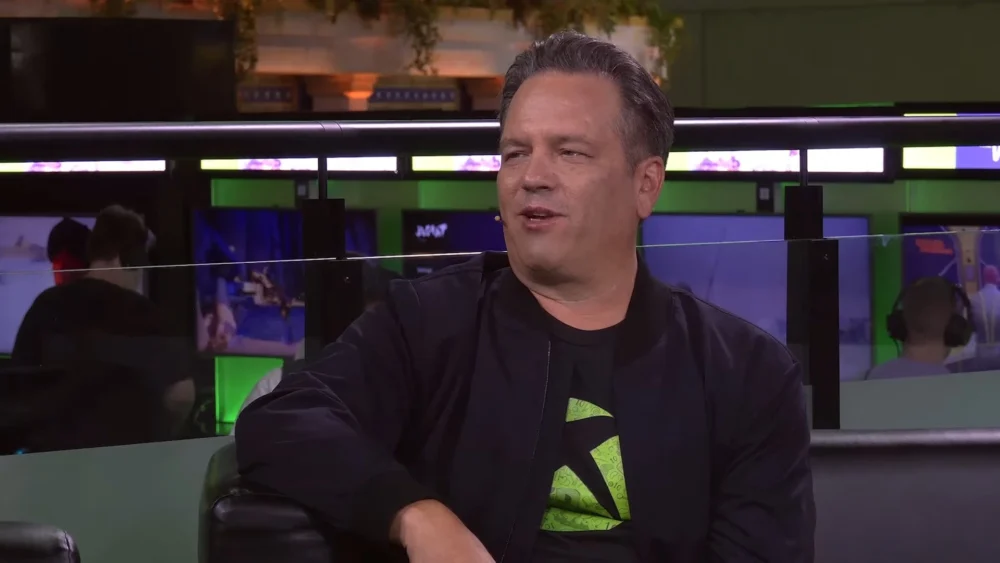
Phil Spencer’s journey to becoming one of the most recognizable and respected figures in the gaming industry began long before his elevation to Head of Xbox in 2014, and subsequently to CEO of Microsoft Gaming. Having joined Microsoft in 1988, Spencer ascended through various roles within the the company, eventually leading Microsoft Game Studios. His appointment to lead the Xbox division came at a critical juncture. The Xbox One, launched in 2013, faced significant headwinds, grappling with consumer backlash over initial policy decisions regarding always-on internet requirements and DRM, coupled with a perceived focus shift away from pure gaming. Market share was eroding, and the brand’s future seemed uncertain in the face of strong competition.
Spencer inherited a division in need of a fundamental philosophical reset. His immediate priority was to re-center Xbox around its core audience: the players. He championed transparency, engaging directly with the community through social media and public appearances, often admitting past missteps and outlining a clear, forward-looking vision. This approach quickly began to rebuild trust and redefine Xbox’s public image. He articulated a clear belief, often reiterated, that "gaming is a good thing for the planet," emphasizing its unique capacity to "build community and bring things together." This ethos would become the bedrock of his strategic decisions.
Under Spencer’s leadership, Xbox underwent a profound transformation from a console-centric business model to a multi-platform gaming ecosystem. This shift was not merely an incremental change but a radical redefinition of what Xbox could be, moving beyond the traditional hardware sales paradigm. The core tenets of this transformation included fostering a diverse content library, expanding accessibility, and embracing innovative service models.
Key Strategic Pillars and Innovations Under Spencer
The most defining innovation of Spencer’s tenure is arguably Xbox Game Pass. Launched in June 2017, Game Pass was initially met with cautious optimism but quickly grew into a monumental success, fundamentally altering the gaming landscape. Often dubbed the "Netflix of video games," it offered subscribers a rotating catalog of hundreds of games, including all first-party Xbox titles on day one of their release, for a monthly fee. This model proved immensely popular, attracting tens of millions of subscribers globally and significantly bolstering player engagement across the Xbox ecosystem, including PC. Game Pass not only provided incredible value to consumers but also served as a crucial strategic differentiator for Xbox, giving it a unique selling proposition against competitors who largely stuck to traditional game sales. Its success prompted rivals to explore similar subscription models, solidifying Game Pass’s status as a trailblazer.
Beyond subscription services, Spencer orchestrated an aggressive acquisition strategy to bolster Xbox’s first-party content offerings. Recognizing the importance of exclusive, high-quality games in a competitive market, he oversaw the acquisition of numerous prominent game development studios. Notable acquisitions included Mojang Studios (creators of Minecraft) in 2014, significantly expanding Xbox’s reach into the global casual and creative gaming market. This was followed by a wave of acquisitions starting in 2018, bringing renowned studios like Obsidian Entertainment, Ninja Theory, inXile Entertainment, and Double Fine Productions into the Xbox Game Studios family.
The most impactful acquisitions, however, were ZeniMax Media (parent company of Bethesda Softworks) in 2020 for $7.5 billion, and the monumental acquisition of Activision Blizzard King in 2022 for nearly $69 billion. The Bethesda acquisition brought iconic franchises like The Elder Scrolls, Fallout, DOOM, and Starfield under the Xbox umbrella, significantly strengthening its RPG and action game portfolio. The Activision Blizzard King deal, a historic move that reshaped the industry, added behemoths like Call of Duty, Warcraft, Candy Crush, and Overwatch to Xbox’s content library, positioning Microsoft as one of the largest video game publishers in the world. These acquisitions were not merely about acquiring IP but about securing a steady pipeline of diverse, high-quality content for Game Pass and future Xbox platforms, solidifying Spencer’s long-term vision.

Spencer also championed cloud gaming, an initiative that manifested as Xbox Cloud Gaming (xCloud). His vision for xCloud was to democratize gaming, making it accessible on a multitude of devices beyond traditional consoles and PCs, including mobile phones and tablets. This initiative aimed to remove hardware barriers, allowing players to stream high-fidelity games over the internet, thereby expanding the potential audience for Xbox content globally. While still in its nascent stages compared to console gaming, xCloud represents a crucial part of Xbox’s future strategy, aligning with Microsoft’s broader cloud-first corporate philosophy.
Furthermore, Spencer emphasized cross-platform integration and player choice. Initiatives like Xbox Play Anywhere allowed players to buy a digital game once and play it on both Xbox consoles and Windows PCs. He also oversaw the development and launch of the Xbox Series X and Series S consoles in 2020, focusing on powerful hardware, backward compatibility, and an optimized ecosystem designed to support the growing Game Pass library and future innovations. His leadership fostered an environment where Xbox was willing to "take risks, learn from the things that work and the things that don’t work," a testament to his belief in constant evolution.
The Chronology of a Retirement
Discussions around Phil Spencer’s potential retirement have been circulating for some time, making the official announcement less of a sudden shock and more of a carefully managed transition. These conversations, often informal at first, began to surface publicly over the past year.
In January 2025, Spencer participated in an insightful interview with popular YouTuber Destin. During this discussion, Destin directly broached the topic of Spencer reaching retirement age within the next decade and inquired about his hopes for Xbox’s evolution during that period. Spencer’s response was notably reflective, offering a glimpse into his core philosophy. He expressed his enduring belief in gaming’s positive impact and his desire for Xbox to remain at the forefront of innovation. "I don’t want us to fall into ‘we do tomorrow what we did yesterday because it’s what we’ve always done’," Spencer stated emphatically. "I don’t want us to be afraid to innovate. Some of the things will work great, some of them won’t, but let’s stay nimble… let’s make sure that we stay as a team, a team that’s willing to take risks, learn from the things that work and the things that don’t work." This statement, in hindsight, serves as a powerful encapsulation of his leadership philosophy and a potential guiding principle for his successor.
Approximately six months after this interview, in mid-2025, a prominent industry leaker known as TheGhostofHope shared a rumor suggesting Spencer would retire following the launch of the next-generation Xbox console. This rumor, perhaps fueled by the increasing speculation around succession, prompted a swift and unequivocal denial from Microsoft. At the time, an official Xbox spokesperson stated that Spencer would not be retiring "anytime soon," a response intended to quell the speculation and reassure the community. This denial, however, ultimately proved to be a temporary measure, indicative of internal processes still underway rather than a definitive long-term commitment.
The official confirmation arrived on February 20, 2026, when Phil Spencer formally announced his retirement from his position as Microsoft Gaming CEO. This announcement, while anticipated by those privy to the industry’s inner workings, still marked a significant moment. Spencer indicated his intention to remain engaged until the summer months to facilitate a seamless transition for Asha Sharma, the incoming CEO. This extended handover period underscores the complexity of the role and the strategic importance of continuity for Microsoft’s vast gaming division, especially in the wake of its recent high-profile acquisitions. Spencer had previously mentioned, as far back as 2021, that Microsoft had been "pushing" him to consider succession planning for years, suggesting that this transition has been a carefully considered and long-term strategic decision within the company.
Asha Sharma: The Future of Microsoft Gaming
The appointment of Asha Sharma as the new Microsoft Gaming CEO signals a deliberate strategic direction for Xbox. Sharma brings a wealth of experience from within Microsoft, having served in critical leadership roles that directly intersect with the future of gaming. Prior to this promotion, she held the position of Corporate Vice President of Gaming at Microsoft, where she was deeply involved in the strategic development and operational aspects of Xbox’s various initiatives. Her previous roles also included significant leadership in Microsoft’s cloud services division, serving as Corporate Vice President of Gaming Cloud. This background positions her as a leader intimately familiar with the technological underpinnings of modern gaming and Microsoft’s broader cloud-centric corporate strategy.

Sharma’s expertise in cloud computing and large-scale service delivery suggests that Xbox’s future under her leadership will likely see a continued, perhaps even intensified, focus on subscription services, cloud gaming, and leveraging Microsoft’s extensive Azure infrastructure. Her appointment could indicate a strategic push towards further integration of gaming experiences across Microsoft’s diverse product ecosystem, expanding the reach of Xbox content beyond traditional gaming hardware. The emphasis on a smooth transition with Spencer’s continued involvement through the summer highlights the importance of institutional knowledge transfer and strategic continuity, ensuring that the ambitious projects initiated under Spencer, particularly those related to content expansion and cloud infrastructure, continue to thrive.
Broader Impact and Implications for the Gaming Industry
Phil Spencer’s retirement and Asha Sharma’s ascendancy carry significant implications for Xbox, Microsoft, and the wider gaming industry.
For Xbox’s Strategy: The immediate future will likely see a reinforcement of the strategies Spencer championed. Game Pass, cloud gaming, and the integration of acquired studios’ content will remain central. Sharma’s cloud background suggests potential acceleration in cloud gaming capabilities and further expansion of Game Pass to new platforms and markets. The challenge for Sharma will be to maintain the aggressive pace of innovation and content delivery while navigating an increasingly competitive landscape. Questions will arise about the appetite for further large-scale acquisitions, especially after the regulatory complexities surrounding the Activision Blizzard deal. Will the focus shift more towards organic growth and maximizing existing IP?
Industry Reactions and Analyst Perspectives: Industry analysts have largely lauded Spencer’s tenure, crediting him with saving and revitalizing the Xbox brand. His departure is seen as the end of an era marked by unprecedented growth and strategic transformation. Analysts will closely watch Sharma’s initial moves for signals regarding potential shifts in platform exclusivity policies, especially for newly acquired titles, and the future evolution of the Game Pass model. There’s an expectation that she will likely double down on the service-based approach, leveraging Microsoft’s technological strengths. The gaming community, while understanding of Spencer’s long and impactful career, will undoubtedly scrutinize every decision made by the new leadership, hoping for a continuation of the player-first philosophy.
Microsoft’s Broader Corporate Strategy: For Microsoft, Spencer’s departure signifies the maturation of its gaming division into a core pillar of its overall business. Gaming, under Spencer, grew from a console division into a multi-billion dollar segment that significantly contributes to Microsoft’s cloud and subscription revenue. Sharma’s leadership will be crucial in further embedding gaming within Microsoft’s larger ecosystem, potentially exploring synergies with AI, mixed reality, and other emerging technologies that align with Microsoft’s corporate vision. Satya Nadella, Microsoft’s CEO, has consistently emphasized the importance of gaming, and Sharma’s appointment reflects a commitment to a future where gaming plays an even more integrated role in the company’s growth strategy.
The Future of Innovation: Spencer’s parting words, "I don’t want us to be afraid to innovate," resonate as a powerful charge for the future. The gaming industry is perpetually in flux, driven by technological advancements and evolving consumer demands. For Xbox, remaining nimble means continuously experimenting with new business models, exploring novel ways to deliver content, and embracing emerging platforms. Under Sharma, the challenge will be to not only uphold Spencer’s legacy of innovation but to define the next frontier for Xbox, ensuring it remains a competitive and relevant force in an entertainment landscape that continues to blur the lines between traditional gaming, streaming, and social interaction. Her ability to navigate these complexities, while maintaining Spencer’s player-centric approach, will define the next chapter for Microsoft Gaming.