
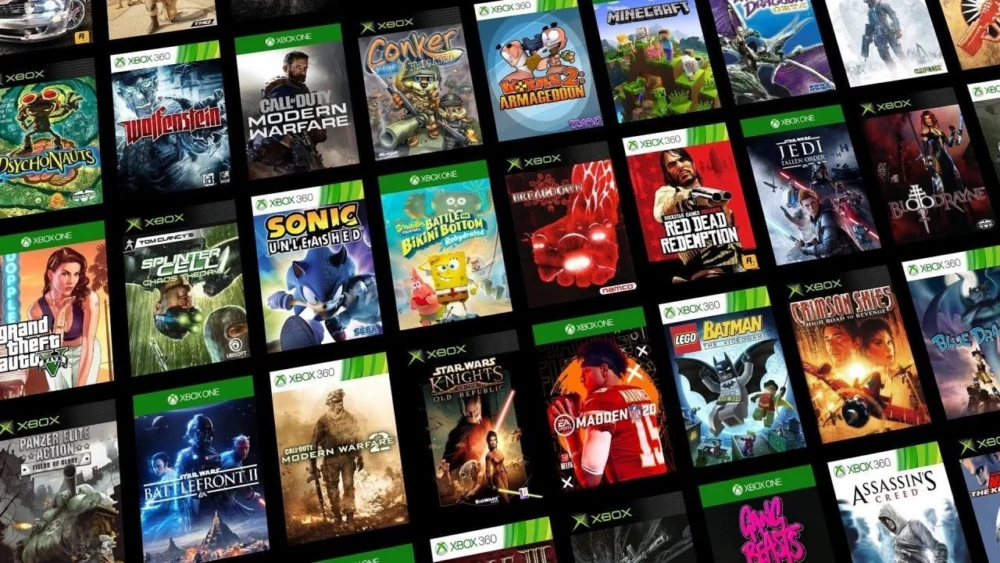
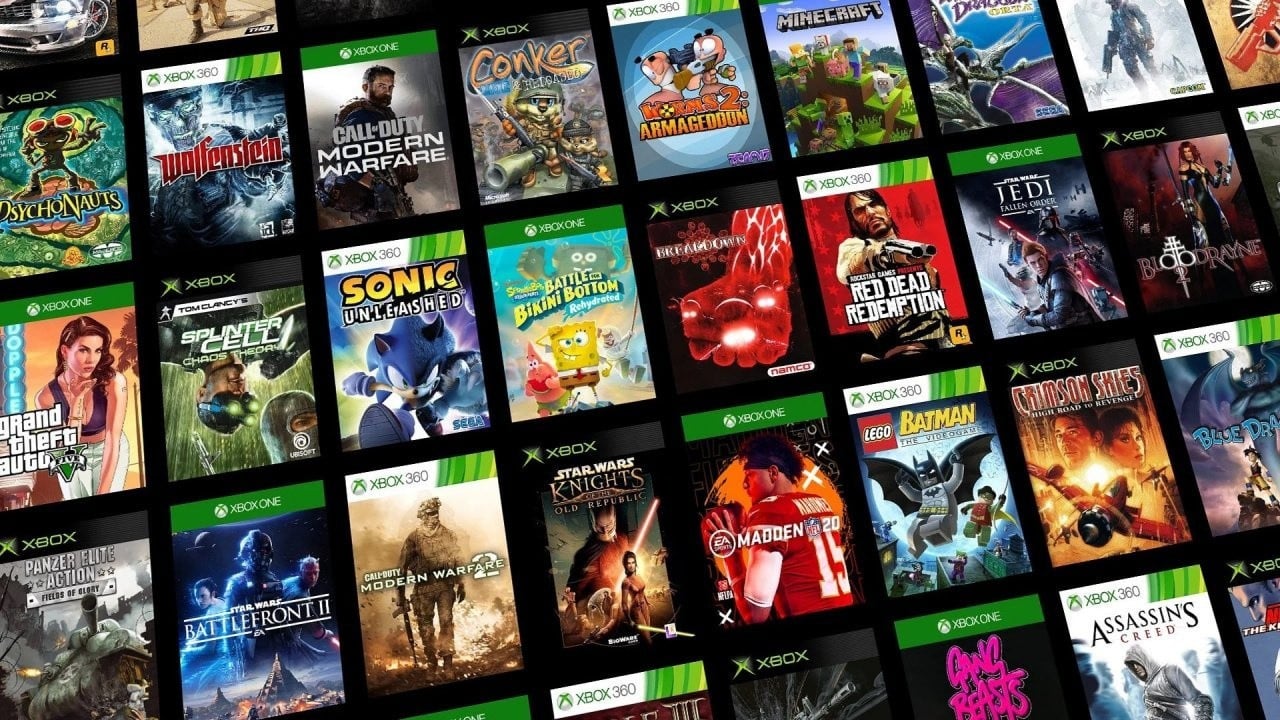
At the prestigious Game Developers Conference (GDC) 2026, Xbox unveiled a significant strategic initiative, confirming the revival of its highly celebrated backwards compatibility program. Jason Ronald, Xbox’s Vice President of Next Generation, announced during a keynote address that the company’s game preservation team is poised to release "iconic games from the past that are now going to be able to be played in entirely new ways," coinciding with Xbox’s 25th-anniversary celebrations later this year. While the specifics of these releases remain deliberately vague, the announcement has ignited widespread anticipation among the gaming community, signaling a renewed commitment from Microsoft to its extensive legacy of titles.
The Revival of a Core Program
Ronald’s declaration, made amidst a showcase of Microsoft’s historical contributions to the gaming landscape at their GDC booth, marks a pivotal moment for Xbox. For years, backwards compatibility has been a cornerstone of the Xbox ecosystem, allowing players to access and enjoy games from previous console generations on newer hardware. The program, which saw a significant slowdown in new additions in recent years, is now set for a resurgence. The phrase "entirely new ways" is particularly intriguing, prompting speculation about potential enhancements beyond mere playability. This could encompass anything from significant graphical overhauls and performance boosts—such as increased frame rates and higher resolutions—to the integration of modern features like Auto HDR, improved texture filtering, or even new control schemes adapted for contemporary hardware. The ambiguity, while generating excitement, also leaves room for diverse interpretations, ranging from new, previously unreleased titles joining the program to enhanced versions of games already compatible.
The context of the 25th anniversary in 2026 lends additional weight to this initiative. A quarter-century milestone is an opportune moment for a company to reflect on its heritage while simultaneously charting a course for the future. By emphasizing game preservation, Xbox is not only honoring its past but also reinforcing its brand identity as a platform committed to player choice and the longevity of its game library. This move is likely to be viewed as a gesture of goodwill to its long-standing fanbase and a strategic differentiator in an increasingly competitive industry.
Historical Context: Xbox’s Commitment to Preservation
Xbox’s journey with backwards compatibility began in earnest with the Xbox 360, which offered limited compatibility with original Xbox titles. However, it was with the Xbox One, and later the Xbox Series X|S, that the program truly flourished. Microsoft invested substantial engineering effort into creating robust emulation layers that allowed hundreds of Xbox 360 and original Xbox games to run on newer consoles, often with performance improvements like higher, more stable frame rates and improved visual fidelity. This commitment was lauded by players who appreciated the ability to carry their digital and disc-based libraries forward without needing to keep older hardware connected.
The program’s evolution saw it expand to include a curated list of "Xbox One X Enhanced" and later "FPS Boost" titles, which leveraged the power of newer consoles to deliver significantly upgraded experiences for older games, such as 4K resolution or 120 frames per second. This iterative approach demonstrated Microsoft’s dedication to not just making old games playable, but making them better. However, in late 2021, Xbox announced that it had reached the limits of its ability to add more games due to licensing, legal, and technical constraints, putting a temporary pause on new additions. This current announcement signals a breakthrough in those previous limitations, or at least a new strategic direction that circumvents them, opening up possibilities that were previously deemed unfeasible.
Decoding "Entirely New Ways to Play"
The phrase "entirely new ways to play" is the most captivating element of Ronald’s statement, suggesting a spectrum of possibilities beyond simple emulation. Industry analysts are speculating on several fronts:
- Advanced Visual and Performance Enhancements: This is the most anticipated aspect. Beyond standard FPS Boost and Auto HDR, "new ways" could imply more sophisticated upscaling techniques, AI-driven texture enhancement, or even limited ray tracing integration for select titles. Such advancements would truly revitalize classic games, making them visually competitive with some modern titles.
- Cross-Platform Accessibility: A significant component of the GDC announcement was the reveal of "Xbox Mode" for Windows 11, slated for an April rollout in select markets. This new mode promises to bring a "familiar Xbox experience" to PC while maintaining the flexibility of Windows. The connection between this PC initiative and the backwards compatibility revival is potent. It strongly suggests that these "iconic games" might not only be playable on Xbox consoles but also on Windows PCs, including handheld gaming devices like the ROG Ally. This would represent a major expansion of the backwards compatibility program, making legacy titles accessible to an even wider audience and unifying Microsoft’s gaming ecosystem.
- Cloud Gaming Integration: With Xbox Cloud Gaming (xCloud) becoming a more central part of the Xbox strategy, it’s plausible that some of these preserved titles could be optimized for cloud streaming, allowing players to access them on a multitude of devices without requiring powerful local hardware. This would truly be an "entirely new way" to experience older games, free from traditional hardware constraints.
- Modern Feature Integration: This could include enhanced accessibility options, streamlined online multiplayer for games that originally supported it, or even integration with modern Xbox Live features such as updated achievement systems or shared game saves across platforms.
- Re-releases vs. New Additions: While the community hopes for new additions to the backwards compatibility list (games that were never made compatible before), "entirely new ways" could also refer to existing compatible titles receiving further, more significant enhancements. Ronald’s wording "release some iconic games from the past that are now going to be able to be played in entirely new ways" could mean either bringing previously incompatible games into the fold or substantially upgrading already compatible ones. The gaming community’s "most wanted" lists often feature titles held back by licensing issues, and a successful resolution for even a few of these would be a major win.
The PC Connection: "Xbox Mode" for Windows 11
The concurrent announcement of "Xbox Mode" for Windows 11 is not merely coincidental; it hints at a deeply integrated strategy for Microsoft’s gaming future. "Starting in April, Xbox mode will begin rolling out to Windows in select markets," the company stated, emphasizing its goal to combine the "familiar Xbox experience" with the "flexibility and openness of Windows." This initiative, internally dubbed ‘Project Helix’ by some reports, suggests a dedicated gaming environment within Windows 11, potentially offering a streamlined user interface, optimized performance settings, and direct access to Xbox services like Game Pass, friends lists, and achievements, much like a console dashboard.
The strategic implication here is profound. If backwards compatibility extends to "Xbox Mode" on Windows 11, it could mean:
- Native Emulation on PC: Microsoft might be developing a robust, official emulation layer for older Xbox games directly integrated into Windows, bypassing the need for third-party solutions.
- Direct Ports/Remasters for PC: Select iconic titles could receive official PC ports or remasters, managed and distributed through the Xbox ecosystem on Windows.
- Cloud Streaming of Console BC Titles to PC: Older console-compatible games could be streamed via xCloud to Windows PCs, offering a seamless experience.
For handheld PC gaming devices like the ASUS ROG Ally or Valve’s Steam Deck, this integration would be revolutionary. It could effectively turn these powerful portables into "Xbox handhelds," capable of playing not only modern PC games and Game Pass titles but also a vast library of classic Xbox, Xbox 360, and potentially Xbox One games, officially supported and optimized by Microsoft. This move would significantly bolster Microsoft’s position in the burgeoning handheld gaming market and solidify its "play anywhere" philosophy.
Industry Landscape and Competitive Advantage
In the broader gaming industry, the approach to legacy content varies significantly among platform holders. Sony has primarily focused on a combination of remasters/remakes and its PlayStation Plus Premium subscription tier, which offers a curated selection of PS1, PS2, PSP, and PS3 games via streaming or download. Nintendo, similarly, relies on its Nintendo Switch Online subscription for access to NES, SNES, N64, Game Boy, and Game Boy Advance titles, alongside occasional remasters.

Xbox’s renewed focus on backwards compatibility, particularly if it includes significant enhancements and cross-platform PC integration, positions it uniquely. It emphasizes consumer choice, game preservation, and the inherent value of a player’s existing game library. This strategy can be a powerful differentiator, attracting players who value the longevity of their purchases and wish to revisit cherished classics without re-buying them or being confined to specific subscription tiers. It also speaks to a broader industry trend towards sustainability and the recognition of gaming’s rich history.
Community Anticipation and Developer Impact
The gaming community’s reaction to this news has been overwhelmingly positive, tempered only by the desire for more specific details. Forums and social media are abuzz with "wish lists" for games that fans hope will finally join the backwards compatibility program or receive significant enhancements. Titles frequently mentioned include those with complex licensing histories or technical challenges, such as certain racing games, licensed movie tie-ins, or cult classics.
For game developers, this initiative could have several implications. It reinforces the value of their back catalog, potentially opening new revenue streams for older titles through increased exposure and renewed interest. It might also encourage developers to consider backwards compatibility and future-proofing in their current development cycles, knowing that Microsoft is committed to preserving their work across generations. Furthermore, if "Xbox Mode" on PC facilitates easier porting or emulation, it could simplify the process of bringing classic console experiences to the vast PC market, expanding their reach without extensive redevelopment costs.
The Road Ahead: A Unified Ecosystem
The announcements at GDC 2026 paint a clear picture of Microsoft’s long-term vision: a unified gaming ecosystem where the lines between console, PC, and potentially cloud-based experiences are increasingly blurred. The revival of backwards compatibility, coupled with the introduction of "Xbox Mode" for Windows 11, underscores a strategy aimed at maximizing accessibility, player choice, and the enduring value of game libraries across multiple devices.
As the 25th anniversary of Xbox approaches later this year, the gaming world will be keenly watching for further details. The promise of "new ways" to play "iconic games" suggests more than just a simple re-release; it hints at a transformative approach to game preservation that could redefine how players interact with gaming history. The integration with Windows 11, particularly its potential impact on handheld PC gaming, represents a bold step towards an even more interconnected and versatile gaming future under the Xbox brand. This strategic move is not just about celebrating the past; it’s about leveraging that legacy to build a stronger, more inclusive, and more future-proof gaming platform.