
The digital landscape of video game distribution is once again highlighting its ephemeral nature as a significant wave of Xbox titles, including a recently released collection and several high-profile licensed games, are slated for delisting from the Xbox Store in February and March 2026. This development, which has seen its scope expand with recent updates, raises pertinent questions about game preservation, licensing complexities, and consumer access in an increasingly digital-first industry. Initially, concerns arose around server shutdowns and the delisting of Yakuza 3 Remastered in early February. However, subsequent announcements have dramatically broadened the list, drawing attention to titles like the Jurassic Park Classic Games Collection, DC’s Justice League: Cosmic Chaos, and the potentially affected Sociable Soccer 25, among others. The evolving situation underscores the dynamic and often unpredictable life cycle of digitally distributed content.
A Growing List of Departures: March 2026 Delistings Take Center Stage
The most recent update, issued on March 11th, 2026, has expanded the roster of games confirmed for removal in the same month. This latest wave includes titles that represent diverse genres and licensing arrangements, each facing unique circumstances leading to their impending disappearance from digital storefronts.
Leading the charge for the March 2026 removals is the Jurassic Park Classic Games Collection. Released as recently as 2023, this collection’s remarkably short digital shelf-life has become a focal point of concern for consumers and preservationists alike. The collection, which bundles together iconic titles from the franchise’s gaming history, is confirmed to be delisted across all platforms, including Xbox, by March 31st, 2026. This rapid removal, just over two years post-launch, is highly unusual for a game that isn’t an annual sports title or a service-based game that failed to find an audience. The primary driver is almost certainly the expiration of licensing agreements tied to the venerable Jurassic Park intellectual property, a common pitfall for games based on external media franchises. A brief, unexpected discount on the Xbox Store prior to its full price reversion offered a tantalizing, albeit short-lived, opportunity for players to acquire it. While there is unconfirmed speculation within the community that another price reduction might precede the final delisting date, the publisher has not made any official announcements regarding promotional sales plans. This situation exemplifies the challenges inherent in securing and maintaining long-term rights for licensed properties in the digital age, where agreements often have finite terms.
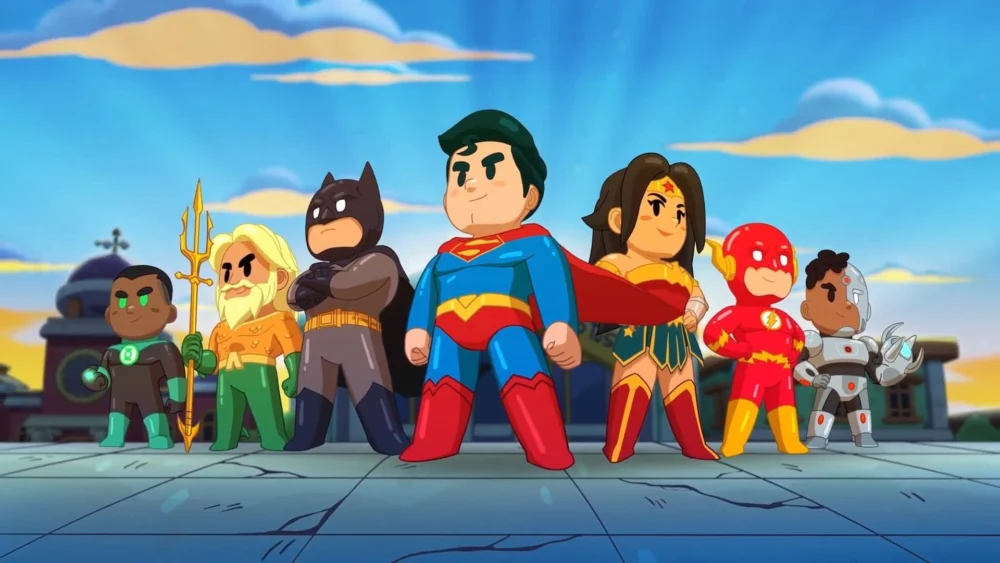
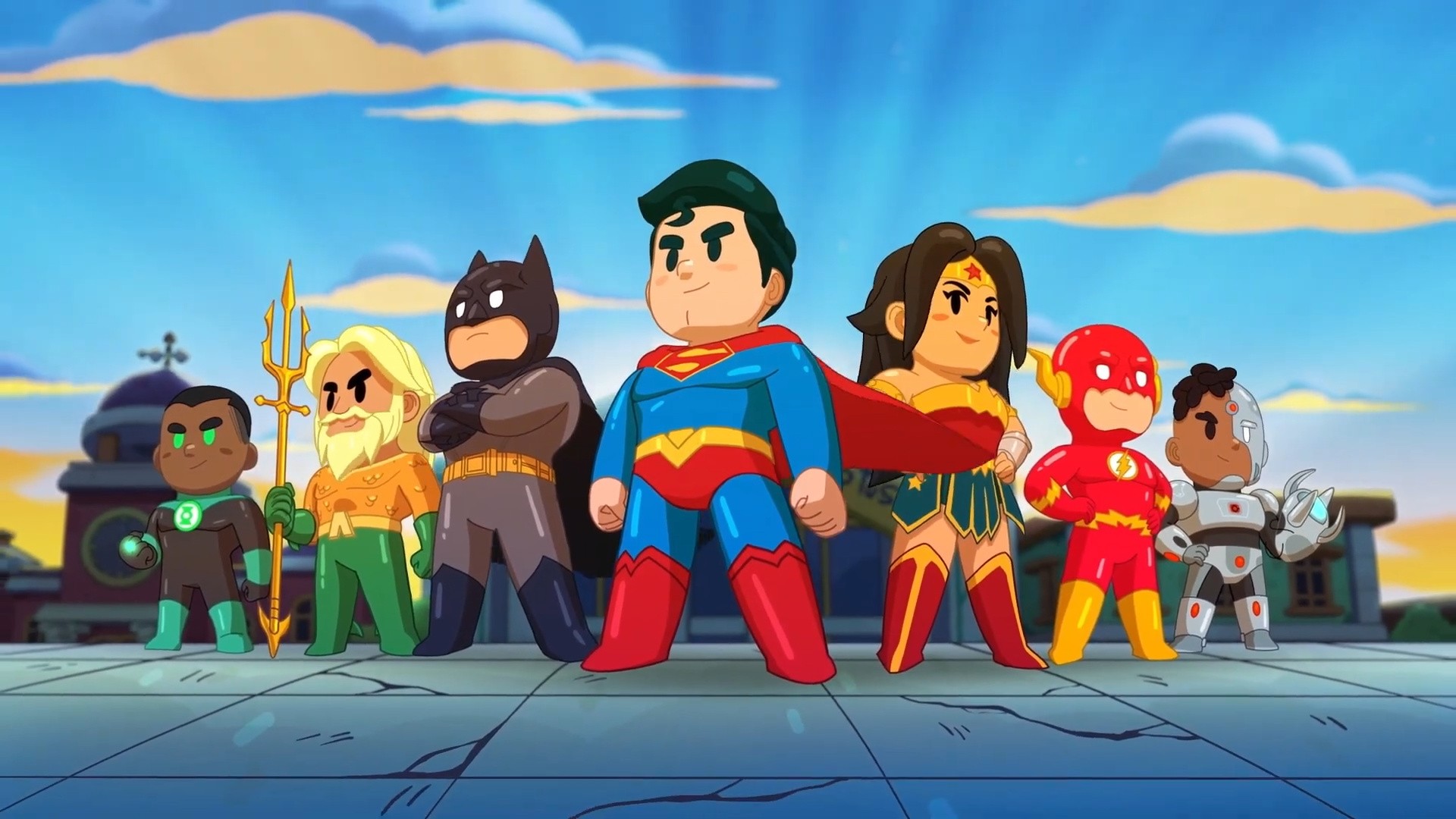
Also confirmed for a March departure, though without an exact date specified, is DC’s Justice League: Cosmic Chaos. Publisher Outright Games has indicated that the game will disappear from digital stores sometime within March 2026, citing the conclusion of its licensing agreement for the title. This action, communicated via a Steam post, highlights the precarious nature of games built on major comic book intellectual properties. The complexity of securing and renewing rights from conglomerates like Warner Bros. Discovery for their DC universe characters means that even popular titles can face an abrupt end to their digital availability if new agreements cannot be reached or are deemed economically unviable. For players, this means a limited window to purchase and download the game before it becomes inaccessible for new acquisitions.
A third title facing a potential March 2026 delisting, though with some lingering uncertainty for Xbox, is Sociable Soccer 25. This football simulation game was previously removed from sale on Steam and PlayStation platforms earlier in the year, with a January Steam post from the developer stating that the game had "reached the end of its lifecycle." Crucially, the post did not explicitly confirm if Xbox and Nintendo versions would be similarly affected. As of the March 11th update, the game remains available on these two platforms for the time being. However, the precedent set by its removal from other major digital storefronts strongly suggests that its availability on Xbox could also be nearing its conclusion. The phrase "end of its lifecycle" typically refers to a developer’s decision to cease support or distribution, often due to declining sales, reallocation of resources, or the inability to sustain ongoing development and server costs. The staggered delisting across platforms adds a layer of ambiguity for consumers, creating a sense of urgency for those on Xbox who might wish to secure a copy.
February and Earlier March Delistings: A Precursor to the Current Wave
The expanded list of March delistings builds upon earlier announcements concerning games slated for removal in February and the earlier part of March 2026. These initial delistings set the stage for the broader trend now observed.
One of the first titles to be flagged for removal was Yakuza 3 Remastered, which was delisted on February 12th, 2026. Unlike many other delistings driven by licensing or developer issues, this particular removal is a strategic move by publisher SEGA. It is directly tied to paving the way for the release of the anticipated Yakuza Kiwami 3 & Dark Ties. This mirrors a common practice in the industry where older versions of games, especially remasters, are retired to consolidate the market around a newer, enhanced iteration. While the standalone Yakuza 3 Remastered is no longer available for individual purchase, SEGA has ensured that the "Remastered" version remains accessible as part of the comprehensive Yakuza Complete Series Bundle. This approach allows dedicated fans to retain access to the original remaster while promoting the upcoming Kiwami release, which promises more extensive remakes rather than simple remasters.
Also set for disappearance in February were two titles from 2K Games: NBA 2K Playgrounds 2 and WWE 2K Battlegrounds. Both arcade-style sports titles were delisted on February 20th, 2026. The delisting of sports games is a well-established pattern within the industry, primarily driven by the finite nature of licensing agreements for athlete likenesses, team branding, music, and other associated intellectual properties. These agreements are often on an annual or multi-year basis, and once they expire, publishers typically remove the games from sale rather than renegotiate costly renewals for older titles. While the games are no longer purchasable, players who own them will still be able to enjoy online functionalities for a period, as their servers are scheduled to remain active until July 9th, 2026. This grace period for online play is a welcome concession for existing owners, offering a few more months of multiplayer engagement before the full cessation of services.
Finally, the cozy simulation game SunnySide, which launched in August 2024, faced an "imminent" removal from the Xbox Store without a specific delisting date. This delisting is particularly notable as it stems from a developer-initiated decision. The game’s developer openly stated that the Xbox version was "not in a state that we’re proud of" and that they were unable to "meaningfully update or improve it." This candid admission underscores the challenges faced by smaller development teams in porting and maintaining games across multiple platforms, especially when technical hurdles or resource constraints prevent them from delivering a polished experience. The decision to remove a product rather than leave a subpar version on the market, while potentially disappointing for some players, reflects a commitment to quality and transparency from the developer.
The Underlying Factors: Why Games Disappear from Digital Stores
The increasing frequency of game delistings highlights several core issues inherent in the digital distribution model. Understanding these factors is crucial for both consumers and industry observers.
1. Licensing Agreements: This is arguably the most common and impactful reason for delistings, particularly for games based on popular intellectual properties (IPs), sports franchises, or those featuring licensed music.
- Media IPs: Games like Jurassic Park Classic Games Collection and DC’s Justice League: Cosmic Chaos are directly tied to film, comic, or television properties. The rights to use these IPs are typically granted for a fixed term, and renewal can be expensive or simply not pursued if the game’s sales performance doesn’t justify the cost, or if the IP owner has other plans.
- Sports Licenses: Titles like NBA 2K Playgrounds 2 and WWE 2K Battlegrounds rely on agreements with leagues, player associations, and individual athletes. These are often annual or biennial, making older sports titles prime candidates for removal once the licenses expire.
- Music Licenses: Games featuring popular music often have licenses that expire, leading to either the removal of the game or updates that strip out the licensed tracks.
2. Developer/Publisher Decisions:
- End of Lifecycle: As seen with Sociable Soccer 25, developers or publishers may decide a game has reached the end of its commercial or operational lifecycle. This can be due to declining player counts, diminishing sales, or a strategic shift to newer projects.
- Quality Control: SunnySide‘s delisting is a rare but significant example of a developer choosing to remove a game due to dissatisfaction with its technical state and an inability to adequately support it. This demonstrates a commitment to brand integrity, even if it means pulling a product.
- Strategic Replacements: Yakuza 3 Remastered‘s removal in favor of a newer Kiwami version is a strategic business decision to streamline product offerings and focus marketing efforts on the latest iteration.
3. Technical Obsolescence and Server Costs: While not the primary factor for these specific delistings, older games can be delisted if they become technically incompatible with new operating systems or platform updates, or if the cost of maintaining dedicated servers for online play becomes prohibitive for a dwindling player base. This is often followed by a full server shutdown, as seen with the 2K sports titles.
The Broader Implications: Digital Preservation and Consumer Rights
These recurrent delistings fuel ongoing discussions about digital game preservation and the nature of "ownership" in the digital age. Unlike physical media, which offers a degree of permanence (barring disc degradation or console failure), digital titles can vanish from storefronts, rendering them inaccessible for future generations of players and potentially impacting current owners if they need to redownload the game.
Game Preservation: The removal of games, especially those based on major IPs or those with unique historical significance, poses a serious challenge to the effort of preserving video game history. When a game is delisted, it often means that new digital copies cannot be acquired, and if servers are shut down, certain aspects of the game may become unplayable even for existing owners. This can lead to a phenomenon known as "digital rot," where significant portions of gaming culture are lost to time. Institutions and non-profit organizations dedicated to game preservation frequently advocate for clearer policies and mechanisms to ensure long-term access to digital titles.
Consumer Ownership: The concept of "owning" a digital game is fundamentally different from owning a physical copy. When a player "buys" a digital game, they are typically purchasing a license to play the game, not the game itself. This license is subject to the terms and conditions set by the platform holder and publisher, which can include the right to remove the game from sale or terminate access. While existing owners usually retain the ability to download and play a delisted game (provided servers are still up and the platform supports it), the inability for new players to acquire it impacts the game’s longevity and cultural footprint. This raises questions about consumer rights and the long-term value of digital purchases.
Official Responses and Community Reactions (Inferred)
While official statements from publishers regarding delistings are often brief and legally precise, the underlying sentiment from various stakeholders can be inferred.
- Publishers (e.g., 2K, Outright Games, SEGA): Their statements typically focus on "licensing agreements concluded" or "end of lifecycle," which are standard corporate explanations. The primary motivation is usually financial: the cost of renewing licenses or maintaining older titles outweighs the revenue generated. In the case of Yakuza 3 Remastered, SEGA’s move is clearly a strategic business decision to promote a newer product.
- Developers (e.g., SunnySide developer): In cases like SunnySide, a developer’s public admission of dissatisfaction and inability to improve a product is rare and suggests a difficult decision driven by integrity and quality concerns.
- Xbox/Microsoft (as platform holder): While Microsoft facilitates these delistings, they generally defer to the publishers’ decisions. As a platform holder, their primary role is to enforce the agreements between publishers and themselves. They often emphasize backwards compatibility and Xbox Game Pass as mechanisms for game access, but these do not circumvent publisher-driven delistings.
- Gaming Community: The reaction from players is typically one of disappointment and frustration. There are often calls for significant discounts on games before their removal to give players a final chance to acquire them. The Jurassic Park Classic Games Collection‘s brief discount period, followed by its reversion to full price, likely fueled this sentiment, with many hoping for a final "fire sale." More broadly, these events reinforce calls for stronger digital preservation efforts and more transparent communication from publishers.
Looking Ahead: Navigating the Digital Future
The ongoing trend of delisted games serves as a stark reminder of the evolving nature of digital content. For consumers, it reinforces the importance of being aware of the transient nature of some digital purchases, especially those tied to licensed IPs. Recommendations often include purchasing games of interest promptly, particularly licensed titles, and considering physical media where available if long-term ownership is a priority.
For the industry, these events highlight the need for more sustainable models for digital content. This could involve exploring perpetual licensing agreements, establishing industry-wide digital archives, or developing clearer standards for communicating a game’s anticipated lifecycle at the point of sale. As gaming increasingly moves towards digital-only distribution, the challenges of preservation and long-term access will only become more pronounced. The delistings in early 2026, encompassing both new collections and established licensed titles, represent another chapter in this ongoing dialogue, urging both players and industry stakeholders to consider the future of game availability and the indelible mark it leaves on digital culture.