
A grassroots community effort to catalogue fan demand for classic Xbox and Xbox 360 titles, the Xbox Game Preservation website, has witnessed an extraordinary surge in participation, registering over 50,000 votes in a mere week. This exponential increase follows a pivotal announcement by Microsoft at the recent Game Developers Conference (GDC) signaling a renewed commitment to its acclaimed backwards compatibility program, slated for a "revival" in 2026. The development underscores a significant shift in player engagement, dramatically altering the landscape of most-requested titles and highlighting the enduring desire for access to gaming’s rich history.
The Genesis of a Movement and a Rapid Escalation
Just over a week prior to this explosive growth, the Xbox Game Preservation resource had been quietly accumulating approximately 5,000 votes, serving as a dedicated hub for players to express their preferences for legacy games. Its mission was clear: to track and publicly display the most-wanted backwards compatible additions from the extensive libraries of the original Xbox and Xbox 360 eras. The site functions as an unofficial, community-driven leaderboard, allowing users to cast votes for titles they wish to see made playable on modern Xbox consoles. While not directly affiliated with Microsoft, such initiatives often act as valuable barometers of consumer interest, providing data that can potentially inform official strategies.
The catalyst for the recent surge was Microsoft’s unexpected revelation at GDC, an annual gathering of game developers. During a presentation focused on the future of the Xbox ecosystem, company representatives confirmed that the beloved backwards compatibility program would see "some kind" of revival in 2026, coinciding with the 25th anniversary of the original Xbox console. This announcement, though deliberately vague in its specifics, ignited a fervor among the Xbox community. The immediate aftermath saw the voting figures on the Xbox Game Preservation website skyrocket, demonstrating the profound impact of official communication on fan engagement and collective action. The jump from approximately 5,000 votes to over 50,000 within seven days represents a tenfold increase, indicative of a deeply resonant demand within the player base.
A Dynamic Leaderboard: Shifting Fan Priorities
The dramatic influx of votes has not merely increased the total tally but has fundamentally reshaped the leaderboard of desired titles. Where previously games like The Simpsons: Hit & Run, Silent Hill 4: The Room, and Burnout 3: Takedown held the top three positions, the new landscape tells a different story. Currently, only The Simpsons: Hit & Run retains a spot within the top ten, having been displaced from its former high-ranking status. The top positions are now dominated by a new set of contenders, reflecting a concentrated effort by specific fan communities.
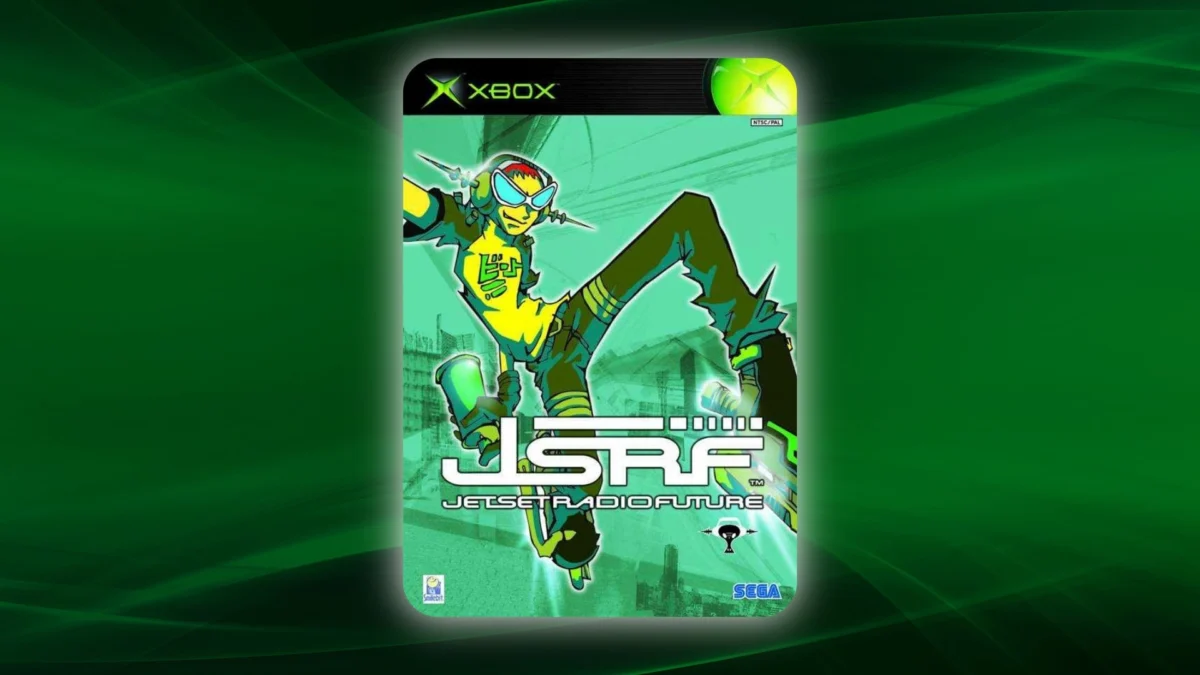
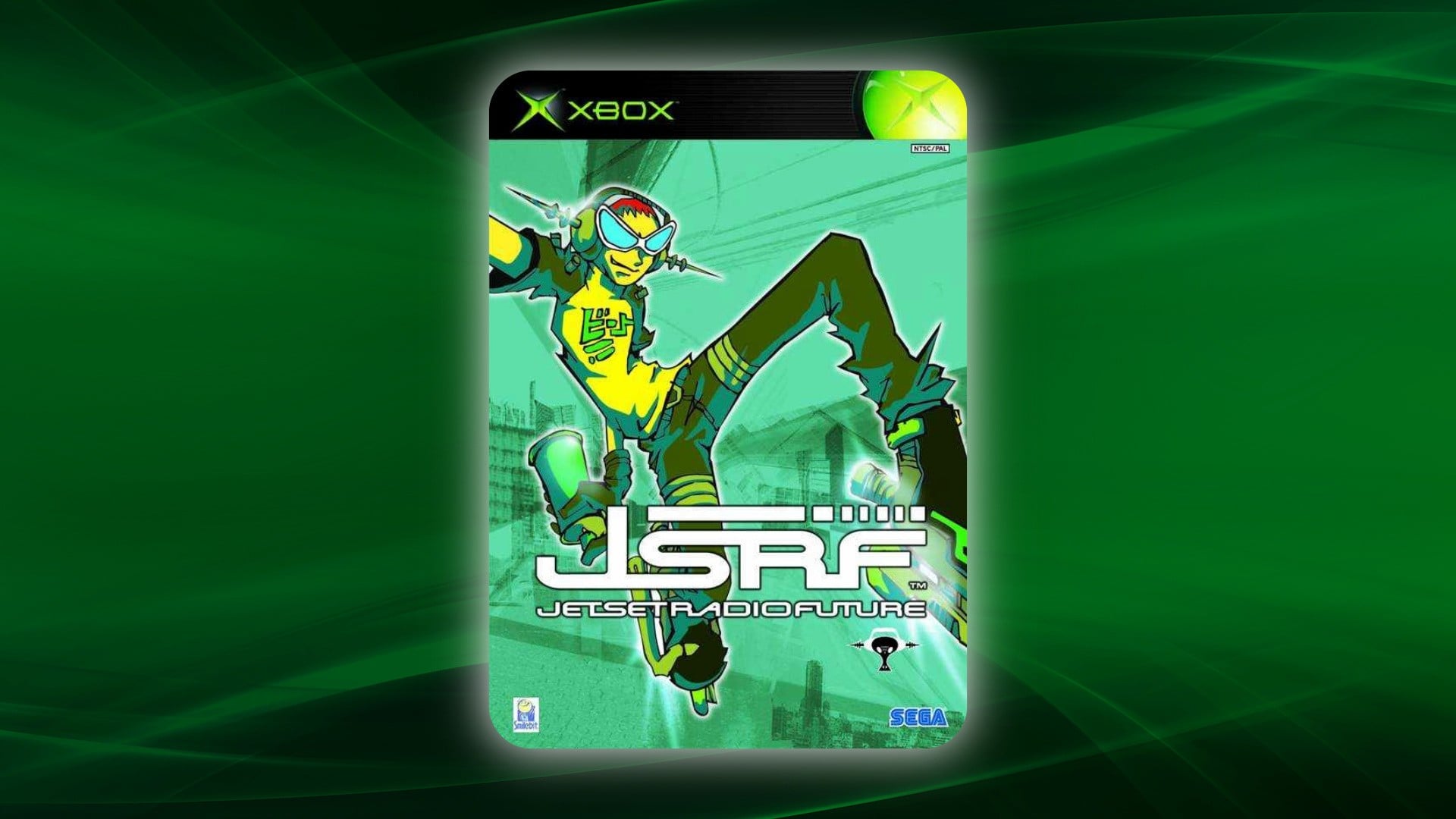
While the exact real-time list is constantly in flux due to ongoing voting, a notable trend has emerged: a strong showing for titles from the Sonic franchise. The collective passion of Sonic enthusiasts has propelled several games featuring the iconic blue hedgehog into prominent positions. For instance, Sonic Unleashed and Sonic Generations are now frequently observed near the apex of the leaderboard, demonstrating a clear desire for these particular entries to receive backwards compatibility support. Other high-ranking titles now include fan favorites such as Jet Set Radio Future, Ninja Gaiden Black, and Max Payne 3, each vying for the top spots and showcasing the diversity of genres and experiences players wish to revisit.
The shift is stark for many former high-fliers. Burnout 3: Takedown, once a top-tier request, has plummeted to approximately 19th place. Similarly, the critically acclaimed racing title Blur now sits around 27th, Def Jam: Fight for NY at 28th, and Silent Hill 4: The Room, a cult classic horror game, has fallen significantly to the 32nd position. These movements underscore how quickly and dramatically collective fan sentiment, when mobilized, can alter perceived priorities.
Beyond individual game titles, the Xbox Game Preservation site also tracks requests by franchise. In this category, the Skylanders series has emerged as a dominant force, accumulating a combined total of over 8,500 votes across its various Xbox 360 installments. This surprising level of demand for the "toys-to-life" franchise, which often presented unique technical challenges due to its physical peripheral integration, highlights a significant niche of players eager to revisit these titles. The discrepancy between Skylanders‘ high franchise vote count and the absence of individual Skylanders games in the overall top ten suggests that its votes are spread across multiple entries, indicating a broad and consistent demand for the entire series rather than a single standout title.
The Broader Context: Xbox’s History with Backwards Compatibility
Microsoft’s commitment to backwards compatibility has been a cornerstone of its Xbox strategy for several generations, setting it apart from competitors at various points. The original Xbox 360 offered limited backwards compatibility with original Xbox titles through software emulation, a technical feat for its time. However, it was with the launch of the Xbox One that the program truly gained momentum and widespread acclaim.
In 2015, Microsoft announced that the Xbox One would support backwards compatibility for a growing library of Xbox 360 games, a feature that was met with enthusiastic reception from players. This initiative expanded further with the launch of the Xbox Series X|S consoles, which not only retained compatibility with Xbox One, Xbox 360, and original Xbox titles but also introduced significant enhancements such as Auto HDR, FPS Boost, and improved resolution for many older games. The program allowed players to retain their digital and physical game libraries across console generations, fostering a sense of content ownership and value.
However, the active development of the backwards compatibility program, particularly the addition of new titles, effectively ceased in 2021 due to "legal and technical challenges." This hiatus left many fans disappointed, with a significant backlog of highly requested titles remaining unsupported. The GDC 2026 announcement, therefore, represents a potential rekindling of this cherished program, offering a beacon of hope for countless players who wish to access their favorite legacy games on modern hardware. It also aligns with Microsoft’s broader philosophy of "play anywhere," emphasizing accessibility of games across devices and generations, often facilitated through services like Xbox Game Pass.
Technical and Legal Complexities of Game Preservation
While the enthusiasm for backwards compatibility is palpable, the process of bringing older games to new platforms is fraught with technical and legal complexities. From a technical standpoint, ensuring seamless performance often requires significant engineering effort. Original Xbox and Xbox 360 games were designed for specific hardware architectures, and running them on vastly different modern systems typically necessitates sophisticated emulation layers. This involves recreating the original console’s environment in software, which can be resource-intensive and challenging to optimize for every game. Issues such as timing discrepancies, graphical glitches, or even outright crashes can arise, requiring individual testing and patching for each title. The success of features like FPS Boost and Auto HDR on current consoles demonstrates Microsoft’s advanced capabilities in this area, but extending these to a new wave of titles still demands considerable investment.
Beyond technical hurdles, legal considerations often pose the most significant obstacles. Securing the rights to re-release or make older games compatible can be an arduous process. Licensing agreements for music, intellectual property, and even specific technologies embedded within a game’s code often expire or become incredibly complex to renegotiate decades later. Publishers might no longer exist, studios might have been acquired multiple times, or the original creators might be difficult to trace. These factors frequently lead to situations where even highly desired games cannot be made backwards compatible, not due to lack of technical feasibility, but due to insurmountable legal red tape. The Skylanders franchise, with its intricate integration of physical toys and digital content, presents a particularly complex licensing challenge that underscores these difficulties.
The Role of Fan Feedback and its Potential Influence
The Xbox Game Preservation website, despite being an unofficial entity, serves as a powerful demonstration of collective fan voice. In an increasingly interconnected gaming landscape, platforms for community feedback and advocacy hold significant weight. While Microsoft maintains its own internal metrics and decision-making processes for backwards compatibility, the sheer volume and focus of votes on such a public platform cannot be entirely ignored. It provides clear, aggregated data on what players genuinely want to see preserved and made accessible.
Historically, fan campaigns and organized community efforts have, at times, influenced developer and publisher decisions. The renewed interest in Skylanders, for instance, might prompt Microsoft to investigate the feasibility of its revival, even if the individual games aren’t dominating the top ten. The data from Xbox Game Preservation offers a direct line of sight into player sentiment, potentially helping Microsoft prioritize titles where the technical and legal challenges might be more manageable, or where the return on investment in terms of player satisfaction is highest. It also provides a ready-made list of high-demand games that could be showcased if the 2026 revival extends to new console additions.
Implications and the Road to 2026
The GDC announcement and the subsequent explosion in fan engagement carry several key implications. Firstly, it reaffirms the enduring value players place on game preservation and access to their past gaming experiences. In an era dominated by live service games and new releases, the demand for legacy titles remains robust. Secondly, it highlights the power of targeted, community-driven initiatives in galvanizing player sentiment and providing actionable data.
However, it is crucial to temper expectations with the understanding that Microsoft’s GDC statement was deliberately broad. The phrase "some kind of revival" leaves considerable room for interpretation. As noted by analysts, the 2026 revival might not necessarily entail a flood of new console additions. It could, for example, focus on bringing existing backwards compatible games to PC platforms, thereby expanding their accessibility. Another possibility is the introduction of new technological features, similar to the highly successful Auto HDR and FPS Boost, that further enhance the performance and visual fidelity of existing backwards compatible titles. This would still be a significant step in preservation, even without new games being added to the console list.
Despite these caveats, the hope within the community for new console additions remains strong. The fervent voting activity on the Xbox Game Preservation site is a clear indicator of this desire. While there is no official guarantee, the historical precedent of Microsoft listening to its community, coupled with the strategic importance of a deep and accessible game library, suggests that a few highly requested console additions might indeed be in the pipeline for 2026. The journey to the 25th anniversary of Xbox promises to be an interesting one, with the fan community’s voice playing an increasingly visible role in shaping its direction.
The Xbox Game Preservation resource has quickly cemented its status as a central, unofficial hub for fan requests regarding backwards compatibility. Its evolving leaderboard offers a fascinating real-time glimpse into the collective desires of the Xbox community, serving as a powerful testament to the enduring appeal of classic games and the unwavering commitment of players to their preservation. The ball is now firmly in Microsoft’s court, with the world watching to see how they will respond to this clear and resounding call from their dedicated fanbase.