
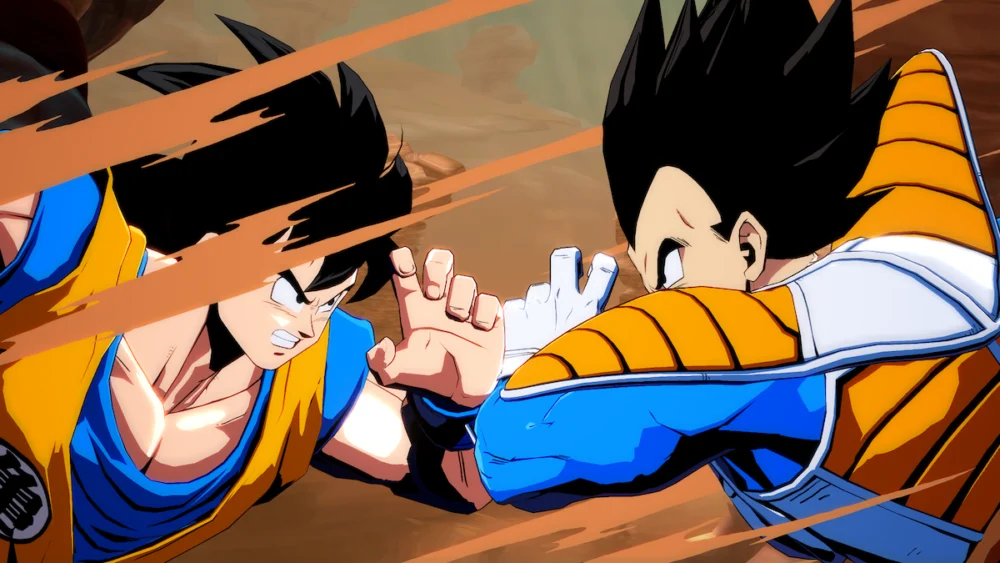
Xbox Game Pass users are currently leveraging what appears to be an unintended system interaction within the Xbox ecosystem to acquire permanent digital licenses for Dragon Ball FighterZ, a critically acclaimed fighting game developed by Arc System Works, without direct purchase. This unexpected development, emerging during a limited-time "Free Play Days" promotion, has allowed numerous players to add both the Xbox One and the recently released Xbox Series X|S versions of the title to their permanent game libraries, sparking considerable discussion within the gaming community regarding digital rights management, platform security, and the ethics of exploiting system glitches.
The Unfolding Discovery
The loophole gained widespread attention following a post by Twitter user @Wario64, a prominent account known for tracking and sharing video game deals and discounts. On March 1, 2024, @Wario64 alerted his substantial following to a method allowing active Xbox Game Pass subscribers to convert temporary access to Dragon Ball FighterZ into permanent ownership. Initially, the post was met with a degree of skepticism in the comments section, with some users reporting difficulty replicating the exploit. However, subsequent confirmations from a growing number of gamers quickly solidified its validity, confirming that the workaround was indeed functional for many. This rapid dissemination across social media platforms highlighted the community’s keen interest in securing high-value titles, particularly one as popular and enduring as Dragon Ball FighterZ, for free.
Deconstructing the Digital Exploit
The mechanism behind this unintentional acquisition is surprisingly straightforward, relying on the interplay between Xbox’s "Free Play Days" promotion and its "Smart Delivery" or cross-generation upgrade system. For active subscribers to Xbox Game Pass, the Xbox One version of Dragon Ball FighterZ was made available for free download as part of a limited-time "Free Play Days" event, which commenced on February 29, 2024, and was scheduled to conclude on March 2, 2024, at 11:59 PM PST. Typically, games accessed via "Free Play Days" revert to their original purchasable status once the promotional period ends, with players losing access unless they opt to buy the full game.
However, in this specific instance, a critical deviation occurred. After successfully downloading and launching the Xbox One version of Dragon Ball FighterZ through the "Free Play Days" promotion, players encountered an in-game menu prompt offering an upgrade to the enhanced Xbox Series X|S version. This next-generation update for Dragon Ball FighterZ, which introduces improved graphics, faster loading times, and rollback netcode, was officially released on February 29, 2024, the same day the "Free Play Days" event began. Selecting this upgrade option, rather than simply applying a temporary enhancement, appeared to trigger a permanent licensing acquisition within the Xbox Store’s backend. Consequently, both the Xbox One and Xbox Series X|S versions of Dragon Ball FighterZ were added to the player’s permanent "owned games" library, allowing indefinite access even after the "Free Play Days" promotion concludes.
This particular interaction points to a potential flaw in how the Xbox Store’s digital rights management system registers ownership when a temporary license (from Free Play Days) interacts with a permanent upgrade path (for the next-gen version). It suggests that the system may interpret the act of "upgrading" as an implicit "purchase" or grant of a full license, overriding the temporary nature of the initial access.
A Brief History of Dragon Ball FighterZ and its Impact
Dragon Ball FighterZ, developed by Arc System Works and published by Bandai Namco Entertainment, made its debut in January 2018. From its release, the game garnered critical acclaim, largely due to its stunning anime-accurate visuals, engaging combat mechanics, and accessibility for newcomers to the fighting game genre, while still offering depth for seasoned veterans. Its Metacritic score consistently ranged in the high 80s to low 90s across platforms, a testament to its quality.
Commercially, the game was a resounding success, selling over 2 million copies within its first week and going on to surpass 8 million units worldwide by 2021. Its popularity significantly boosted the global fighting game community (FGC), drawing in countless new players attracted by the beloved Dragon Ball franchise. FighterZ quickly became a staple at major esports tournaments, including the prestigious Evolution Championship Series (EVO), solidifying its position as one of the most important fighting games of the generation. Its influence extended beyond sales, introducing a new standard for visual fidelity in 2D fighting games and demonstrating the potential for licensed titles to achieve competitive excellence. The recent release of its Xbox Series X|S and PlayStation 5 versions, complete with long-awaited rollback netcode, aimed to further extend its lifespan and appeal to a new wave of players and competitive enthusiasts.
Xbox Game Pass and the "Free Play Days" Model
Xbox Game Pass, Microsoft’s flagship subscription service, has redefined how many players access games since its launch in June 2017. Offering a rotating catalog of hundreds of titles, including first-party Xbox exclusives on day one, it has amassed over 34 million subscribers globally as of early 2024. The service operates on a "Netflix for games" model, providing immense value by allowing subscribers to download and play games for a monthly fee.
"Free Play Days" are a regular feature of the Xbox ecosystem, typically offered to Xbox Game Pass Ultimate and Xbox Live Gold subscribers. These promotions allow players to download and experience select full games for a limited period, usually a weekend. The primary purpose of "Free Play Days" is to entice players to try a game they might not otherwise consider, with the hope that they will enjoy it enough to purchase the title outright once the free period concludes. This model serves as a marketing tool, driving sales for publishers and potentially boosting engagement within the Xbox ecosystem. The current Dragon Ball FighterZ situation deviates sharply from this established norm, transforming a promotional trial into an unexpected permanent giveaway.
Community Reaction and Verification
The reaction from the gaming community has been a mix of excitement, disbelief, and ethical debate. Upon the initial discovery, many players rushed to their Xbox consoles or the Xbox app to verify the loophole for themselves. Social media platforms, particularly Twitter and Reddit, became hubs for sharing success stories, troubleshooting tips for those encountering issues, and confirming the exploit’s continued functionality. Screenshots and video clips demonstrating Dragon Ball FighterZ appearing in "owned games" libraries even after the "Free Play Days" period had technically ended for some time zones, served as compelling evidence.
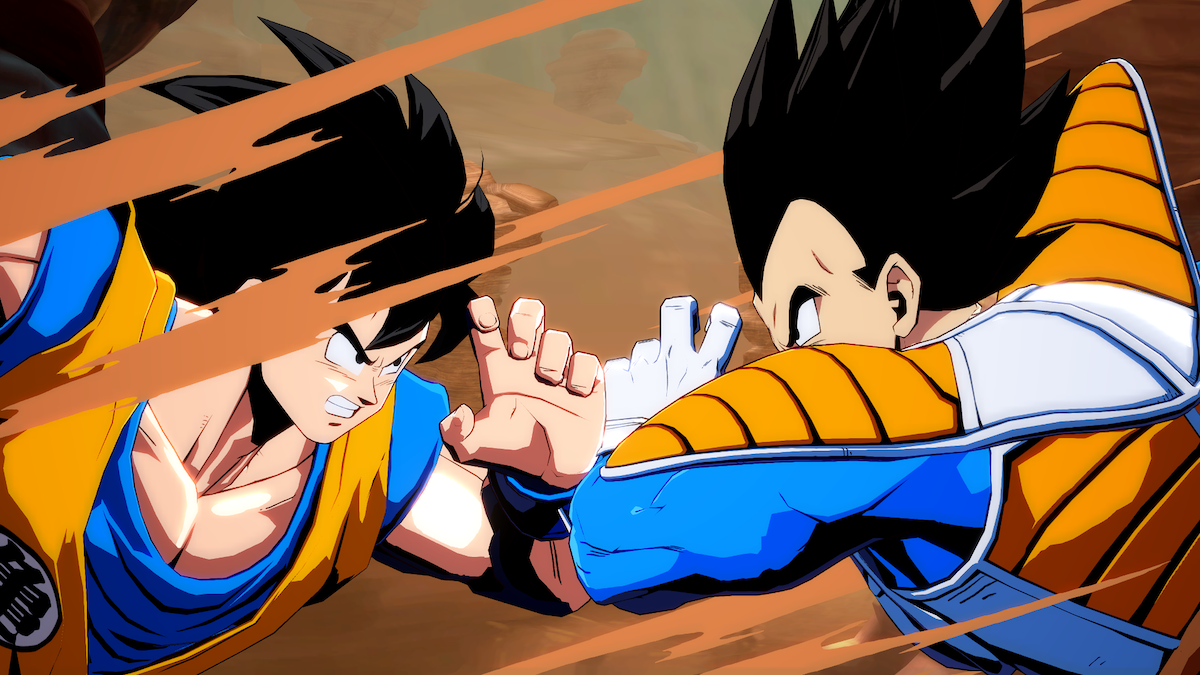
While the majority of reactions expressed delight at acquiring a high-value game for free, a subset of the community engaged in discussions about the morality of exploiting such a glitch. Some argued that it was merely taking advantage of a system oversight, a "gift" from Microsoft’s technical team, while others expressed concern that such actions could lead to stricter digital rights management or even potential account repercussions, though the latter remains highly speculative and unprecedented for this type of exploit. The rapid spread of information underscored the power of online gaming communities in both uncovering and disseminating such findings.
Silence from Microsoft and Arc System Works
As of the conclusion of the "Free Play Days" promotion and the widespread confirmation of the loophole, neither Microsoft, the platform holder, nor Arc System Works, the game’s developer, nor Bandai Namco, its publisher, has issued any official statement acknowledging the exploit. This silence is notable, particularly given the high profile of Dragon Ball FighterZ and the potential implications for their digital storefront and revenue.
Several scenarios could explain this lack of official commentary. It is plausible that both entities are actively investigating the technical root cause of the loophole, a process that can take time to fully understand and address. Publicly acknowledging an exploit before having a clear solution could create further complications or encourage more users to attempt it. Another possibility is that the impact is deemed minor enough not to warrant an immediate public response, or that they are internally deliberating on the best course of action—whether to patch the loophole silently, revoke licenses from those who acquired the game this way, or simply allow it to stand. Given the short window of the "Free Play Days" and the swift spread of the exploit, it is unlikely that they were entirely unaware, suggesting a calculated decision to remain silent, at least temporarily. Historically, platform holders have varied responses to such incidents, from quietly patching and leaving acquired games untouched, to revoking licenses in more egregious cases of fraud.
Analysis of the Implications: Economic and Technical
The implications of this Dragon Ball FighterZ loophole are multifaceted, touching upon economic, technical, and potentially ethical considerations.
Economic Implications:
For Microsoft and Arc System Works/Bandai Namco, the primary economic concern is potential lost sales. Every player who permanently acquires Dragon Ball FighterZ through this loophole is a player who will not purchase the game at its retail price. While it’s difficult to quantify the exact financial impact without knowing how many Game Pass subscribers would have bought the game otherwise, the numbers could be substantial given the game’s popularity and the large Game Pass subscriber base. On the other hand, it could also be argued that these are players who might never have purchased the game anyway, and now have an incentive to engage with the Dragon Ball FighterZ ecosystem, potentially leading to future DLC purchases or increased player engagement metrics. The next-gen update for FighterZ was specifically designed to revitalize the player base, and this loophole, while unintended, certainly achieved widespread re-engagement.
Technical Implications:
From a technical standpoint, the exploit highlights a vulnerability in the Xbox Store’s digital rights management and its integration with promotional access and upgrade paths. The "Smart Delivery" system, designed to seamlessly provide players with the best version of a game across Xbox generations, appears to have inadvertently created a pathway for unintended ownership. Microsoft will likely need to investigate and patch this specific interaction to prevent similar loopholes from occurring in future "Free Play Days" or cross-gen promotions. The incident underscores the complexity of managing digital licenses across various promotional models and hardware generations.
Ethical Considerations and Player Uncertainty
The ethical dimensions of exploiting such a loophole are a subject of ongoing debate within the gaming community. While some argue that it is merely taking advantage of a system’s flaw, akin to finding a glitch in a game, others contend that it skirts the intended purchase model and could be viewed as a form of "digital theft" by rights holders. Most players, however, likely view it as a harmless exploit that benefits them without directly harming another player.
A significant concern for players who acquired the game through this method is the uncertainty surrounding the long-term access to their "owned" copies. Will Microsoft eventually revoke these licenses, perhaps quietly or with a public announcement? While such actions are rare for minor exploits, they are not unprecedented, particularly if the scale of the exploit is deemed significant. The precedent for such revocations is typically set by the severity and nature of the exploit, as well as the platform holder’s internal policies. For now, players are left wondering if their newly acquired digital assets are truly permanent or merely on borrowed time.
Looking Ahead: The Future of Acquired Licenses
The situation surrounding Dragon Ball FighterZ and the Xbox Game Pass loophole remains dynamic. The immediate aftermath of the "Free Play Days" promotion will be crucial in determining Microsoft’s response. Players who successfully acquired the game will be closely monitoring their libraries for any changes.
If Microsoft chooses to remain silent and not revoke licenses, it could set a precedent for similar situations in the future, encouraging users to actively seek out and exploit such technical oversights. Conversely, if licenses are revoked, it could lead to player dissatisfaction and questions about the reliability of digital ownership, even if the initial acquisition was unintended.
Ultimately, this incident serves as a fascinating case study in the evolving landscape of digital game distribution, subscription services, and the constant interplay between platform design and user behavior. The coming days and weeks will reveal whether this Dragon Ball FighterZ loophole becomes a memorable anecdote of a digital "freebie" or a catalyst for changes in how platform holders manage their promotional content and digital rights.