
Microsoft has officially announced the upcoming departure of six titles from its Xbox Game Pass subscription service in early March 2026, marking another routine refresh of the platform’s extensive library. Subscribers have been notified through the official Xbox mobile app, where these games are now highlighted under the "leaving soon" category, signaling their imminent removal by March 15, 2026. This content rotation includes a mix of genres and publishers, ranging from acclaimed indie roguelikes to annual sports simulations and even a title that saw a remarkably short tenure on the service.
The Departing Lineup: A Closer Look at Each Title
The six games slated for removal represent a diverse cross-section of the Game Pass catalog, each with its own fan base and significance within the gaming community. While Microsoft continually adds new titles to maintain the service’s appeal, these scheduled exits prompt subscribers to either complete their playthroughs or consider purchasing the games at a discount before they become unavailable through the subscription.
-
Bratz: Rhythm & Style (Console, PC, Cloud): Perhaps the most intriguing entry on the departure list is Bratz: Rhythm & Style. This rhythm-based adventure game, targeting a younger demographic, only joined Xbox Game Pass in December 2025. Its inclusion on the "leaving soon" list just a few months later raises questions regarding the nature of its licensing agreement or potential administrative error. Such a rapid ingress and egress is atypical for Game Pass titles, which usually remain on the service for at least six months, if not significantly longer. Developed by Petoons Studio and published by Outright Games, this title’s brief appearance on the service could indicate a very short-term promotional deal or an anomaly that Xbox might address if it proves to be an error. For fans of the Bratz franchise or casual rhythm game enthusiasts, its fleeting presence underscores the dynamic, often unpredictable nature of subscription library management.
-
Enter The Gungeon (Console, PC, Cloud): A critically acclaimed bullet-hell roguelike, Enter The Gungeon by Dodge Roll and Devolver Digital has been a staple for many Game Pass subscribers since its arrival. Known for its challenging gameplay, intricate level design, and vast arsenal of eccentric weapons, it has garnered a loyal following. Its departure marks a significant loss for those who appreciate deep, replayable indie experiences. Roguelikes, by their very nature, offer hundreds of hours of content, making them ideal for subscription services. The removal of Enter The Gungeon will undoubtedly be felt by players who might have been slowly chipping away at its formidable challenges or those who frequently revisit its procedurally generated dungeons. Its consistent presence has offered a high-quality, high-value option for subscribers seeking an engaging and often humorous challenge.
-
F1 23 (EA Play – Console, PC, Cloud): As an older iteration of the annual Formula 1 racing simulation series, F1 23 falls under the EA Play umbrella, which is bundled with Xbox Game Pass Ultimate. Developed by Codemasters and published by Electronic Arts, these sports titles typically have a finite lifespan on subscription services, often being replaced by their newer counterparts. With F1 24 likely on the horizon or already released by March 2026, the removal of F1 23 aligns with EA’s strategy of encouraging players to transition to the latest iteration for updated rosters, tracks, and features. While not a "major" loss in terms of unique content, its departure signifies the natural progression of sports franchises within a subscription model, where freshness and the latest updates are paramount. It provided a robust and realistic racing experience for fans of motorsports, allowing them to experience the previous season’s thrills.
-
He Is Coming (PC): This title, specified only for PC, indicates a more niche offering within the Game Pass library. Without further context, He Is Coming likely represents an independent game that found its audience primarily through the PC segment of Game Pass. The PC Game Pass library often features a broader array of indie and experimental titles compared to its console counterpart, catering to diverse gaming preferences. The departure of PC-exclusive titles, while perhaps less impactful on the broader console subscriber base, can still affect specific communities that gravitated towards its unique premise or gameplay. It underscores the dual nature of Game Pass, offering tailored libraries for different platforms.
-
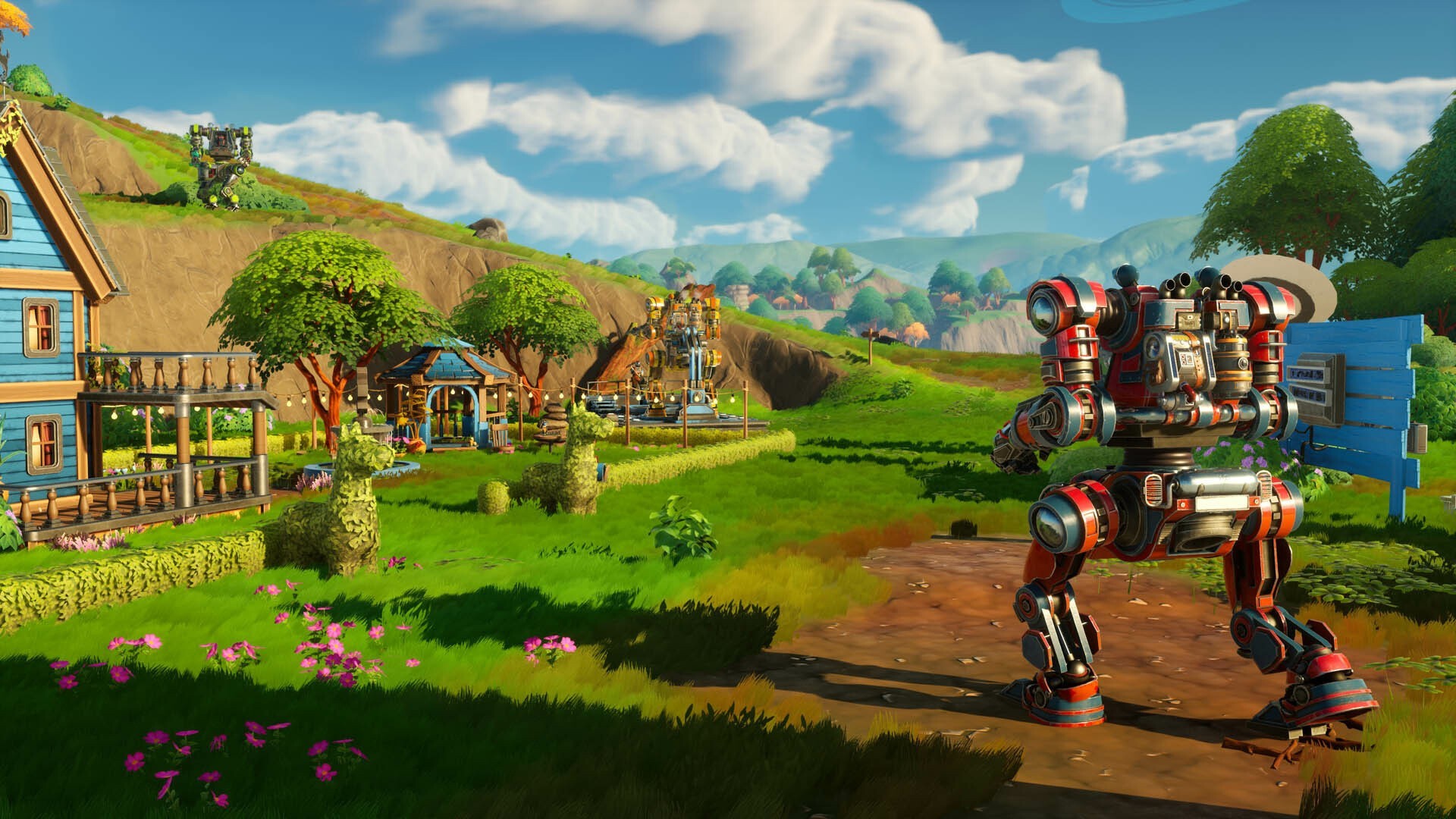
Lightyear Frontier (Console, PC, Cloud): A newer entry to the Game Pass catalog, Lightyear Frontier is an open-world farming exploration game with a unique sci-fi twist. Having joined the service recently, its departure relatively quickly after its debut is noteworthy, especially for a title that might still be in an early access phase or relatively new to the market. Games that launch directly into Game Pass often enjoy extended periods on the service, leveraging the platform for maximum exposure. Its exit could indicate a strategic decision by the developers or publisher, or a limited-time promotional agreement. For players who enjoy relaxing, creative games with exploration and base-building elements, Lightyear Frontier offered a refreshing experience, and its departure may prompt those still exploring its alien world to consider a purchase.
-
Mythwrecked: Ambrosia Island (Console, PC, Cloud): This cozy adventure game, set on an island inhabited by forgotten gods, offers a narrative-driven experience focused on friendship and discovery. As an indie title, Mythwrecked: Ambrosia Island likely benefited significantly from its presence on Game Pass, gaining visibility among a broad audience. The service frequently highlights unique indie gems, providing a platform for smaller studios to reach millions of potential players. Its departure, while part of the routine cycle, means subscribers will lose access to its charming world and engaging story, potentially encouraging those who enjoyed its premise to acquire it permanently.
The Dynamics of Game Pass Content Rotation: Licensing and Strategy
The regular ebb and flow of games on Xbox Game Pass is a fundamental aspect of its operational model. This dynamic library is governed primarily by licensing agreements between Microsoft and game publishers/developers. These agreements typically have a fixed duration, ranging from several months to a few years, after which they expire.
-
Licensing Agreements: The most common reason for games leaving Game Pass is the expiration of these licensing deals. Microsoft pays a fee to publishers for the right to include their games in the subscription service for a set period. Once this period concludes, both parties may choose to renegotiate, or the publisher may decide to pull the game to focus on direct sales or explore other distribution channels. The terms are often complex, factoring in various metrics like projected subscriber engagement, marketing value, and exclusivity clauses.
-
Content Freshness and Curation: Microsoft’s strategy involves maintaining a constantly evolving library to keep the service fresh and appealing. By rotating older titles out, space is made for new additions, including day-one launches from Xbox Game Studios, major third-party titles, and a continuous stream of independent games. This ensures that the Game Pass value proposition remains high, offering a blend of new experiences and established favorites. The curation process aims to strike a balance between popular blockbusters and niche titles, catering to a wide array of gaming tastes.
-
The "Leaving Soon" Mechanism: The notification system, typically implemented two weeks before a game’s removal, serves multiple purposes. For subscribers, it provides a crucial window to complete games they’ve started or purchase titles they wish to keep permanently, often at a discount of at least 20%. For Microsoft, it acts as a soft marketing tool, potentially converting Game Pass plays into direct sales, thereby generating additional revenue for both Microsoft and the game publishers. This foresight allows players to make informed decisions about their gaming library before content becomes inaccessible through the subscription.
The Bratz Anomaly: A Case Study in Content Flux
The unusually short stay of Bratz: Rhythm & Style on Game Pass warrants particular attention. Having joined in December 2025 and slated for departure by March 2026, its tenure of approximately three months is significantly shorter than the typical Game Pass inclusion. This could point to a few scenarios:
- Short-Term Promotional Deal: Publishers sometimes opt for shorter, high-impact promotional periods on subscription services to boost initial awareness and sales, rather than a long-term licensing agreement. This might be particularly relevant for a title aiming to capture a specific seasonal market or capitalize on a brand moment.
- Administrative Error: While less common, errors in content scheduling or communication can occur in large, complex systems. Microsoft has occasionally corrected such announcements in the past, clarifying that a game was mistakenly listed.
- Unforeseen Circumstances: Less likely but possible, unexpected changes in publisher strategy, intellectual property rights, or other external factors could lead to an expedited removal.
Regardless of the precise reason, this instance highlights the dynamic and sometimes unpredictable nature of digital content licensing in the subscription economy. It serves as a reminder to subscribers that the Game Pass library, while vast, is not static and requires attention to "leaving soon" announcements.

EA Play Integration and Its Nuances
The inclusion of F1 23 under the EA Play banner further illustrates the layered nature of Xbox Game Pass Ultimate. EA Play, Electronic Arts’ own subscription service, is bundled with Game Pass Ultimate, granting subscribers access to a selection of EA titles. These games operate under EA’s specific licensing terms, which often involve the rotation of older sports titles as newer iterations are released. This ensures that EA Play subscribers always have access to recent (though not always the absolute latest) versions of popular franchises like FIFA (now EA Sports FC), Madden NFL, and Formula 1. The departure of F1 23 is a predictable outcome within this model, making way for future EA sports releases. This integrated approach enhances the value proposition of Game Pass Ultimate, but also means subscribers are subject to the content management strategies of both Microsoft and EA.
Subscriber Impact and Strategic Implications
The periodic removal of games from Game Pass elicits a range of reactions from the subscriber base and carries strategic implications for Microsoft.
- Value Perception: While removals are a natural part of any subscription service, they can occasionally lead to subscriber dissatisfaction, especially if a highly anticipated or beloved title departs before players have had a chance to complete it. However, the sheer volume of new additions, including day-one launches of major titles like Kingdom Come Deliverance 2 announced for 2026, generally offsets these departures, maintaining a strong perceived value for the service. Microsoft’s strategy relies on a net positive growth in library quality and quantity over time.
- The "Buy Before It’s Gone" Incentive: The discount offered on departing titles is a calculated move. It allows subscribers to retain access to games they genuinely enjoy without committing to the full retail price, while simultaneously generating revenue for Microsoft and publishers. This strategy helps monetize player engagement that might otherwise only contribute to subscription metrics.
- Developer and Publisher Relationships: For developers, Game Pass offers unparalleled exposure to millions of potential players. While a game’s departure means the end of subscription-based revenue, it often leads to a spike in direct sales from players who discovered and enjoyed the game on Game Pass. This "discovery engine" aspect is a significant draw for many studios, especially independent ones. The ongoing negotiation of these deals is a delicate balance, weighing the benefits of exposure against direct sales potential.
- Comparison to Industry Trends: Game Pass’s content rotation is not unique. Streaming services like Netflix, Amazon Prime Video, and even other gaming subscriptions like PlayStation Plus (especially its Extra and Premium tiers) regularly cycle content in and out. This model is now standard across the digital entertainment landscape, driven by licensing costs, content availability, and the need to keep libraries fresh. Game Pass’s transparency with its "leaving soon" section is generally well-received compared to services that might remove content with less warning.
The Broader Game Pass Ecosystem in 2026
Looking ahead to 2026, Xbox Game Pass continues to be a cornerstone of Microsoft’s gaming strategy. The service boasts millions of subscribers globally and is continually expanding its reach across console, PC, and cloud platforms. The departures in early March 2026 are merely a small part of a much larger, ongoing effort to curate a world-class gaming library.
- Continuous Additions: Microsoft remains committed to a steady stream of new content. Announcements for 2026 include major releases like Kingdom Come Deliverance 2, which is set to arrive in the same week as these departures. This consistent infusion of high-profile titles ensures that the service remains competitive and attractive.
- Cloud Gaming Expansion: The integration of cloud gaming (Xbox Cloud Gaming) across many Game Pass titles further enhances accessibility, allowing subscribers to play games on a wide range of devices without needing a console. This technological advancement means that content departures affect an even broader ecosystem of users.
- Strategic Growth: Microsoft’s acquisitions, such as ZeniMax Media (Bethesda) and Activision Blizzard, are designed to bolster the Game Pass library with a wealth of first-party content that can remain on the service indefinitely. This long-term strategy aims to reduce reliance on third-party licensing, offering a more stable and consistently valuable content catalog.
In conclusion, the impending removal of six titles from Xbox Game Pass in early March 2026 is a standard operational procedure within the dynamic world of subscription gaming. While titles like Enter The Gungeon will be missed by many, and the rapid exit of Bratz: Rhythm & Style presents an unusual case, these rotations are essential for maintaining a fresh, diverse, and economically viable service. Subscribers are encouraged to utilize the "leaving soon" feature and take advantage of purchase discounts to secure any titles they wish to keep. As Game Pass continues to evolve, its core value proposition remains the promise of an ever-changing, high-quality gaming library accessible to millions worldwide.