
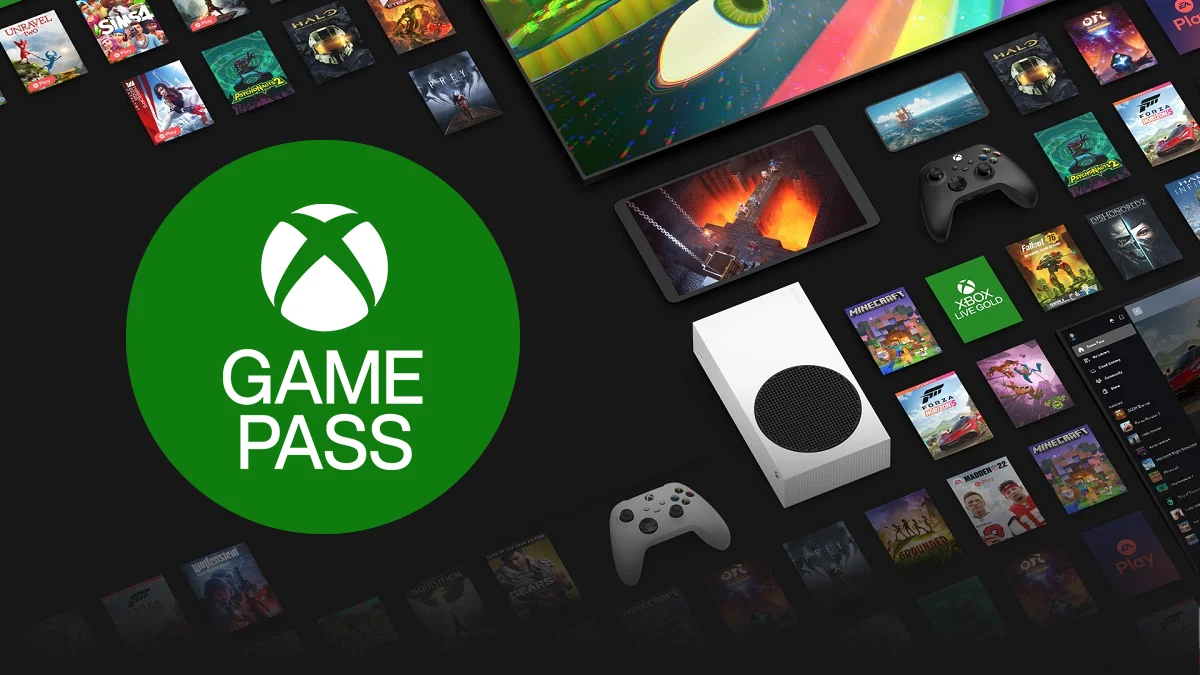
While the gaming industry celebrated numerous critically acclaimed titles across all platforms in 2023, with PlayStation and Nintendo often garnering significant awards, a distinct advantage emerged for Xbox players in terms of consumer savings. An independent analysis by gaming news outlet TrueAchievements has revealed that Xbox Game Pass subscribers gained access to games totaling nearly $9,000 in retail value throughout the year. This substantial figure, derived from calculating the launch price of each new title added to the service, underscores Game Pass’s aggressive strategy in offering unparalleled value within the subscription gaming market.
The Valuation Methodology: A Deeper Dive into Savings
The TrueAchievements report meticulously tracked every game introduced to the Xbox Game Pass library between January 1 and December 31, 2023. For each title, the researchers determined its standard retail price at the time of its inclusion on the service. This comprehensive calculation, which factors in both day-one releases and games added later, accumulated to a staggering $8,997.77. When contrasted with the annual cost of an Xbox Game Pass Ultimate subscription, which typically runs around $203.88 ($16.99 per month), the potential savings for a dedicated subscriber become exceptionally clear. This model highlights Game Pass’s core appeal: providing expansive access to a diverse catalog of games for a fixed monthly fee, effectively democratizing access to premium gaming experiences. The value proposition is particularly compelling for players who might otherwise be selective about their game purchases due to budget constraints, allowing them to explore a wider array of titles without additional per-game investment.
A Year of Blockbusters and Breakthroughs: Game Pass’s Content Cavalcade
The robust valuation in 2023 was not merely a matter of quantity but also quality, with Game Pass consistently adding highly anticipated blockbusters, innovative independent gems, and significant third-party releases. The year began with a strong statement, featuring critically acclaimed titles like Hi-Fi Rush, a surprise shadow drop that garnered widespread praise for its unique rhythm-action gameplay, and the long-awaited arrival of the classic role-playing games Persona 3 Portable and Persona 4 Golden. These early additions set a precedent for a year defined by significant content injections.
Mid-year saw the monumental release of Starfield, Bethesda Game Studios’ sprawling space epic, as a day-one Game Pass title. This launch alone represented a significant value proposition, given its full retail price, and served as a major draw for new and existing subscribers. Beyond its flagship first-party titles, Game Pass demonstrated its commitment to a broad spectrum of gaming tastes. The service secured major third-party releases such as the acclaimed Dead Space Remake, the captivating soulslike Lies of P, and the latest entry in the Yakuza series, Like a Dragon Gaiden: The Man Who Erased His Name. These titles, each commanding a significant price tag individually, further cemented the service’s economic benefit.
Furthermore, Xbox Game Pass continued its tradition of championing independent developers, bringing a host of inventive indies to a wider audience. Games like Cocoon, a mind-bending puzzle adventure, and Sea of Stars, a retro-inspired RPG that quickly became a fan favorite, showcased the platform’s dedication to fostering creativity across the industry. The inclusion of these diverse titles, ranging from AAA blockbusters to critically lauded indies, ensured that the nearly $9,000 valuation reflected a rich and varied gaming experience, not merely a collection of lower-tier titles.
The Strategic Imperative: Xbox’s Vision for the Future of Gaming
The remarkable value delivered by Xbox Game Pass in 2023 is not an accidental outcome but a direct reflection of Microsoft’s long-term strategic vision for its gaming division. Launched in June 2017, Game Pass was conceived as the "Netflix of gaming," a subscription service designed to offer an extensive library of games for a predictable monthly fee. Over the years, it has evolved into the cornerstone of Xbox’s ecosystem, aiming to differentiate itself from traditional console-centric competitors like PlayStation and Nintendo.
Microsoft’s investment in Game Pass extends beyond merely licensing existing games. It encompasses significant acquisitions of major studios, most notably ZeniMax Media (Bethesda Softworks’ parent company) in 2021 and Activision Blizzard in 2023. These acquisitions directly fuel the Game Pass library, ensuring a steady stream of first-party titles launching directly into the service. This strategy mitigates the financial risk for consumers purchasing individual games and fosters a broader player base for Xbox titles across console, PC, and cloud platforms. Phil Spencer, Head of Xbox, has consistently articulated the company’s commitment to Game Pass as a key driver for growth and accessibility, emphasizing its role in expanding the reach of Xbox content to billions of players worldwide, irrespective of their primary gaming device. The service is viewed not just as a revenue stream, but as a comprehensive platform designed to foster a vibrant gaming community and encourage game discovery.
Market Dynamics and the Competitive Landscape
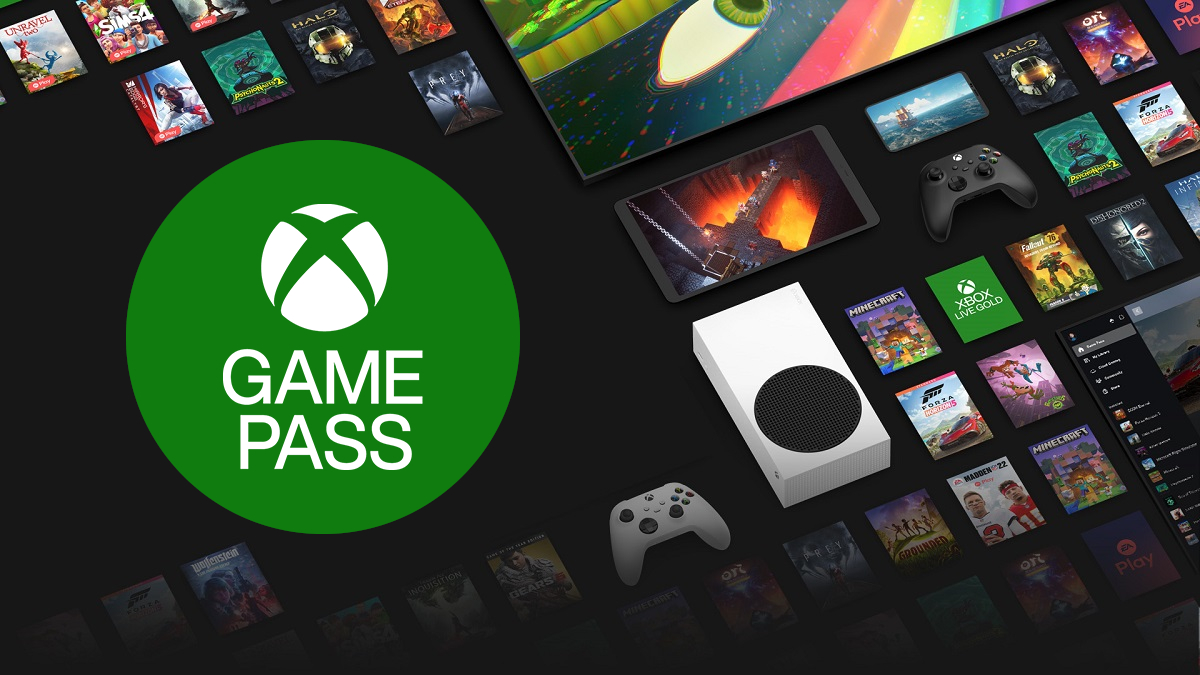
The performance of Xbox Game Pass in 2023 must be understood within the broader context of the evolving gaming market, where subscription services are increasingly vying for consumer attention. While PlayStation Plus also offers a multi-tiered subscription service with a rotating catalog of games, its model typically does not include day-one access to Sony’s first-party blockbusters in the same way Game Pass does for Xbox titles. Nintendo, meanwhile, maintains a more traditional sales model for its first-party games, with its Nintendo Switch Online service primarily offering online multiplayer, cloud saves, and a library of classic NES, SNES, N64, and Sega Genesis titles.
Game Pass’s aggressive content strategy directly impacts industry trends, influencing how consumers purchase games and how developers approach distribution. For consumers, the service offers an attractive alternative to paying full retail price for every new release, potentially reducing overall gaming expenditure. For developers, particularly independent studios, Game Pass provides a significant platform for exposure and guaranteed revenue, allowing them to reach a massive audience they might otherwise struggle to penetrate. While some analysts have debated the long-term impact on traditional game sales, the consensus is that subscription models are here to stay, fundamentally altering the economics of game publishing. Microsoft’s sustained investment, coupled with reports of continued subscriber growth (though specific updated figures are often proprietary), indicates a strong belief in the viability and future expansion of this model.
The Price Adjustment: Balancing Value and Sustainability
Amidst the celebratory news of substantial content value, 2023 also saw Microsoft implement price adjustments for Xbox Game Pass. In July, the price of Xbox Game Pass Ultimate increased from $14.99 to $16.99 per month, and the standard console Game Pass tier rose from $9.99 to $10.99. The price of the Xbox Series X console also saw an increase in several international markets. Microsoft cited "local market conditions" and the "cost of doing business" as primary reasons for these increases, aligning with broader inflationary pressures and rising development costs across the tech and entertainment sectors.
This move sparked discussions among the gaming community regarding the delicate balance between offering compelling value and maintaining the economic sustainability of such an extensive service. While a $2 increase might seem minor in isolation, it represents a strategic decision by Microsoft to adjust its revenue streams in line with the escalating costs of acquiring and developing the high-caliber content that defines Game Pass. Despite the price hike, the analysis of nearly $9,000 in game value demonstrates that even with the increased subscription cost, the service continues to offer an overwhelmingly positive return on investment for its subscribers, especially those who actively engage with the diverse library. The implication is that Microsoft believes the perceived value of Game Pass remains high enough to absorb these adjustments without significantly impacting subscriber retention or growth.
Looking Ahead: The 2024 Roadmap and Beyond
The momentum built in 2023 shows no signs of abating, with Xbox Game Pass already outlining an exciting roadmap for 2024. Subscribers can anticipate day-one access to highly anticipated titles such as Persona 3 Reload in February, a full remake of the beloved RPG that continues the partnership established with Atlus. Beyond this, Microsoft’s first-party studios are poised to deliver several major exclusives to the service throughout the year, including Obsidian Entertainment’s fantasy RPG Avowed, the cooperative action-RPG Towerborne, and the visually stunning sequel Senua’s Saga: Hellblade II.
These confirmed titles represent just a fraction of the content expected to arrive on Game Pass in 2024. Microsoft’s strategy traditionally involves additional announcements throughout the year, often at major industry showcases. The ongoing integration of Activision Blizzard King’s catalog also promises a future influx of iconic franchises like Call of Duty, Warcraft, and Diablo, further bolstering the service’s long-term value proposition. This forward-looking approach ensures that Game Pass remains a dynamic and continually evolving platform, promising sustained value and new experiences for its growing subscriber base.
Beyond Monetary Value: The Intangibles of Game Pass
While the nearly $9,000 valuation provides a concrete measure of economic benefit, the true impact of Xbox Game Pass extends beyond mere monetary savings. The service plays a crucial role in game discovery, encouraging players to try titles they might not have otherwise purchased. This low-risk environment fosters experimentation, allowing subscribers to explore new genres, uncover hidden gems, and engage with diverse narratives without the commitment of a full retail purchase.
Furthermore, Game Pass contributes to a shared gaming culture. Day-one releases of major titles create collective experiences, enabling wider participation in new releases and fostering community discussions. It lowers the barrier to entry for multiplayer games, ensuring a more robust player base for online titles. For many, Game Pass transforms the gaming experience from a series of individual purchases into an expansive, curated library, constantly refreshed with new content and opportunities for adventure.
In conclusion, the TrueAchievements analysis firmly establishes 2023 as a landmark year for Xbox Game Pass in terms of the sheer monetary value it delivered to its subscribers. With nearly $9,000 worth of games added, ranging from major blockbusters to innovative indies, the service reinforced its position as a leading force in the subscription gaming landscape. Despite strategic price adjustments, Microsoft’s unwavering commitment to content acquisition and day-one releases continues to define Game Pass as a compelling and economically advantageous proposition for gamers worldwide, setting a high bar for the future of interactive entertainment.