
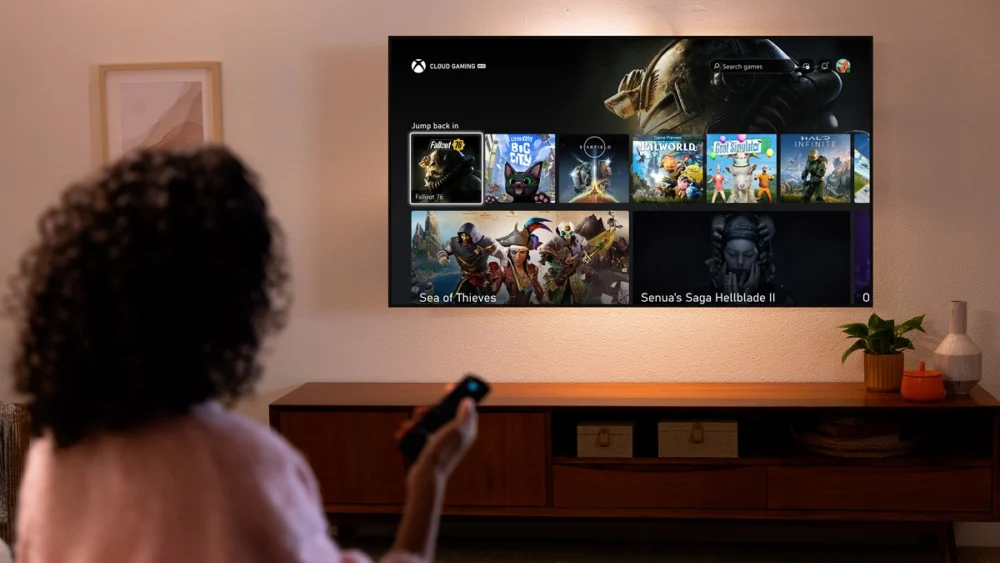
Microsoft is set to significantly broaden the accessibility of its Xbox Game Pass library, announcing that its cloud gaming service will soon be compatible with select Amazon Fire TV devices. This strategic move further diminishes the traditional necessity of owning a dedicated Xbox console to access a vast catalog of titles, reinforcing Microsoft’s long-standing vision of "gaming everywhere." While the company continues to develop platform exclusives, such as the highly anticipated Gears of War: E-Day, the integration with Amazon’s popular streaming sticks marks another pivotal step towards a console-agnostic future.
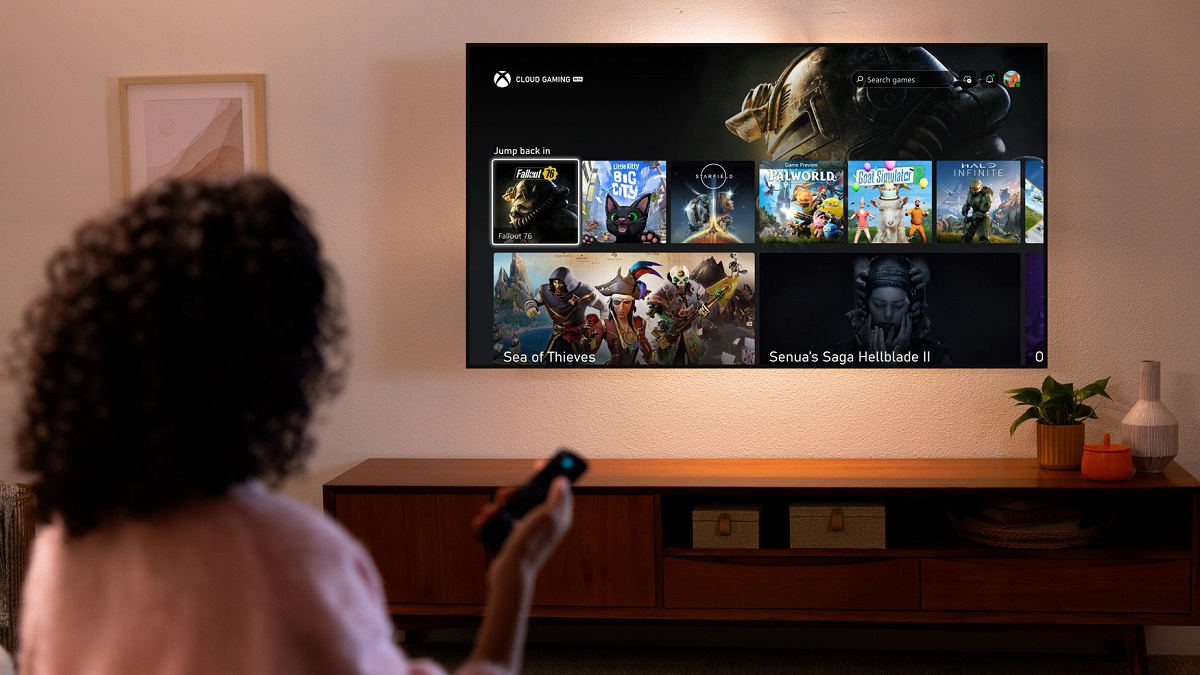
The announcement, made via an Xbox Wire post on June 27, 2024, confirms that the Xbox app will become available on the Fire TV Stick 4K and Fire TV Stick 4K Max models. Although an exact launch date was not provided, the implication is that subscribers to Xbox Game Pass Ultimate will soon be able to stream games directly to their television screens using these affordable devices. The only additional requirements are a stable internet connection and a Bluetooth wireless controller, notably without restricting users to Xbox-branded peripherals; even a PlayStation 5 DualSense controller, for instance, would be compatible. This initiative underscores Microsoft’s unwavering commitment to making its gaming ecosystem as widely accessible as possible, moving beyond the confines of proprietary hardware.
The "Console-Less" Future: Microsoft’s Evolving Vision for Xbox
For years, Microsoft has been vocal about its ambition to transcend the traditional console wars, envisioning a future where Xbox is less about a physical box and more about an ecosystem of services and content accessible across multiple platforms. This philosophy, spearheaded by Xbox head Phil Spencer, has seen the company pivot from a hardware-first approach to a service-centric model, with Xbox Game Pass at its core. The Fire TV integration is a direct manifestation of this strategy, aiming to onboard new subscribers who may not be willing or able to invest in a dedicated gaming console.
This expansion builds upon previous efforts to diversify access to Xbox Cloud Gaming, formerly known as Project xCloud. Since its initial beta phases, Microsoft has steadily rolled out cloud streaming capabilities to mobile devices, web browsers, and smart TVs, including a dedicated Xbox app for Samsung Smart TVs. The move to Fire TV Sticks, which boasts a global user base in the tens of millions, represents a significant widening of the net, potentially introducing Xbox Game Pass to a vast, untapped audience primarily engaged with streaming media. It also aligns with Microsoft’s recent strategy of bringing select first-party titles, such as Sea of Thieves, Hi-Fi Rush, Grounded, and Pentiment, to rival platforms like PlayStation and Nintendo Switch, demonstrating a willingness to prioritize content distribution over console exclusivity where it serves the broader strategic goal of Game Pass growth.
Democratizing Access: How Fire TV Integration Works
The technical requirements for accessing Xbox Game Pass through Amazon Fire TV Sticks are remarkably straightforward, designed to minimize barriers to entry. Users will need either a Fire TV Stick 4K, priced at $49.99, or the more powerful Fire TV Stick 4K Max, which retails for $59.99. Once the Xbox app is installed on these compatible devices, subscribers to Xbox Game Pass Ultimate will be able to browse and launch games directly from their Game Pass library.
The magic happens through cloud streaming. Unlike traditional gaming, where games are installed and run locally on a console, cloud gaming offloads the processing power to remote servers. The game is rendered on these powerful servers, and a video stream is sent to the user’s Fire TV Stick, while controller inputs are sent back to the server. This allows even graphically intensive titles to be played on relatively low-cost hardware. The only other essential component is a Bluetooth-enabled wireless controller, which can be an official Xbox controller, a PlayStation controller, or any other compatible third-party gamepad. This flexibility further enhances accessibility, as many users may already own a suitable controller.
A critical caveat, however, is the reliance on a robust and stable internet connection. Cloud gaming performance is directly tied to bandwidth, latency, and overall network stability. Any significant dips in internet speed or connectivity can result in noticeable input lag, reduced visual quality, or even disconnections, severely impacting the gaming experience. Unlike local console gaming, there is no offline fallback option. This means that while the entry cost for hardware is significantly reduced, the ongoing quality of the experience is heavily dependent on the user’s home internet infrastructure, a factor that could limit its appeal in regions with less developed broadband services.
Economic Advantage: A Cost-Effective Gateway to Gaming
One of the most compelling aspects of this announcement is the significant economic advantage it offers to potential gamers. For those looking to dive into the vast world of Xbox Game Pass without committing to a full console purchase, the Fire TV Stick option presents a substantially more affordable entry point.
Let’s consider a direct cost comparison. An Xbox Series S, the more budget-friendly of Microsoft’s current-generation consoles, retails for $299.99. A year’s subscription to Xbox Game Pass Ultimate, which costs $16.99 per month, amounts to $203.88 annually. Combining these, the total cost for a console and a year of Game Pass Ultimate comes to approximately $503.87.
In contrast, opting for the cloud gaming route via a Fire TV Stick 4K ($49.99) along with a year of Game Pass Ultimate ($203.88) totals just $253.87. Even with the slightly more expensive Fire TV Stick 4K Max ($59.99), the combined cost is $263.87. This makes the cloud-based setup not only cheaper than the Xbox Series S and a year of Game Pass but even more affordable than the Xbox Series S console on its own. This substantial price difference removes a significant financial barrier for many, potentially attracting a broader demographic that might otherwise shy away from the upfront cost of a dedicated gaming console. The only additional cost for those without a suitable display would be a compatible television, which could add a few hundred dollars, but many households already possess such screens.
A Timeline of Cloud Gaming Expansion and Microsoft’s Strategic Evolution
The journey towards this "console-less" gaming future has been a gradual yet deliberate one for Microsoft.
- 2018: Microsoft officially announces Project xCloud, its vision for a cloud gaming service.
- 2019: Public trials of Project xCloud begin, initially on Android devices.
- September 2020: Project xCloud officially launches and is integrated into Xbox Game Pass Ultimate, rebranded as Xbox Cloud Gaming. It becomes available on Android mobile devices.
- April 2021: Xbox Cloud Gaming expands to iOS devices and PC via web browsers, significantly broadening its reach.
- June 2022: A dedicated Xbox TV app for Samsung Smart TVs is released, allowing users to access Game Pass without any additional hardware beyond their television and a controller.
- Early 2024: Microsoft confirms its multiplatform strategy for several first-party titles, signaling a shift in its exclusivity approach.
- June 27, 2024: Microsoft announces Xbox Cloud Gaming compatibility with Amazon Fire TV Stick 4K and Fire TV Stick 4K Max devices, further expanding its hardware footprint into the streaming device market.
This chronology illustrates a consistent pattern of Microsoft systematically breaking down traditional hardware barriers, consistently moving towards a model where content and services are paramount, and the choice of access device is increasingly flexible.
Industry Reactions and Broader Implications
While specific reactions from industry competitors are yet to be formally stated, this move by Microsoft will undoubtedly resonate across the gaming and entertainment sectors. For Amazon, the integration strengthens the value proposition of its Fire TV ecosystem, offering a powerful new entertainment option that could attract users looking for more than just video streaming. It positions Fire TV Sticks as versatile media hubs capable of delivering high-quality gaming experiences.
For the gaming industry at large, Microsoft’s strategy poses intriguing questions about the future of dedicated console hardware. If Game Pass can be accessed through inexpensive streaming sticks, smart TVs, and potentially even future handheld devices (Xbox head Phil Spencer has openly teased the existence of an Xbox handheld), the role of the traditional, expensive console could evolve significantly. While high-end gaming PCs and powerful consoles will likely remain the preferred choice for enthusiasts seeking the absolute best performance and graphical fidelity, cloud gaming on accessible devices caters to a much broader, more casual audience.
This strategic pivot also puts pressure on competitors like Sony, whose PlayStation Plus Premium tier offers cloud streaming for a selection of PS4 games and classic titles, but has not yet seen the same aggressive multi-device expansion as Xbox Cloud Gaming. Nintendo, with its focus on unique hardware and first-party experiences, operates on a different model, but the growing prevalence of cloud gaming services could influence future market dynamics.
The reliance on internet infrastructure remains a crucial, if sometimes overlooked, implication. As cloud gaming becomes more widespread, the demand for reliable, high-speed internet will intensify. This could drive further investment in broadband infrastructure globally but also highlights a potential digital divide, where access to cutting-edge gaming experiences is tied to internet availability and quality.
The Drive for Game Pass Subscriptions
Ultimately, the driving force behind this and many of Microsoft’s recent gaming decisions is the growth of Xbox Game Pass subscriptions. While console sales figures for Xbox Series X/S have lagged behind those of the PlayStation 5 and Nintendo Switch, Game Pass has shown consistent growth. As of February 2024, Microsoft reported over 34 million Game Pass subscribers, a figure that underscores the service’s success and its central role in the company’s gaming strategy.
Microsoft recognizes that it has likely reached a saturation point for Game Pass subscriptions solely through its own Xbox consoles. To continue expanding this crucial revenue stream, the company must look beyond its traditional hardware base. By making Game Pass accessible on popular, ubiquitous devices like Amazon Fire TV Sticks, Microsoft opens up new avenues for subscriber acquisition, tapping into households that might already own these devices but have never considered purchasing an Xbox console. This move aligns perfectly with the broader trend in the entertainment industry towards subscription-based services and ubiquitous content access, positioning Game Pass as a formidable "Netflix of gaming" that can be enjoyed on virtually any screen.
In conclusion, Microsoft’s decision to bring Xbox Game Pass cloud gaming to Amazon Fire TV Sticks is more than just a convenience feature; it is a significant strategic maneuver that underscores the company’s long-term vision for gaming. By lowering the barrier to entry, expanding device compatibility, and prioritizing service growth over strict hardware exclusivity, Microsoft is actively shaping a future where high-quality gaming is accessible to a broader audience than ever before, further blurring the lines between traditional console gaming and the expansive world of digital entertainment. This development marks another bold step in Microsoft’s journey to establish Game Pass as the definitive platform for gaming, regardless of the hardware you own.