

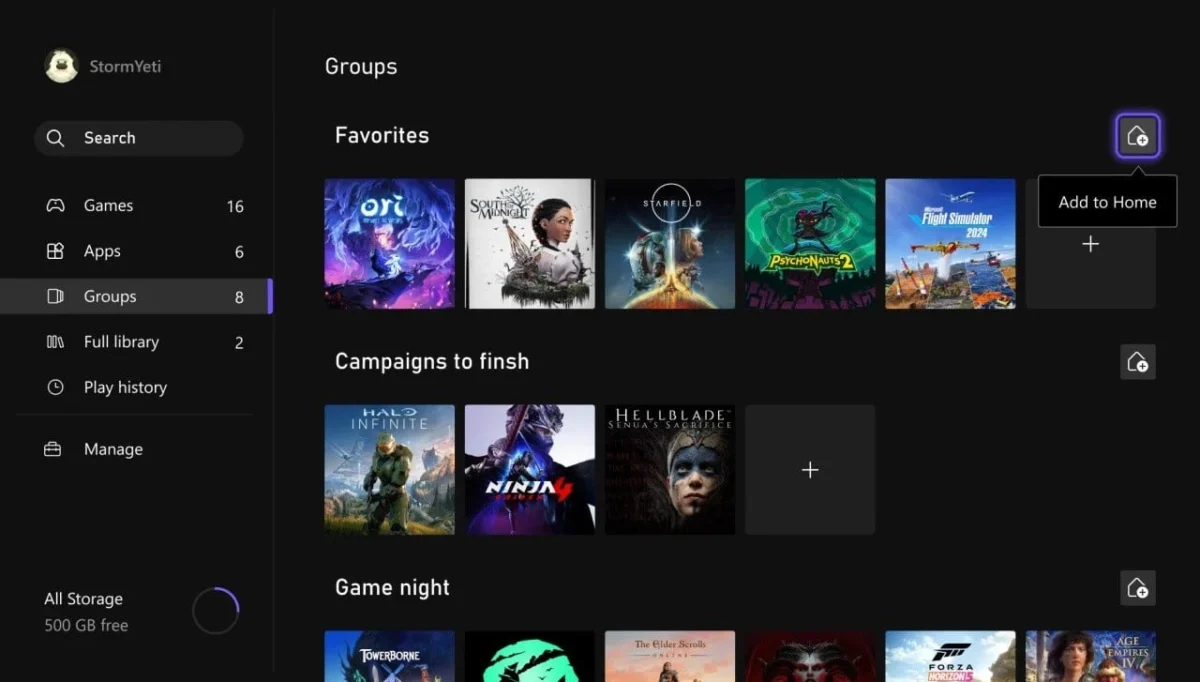
Xbox Insiders have recently been granted access to a substantial new dashboard update, marking what many perceive as the most significant console enhancement in an extended period. This pivotal development has been notably characterized by an "unusually" swift two-week turnaround in its build phase, a feat confirmed by both Xbox leadership and the engineering team directly involved. Eden Marie, a key Xbox engineer, expressed a revitalized sense of energy regarding the project, underscoring the remarkable efficiency achieved at Microsoft headquarters during its development. This rapid iteration and deployment strategy signals a potential shift in how future console updates are approached, prioritizing agility and responsiveness to user feedback.
The Unprecedented Pace of Development
The revelation of a two-week development cycle for a console-wide dashboard update is particularly noteworthy within the highly complex world of software engineering, especially for a platform with a global user base in the tens of millions. Following the mid-week announcement of the update, Asha Sharma, the head of Xbox, initially stated that the new features were constructed in an impressively short fortnight. This claim has since been corroborated by engineer Eden Marie, who elaborated on the extraordinary productivity witnessed during this condensed period. Marie articulated, "we got an unusual amount of stuff done for this two-week project," further acknowledging the common reality that "it’s true that a lot of features take longer than that." This candid observation highlights the exceptional nature of this particular development sprint, suggesting a confluence of focused effort, streamlined processes, and clear objectives.
In large-scale software projects, especially those impacting critical user interfaces of consumer electronics, development cycles typically span several months, if not quarters. These timelines account for extensive phases of conceptualization, design, prototyping, coding, rigorous quality assurance (QA) testing, localization, and staged rollouts. The ability to move from conception to an Insider-ready build within two weeks for a meaningful update suggests either a highly modular architecture, a pre-existing foundation that allowed for rapid iteration, or an exceptionally dedicated and efficient team operating under optimal conditions. This agility is a significant indicator of Microsoft’s commitment to enhancing the Xbox user experience with greater frequency and responsiveness.
Core Enhancements and User Experience Impact
While the specific, granular details of all "new dashboard features" are progressively being explored by Xbox Insiders, the overarching goal appears to be a refinement and modernization of the console’s user interface and overall navigation. Beyond general UI improvements, a critical component of this update is the upgrade to the "Quick Resume" functionality. Quick Resume, a flagship feature introduced with the Xbox Series X|S generation, allows players to seamlessly switch between multiple games, picking up exactly where they left off, without lengthy loading times. This feature, while revolutionary, has experienced occasional inconsistencies and areas for optimization since its launch. An upgrade to Quick Resume signifies a direct response to user feedback and a commitment to perfecting core console functionalities that directly impact the daily gaming experience.
Improved Quick Resume performance could translate into faster game switching, enhanced stability, and potentially support for more titles or larger game states. For millions of gamers, this means less friction between gaming sessions and a more fluid interaction with their console. Other dashboard features likely encompass improvements to content discovery, library management, social functionalities, or accessibility options. In the highly competitive console market, a fluid, intuitive, and feature-rich dashboard is not merely an aesthetic concern but a fundamental aspect of user satisfaction and platform loyalty. Regular, impactful updates ensure that the Xbox ecosystem remains fresh, functional, and aligned with evolving player expectations.
A Chronology of Rapid Iteration and Future Outlook
The timeline for this update commenced with its announcement and initial rollout to Xbox Insiders during the week of the report. This phased approach, typical for major software updates, allows Microsoft to gather crucial telemetry data and direct feedback from a dedicated segment of its user base before a broader public release. The statements from Asha Sharma and Eden Marie quickly followed, providing an unusual degree of transparency into the development process and its accelerated pace. The update is slated for a full rollout to all Xbox users in the near future, indicating confidence in its stability and readiness after the Insider testing phase.
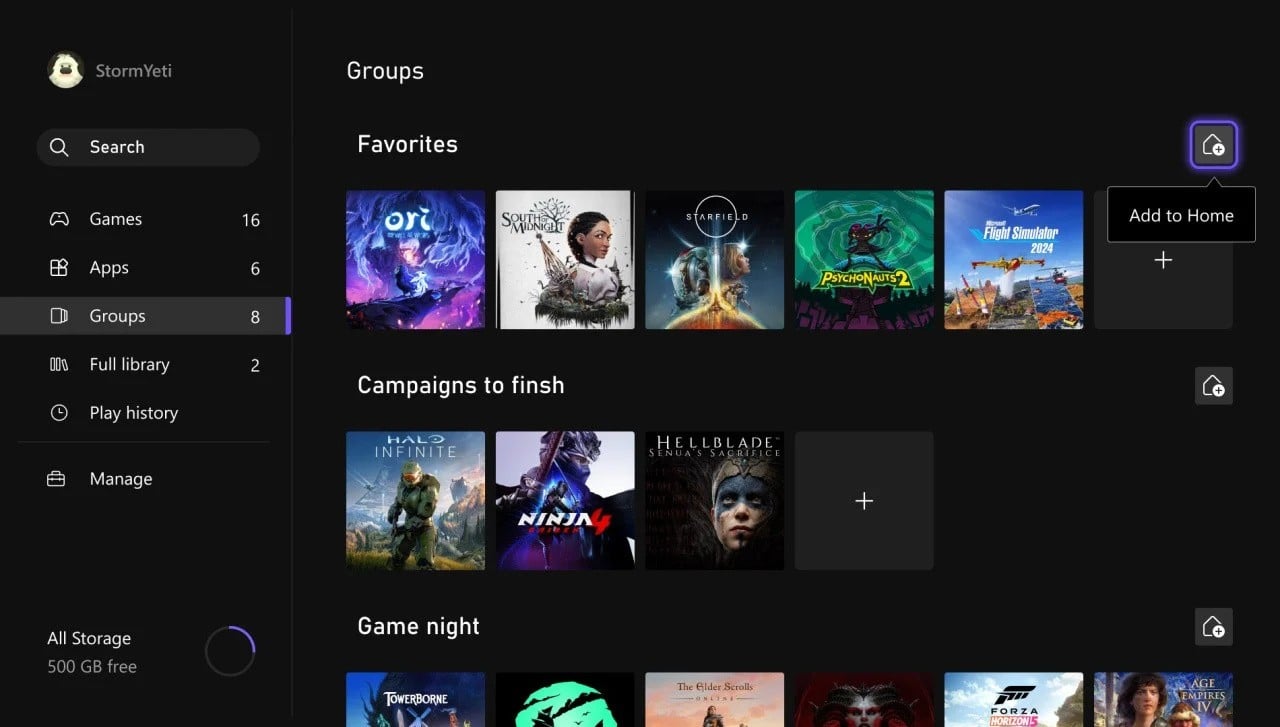
Looking ahead, this rapid update cycle sets a precedent and builds anticipation for future developments. The article subtly references "Project Helix" as a future horizon, suggesting that this agile development approach may be a precursor to even more significant platform evolutions. While details on Project Helix remain scarce, its mention in conjunction with current UI improvements hints at a forward-thinking strategy for the Xbox brand, potentially encompassing new hardware iterations, substantial software overhauls, or expanded ecosystem integrations. The ability to deploy meaningful updates in short order could enable Xbox to experiment more frequently, gather user data, and pivot quickly based on market trends and community desires, ultimately fostering a more dynamic and responsive platform.
Historical Context of Xbox UI Evolution
The Xbox brand has a rich history of evolving its user interface, reflecting changing technological capabilities and user expectations. From the original Xbox’s "dashboard" to the Xbox 360’s iconic "Blades" and later "New Xbox Experience (NXE)," and subsequently the various iterations on Xbox One leading to the current Series X|S UI, Microsoft has continuously refined how players interact with their consoles. Each major redesign brought significant changes, often in response to industry trends (like the rise of social networking and multimedia integration) and user feedback.
The transition from the Xbox 360’s highly customizable NXE to the Xbox One’s tile-based interface, and then the subsequent refinements on the Series X|S, demonstrates an ongoing effort to balance functionality, aesthetics, and performance. Early iterations of the Xbox One dashboard faced criticism for being overly complex or slow, prompting Microsoft to implement numerous performance and usability updates over time. This historical context makes the current rapid update even more significant. It suggests a mature development pipeline and a renewed focus on delivering immediate, tangible improvements, possibly drawing lessons from past challenges in UI/UX development and the importance of maintaining a nimble development posture. The competitive landscape, with PlayStation’s similarly evolving UI and Nintendo’s unique approach, further emphasizes the critical role of a responsive and efficient console interface in retaining and attracting users.
The "Energized" Team and Agile Development Principles
Eden Marie’s sentiment of feeling "energized" by this project is a powerful insight into the psychology of software development. Achieving significant results in a short timeframe, especially on a high-profile product, can be incredibly motivating for engineering teams. It validates their skills, fosters a sense of accomplishment, and encourages further innovation. This "energized" state suggests a positive internal culture where efficiency and impact are celebrated, potentially leading to a virtuous cycle of productivity and morale.
This approach aligns well with modern agile software development methodologies. Agile principles emphasize iterative development, continuous feedback, and rapid adaptation to change. Instead of monolithic, long-term projects, agile teams deliver smaller, functional increments more frequently. The two-week turnaround for these dashboard features is a prime example of an agile sprint yielding immediate results. For a company of Microsoft’s scale, adopting and successfully executing such agile practices for core console features demonstrates a sophisticated level of organizational maturity and commitment to modern development paradigms. This could have broader implications for how Microsoft structures its Xbox development teams, fostering environments where quick decision-making, cross-functional collaboration, and efficient problem-solving are paramount.
Broader Implications and Industry Analysis
This rapid dashboard update carries several broader implications for the Xbox ecosystem and the wider gaming industry.
Enhanced User Experience and Retention: By demonstrating a commitment to frequent and impactful updates, Microsoft can significantly enhance the daily user experience. A smoother, more responsive dashboard and a perfected Quick Resume feature directly contribute to player satisfaction, potentially increasing engagement and retention rates on the platform. In an era where gamers have multiple choices, a continuously improving user interface can be a key differentiator.

Competitive Edge: In the ongoing console war, iterative improvements to the user experience can provide a subtle yet significant competitive advantage. While headline-grabbing exclusive games often dominate the discourse, the underlying platform’s usability is crucial. This update shows Xbox is not just focused on content but also on the foundational interaction players have with their console, positioning it as a responsive and user-centric platform against competitors like PlayStation and Nintendo.
A New Development Paradigm for Xbox? The "unusually" fast turnaround might signify a strategic shift towards more frequent, smaller-scale updates rather than less frequent, larger overhauls. This "continuous improvement" model allows Microsoft to be more nimble, test features more rapidly with Insiders, and adapt to feedback more effectively. Such a paradigm could lead to a more dynamic and evolving Xbox platform, consistently delivering value to its user base.
Community Engagement and Feedback Loop: The Xbox Insider program plays a crucial role in this agile process. By rolling out updates to Insiders first, Microsoft leverages a dedicated community for real-world testing and feedback. This direct communication channel is vital for identifying bugs, gauging user reception, and making necessary adjustments before a wide release. The success of this rapid update underscores the value of this symbiotic relationship between developers and the early adopter community.
Attracting and Retaining Talent: The "energized" sentiment from engineers like Eden Marie suggests that working on projects with clear, rapid impact can be highly rewarding for developers. This positive internal culture and the opportunity to see work quickly come to fruition can be a significant factor in attracting and retaining top engineering talent, which is critical for any major tech company.
Conclusion
The recent Xbox dashboard update, characterized by its remarkably swift two-week development cycle and the positive sentiment it has generated within the engineering team, represents a significant moment for the Xbox platform. It underscores Microsoft’s renewed commitment to agility, user experience, and iterative improvement. From enhancing core functionalities like Quick Resume to refining the overall dashboard navigation, these changes are poised to deliver a more fluid and engaging experience for millions of Xbox users globally. As the update prepares for its wider rollout and with future initiatives like "Project Helix" on the horizon, this period of accelerated development signals a vibrant and responsive future for the Xbox ecosystem, driven by efficient engineering and a strong focus on player satisfaction. The success of this rapid iteration could well define the blueprint for how Xbox continues to evolve and remain a competitive force in the dynamic world of gaming.