
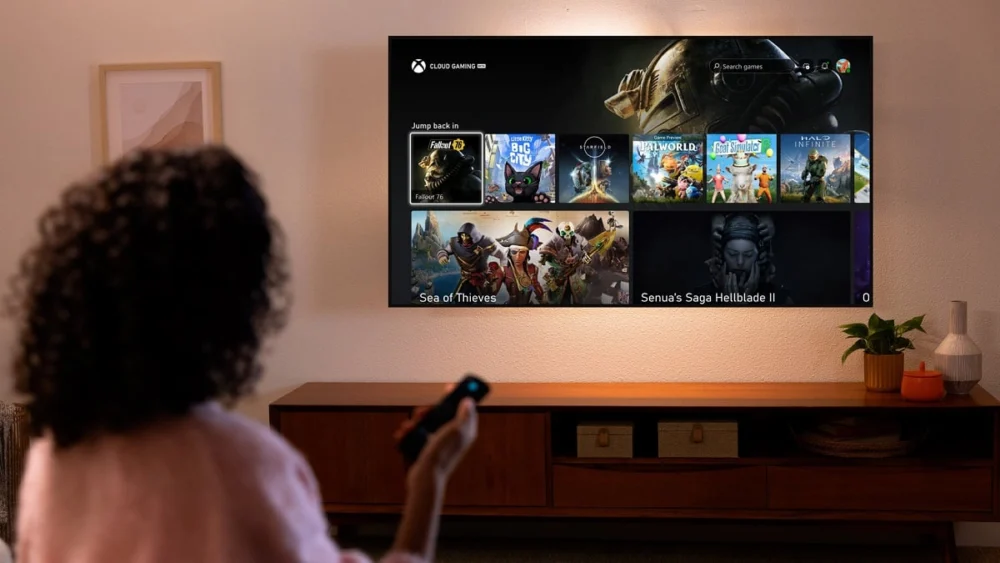
Microsoft is set to significantly broaden the accessibility of its Xbox Game Pass library, making it available on select Amazon Fire TV devices and further diminishing the traditional imperative to own an Xbox console. This strategic expansion underscores a pivotal shift in Microsoft’s gaming philosophy, moving beyond hardware exclusivity towards a service-centric, "gaming everywhere" model. While flagship titles like the eagerly anticipated Gears of War: E-Day will continue to anchor the Xbox platform with exclusive content, the ability to stream a vast catalog of games directly to a common streaming stick signals a deliberate effort to reach a wider audience and solidify the Game Pass subscription service as the core of the Xbox ecosystem.
The announcement, detailed in an official Xbox Wire post, confirms that the Xbox app will soon be compatible with Amazon Fire TV Stick 4K and Fire TV Stick 4K Max models. Although an exact launch date remains undisclosed, the integration is expected to roll out in the near future. This development allows subscribers to access Xbox titles via cloud gaming, requiring only a compatible Fire TV Stick (priced at $49.99 and $59.99 respectively), a stable internet connection, and a Bluetooth wireless controller. Notably, players are not restricted to Xbox-branded controllers; even a PlayStation 5 DualSense controller can be utilized, highlighting Microsoft’s commitment to device agnosticism and user convenience.
A Strategic Pivot: Microsoft’s "Gaming Everywhere" Vision
This move is not an isolated incident but rather a significant progression in Microsoft’s long-term vision for Xbox, spearheaded by Phil Spencer, CEO of Microsoft Gaming. For years, Spencer has articulated a strategy centered on democratizing access to games, positioning Xbox not merely as a console manufacturer but as a comprehensive gaming platform and service provider. The foundational pillars of this strategy include the PC gaming market, multi-platform releases, and, critically, Xbox Game Pass with its integrated cloud gaming capabilities.
Historically, the gaming industry has been defined by console generations, where proprietary hardware and exclusive titles served as primary differentiators. However, the advent of high-speed internet and sophisticated cloud infrastructure has paved the way for a paradigm shift. Cloud gaming, or game streaming, allows games to be processed on remote servers and streamed to a user’s device, much like video content. This eliminates the need for powerful local hardware, lowering the barrier to entry for consumers and enabling gaming on a wider array of devices. Microsoft’s investment in Azure, its robust cloud computing platform, has been instrumental in building the infrastructure necessary to support Xbox Cloud Gaming (formerly xCloud).
The "gaming everywhere" philosophy has already seen Microsoft make its first-party titles available on PC day-and-date with console releases, and more recently, select Xbox exclusives such as Sea of Thieves, Hi-Fi Rush, Grounded, and Pentiment have been ported to rival platforms like PlayStation 5 and Nintendo Switch. These decisions, once unthinkable in the fiercely competitive console landscape, are strategic plays to maximize audience reach and content monetization, acknowledging that not every gamer will own an Xbox console. The Fire TV integration extends this philosophy further, targeting a massive installed base of streaming device users.
Detailed Cost Analysis and Economic Implications
One of the most compelling aspects of this announcement is the significant cost advantage it offers to consumers, particularly those who already own a compatible Fire TV device. A direct comparison illustrates the stark difference:
- Traditional Console Ownership: An Xbox Series S, the more affordable current-generation console, retails for $299.99. Coupled with a year’s subscription to Xbox Game Pass Ultimate (which costs $16.99 per month, totaling approximately $203.88 annually), the total initial investment comes to roughly $503.87.
- Fire TV Cloud Gaming: For those utilizing a Fire TV Stick 4K ($49.99) and a year’s Game Pass Ultimate subscription ($203.88), the total outlay is approximately $253.87. This makes cloud gaming via Fire TV nearly half the cost of purchasing even the entry-level Xbox console, making it a highly attractive proposition for budget-conscious gamers or those seeking a secondary gaming setup.
Even considering the higher-end Xbox Series X, priced at $499.99, the cost differential becomes even more pronounced. This aggressive pricing strategy positions Game Pass as an incredibly accessible gateway to a vast library of games, including new first-party releases on day one. For Microsoft, the economic rationale is clear: pivot from a reliance on high-margin console sales, which are becoming increasingly saturated, to a stable, recurring revenue stream from Game Pass subscriptions. As of early 2024, Xbox Game Pass boasts over 34 million subscribers, a number Microsoft aims to continually grow by removing hardware barriers.
Technical Considerations and User Experience
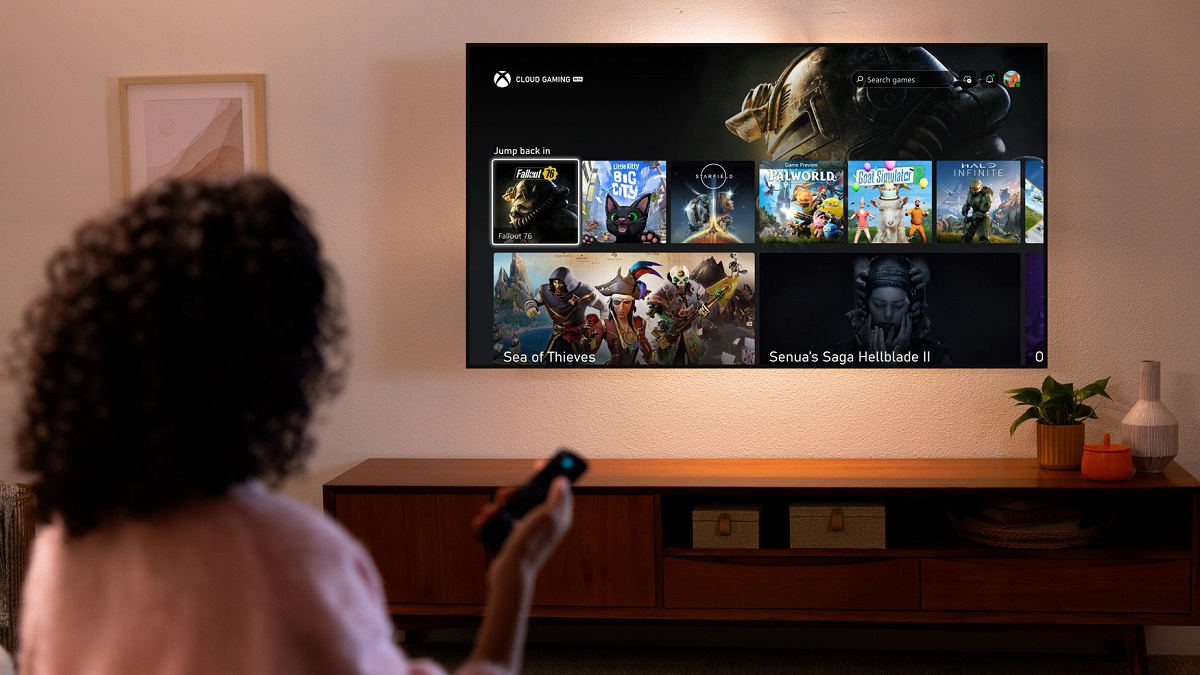
While the convenience and cost-effectiveness are undeniable, users must be aware of the technical requirements and potential limitations inherent in cloud gaming. The primary caveat is the absolute reliance on a stable and robust internet connection. Microsoft recommends a minimum download speed of 20 Mbps for an optimal experience, with higher speeds preferable for minimizing latency and ensuring higher fidelity. Unlike local gaming, where titles are installed on the console’s hard drive, cloud gaming offers no offline play option. Any interruption in internet service will halt the gaming session.
Input lag, the delay between a player’s action on the controller and its reflection on screen, is another factor. While cloud gaming technology has advanced significantly, making input lag negligible for many genres, highly competitive or rhythm-based games might still feel less responsive compared to local play. However, for the majority of Game Pass titles, particularly adventure, RPGs, and strategy games, the experience is generally smooth and enjoyable.
The Fire TV Stick 4K and 4K Max are chosen for their processing power and Wi-Fi capabilities, crucial for decoding high-quality video streams and maintaining a consistent connection. Users without these specific models would need to upgrade. Furthermore, while the article mentions a potential additional cost for a compatible TV (around $240), this primarily applies to users who might not already possess a modern HDTV or 4K display. For the vast majority of households that already have a suitable television and perhaps even a Fire TV Stick, the entry barrier is remarkably low.
Broader Context: Xbox’s Evolving Hardware and Multi-Platform Strategy
The Fire TV integration is part of a larger, evolving narrative for Xbox hardware. Despite the emphasis on cloud gaming and multi-platform expansion, Microsoft has reiterated its commitment to dedicated gaming hardware. Xbox boss Phil Spencer has consistently stated that hardware remains a core part of Xbox’s strategy, and recent rumors, some even teased by Spencer himself, suggest the existence of an Xbox handheld device. Such a device would likely embody a hybrid approach, offering both local processing power for native play and seamless integration with Xbox Cloud Gaming for more demanding titles or access to the full Game Pass library on the go. This indicates that dedicated hardware will continue to cater to enthusiasts who prioritize performance, local play, and specific form factors, while cloud gaming on third-party devices targets broader market segments.
The decision to bring Game Pass to Fire TV also aligns with the observed trends in console market share. While specific current figures fluctuate, PlayStation has consistently outsold Xbox in recent generations. By diversifying access points, Microsoft aims to mitigate the impact of lower console sales by growing its subscription base, which represents a more predictable and sustainable revenue model in the long run. The company’s willingness to port its acclaimed first-party titles to rival platforms, even Halo, its flagship franchise, rumored to be considered for PlayStation, further illustrates this strategic pivot from a console-war mentality to a platform-agnostic, content-first approach.
Competitive Landscape and Industry Implications
Microsoft’s move positions it strongly in the burgeoning cloud gaming market, a sector that has seen both significant investment and notable challenges. While Google’s Stadia famously failed due to a lack of content and a confusing business model, other players like NVIDIA’s GeForce Now and Amazon’s own Luna service continue to operate. PlayStation also offers cloud streaming through its PlayStation Plus Premium tier, primarily accessible on PS5 consoles and PC. Xbox’s strategy differentiates itself by leveraging a massive, continually updated Game Pass library and actively seeking integration with popular, affordable streaming hardware.
This trend toward device-agnostic gaming has profound implications for the industry. It challenges the traditional console cycle, where consumers invest heavily in new hardware every few years. Instead, it suggests a future where access to content, rather than ownership of specific hardware, becomes the primary differentiator. Developers may increasingly focus on optimizing games for cloud streaming environments and ensuring broad compatibility, potentially fostering a more open and interconnected gaming ecosystem.
Conclusion: A Future Beyond the Box
The integration of Xbox Cloud Gaming with Amazon Fire TV devices marks a significant milestone in Microsoft’s journey to redefine Xbox. It democratizes access to a premium gaming experience, offering a compelling, cost-effective alternative to console ownership. For millions of existing Fire TV users, a vast library of games, including new releases, will soon be just a few clicks away. This strategic expansion solidifies Game Pass as the cornerstone of Microsoft’s gaming strategy and reinforces its vision of a future where gaming is truly accessible "everywhere," regardless of the hardware a consumer chooses to own. While dedicated Xbox consoles will continue to serve a vital role for hardcore enthusiasts, the Fire TV integration signals a powerful shift towards a more inclusive, service-driven future for interactive entertainment, potentially attracting new demographics of gamers and reshaping the competitive landscape for years to come.