
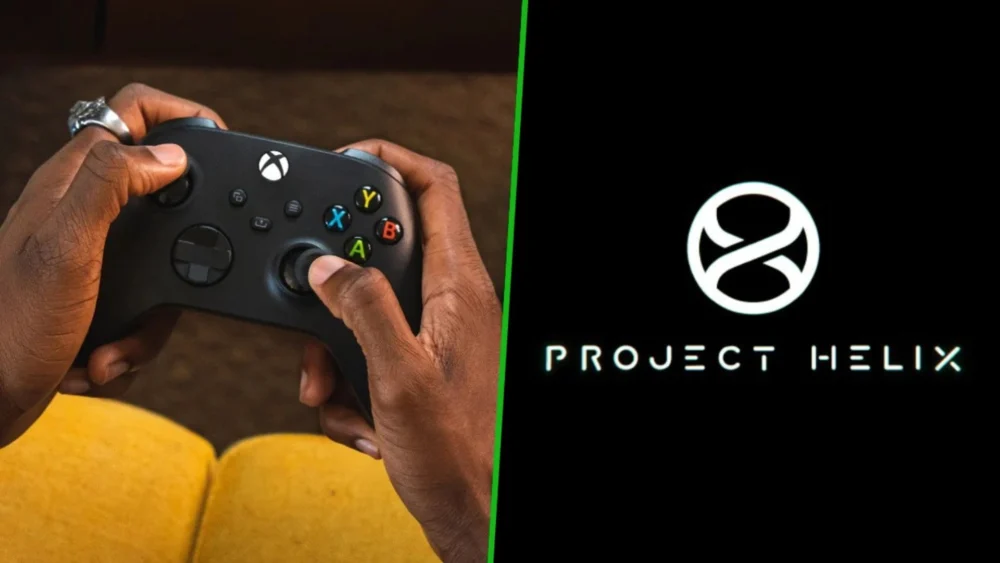
The revelation came via a social media statement from Sharma, who highlighted the company’s renewed focus on performance and ecosystem versatility. "Great start to the morning with Team Xbox, where we talked about our commitment to the return of Xbox including Project Helix, the code name for our next generation console," Sharma stated. "Project Helix will lead in performance and play your Xbox and PC games. Looking forward to chatting about this more with partners and studios at my first GDC next week!"
This announcement marks a pivotal moment for Microsoft Gaming. By explicitly stating that the hardware will support PC games, Microsoft is effectively merging its two primary gaming pillars—Windows and Xbox—into a single, unified hardware solution. This move is expected to disrupt the traditional console cycle and redefine how consumers interact with digital storefronts.
The Technical Evolution: From Console to Hybrid Powerhouse
The core value proposition of Project Helix lies in its dual-nature architecture. Historically, consoles have operated on locked-down operating systems designed to maximize efficiency for a specific set of hardware components. While this allowed for optimized performance, it restricted users to a single proprietary storefront. Project Helix appears designed to dismantle these barriers.
Industry analysts suggest that Project Helix will likely utilize a specialized version of the Windows kernel, optimized for a controller-first interface while maintaining the compatibility layers necessary to run standard Win32 applications. This would allow the device to function as a high-end Xbox console while providing a "desktop mode" or a seamless integration layer for PC-centric platforms.
The promise of "leading in performance" suggests that Microsoft is targeting a significant leap over the current Xbox Series X. Speculation within the semiconductor industry points toward a custom-designed SoC (System on a Chip) that leverages advanced AI upscaling and machine learning to handle the diverse demands of both native console titles and unoptimized PC ports.
The Strategic Shift: Integrating Steam and the Epic Games Store
One of the most significant implications of the Project Helix announcement is the potential for third-party PC storefronts to inhabit the Xbox ecosystem. For months, reports from reputable industry insiders, including Jez Corden of Windows Central, have indicated that Microsoft was exploring an "Open Xbox" philosophy. This would theoretically allow users to exit the standard Xbox dashboard and access Steam, the Epic Games Store, or Battle.net.
The credibility of these reports was bolstered in early 2024 when Epic Games leadership expressed a direct interest in bringing the Epic Games Store to the Xbox platform. By allowing rival storefronts on its own hardware, Microsoft is pivoting away from the "walled garden" model popularized by Nintendo and Sony. Instead, the company seems to be positioning the Xbox hardware as the premier "reference device" for the entire Windows gaming ecosystem—much like the Surface line functions for Windows laptops.
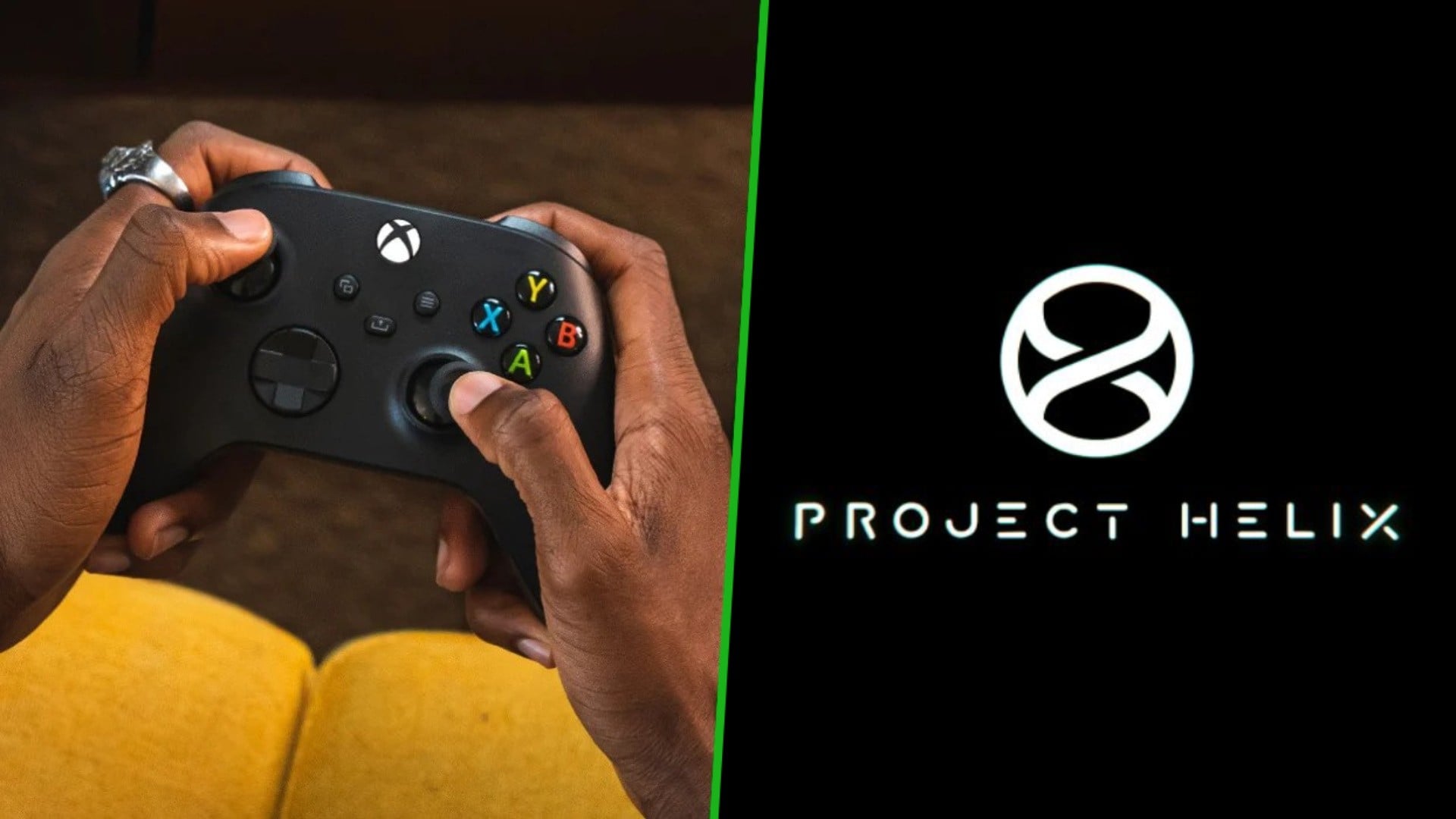
This strategy acknowledges a growing trend in the industry: the rise of high-performance handhelds like the Steam Deck and the ASUS ROG Ally. These devices have proven that there is a massive market for portable or semi-portable machines that can access a user’s existing PC library. Project Helix appears to be Microsoft’s answer to this trend, scaled up for the living room and backed by the full engineering might of the Xbox hardware team.
Timeline and Manufacturing Partnerships
While Microsoft has not yet provided a specific consumer release date, the timeline for Project Helix is beginning to take shape through supply chain disclosures. In early 2026, AMD—Microsoft’s long-standing hardware partner for the Xbox 360, Xbox One, and Xbox Series generations—indicated that development on next-generation silicon was progressing well. AMD officials noted that they were on track to support a hardware launch as early as 2027.
If Microsoft adheres to this 2027 window, Project Helix would arrive approximately seven years after the launch of the Xbox Series X and Series S. This aligns with the historical duration of console generations but represents a much more radical departure in terms of functionality.
The development of Project Helix is also inextricably linked to Microsoft’s advancements in cloud technology and artificial intelligence. The "Helix" codename itself suggests a double-stranded DNA structure, symbolizing the convergence of local hardware power and cloud-integrated services.
The Road to GDC: Engaging the Developer Community
The timing of the announcement is strategically aligned with the upcoming Game Developers Conference (GDC). As the premier annual gathering for game creators, GDC provides the ideal platform for Microsoft to pitch the "Helix" architecture to the people who will build its software.
Microsoft’s presence at GDC has been framed around the theme of "building for what’s next." For developers, the prospect of a console that runs PC games presents both opportunities and challenges. On one hand, it simplifies the porting process; a game optimized for Windows can theoretically run on Project Helix with minimal adjustments. On the other hand, it requires developers to account for a broader range of input methods and performance tiers within a single hardware environment.
Asha Sharma’s role at GDC will be critical in assuring partners that Project Helix will provide a stable, profitable environment for both AAA studios and independent developers. By lowering the friction between PC and console development, Microsoft hopes to secure a more robust library of titles than its competitors.
Market Implications and Competitive Analysis
The announcement of Project Helix places significant pressure on Microsoft’s primary competitor, Sony Interactive Entertainment. While Sony has found massive success with the PlayStation 5 by focusing on high-quality exclusive titles and a traditional console experience, Microsoft is betting on a future defined by ecosystem flexibility and "Play Anywhere" capabilities.

If Project Helix successfully integrates the PC library, it solves one of the oldest problems in console gaming: the "generational reset." Users with vast libraries on Steam or the Epic Games Store would suddenly find their digital collections accessible on a high-performance console, providing an immediate incentive to switch to the Xbox hardware.
Furthermore, this move aligns with Microsoft’s broader corporate strategy of "horizontal integration." By making Xbox the best place to play PC games, Microsoft reinforces the dominance of Windows in the gaming sector while simultaneously driving subscriptions for Xbox Game Pass, which serves as the connective tissue between the two platforms.
Financial and Industry Reaction
Initial reactions from market analysts suggest a cautious but optimistic outlook. The primary concern lies in the hardware’s price point. A console capable of "leading in performance" while running a full PC-compatible OS will likely require expensive components, potentially pushing the retail price beyond the traditional $499 USD ceiling.
However, the potential for revenue growth through software and services is immense. By capturing a portion of the PC gaming market that prefers the convenience of a console form factor, Microsoft can expand its user base beyond the traditional console demographic.
"Microsoft is no longer just selling a box; they are selling an entry point into a total gaming environment," noted one industry consultant. "Project Helix is the physical manifestation of the ‘Xbox is everywhere’ mantra. If you can play your Steam library on an Xbox with the performance of a high-end rig, the value proposition changes entirely."
Conclusion: A New Era for Xbox
Project Helix represents the most ambitious hardware undertaking in the history of the Xbox brand. It is an acknowledgment that the boundaries between PC and console are fading and that the future of gaming lies in accessibility and choice rather than exclusivity and restriction.
As Asha Sharma prepares to meet with developers at GDC, the industry will be watching closely for technical specifications, UI demonstrations, and further details on how the Windows integration will function. If Microsoft can deliver on the promise of a "performance leader" that bridges the two largest ecosystems in gaming, Project Helix may not just be the next Xbox—it may be the blueprint for the future of the entire industry.
With a potential 2027 release on the horizon, the coming months will likely see a steady stream of information regarding the "Helix" architecture. For now, the message from Team Xbox is clear: the next generation will not be defined by a box, but by the freedom to play any game, anywhere, on the most powerful hardware available.