
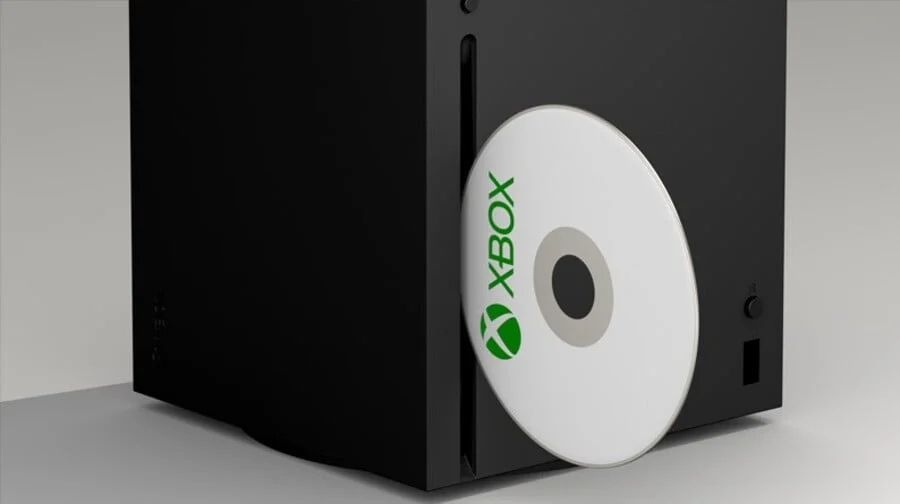
The landscape of console gaming stands at a pivotal juncture, with Microsoft’s next-generation Xbox console, internally codenamed Project Helix, emerging as a focal point of industry discussion. Following a series of revelations at the Game Developers Conference (GDC) in March 2026, the tech giant offered preliminary insights into its future hardware, its ambitious vision for developer utilization, and a broader strategy aimed at fostering a more integrated "PC-meets-console ecosystem." While these disclosures painted a picture of technological advancement and platform unification, they conspicuously omitted a critical detail: whether Project Helix will support physical game media. This omission has ignited fervent debate among gamers, developers, and industry analysts, prompting a comprehensive examination of the implications of an increasingly digital future for Xbox.
The Evolving Digital Frontier in Gaming
The question of physical game support for Project Helix is not merely a technical specification but a reflection of the profound shifts occurring within the video game industry. Over the past two decades, digital distribution has steadily encroached upon, and in many sectors, outright supplanted, traditional retail models for software. Platforms like Valve’s Steam, Sony’s PlayStation Store, and Microsoft’s own Xbox Store have become dominant conduits for game sales, offering unparalleled convenience, instant access, and often, more aggressive pricing through digital sales. This trend is driven by multiple factors, including reduced manufacturing and distribution costs for publishers, direct engagement with consumers, and the environmental benefits associated with eschewing physical packaging.
Microsoft, in particular, has been a vanguard of this digital transformation, championing services like Xbox Game Pass, a subscription model that provides subscribers with a vast library of digital titles. The success of Game Pass has fundamentally reshaped consumer expectations, conditioning a significant segment of the Xbox user base to an all-digital consumption pattern. Furthermore, Xbox’s long-standing efforts to integrate its console and PC gaming experiences, allowing users to play many titles across both platforms, inherently leans towards digital-only distribution, given the near-complete absence of physical media in the PC gaming market. According to recent market analysis reports from industry firms like NPD Group or Statista, digital game sales consistently account for over 85% of total software revenue in major markets, a figure that has shown consistent year-over-year growth. This data underscores the economic imperative for platform holders to prioritize digital strategies.
Project Helix: A Glimpse into Microsoft’s Next-Gen Vision
Details emerging from GDC 2026 regarding Project Helix painted a picture of a powerful and versatile console designed to push the boundaries of gaming. While specific hardware specifications remain under wraps, Microsoft hinted at significant advancements in processing power, graphical fidelity, and a novel architecture intended to streamline game development. A key emphasis was placed on the "PC-meets-console ecosystem," suggesting a future where the lines between Xbox consoles and Windows PCs blur further. This vision entails greater interoperability, potentially shared libraries, and a unified development environment that allows creators to optimize their games for a wider range of hardware configurations with greater ease.
This strategic direction aligns with Microsoft’s broader corporate philosophy of fostering a holistic ecosystem across its hardware and software offerings. The integration is not just about convenience for players but also about maximizing reach and reducing friction for developers. By providing a more cohesive platform, Microsoft aims to attract a broader spectrum of game creators, from independent studios to large-scale publishers, ensuring a robust pipeline of content for Project Helix. However, this ecosystem, by its very nature, thrives on digital fluidity, where content can be accessed and distributed instantaneously across devices without the physical constraints of disc-based media.
The Backward Compatibility Conundrum
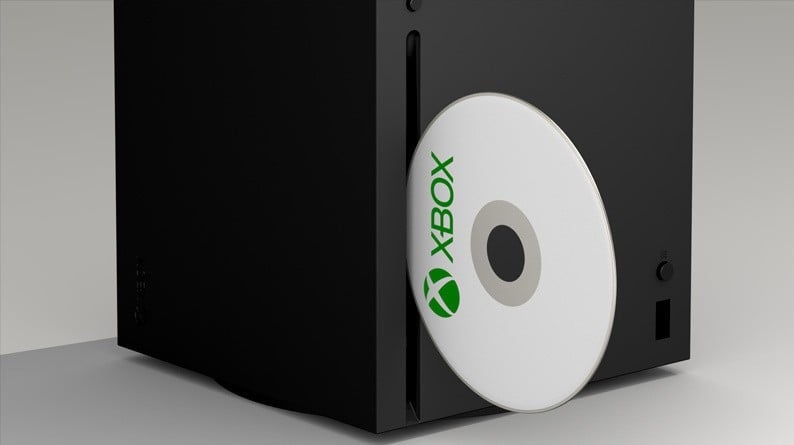
The most pressing aspect of the physical media debate for Project Helix revolves around backward compatibility. For many Xbox enthusiasts, their existing physical libraries—spanning original Xbox, Xbox 360, Xbox One, and Xbox Series X|S titles—represent years of cherished gaming history and significant financial investment. Microsoft has historically been a strong proponent of backward compatibility, earning considerable goodwill from its community by enabling older titles to run on newer hardware, often with enhancements. To suddenly abandon support for these physical discs would not only be a significant departure from this commitment but could also provoke substantial backlash from a loyal fanbase.
The challenge for Microsoft is multifaceted. While new next-generation games could theoretically be launched as digital-only titles without much controversy (as seen with digital-only console variants in the current generation), the legacy library presents a unique problem. How does a company maintain its promise of backward compatibility without a physical disc drive, especially for games that may not be readily available on digital storefronts or through Game Pass? This question directly impacts consumer trust and the perceived value of their existing game collections. The expectation among many gamers is that their investment in physical media over generations should be respected and carried forward into the next console cycle.
Potential Solutions: A Spectrum of Possibilities
In addressing the intricate issue of physical game support, Microsoft has several theoretical pathways, each with its own set of advantages and disadvantages.
1. The Detachable Disc Drive Model:
One of the most widely discussed and seemingly pragmatic solutions is the implementation of a detachable disc drive, akin to what Sony introduced with its refreshed PlayStation 5 Slim models. This approach would allow Microsoft to offer a sleek, potentially more affordable, digital-only base console, while providing an optional peripheral for users who wish to play physical games or leverage their existing disc libraries.
- Pros: This model offers consumer choice, allowing those committed to physical media to retain access to their collections without forcing a disc drive on all users. It could also enable Microsoft to market the base console at a lower entry price point, appealing to a broader market segment. For backward compatibility, it provides a direct, familiar method for playing older physical titles.
- Cons: It introduces an additional cost for consumers who desire disc functionality, potentially leading to a two-tiered user experience. There are also logistical considerations regarding manufacturing, distribution, and potential compatibility issues if the detachable drive is not seamlessly integrated. Furthermore, it adds complexity to the ecosystem, which Microsoft’s "PC-meets-console" vision aims to simplify.
- Feasibility: This is considered a highly feasible option, given the precedent set by a direct competitor and the clear benefits of offering consumer choice while maintaining a primary digital focus. Industry analysts believe this could be Microsoft’s most likely compromise if they do not include an integrated drive.
2. The Digital Conversion Program:
Another concept that has periodically surfaced in industry discussions is a program allowing users to convert their physical game discs into digital licenses. Under such a scheme, users might insert a disc into an older Xbox console (or perhaps a specialized peripheral) to verify ownership, after which a digital key for that title would be added to their Project Helix library.
- Pros: This would be an ideal solution for preserving backward compatibility without requiring a disc drive on Project Helix itself. It respects consumers’ past investments and transitions them smoothly into an all-digital future.
- Cons: The logistical and technical hurdles for such a program are immense. Verifying ownership securely, preventing fraud (e.g., selling a disc after conversion), and managing a vast database of game licenses across multiple console generations would be incredibly complex. The legal implications, particularly concerning reselling games or transferring licenses, would also be formidable. Publishers might also object to a system that could potentially cannibalize digital sales of older titles.
- Feasibility: While appealing in theory, the practical challenges make this option highly unlikely. The "too ambitious of a scheme to pull off, with too many potential loopholes" assessment from the original article remains largely accurate. No major platform holder has successfully implemented such a broad-scale program.
3. An Entirely Digital-Only Future:
The most radical, yet arguably the most aligned with Microsoft’s overarching digital strategy, would be to launch Project Helix as a purely digital-only console, with no option for physical media, integrated or detachable.

- Pros: This simplifies hardware design, reduces manufacturing costs, and streamlines the user experience by eliminating physical media management. It aligns perfectly with the PC gaming model and fully leverages the Game Pass ecosystem. For Microsoft, it offers maximum control over content distribution and potentially higher profit margins by cutting out physical retail intermediaries.
- Cons: This would likely trigger significant consumer backlash, especially from those who value physical game ownership, the ability to resell games, or who have substantial existing disc libraries. It would also eliminate the used game market, impacting budget-conscious gamers. The perception of "losing ownership" of games purchased digitally (as licenses can be revoked) is a persistent concern among a segment of the gaming community.
- Feasibility: While technically the simplest for Microsoft, the public relations and consumer relations challenges would be substantial. Any move towards a fully digital future would need to be carefully managed with robust communication and compelling alternatives, such as enhanced Game Pass offerings or aggressive digital pricing.
Industry Reactions and Broader Implications
The decision regarding physical media support for Project Helix will send ripple effects across the gaming industry.
- Retailers: Physical game sales, though declining, still represent a significant portion of revenue for brick-and-mortar retailers. A digital-only Project Helix would further erode this segment, forcing retailers to pivot towards digital code sales, hardware, and accessories.
- Publishers: While publishers generally favor digital distribution due to higher margins and direct access to consumers, a complete abandonment of physical media could also concentrate power further into the hands of platform holders like Microsoft, potentially impacting pricing negotiations and content discoverability.
- Game Preservation Advocates: A digital-only future raises concerns about game preservation. Digital storefronts can delist games, making them inaccessible, and the longevity of digital licenses is often tied to platform health. Physical media, despite its drawbacks, offers a more tangible and potentially longer-lasting form of game ownership.
- Environmental Considerations: The environmental impact of physical manufacturing, packaging, and shipping versus the energy consumption of data centers for digital distribution is a complex debate with proponents on both sides. A shift to all-digital could be framed as an environmental positive by Microsoft.
Leading industry figures, while not directly commenting on Project Helix’s physical media plans, have consistently articulated their companies’ broader strategies. Phil Spencer, Head of Xbox, has often emphasized "choice" and "accessibility" for gamers. Should Project Helix go digital-only, Microsoft’s communication would likely frame it as offering a new kind of choice—choice in how to access games (Game Pass, digital purchases) and choice in a streamlined, future-proofed console experience, rather than explicitly removing a previous choice. Similarly, Sarah Bond, President of Xbox, has highlighted the importance of a growing and vibrant gaming ecosystem, which digital distribution can greatly facilitate.
The Road Ahead: 2027 and Beyond
With developers slated to receive Project Helix dev kits in 2027, the coming months are expected to yield more concrete information about Microsoft’s next-generation console. As developers begin to work with the hardware, they will gain a clearer understanding of its capabilities and the overarching design philosophy. This period will also be crucial for Microsoft to refine its messaging and potentially address the physical media question directly. The company will need to carefully weigh technological feasibility, economic incentives, competitive pressures, and, critically, consumer sentiment.
The decision for Project Helix is not just about a disc drive; it’s about defining the future of game ownership, accessibility, and the very nature of console gaming in an increasingly digital world. Whether Microsoft chooses to offer a hybrid solution with a detachable drive, attempt an ambitious digital conversion program, or fully embrace an all-digital future, its choice will undoubtedly mark a significant moment in the evolution of the Xbox brand and the broader video game industry. The gaming community awaits a definitive answer that will shape how millions of players engage with their entertainment for years to come.