
The Leadership Transition: From Gaming Veterans to AI Pioneers
The departure of Phil Spencer marks the conclusion of an era defined by the massive expansion of the Xbox ecosystem, including the historic acquisitions of ZeniMax Media and Activision Blizzard. Under Spencer’s tenure, Xbox transitioned from a hardware-focused brand to a service-oriented powerhouse centered on Xbox Game Pass. Sarah Bond, who played a pivotal role in these acquisitions and the growth of the subscription model, was widely seen as the architect of the brand’s future. However, her exit, occurring in tandem with Spencer’s retirement, created a leadership vacuum that Microsoft CEO Satya Nadella moved quickly to fill.
In appointing Asha Sharma, Microsoft is placing the future of its gaming division in the hands of a leader whose expertise lies not in traditional game development or publishing, but in the rapid scaling of digital infrastructure and the integration of cutting-edge artificial intelligence. This appointment suggests that the "next era of growth" for Xbox will be defined by how the company leverages its massive cloud and AI capabilities to reach a broader, more global audience.
A Career Defined by Scale and Innovation
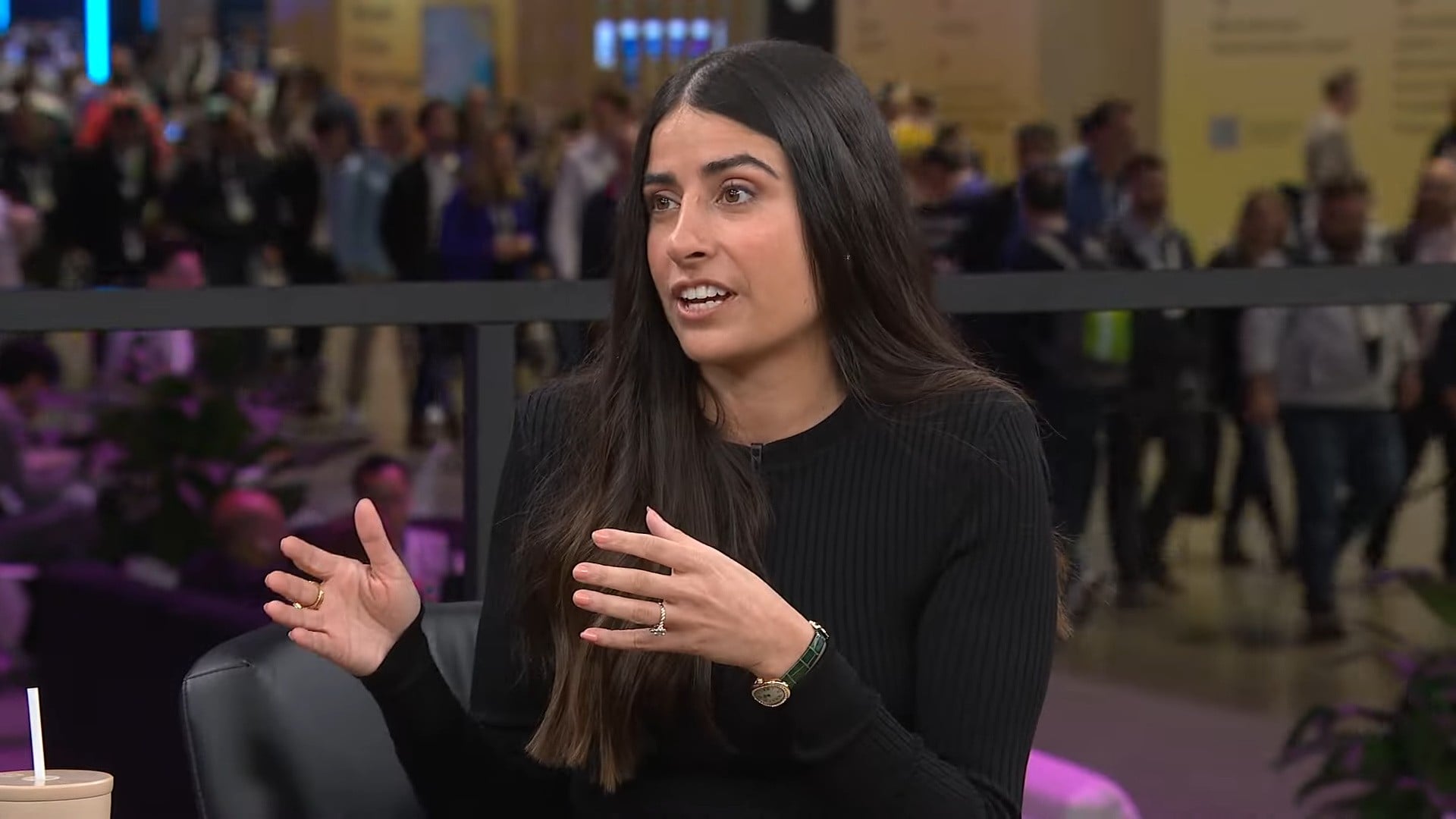
Asha Sharma’s professional history is characterized by a consistent focus on high-growth platforms and consumer-facing technology. Before assuming the leadership of Xbox, Sharma served for two years as the President of CoreAI Product at Microsoft. In this capacity, she was responsible for the strategic direction of the technologies that form the backbone of Microsoft’s AI revolution. Her portfolio included oversight of Azure AI Foundry, Azure OpenAI Service, and Azure Machine Learning—tools that are increasingly becoming central to modern software development, including the creation of sophisticated gaming environments and non-player character (NPC) behaviors.
Microsoft CEO Satya Nadella emphasized these strengths in a formal statement following the announcement. "Over the last two years at Microsoft, and previously as Chief Operating Officer at Instacart and a Vice President at Meta, Asha has helped build and scale services that reach billions of people and support thriving consumer and developer ecosystems," Nadella stated. He further noted that her experience in aligning business models to long-term value and operating at a global scale would be "critical" for the gaming business moving forward.
Chronology of a High-Impact Career
To understand the trajectory that led Sharma to the top of Microsoft’s gaming division, it is necessary to examine her roles at several of the tech industry’s most influential firms.
The Microsoft CoreAI Era (2022–Present)
During her most recent tenure at Microsoft, Sharma led the teams responsible for building foundation models and end-to-end toolchains for agentic applications. Her work focused on providing enterprise customers with the infrastructure needed to deploy AI at scale. In the context of gaming, these technologies represent the "engine room" of future innovation, potentially enabling more efficient game development cycles through AI-assisted coding, art generation, and automated quality assurance.
The Instacart Years (2021–2024)
As the Chief Operating Officer of Instacart, Sharma was tasked with managing a complex marketplace that connected millions of customers with hundreds of retail partners. Her responsibilities spanned product design, data science, research, marketing, and customer support. Managing the logistics and operational challenges of a gig-economy giant like Instacart provided Sharma with deep insights into consumer behavior and the necessity of maintaining a stable, scalable platform under fluctuating demand—skills that are directly transferable to managing the Xbox Network and its millions of concurrent users.
The Meta Experience (2017–2021)
At Meta (formerly Facebook), Sharma held various leadership positions, most notably as the Head of Product across Messenger and Instagram Direct. During this period, she oversaw the integration of messaging services and the development of tools used by billions of people daily. Her experience at Meta is particularly relevant to Xbox’s social and community-building efforts. As Microsoft seeks to integrate Xbox more deeply into social platforms and mobile environments, Sharma’s background in high-volume communication services will likely play a major role.
Entrepreneurial Roots and Early Microsoft Tenure
Prior to her time at Meta, Sharma was a foundational member of the leadership team at Porch Group, an insurance and home services company. From 2013 to 2017, she led diverse business units, including engineering, sales, and operations, helping the company navigate its early growth phases. Interestingly, her new role as Xbox boss is a homecoming of sorts; she previously worked in marketing at Microsoft from 2011 to 2013, giving her a foundational understanding of the company’s corporate culture before she ventured into the broader tech ecosystem.
Technical Expertise and the "Agentic" Future of Gaming
The specific technical areas Sharma managed within the CoreAI division offer clues into the future of the Xbox platform. Her oversight of "agentic applications"—AI systems capable of autonomous or semi-autonomous action—could signal a shift in how Microsoft views the gaming experience. In the near future, this could manifest as more intelligent, reactive game worlds or highly personalized user interfaces that adapt to individual player preferences through Azure AI Services.
Furthermore, Sharma’s experience with Azure AI Foundry and AI Search suggests that Microsoft may be looking to revolutionize how players discover content within the vast Xbox Game Pass library. By utilizing advanced AI-driven recommendation engines, the platform could significantly increase user engagement and "long-term value," a phrase specifically highlighted by Nadella.
Strategic Implications for the Xbox Brand
The appointment of a non-gaming native to the highest position in Microsoft Gaming has sparked significant discussion among industry observers. While Phil Spencer was known for his "gamer-first" persona and deep roots in the development community, Sharma represents a more analytical, platform-centric approach. This transition comes at a time when the traditional console model is under pressure from rising development costs and the growth of mobile and cloud gaming.
Several key implications arise from this leadership change:
- AI Integration in Development: We may see a more aggressive push to provide first-party and third-party developers with AI tools to mitigate the skyrocketing costs of AAA game production.
- Global Expansion via Cloud: Sharma’s experience in scaling services to billions of users aligns with Microsoft’s goal of reaching three billion gamers worldwide, many of whom do not own a dedicated console.
- Cross-Platform Connectivity: Her background at Meta suggests a vision for Xbox that transcends a single device, focusing instead on a unified social and gaming identity across PC, mobile, and cloud.
- Operational Efficiency: As a former COO, Sharma is likely to bring a rigorous focus on operational excellence and data-driven decision-making to a division that has recently seen significant layoffs and studio closures.
Official Responses and Market Context
The broader industry reaction to Sharma’s appointment has been one of cautious optimism tempered by the shock of Sarah Bond’s departure. While Bond was a beloved figure within the Xbox community, Sharma’s credentials as a "scaler" are undisputed. Market analysts suggest that Microsoft’s board of directors may have felt that after the massive acquisitions of the Spencer era, the company now needs a leader who can optimize these assets and integrate them into the wider Microsoft AI ecosystem.
In her first communications following the appointment, Sharma expressed a commitment to the "creative heart" of gaming while emphasizing the "transformative power of technology" to bring people together. While she has yet to outline a specific roadmap for the next generation of Xbox hardware, her previous presentations at events like Microsoft Ignite suggest a leader who is comfortable at the intersection of complex infrastructure and consumer experience.
Conclusion: A New Chapter for Xbox
Asha Sharma takes the helm of Xbox during one of the most volatile periods in the history of the medium. The brand is currently navigating the integration of Activision Blizzard, the expansion of its multi-platform publishing strategy, and the ongoing evolution of the subscription-based business model.
While she may not have the decades of gaming industry history that her predecessor possessed, Sharma brings a modern toolkit designed for the age of artificial intelligence and global digital services. As Microsoft Gaming moves into its "next era of growth," the success of the Xbox brand will likely depend on how effectively Sharma can bridge the gap between traditional creative excellence and the burgeoning capabilities of the AI revolution. For a brand that has always sought to be at the "bleeding edge" of technology, Sharma’s appointment may not be a departure from tradition, but rather the ultimate fulfillment of Microsoft’s long-term vision for the future of play.