

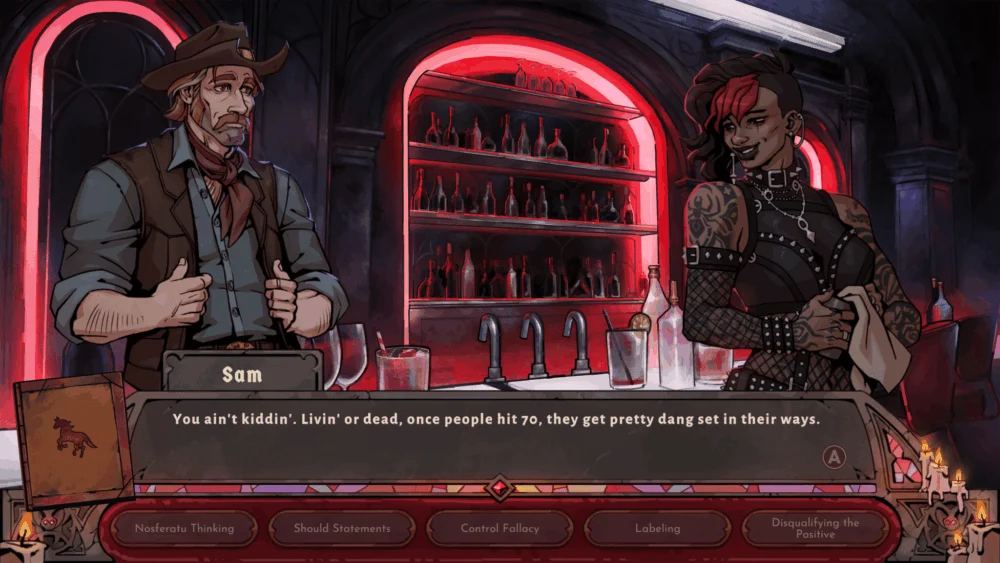
The landscape of narrative-driven indie titles has seen a significant shift toward blending entertainment with educational or psychological themes, and Little Bat Games’ Vampire Therapist stands as a prominent example of this trend. Originally released for PC in the summer of 2025, the title garnered critical acclaim, including a BAFTA nomination, before making its way to the PlayStation 5 and Nintendo Switch. Its recent arrival on the Xbox Series X marks the final stage of its cross-platform rollout, offering console players a unique opportunity to engage with a story that combines supernatural lore with real-world Cognitive Behavioral Therapy (CBT) techniques.
Project Background and Development Chronology
The journey of Vampire Therapist began with the founding of Little Bat Games, an independent studio dedicated to narrative innovation. The game was designed to address the often-stigmatized topic of mental health by filtering it through the lens of immortal beings who have carried psychological burdens for centuries. Following its initial PC launch in mid-2025, the game was praised for its writing and voice acting, leading to its expansion into the console market.
The timeline of the game’s release is as follows:

- June 2025: Initial release on PC via Steam and other digital storefronts.
- Late 2025: Launch on PlayStation 5 and Nintendo Switch, incorporating touch-screen controls for the latter.
- March 2026: Release on Xbox Series X/S, including the "Couples Therapy" expansion and technical optimizations for the Microsoft ecosystem.
This staggered release strategy allowed the developers to refine the user interface for controllers and address minor technical glitches reported during the initial PC launch. The Xbox version represents the most complete edition of the game to date.
Narrative Framework: From the Wild West to Modern Germany
The story of Vampire Therapist centers on Sam Wells, a 200-year-old vampire who originated in the American Wild West. Seeking to move beyond a history characterized by violence and isolation, Sam travels to modern-day Germany. His destination is Immernacht, a sophisticated nightclub owned by Andromachus, a 3,000-year-old vampire of Greek origin known colloquially as "Andy."
The narrative serves as a subversion of traditional vampire tropes. Rather than focusing on the hunt or the horror of the undead state, the game focuses on the existential dread and maladaptive thought patterns that might plague a being who lives forever. Andy, serving as a mentor, trains Sam in the art of therapy, specifically focusing on helping other vampires navigate their internal conflicts. This setup provides a framework for a series of episodic interactions with a diverse cast of "undead clients," each representing different historical eras and psychological struggles.
Core Mechanics and the Integration of CBT
The defining feature of Vampire Therapist is its integration of genuine Cognitive Behavioral Therapy techniques. Unlike many games that use "therapy" as a vague narrative device, Little Bat Games worked to ensure that the mechanics reflect actual psychological practices. As Sam progresses through his training under Andy, players are introduced to various "cognitive distortions"—irrational thought patterns that contribute to negative emotions.

The game rebrands these real-world distortions with thematic titles to fit the vampire setting. A notable example is "Nosferatu Thinking," which corresponds to "all-or-nothing" or "black-and-white" thinking. Other distortions taught throughout the nine-hour campaign include overgeneralization, emotional reasoning, and "shoulding" (placing unrealistic demands on oneself).
Players engage in these sessions through a conversational interface. During a session, a client will speak, and the player must identify which cognitive distortion is present in their dialogue. Successfully identifying these patterns allows Sam to guide the client toward a healthier perspective. This educational aspect has been highlighted by critics as one of the game’s strongest assets, as it effectively teaches players to recognize these distortions in their own lives without becoming overly didactic or "preachy."
Characterization and Cultural Commentary
The "motley crew" of clients Sam encounters provides the bulk of the game’s emotional weight. These characters are not merely caricatures; they are written with depth, reflecting themes of addiction, abuse, and the weight of history. The diversity of the cast allows the game to explore how different cultures and time periods might influence a person’s—or a vampire’s—mental state.
To balance the heavy subject matter, Little Bat Games employs a sharp, satirical sense of humor. The game draws frequent comparisons to the television series What We Do in the Shadows, utilizing the inherent absurdity of ancient vampires living in a modern world. Cultural references are woven into the environment, such as Sam’s coffin being equipped with a television, and the existence of vampire-specific social media platforms like "V-mail" and "OnlyZealots."

However, the humor occasionally veers into more puerile territory. Some critics have noted that while the wit is generally high-caliber, certain sexual jokes feel discordant with the otherwise sophisticated treatment of mental health. Nevertheless, the humor serves as a necessary relief from the game’s darker themes.
Technical Execution and Console Performance
On the Xbox Series X, Vampire Therapist maintains a stable performance, though some minor transition glitches between scenes have been reported. The art style is a standout feature, utilizing a stylized, hand-drawn aesthetic that complements the gothic yet modern atmosphere of the Immernacht nightclub. The character designs are distinct, conveying the personality and historical background of each vampire through their attire and posture.
The voice acting is perhaps the game’s most praised technical element. Each character is fully voiced, with performances that capture the nuance of therapy sessions. The chemistry between Sam and Andy is central to the game’s success, providing a grounded emotional core to the supernatural proceedings.
The Xbox version also includes mini-games designed to break up the dialogue-heavy segments. These include a meditation mini-game, which, while thematic, has been criticized for a lack of clear instructions. Despite this, the mechanics remain accessible, fitting the "visual novel" genre’s reputation for low-barrier entry.

Critical Analysis of Player Agency
One point of contention in the critical reception of Vampire Therapist is the level of player agency. The game operates on a "no-fail" logic; if a player identifies the wrong cognitive distortion during a therapy session, Andy or the client will gently nudge them toward the correct answer. There are no significant negative consequences for poor advice, and the overarching narrative remains largely the same regardless of player input.
This design choice ensures that the educational message of the game remains clear and that players do not feel punished for learning. However, from a traditional gaming perspective, it results in a lack of "stakes." Players may feel more like observers of a scripted story rather than active participants who can change the fate of their clients. This lack of agency is a common characteristic of the visual novel genre, but it is particularly noticeable here given the high-stakes nature of the themes involved.
Societal Impact and Representation
Little Bat Games has been transparent about the sensitive nature of the game’s content. A prominent trigger warning at the start of the experience alerts players to themes of suicide, addiction, and domestic abuse. The inclusion of these themes is handled with a level of care that reflects the studio’s commitment to accurate mental health representation.
By placing these issues within a supernatural context, the game creates a "safe distance" for players to engage with difficult topics. The use of immortal vampires as the subjects of therapy highlights a universal truth: that mental health is a lifelong journey, regardless of how long that life may last.

Conclusion and Industry Implications
Vampire Therapist represents a successful fusion of genre fiction and social utility. Its arrival on the Xbox Series X completes a successful multi-platform journey that has seen the title evolve from an indie curiosity into a recognized contributor to the "serious games" movement.
The game’s primary achievements lie in:
- Educational Value: Successfully teaching the basics of CBT through engaging gameplay.
- Narrative Depth: Creating a compelling world that balances humor with genuine pathos.
- Aesthetic Quality: Delivering high-quality voice acting and art that enhance the immersion.
While the lack of branching paths and the occasionally uneven humor may detract from the experience for some, the overall impact of Vampire Therapist is positive. It serves as a blueprint for how developers can utilize the interactive nature of video games to foster empathy and provide players with actual tools for self-reflection. As the industry continues to explore the boundaries of narrative adventures, Vampire Therapist stands as a testament to the power of the "fang-club" to address the most human of problems through the most inhuman of characters.