

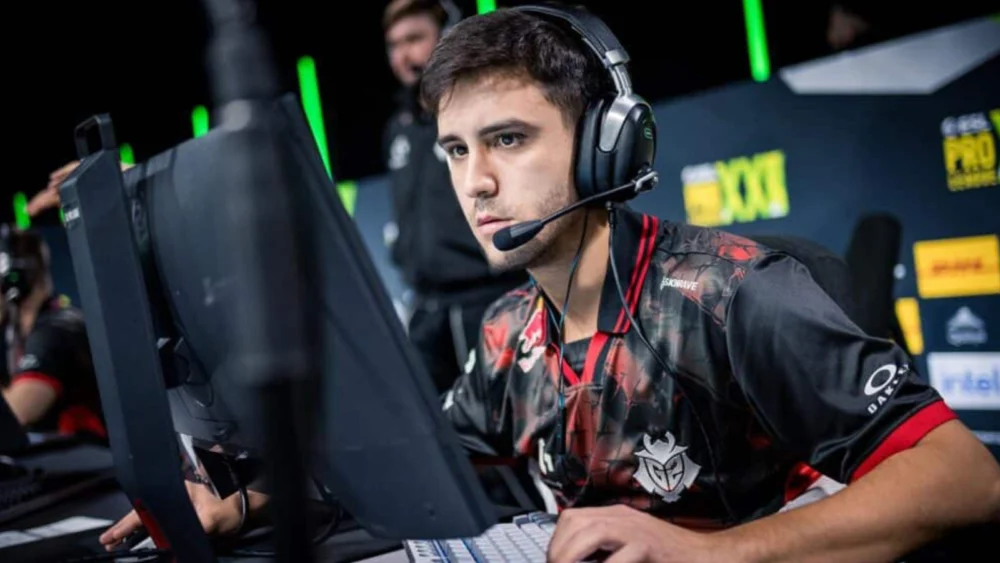
Valve, the developer behind the immensely popular tactical shooter Counter-Strike 2 (CS2), has significantly tightened its regulations regarding the association of professional esports teams with services centered around its in-game cosmetic economy, specifically case opening, skin trading, and skin gambling platforms. This sweeping policy change, enacted through updated Tournament Operation Requirements and Limited Game Tournament License, prohibits CS2 esports organizations from leveraging these often lucrative, yet controversial, sponsorship avenues. The move signals a concerted effort by Valve to distance its premier esports ecosystem from activities that have frequently skirted the edges of legality and ethical marketing practices.
The intricate in-game economy of Counter-Strike has evolved into a multi-billion dollar industry, far exceeding its origins as mere digital collectibles. Weapon skins, the primary focus of this economy, have achieved staggering valuations, with some rare items commanding prices in the hundreds of thousands, and even exceeding a million dollars. This inherent value has fostered a complex ecosystem of third-party services dedicated to trading, opening virtual cases (which function akin to loot boxes), and, most controversially, skin gambling. These platforms have, for years, been significant financial backers for numerous professional CS2 teams and prominent players, often featuring prominently on team jerseys, broadcasts, and promotional materials.
However, the unregulated nature and potential for exploitation within the skin gambling sphere have drawn increasing scrutiny. Valve’s recent policy update is not an isolated incident but rather the latest in a series of actions aimed at curbing the influence of these services. This proactive stance mirrors efforts seen across the digital landscape, with major platforms like YouTube also implementing stricter rules to prevent the promotion of CS2 skin gambling advertisements. The confluence of these regulatory actions suggests a broader industry-wide recognition of the need for greater oversight and consumer protection within the virtual item economy.
Chronology of Valve’s Regulatory Push
Valve’s recent actions represent a culmination of growing concerns and a strategic shift in policy. While the exact genesis of this intensified crackdown can be traced back over several years, the announcement on December 9, 2025, marks a definitive turning point. This date signifies the official implementation of the updated Tournament Operation Requirements and Limited Game Tournament License, which explicitly outlines the new sponsorship restrictions.
Prior to this official decree, there were discernible signs of Valve’s intent. The company had previously been observed to be “pushing to minimize” the prominence of gambling-related content within the Counter-Strike ecosystem. This often manifested in subtle ways, such as stricter enforcement of existing terms of service or a less permissive stance on certain types of third-party integrations. However, these efforts lacked the broad, definitive impact of the December 2025 update.
The announcement was first brought to light by esports news outlet Dust2.us, which detailed the specific language introduced into Valve’s operational guidelines. The implications of this new language are far-reaching, impacting how tournaments are organized, broadcast, and how teams engage with potential sponsors. The rule essentially mandates that any content or material displayed during a broadcast, or even on physical assets like team jerseys, must not violate Valve’s intellectual property or the terms of the Steam Subscriber Agreement. This broad interpretation effectively bans any direct or indirect promotion of case opening, skin trading, or skin gambling sites.
Further reporting by HLTV, a prominent esports news source for Counter-Strike, indicated that some teams were aware of the impending rule change and had already begun to adapt. These proactive organizations reportedly secured new, non-sponsored jerseys in anticipation of the Starladder Budapest Major 2025, demonstrating a level of preparedness and a recognition of the significant financial implications of the new regulations. This suggests a period of quiet communication between Valve and key stakeholders in the esports scene leading up to the official announcement, allowing for a somewhat smoother transition for those who heeded the early warnings.
The Scope of the New Restrictions
The new regulations impose stringent broadcast restrictions, effectively prohibiting any form of advertisement or endorsement of case opening, skin trading, or gambling sites. This extends beyond simple on-screen logos or verbal mentions. The updated language specifically states that tournament organizers are required to "not distribute or display, including on team jerseys or in any other content that may be visible during the broadcast, any content or material that either violates Valve IP or the terms of the Steam Subscriber Agreement."
This inclusive phrasing means that even subtle integrations, such as a team’s name being associated with a particular skin trading platform through social media shout-outs during a broadcast, could be deemed a violation. The primary target is the direct financial sponsorship where these entities provide funding in exchange for visibility. For professional CS2 teams, this often translates to prominent placement of sponsor logos on their uniforms, team websites, social media channels, and during live tournament broadcasts.
The implications for teams are immediate and significant. A substantial portion of the professional Counter-Strike circuit has historically relied on these types of sponsorships to fund their operations, player salaries, and travel expenses. Reports indicate that a notable number of top-ranked teams are directly affected by this policy change. Specifically, three of the currently top-five ranked teams in the world are understood to have direct sponsorship ties to entities now prohibited by Valve.

Examples of these implicated teams and their sponsors include:
- Team Vitality: Sponsored by Skin.Club, a prominent skin gambling platform.
- MOUZ: Sponsored by G4Skins, another significant player in the skin gambling market.
- The MongolZ: Sponsored by CSGOSKINS, a platform associated with skin trading and potentially gambling.
The fact that these high-profile teams, with substantial fan bases and competitive success, are directly impacted underscores the pervasive nature of these sponsorships within the current esports landscape. The logos of these companies have, for a considerable period, been a familiar sight on the jerseys of many professional players, creating a visual association between elite esports and the skin economy.
Background and Context: The Allure of the Skin Economy
The Counter-Strike skin economy’s meteoric rise is a phenomenon rooted in a combination of factors: the game’s enduring popularity, the scarcity of rare items, and the social status associated with possessing high-value virtual assets. Since its introduction, Counter-Strike has cultivated a dedicated global player base, with millions logging in daily. Within this massive community, the acquisition and display of unique weapon skins became a significant aspect of player identity and engagement.
The introduction of “cases” – virtual containers that players can purchase keys for to unlock random weapon skins – was a pivotal moment. These cases, along with the direct trading of skins between players, created a vibrant, albeit largely unregulated, marketplace. The allure of unboxing rare, highly stylized skins, often designed by community artists, fueled a speculative market. Prices for certain skins, particularly those with unique patterns, finishes, or rare wear levels, began to skyrocket. The “Dragon Lore” AWP skin, for instance, has become legendary for its astronomical value, with some examples fetching prices that rival those of luxury vehicles.
This inherent value and the speculative nature of the market inevitably attracted the attention of those seeking to profit from it. Skin gambling platforms emerged, allowing users to wager their virtual skins on outcomes such as roulette-style games, coin flips, or case unboxing simulations. These platforms often operate with minimal oversight, raising concerns about underage gambling, addiction, and the potential for scams. The ability for players to convert their in-game items into real-world currency, or at least engage in activities that simulate financial risk and reward, blurred the lines between gaming and traditional gambling.
The integration of these platforms into the professional esports scene was a natural, albeit problematic, progression. As teams sought to increase their revenue streams and players aimed to supplement their incomes, sponsorships from skin trading and gambling sites became increasingly common. For these services, partnering with established esports organizations offered a direct pipeline to a highly engaged, often young, demographic that was already invested in the Counter-Strike ecosystem. This symbiotic relationship, however, has long been a point of contention for regulatory bodies and those concerned about the ethical implications of esports marketing.
Analysis of Implications and Broader Impact
Valve’s decision to ban sponsorships from case opening, skin trading, and skin gambling services carries profound implications for the Counter-Strike 2 esports landscape. Firstly, it represents a significant financial disruption for many professional teams. These organizations will now need to actively seek out alternative revenue streams, potentially diversifying into non-endemic sponsorships (companies outside the gaming industry), merchandise sales, or other forms of content creation. This transition may prove challenging, especially for smaller teams or those heavily reliant on the now-prohibited sponsors.
Secondly, the move signals a broader trend towards the professionalization and legitimization of esports. By distancing itself from gambling-adjacent activities, Valve is attempting to position Counter-Strike 2 as a more mature and responsible competitive environment. This could attract a wider range of corporate sponsors who may have previously been hesitant to associate their brands with the perceived risks of esports, particularly those involving virtual item gambling.
Furthermore, the policy change may indirectly impact the skin market itself. With major esports entities no longer actively promoting these services, the visibility and perceived legitimacy of skin gambling and trading platforms could diminish. This might lead to a decrease in new user acquisition for these sites, potentially affecting the overall demand for certain skins and influencing their market value. However, the sheer volume of existing skin owners and the established trading infrastructure suggest that the market will likely adapt rather than collapse entirely.
The stance taken by Valve also sets a precedent for other game developers and esports organizers. As the esports industry continues to mature and attract mainstream attention, the ethical considerations surrounding sponsorship and marketing practices will become increasingly critical. Valve’s proactive regulatory approach, while potentially disruptive in the short term, could contribute to a more sustainable and ethically sound future for competitive gaming.
The challenge for Valve and the teams now lies in navigating this new landscape. While the ban addresses a significant ethical concern, it also necessitates a strategic recalibration of team business models. The long-term success of this policy will depend on Valve’s continued commitment to enforcing these rules and its support for teams in finding new, legitimate avenues for sponsorship and growth. The evolution of Counter-Strike 2’s esports scene, stripped of its controversial gambling affiliations, will be a key indicator of the industry’s ability to embrace greater accountability and ethical governance.