

Valve, the developer behind the immensely popular tactical shooter Counter-Strike 2 (CS2), has significantly escalated its crackdown on the association between professional esports teams and services related to the game’s in-game economy, specifically focusing on case opening, skin trading, and skin gambling platforms. In a move that reverberates through the lucrative CS2 esports ecosystem, new regulations now explicitly restrict professional teams from leveraging these controversial entities as sponsors, impacting everything from team jerseys to broadcast visibility during official tournaments. This policy shift signifies a deliberate effort by Valve to distance the core competitive integrity of Counter-Strike from the often-criticized elements of its virtual marketplace.
The intricate and often opaque skin economy within Counter-Strike has long been a defining characteristic of the franchise, transcending its purely competitive gameplay. Weapon skins, cosmetic items that alter the visual appearance of firearms, have evolved into highly sought-after commodities, with some rare pieces fetching astronomical sums. Reports have surfaced detailing individual skins valued in the tens of thousands of dollars, with exceptionally rare items even breaking the seven-figure mark in private transactions. This burgeoning virtual market has, in turn, given rise to a proliferation of third-party platforms dedicated to skin trading and, more controversially, skin gambling. These sites, which allow players to bet virtual items or real money on the outcome of virtual item drops or other probabilistic games, have operated in a regulatory gray area for years, becoming significant revenue streams for some and a source of concern for others.
Valve’s increased scrutiny of these activities is not an isolated development. The company has, in recent years, taken steps to minimize the prominence and influence of these associated services within the broader Counter-Strike experience. This includes implementing stricter guidelines on how these platforms can be advertised and promoted. This proactive stance by Valve is mirrored by other major digital platforms. Notably, YouTube, a primary conduit for esports content and viewership, has also implemented its own set of rules aimed at curbing the promotion of CS2 skin gambling advertisements on its platform, reflecting a growing industry-wide concern regarding the ethical implications and potential harms associated with these practices, particularly concerning underage engagement and problem gambling.
The latest regulatory update, detailed in a recent revision of Valve’s Tournament Operation Requirements and Limited Game Tournament License, unequivocally bans the advertisement of case opening, skin trading, and skin gambling sites in any capacity during official CS2 tournaments. This prohibition extends to all forms of visual media and promotional materials that might be visible during a broadcast, a critical detail that directly impacts the financial viability of many existing team sponsorships. The implications are far-reaching, as these types of sponsors have become deeply embedded within the professional CS2 circuit, often adorning team jerseys, sponsoring player streams, and appearing on tournament broadcasts.
CS2 Esports Teams Face Significant Sponsorship Overhaul Amidst Valve’s Regulatory Push
The new regulations, which reportedly took effect following an update to Valve’s official documentation on December 9, 2025, as initially reported by esports news outlet Dust2.us, represent a stringent enforcement of Valve’s stance. Tournament organizers are now explicitly mandated to "not distribute or display, including on team jerseys or in any other content that may be visible during the broadcast, any content or material that either violates Valve IP or the terms of the Steam Subscriber Agreement." This clause effectively cuts off a significant avenue for revenue for many professional CS2 organizations.
The financial landscape of esports is heavily reliant on sponsorship deals. For many teams, particularly those outside the absolute top tier, partnerships with skin trading and gambling sites have been a crucial source of funding, enabling them to cover operational costs, player salaries, travel expenses, and investment in infrastructure. The sudden removal of these established sponsorship streams forces a rapid and potentially disruptive pivot for a considerable number of organizations.
Analysis of current top-tier CS2 teams reveals the extent of this integration. According to data compiled by various esports analytics firms, a substantial percentage of the highest-ranked teams have, at some point, been associated with such sponsors. A stark illustration of this is the fact that three of the top five ranked CS2 teams globally are directly implicated by this new rule change. This indicates that the impact will be felt at the highest echelons of professional play, not just at the semi-professional or amateur levels.
Key Teams and Sponsorships Directly Affected by Valve’s New Directives
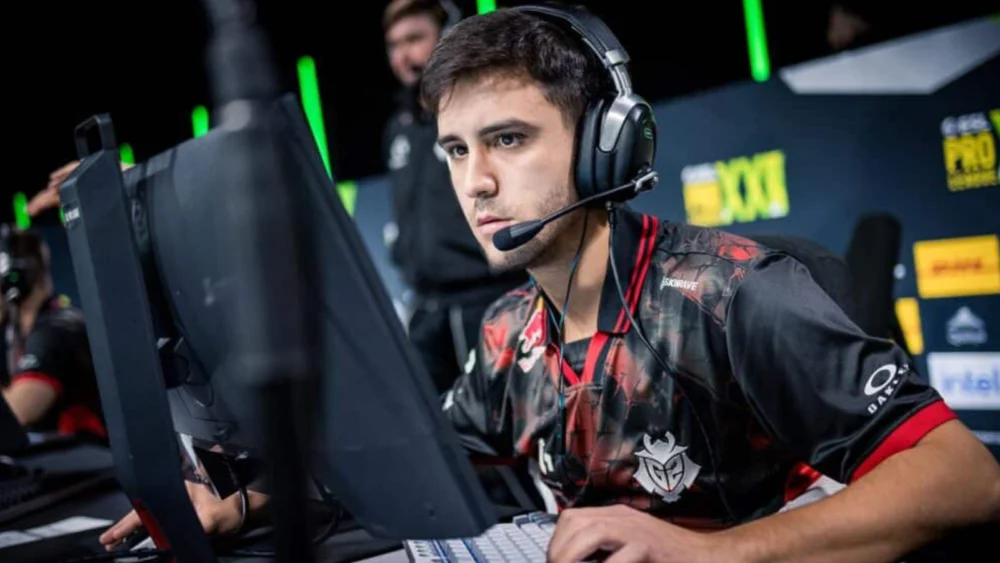
Several prominent CS2 esports organizations have long-standing sponsorship agreements with companies operating in the skin trading and gambling space. These partnerships are often visually represented on team merchandise, most notably their jerseys, which serve as mobile billboards during live matches and broadcasts. For instance, the European powerhouse Team Vitality has been sponsored by Skin.Club, a platform widely recognized for its case opening and skin trading services. Similarly, the German organization MOUZ has had G4Skins as a sponsor, and The MongolZ, a team representing Mongolia, has partnered with CSGOSKINS. In all these cases, the respective sponsor logos have been prominently featured on the teams’ official jerseys, making them directly subject to Valve’s new prohibition.

The implementation of these rules is not without precedent in terms of enforcement. Valve has previously demonstrated a willingness to take action against entities that violate its terms of service or disrupt the integrity of its games. However, the broad and sweeping nature of this recent directive, encompassing official tournament broadcasts and team apparel, signals a significant escalation in their regulatory approach. This move appears to be a calculated effort to reassert control over the brand image and competitive environment of Counter-Strike, aiming to foster a more controlled and arguably more ethically sound ecosystem for its flagship esports title.
The timing of this announcement is also noteworthy. Reports suggest that some teams were provided with an advance warning of this impending rule change. This foresight allowed certain organizations to proactively address the situation. For example, as further reported by HLTV.org, some teams have already begun to transition to new, non-affiliated jerseys in anticipation of the Starladder Budapest Major 2025. This suggests a degree of preparedness and a recognition within the industry that Valve’s stance on these matters was hardening. The Starladder Budapest Major, a premier event in the CS2 calendar, would have been a prime venue for these sponsored logos to be displayed, making the pre-emptive jersey changes a strategic move to comply with the new regulations ahead of a major tournament.
Historical Context: The Rise and Scrutiny of CS2’s Virtual Economy
The phenomenon of CS2 skins and their associated markets began to gain significant traction in the mid-2010s. Initially, skins were seen as simple cosmetic additions to the game. However, as the player base grew and the rarity of certain items increased, a robust secondary market emerged. This market was largely facilitated by third-party websites that allowed users to trade, buy, and sell skins using real-world currency. This organically led to the development of platforms that began to integrate gambling mechanics. These gambling sites often operated by allowing users to deposit their valuable skins and then use them as in-game currency for various forms of betting, including roulette, coin flips, and case openings with uncertain outcomes.
Concerns about the legality and ethical implications of these gambling sites began to surface prominently around 2016-2017. Regulatory bodies in various countries started investigating these operations, questioning whether they constituted unlicensed gambling, especially when minors could access them. Valve’s initial response was somewhat indirect, often focusing on enforcing its Steam Subscriber Agreement’s terms against unauthorized trading and account sharing, rather than directly shutting down the gambling sites themselves. However, the pressure from regulators and the growing public scrutiny led Valve to take a more active role in attempting to curb the most egregious aspects of the skin gambling industry.
The recent regulatory update marks a significant evolution in Valve’s approach. Instead of focusing solely on the operational aspects of the gambling sites themselves, Valve is now directly impacting the ecosystem that supports them – the professional esports scene. By severing the financial ties between esports teams and these sponsors, Valve aims to diminish the visibility and perceived legitimacy of these platforms. This strategy could be seen as a long-term play to protect the core integrity and competitive spirit of Counter-Strike, ensuring that the game’s primary focus remains on skill-based gameplay rather than the allure of virtual economies and probabilistic outcomes.
Broader Impact and Future Implications for CS2 Esports
The ramifications of Valve’s new policy extend beyond the immediate financial adjustments for affected teams. This regulatory shift could lead to a diversification of sponsorship in CS2 esports. Teams will likely need to seek partnerships with companies from industries less susceptible to Valve’s scrutiny, such as technology, hardware, energy drinks, or even traditional sports apparel brands. This could, in the long run, lead to a more stable and diversified sponsorship base for the esports scene.
Furthermore, the move could signal a broader trend within the gaming industry. As esports continues to grow and attract mainstream attention, developers and publishers are facing increased pressure to ensure ethical practices and maintain the integrity of their competitive environments. Valve’s decisive action in CS2 could serve as a precedent for other game developers grappling with similar issues related to in-game economies and their association with third-party services.
However, the transition will not be without its challenges. Teams that relied heavily on skin gambling sponsorships may face significant financial strain in the short to medium term. There is also the potential for some less scrupulous entities to attempt to circumvent the new rules, leading to an ongoing cat-and-mouse game between Valve and those seeking to profit from the CS2 skin economy. The long-term success of Valve’s crackdown will depend on consistent enforcement and the industry’s ability to adapt to these new regulatory standards.
In conclusion, Valve’s latest directive represents a decisive move to clean up the association between professional Counter-Strike 2 esports and the controversial world of skin trading and gambling. By barring these services from sponsoring teams and appearing at official events, Valve is not only reinforcing its commitment to competitive integrity but also attempting to safeguard its brand image and the well-being of its player base. The coming months will reveal the full extent of the impact this policy has on the financial structure and sponsorship landscape of CS2 esports, potentially ushering in a new era for the game’s professional scene.