

Valve is enacting a significant policy shift to further distance its premier esports title, Counter-Strike 2 (CS2), from the controversial realms of case opening, skin trading, and skin gambling services. The game developer has implemented new rules that strictly prohibit professional CS2 teams from leveraging these entities as sponsors. This move represents a substantial evolution in Valve’s ongoing efforts to regulate the in-game economy and its associated third-party platforms, aiming to protect the integrity of the competitive scene and its player base.
The vibrant and often lucrative in-game economy of Counter-Strike has been a defining characteristic of the franchise for years, extending beyond its core round-based tactical gameplay. Weapon skins, in particular, have evolved from mere cosmetic items into highly sought-after digital assets, with some achieving astronomical valuations. Reports have consistently documented weapon skins being valued in the tens of thousands of dollars, with a select few even surpassing the million-dollar mark. This high-stakes virtual marketplace has, inevitably, fostered the growth of numerous third-party platforms dedicated to skin trading and, more contentiously, skin gambling.
Valve’s increased scrutiny of these platforms is not entirely new. In recent years, the company has signaled its intention to minimize the influence of these external services on the core Counter-Strike experience. This proactive stance has also seen alignment from other major platforms. Notably, YouTube has also undertaken measures to curtail the promotion of CS2 skin gambling advertisements on its service, indicating a broader industry trend towards greater oversight and regulation of these activities. The latest directive from Valve, however, marks a more direct and impactful intervention specifically targeting the professional esports ecosystem.
CS2 Esports Teams Barred from Promoting Skin Gambling Sponsors
The most significant development in this policy overhaul is the explicit prohibition of CS2 esports teams from engaging with and promoting sponsors involved in case opening, skin trading, or skin gambling. This new regulation was formally introduced through an update to Valve’s Tournament Operation Requirements and Limited Game Tournament License. The amendments, which came into effect on December 9, 2025, introduce stringent broadcast restrictions that leave no room for ambiguity regarding permissible sponsorships.
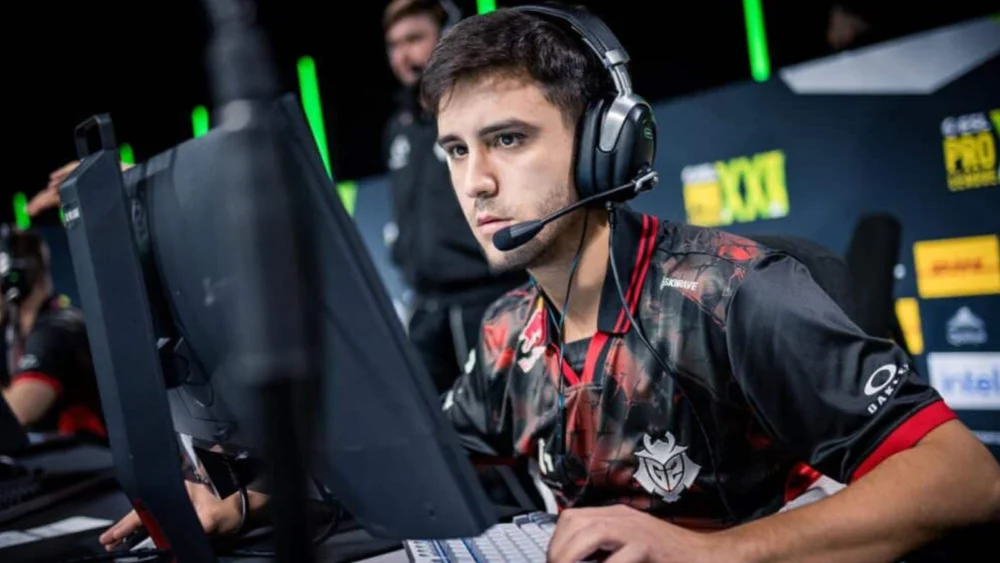
According to the updated language, case opening sites, along with skin trading or gambling platforms, are expressly forbidden from being advertised in any capacity during official Counter-Strike 2 broadcasts and events. This prohibition extends unequivocally to team jerseys, a common and highly visible advertising real estate for esports organizations. Tournament organizers are now mandated to "not distribute or display, including on team jerseys or in any other content that may be visible during the broadcast, any content or material that either violates Valve IP or the terms of the Steam Subscriber Agreement." This broad clause effectively eliminates any avenues through which these controversial sponsors could gain visibility within the professional CS2 competitive circuit.
Timeline of Valve’s Evolving Stance on the Skin Market
Valve’s journey towards this comprehensive crackdown has been a gradual, yet increasingly assertive, process.
- Early Years (Pre-2017): The emergence of the CS:GO skin market and associated trading platforms was largely unregulated. While Valve facilitated the initial creation of cosmetic items through its "case" system, the proliferation of third-party trading and gambling sites occurred organically, driven by player demand and the immense value of virtual items.
- 2016-2017: Initial Regulatory Steps: Growing concerns over the transparency and potential for underage gambling within the skin market led to increased public and regulatory pressure. In 2016, Valve issued a statement acknowledging the existence of these sites and affirming that they were operating outside of Steam’s terms of service. This period saw Valve take some initial actions, such as sending cease-and-desist letters to some of the larger gambling sites. However, the impact was limited, and the market continued to thrive.
- 2020s: Intensified Scrutiny and Platform-Level Actions: As the esports scene matured and the financial stakes grew, Valve began to implement more targeted measures. This included stricter enforcement of existing Steam Subscriber Agreement clauses and a noticeable reduction in the visibility of gambling-related content within official Steam features. The concurrent actions by platforms like YouTube, as mentioned in the original report, demonstrate a wider industry recognition of the issues surrounding unregulated skin gambling.
- December 2025: Formal Prohibition in Esports Sponsorships: The latest update to the Tournament Operation Requirements represents the most significant and direct intervention by Valve into the esports sponsorship landscape. By explicitly banning skin gambling and trading affiliations from professional teams and events, Valve is drawing a firm line, seeking to decouple the competitive integrity of CS2 from the speculative and potentially harmful aspects of the virtual item market.
Data and Impact: The Ubiquity of Skin Gambling Sponsors

The impact of Valve’s new policy is substantial, given the widespread integration of skin gambling and trading platforms into the sponsorship models of top-tier CS2 esports organizations. A significant number of prominent teams have, until now, relied on revenue streams generated from these partnerships. The original report highlights that three out of the top five ranked CS2 teams globally are implicated by this rule change, underscoring the pervasiveness of these sponsorships.
For instance, teams like Vitality, a consistent contender at major tournaments, have been sponsored by Skin.Club. Similarly, MOUZ, another established esports powerhouse, has had a partnership with G4Skins. The MongolZ, a team that has gained significant traction in recent years, also features CSGOSKINS on their team jerseys. These are not isolated incidents but rather indicative of a broader trend where skin-related services have become a go-to sponsorship category for many professional outfits seeking financial backing in a competitive and often expensive esports landscape.
The revenue generated from these sponsorships has been crucial for team operations, including player salaries, infrastructure development, and travel expenses. The sudden removal of these income sources will necessitate a rapid pivot for affected organizations, forcing them to seek alternative sponsorship avenues. This could lead to a period of financial instability for some teams, while others with more diversified sponsorship portfolios may weather the transition more smoothly.
Reactions and Preparations: Teams Adapt to the New Landscape
While the official announcement was made on December 9, 2025, reports suggest that some teams may have received advance notice of Valve’s intentions. This proactive communication, as indicated by HLTV’s reporting, has allowed certain organizations to begin adapting their strategies. Some teams have reportedly already transitioned to non-sponsored jerseys in anticipation of the upcoming major tournaments, such as the Starladder Budapest Major 2025. This suggests a degree of preparedness within the esports community, though the full extent of the financial and operational adjustments required remains to be seen.
Inferred reactions from team managers and stakeholders are likely to be mixed. On one hand, there will be concerns about the immediate financial implications and the challenge of replacing lost sponsorship revenue. The pressure to find new, legitimate sponsors who align with Valve’s updated requirements will be immense. On the other hand, some within the esports community may welcome the move, viewing it as a positive step towards enhancing the legitimacy and public perception of professional Counter-Strike. By distancing itself from the often-criticized gambling elements, Valve could be aiming to attract a broader audience and more traditional corporate sponsors, thereby fostering a more stable and sustainable esports ecosystem in the long run.
Broader Impact and Implications for the Counter-Strike Ecosystem
Valve’s decision to ban skin gambling and trading sponsorships has far-reaching implications that extend beyond just the professional teams.
- The Future of Third-Party Sites: These new regulations will undoubtedly impact the business models of the third-party skin trading and gambling sites themselves. With direct access to the professional esports scene now severed, their ability to market and attract users through familiar channels will be significantly diminished. This could lead to a contraction of these platforms or a forced diversification of their marketing strategies.
- Player Engagement and Perceptions: For the average player, the visibility of these sponsors in professional matches has often served as an indirect endorsement. The removal of this association may subtly influence player perceptions of these services, potentially leading to a decrease in their use, particularly among younger or more impressionable segments of the player base. Valve’s ongoing commitment to safeguarding its player community, especially minors, is likely a driving factor behind this decision.
- Integrity of the Competitive Scene: A key argument for Valve’s intervention is the protection of the competitive integrity of Counter-Strike 2. The blurred lines between skin trading, gambling, and professional play have, in the past, raised concerns about potential match-fixing or exploitation. By creating a clearer separation, Valve aims to fortify the perception of fairness and legitimacy within its esports circuit, which is crucial for maintaining trust with fans, players, and potential investors.
- Potential for New Sponsorship Opportunities: While the immediate concern is the loss of existing sponsorships, this policy shift also opens the door for new types of sponsors to enter the CS2 esports arena. Companies in sectors that were previously hesitant to associate with gaming due to the presence of gambling-related sponsors may now find CS2 a more appealing platform for brand exposure. This could lead to a healthier and more diverse sponsorship landscape in the future.
In conclusion, Valve’s stringent new rules targeting sponsorships with skin gambling and trading services represent a pivotal moment for Counter-Strike 2 esports. This decisive action reflects a strategic effort by Valve to address long-standing concerns surrounding the in-game economy and its external manifestations, aiming to foster a more secure, legitimate, and sustainable competitive environment for its flagship title. The coming months will be critical in observing how professional teams adapt to this new reality and how the broader Counter-Strike ecosystem evolves in response to this significant policy shift.