

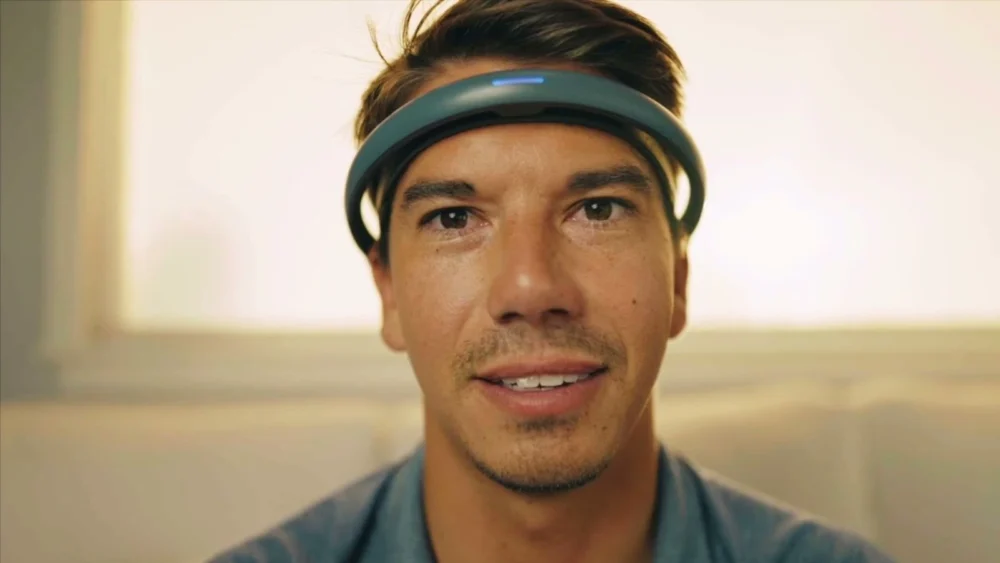
A groundbreaking investigation has surfaced alarming allegations that the brain activity data of globally recognized athletes and professional esports players may have been funneled to the Chinese government, potentially to advance its ambitious "super soldier" program. The probe, detailed on the September 16 episode of the podcast "Pablo Torre Finds Out" (PTFO) and amplified by an accompanying report from Hunterbrook, centers on the neurotechnology company BrainCo, founded at Harvard in 2015. The company, which has received substantial investment from Chinese sources, develops wearable EEG (electroencephalography) headbands, notably the FocusCalm device, designed to enhance focus and cognitive performance by analyzing brainwave patterns.
The core of the controversy lies in the assertion that BrainCo, under China’s increasingly stringent national security laws, is compelled to share all data collected with the Chinese Communist Party (CCP). This data transfer is alleged to occur with remarkable frequency, reportedly "every half second," raising significant questions about the privacy and potential misuse of sensitive biometric information belonging to some of the world’s most high-performing individuals.
BrainCo’s Rise and the Allegations of Data Sharing
BrainCo’s journey began with a mission to leverage neurotechnology for human enhancement. Its flagship product, the FocusCalm headband, utilizes EEG sensors to monitor brain activity, offering users insights into their concentration levels and providing feedback mechanisms to improve focus. While marketed for general wellness and performance optimization, the company’s deep ties to China and the reported data-sharing practices have cast a long shadow over its operations.
The investigation by PTFO and Hunterbrook highlights a critical juncture: China’s declared national strategy to become a global leader in artificial intelligence and advanced technologies. This ambition extends beyond civilian applications, with clear indications of military integration. The Hunterbrook report explicitly states, "The Chinese government has made no secret of its ambitions for other applications, including military ones." It further cites state media discussions of "super soldiers" with neural enhancements and notes that the People’s Liberation Army has actively organized national Brain-Computer Interface (BCI) competitions. Moreover, the PLA’s medical research arm has reportedly collaborated with private entities like BrainCo to develop BCI products specifically for enhancing memory and attention in military personnel.
A Star-Studded List of Potential Data Contributors
The implications of these allegations are profound, given the caliber of individuals reportedly associated with BrainCo’s technology. The investigation names several prominent figures and organizations:
- Formula 1 Superstar Charles Leclerc: A leading driver in Formula 1, known for his intense focus and split-second decision-making.
- Tennis Sensation Jannik Sinner: A rapidly rising star in professional tennis, demanding exceptional mental fortitude and concentration.
- Olympic Ski Champion Mikaela Shiffrin: Arguably the greatest slalom skier of all time, requiring unparalleled focus under immense pressure.
- Grand Slam Winner Iga Swiatek: A dominant force in women’s tennis, known for her mental strength and strategic prowess.
- U.S. and Italian Olympic Teams: Portions of these national athletic contingents have been linked to the use of BrainCo’s technology, suggesting a broader adoption within elite sports.
- Manchester City Football Club: A powerhouse in English football, where split-second decisions and sustained focus are paramount.
- Esports Professionals: The investigation specifically points to the involvement of Call of Duty professionals and mentions Minnesota Rokkr as a BrainCo partner. Furthermore, Robert Yip, former coach for the Immortals League of Legends team, has also been cited.
The inclusion of these athletes and teams raises a critical question: were they aware that their personal neural data, captured during training and performance, could be accessible to a foreign government for potentially military-driven research?
The Legal Framework and Data Sovereignty Concerns
China’s national security laws, particularly those enacted or updated in recent years, have significantly broadened the government’s access to data held by domestic companies. The vague and expansive nature of these laws means that companies operating within China, or those with significant Chinese investment and operations, can be compelled to provide any information deemed relevant to national security. This creates a complex legal landscape for international athletes and organizations who may not fully grasp the implications of their data’s journey.

The practice of "every half second" data sharing suggests a continuous stream of highly granular biometric information. This data could offer unprecedented insights into an individual’s cognitive state, stress responses, decision-making processes, and learning patterns – all valuable for understanding human performance at its peak. When applied to a military context, such data could be instrumental in developing training regimens, identifying optimal cognitive states for combat, and potentially even designing technologies that could influence or enhance soldier performance.
Broader Implications and U.S. Senatorial Warnings
The revelations surrounding BrainCo’s alleged data sharing align with growing concerns expressed by U.S. lawmakers regarding China’s advancements in neurotechnology and its potential military applications. In the past, U.S. senators have issued stern warnings about the possibility of China exploiting sensitive neural data, with some characterizing the nation’s efforts as the development of "purported brain-control weaponry."
These concerns are not theoretical. China has been at the forefront of BCI research and development, viewing it as a critical frontier for future technological dominance. The nation has consistently demonstrated a rapid pace of technological adoption and innovation, from advanced AI to sophisticated surveillance systems and, as previously reported, even practical applications like readily available, low-cost exoskeletons for public use. The integration of neurotechnology into military strategy represents a logical, albeit concerning, extension of this broader technological push.
Official Responses and the Silence of the Accused
As of the reporting of this article, none of the named athletes or sporting organizations have issued a direct response to the allegations. This silence is not uncommon in such complex investigations, where legal and public relations strategies are carefully managed.
However, individuals associated with BrainCo have previously offered testimonials. Brian "Saintt" Baroska, a player for Minnesota Rokkr, and Robert Yip, the former Immortals League of Legends coach, are noted to have provided endorsements for the FocusCalm device, citing improvements in their performance. These past statements, while not directly addressing the data sharing allegations, underscore their belief in the product’s efficacy.
BrainCo itself has not publicly commented on the specific findings of the PTFO and Hunterbrook investigation. The company’s founding at Harvard, a prestigious U.S. academic institution, adds another layer of complexity, raising questions about the oversight and ethical considerations surrounding research and development that receives significant foreign government funding.
The Future of Neurotechnology and Athlete Privacy
The unfolding situation with BrainCo serves as a stark reminder of the rapidly evolving landscape of neurotechnology and its ethical ramifications. As wearable devices become more sophisticated and data collection more pervasive, the potential for misuse of sensitive personal information grows. For athletes and individuals who volunteer their biometric data for performance enhancement or therapeutic purposes, understanding the complete chain of data custody and potential government access is becoming increasingly critical.
The implications extend beyond individual privacy. If China can leverage neural data from elite performers to develop superior military capabilities, it could create a significant strategic imbalance. This scenario underscores the need for greater transparency in the neurotechnology sector, robust international regulations governing data sharing, and enhanced awareness among athletes and the public about the journey and ultimate destination of their most personal data. The allegations against BrainCo are likely to fuel further debate and scrutiny of neurotechnology’s role in both athletic achievement and national security.