

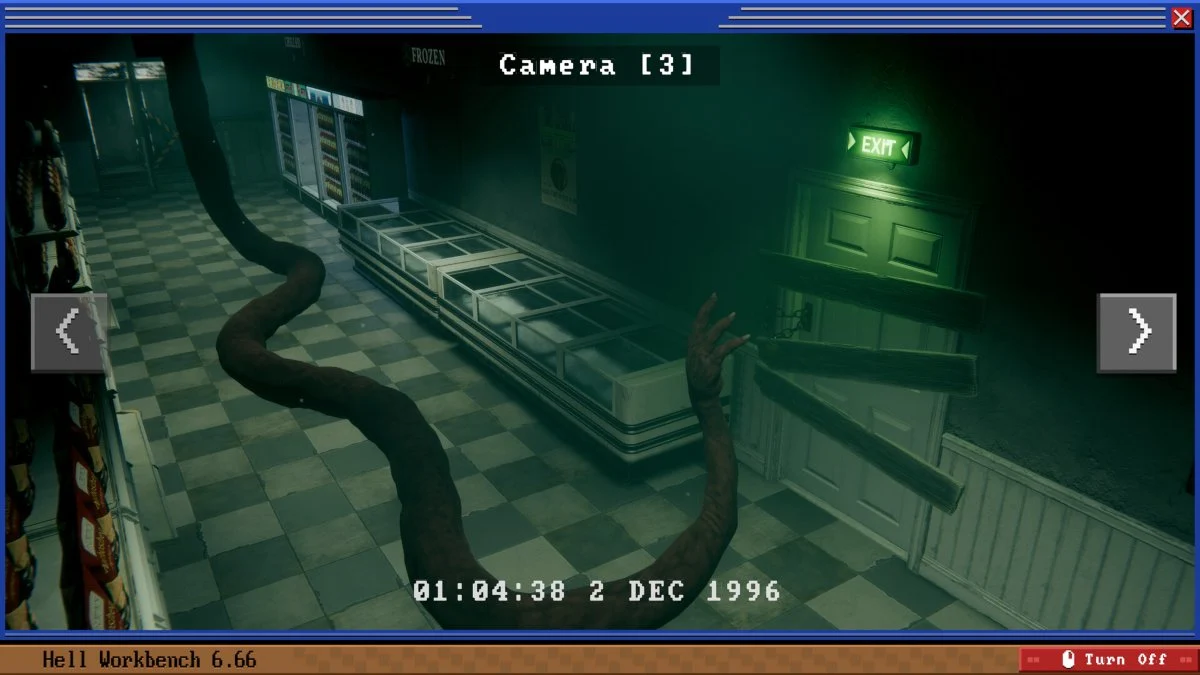
The seemingly mundane task of managing a supermarket in the indie horror game HELLMART belies a complex system of player choices that culminate in one of three distinct endings. Much like the moral alignment systems found in narrative-heavy titles such as Mass Effect, HELLMART tracks player actions through an invisible "karma" system, influencing the ultimate fate of the protagonist. While these decisions don’t carry real-world penalties in the game, they are directly tied to survival within the chilling confines of the titular establishment. This guide aims to illuminate the pathways to each of HELLMART‘s endings, offering a detailed breakdown of the mechanics and choices that shape the player’s experience, a process less convoluted than the multiple conclusions offered by its simulator cousin, Zoochosis.
The Pillars of Employee Performance: Understanding HELLMART’s Karma System
At its core, HELLMART presents players with a unique challenge: to maintain a semblance of normalcy within a supernatural grocery store. The game mechanics revolve around stocking shelves, attending to customers, managing the register, and, most critically, identifying and neutralizing threats that emerge during the night shift. Every interaction, from handling a customer’s change to confronting an otherworldly anomaly, contributes to an unseen metric that dictates the game’s conclusion.
The developer, GAZE IN GAMES, has crafted a system where seemingly minor decisions can have significant repercussions. For instance, short-changing a customer not only affects immediate customer satisfaction but also subtly increases the daily quota, adding pressure. Conversely, being overly generous with change can have a similar, albeit less detrimental, effect on the day’s targets. This intricate web of cause and effect is central to achieving the desired outcome, whether it be prosperity, a cyclical struggle, or outright transformation into a monstrous entity.
Ending 1: Keys to the Kingdom – Ascending to Ownership
The most coveted outcome in HELLMART is the "Keys to the Kingdom" ending, which signifies the player’s successful transformation into the rightful owner of a reformed establishment, now known as HelloMart. This ending is reserved for players who embody the ideal employee, demonstrating unwavering dedication, exceptional customer service, and a proactive approach to store security.
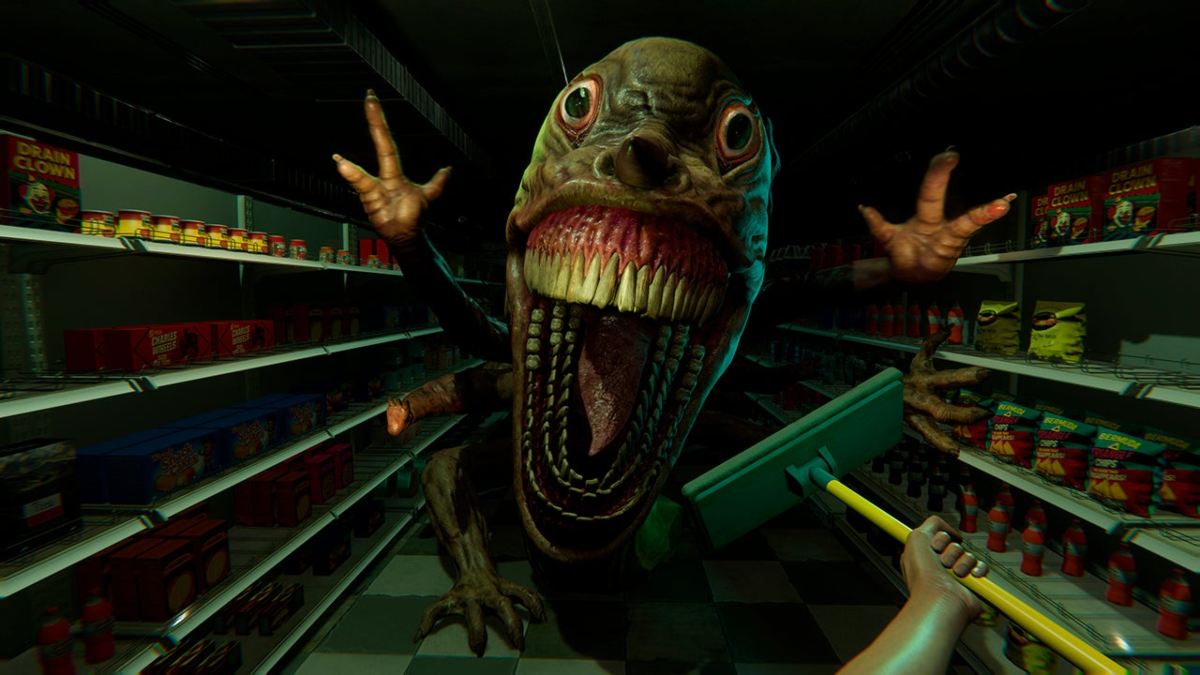
To achieve this pinnacle of success, players must meticulously adhere to the directives communicated via the payphone from their unseen employer. This involves maintaining an impeccably clean store, exhibiting politeness and attentiveness towards all customers, and consistently meeting and exceeding all performance quotas. Crucially, players must remain vigilant during the night shift, preventing any unauthorized or monstrous entities from entering the premises. This requires discerning between genuine customers and imposters, a task made challenging by the game’s deceptive nature.
The initial days of employment set the foundation for this ending. Players are expected to fully stock shelves, ensuring a pleasant shopping experience for patrons. Accuracy at the register is paramount; any instances of incorrect change can lead to increased quotas and a potential negative impact on karma. The game subtly signals that theft and rudeness towards customers contribute to negative karma.
A significant aspect of achieving the "Keys to the Kingdom" ending involves the night watch. Players must develop a keen eye for identifying imposters, who often exhibit peculiar behaviors such as unnatural dialogue patterns, blatant typos in their communications, and the ability to cause glitches in the security camera feeds. Conversely, it is equally important to recognize and allow entry to legitimate customers, even if they exhibit unusual behavior during the day. Characters like Karen, who demands more change, or the shoplifter, who can be apprehended, are examples of individuals who might initially seem suspicious but are part of the store’s daily rhythm. Tiny Bob, despite his unsettling appearance, is another customer who should not be automatically barred.
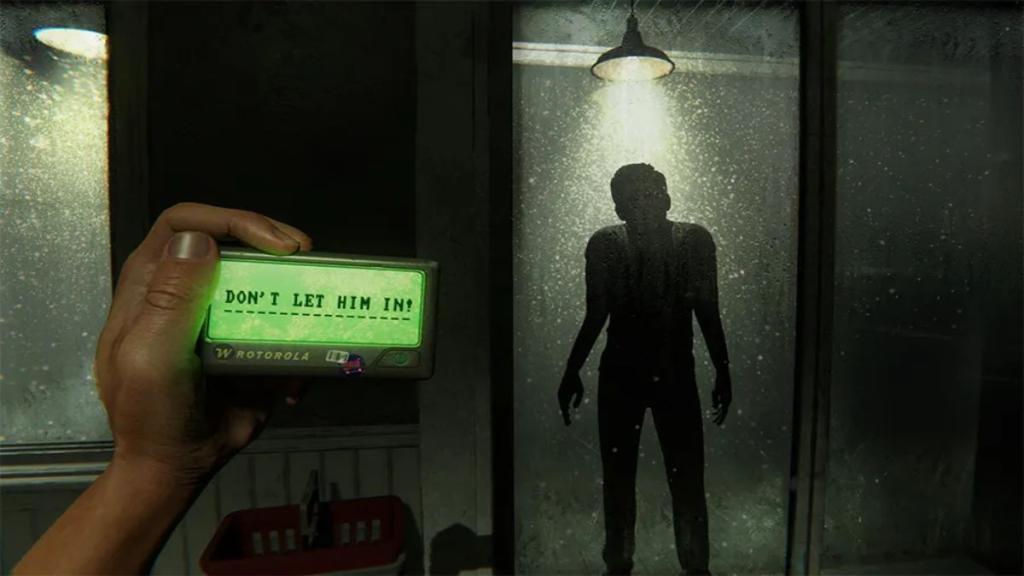
The narrative culminates on the seventh day. As the player prepares to leave their makeshift sleeping quarters, a mysterious "Stranger" will appear outside. To secure the "Keys to the Kingdom" ending, the player must confront this entity with the declaration, "I have to protect this place from you!" This decisive statement signifies a commitment to safeguarding the store and its legitimate clientele. Upon successfully completing these rigorous tasks, the player witnesses HELLMART undergo a miraculous transformation, shedding its sinister facade to become the ordinary "HelloMart," with the player being granted ownership. This represents a complete subversion of the supernatural forces at play, a victory of order and diligence over chaos and horror.
Ending 2: Groundhog Day – Trapped in an Endless Cycle
The "Groundhog Day" ending represents the default, middle-of-the-road outcome for players who achieve a mixed record of success and failure. It is the most likely initial ending for those who do not perfectly execute all aspects of the job but also avoid succumbing entirely to the store’s malevolent influence. This ending signifies a return to the beginning, a perpetual loop of the same trials and tribulations.

The primary distinction between this ending and the "Keys to the Kingdom" is the accumulation of minor errors throughout the player’s tenure. These mistakes can include inadvertently increasing the daily quota through incorrect change transactions, failing to apprehend shoplifters, or making poor judgment calls regarding night-shift security, such as leaving legitimate customers outside.
Dialogue choices also play a role. Expressing uncertainty about the value of following the rules when interacting with the Stranger can steer the player towards this ending. Furthermore, agreeing to aid the Stranger on the seventh day, provided that the player has not engaged in excessively harmful behavior or admitted monsters during previous nights, will also lead to this cyclical fate. The game’s internal monitoring system, akin to an unseen performance review, penalizes too many missteps, pushing the player towards this recurring scenario.
The narrative conclusion of the "Groundhog Day" ending is stark. HELLMART is engulfed in flames, seemingly a cathartic release from the oppressive environment. However, this is merely a prelude to the true horror. As the player believes they have escaped, a bus rounds a corner, revealing another identical HELLMART storefront. The implication is clear: the player is destined to relive their employment, facing the same challenges and potentially repeating the same mistakes, indefinitely. This ending serves as a potent metaphor for the inescapable nature of certain oppressive systems or personal struggles.
Ending 3: Judgment Night – Succumbing to the Darkness
The "Judgment Night" ending represents the bleakest outcome, where the player not only fails to uphold their responsibilities but actively embraces the malevolent forces at play, ultimately becoming one of them. This ending is achieved by a deliberate pattern of poor performance and a rejection of any semblance of ethical conduct.
To actively pursue this ending, players should prioritize making every conceivable mistake. This includes being consistently rude to customers, allowing monsters to infiltrate the store during the night shift, and actively hiding from these creatures rather than confronting them. Such actions contribute to a rapidly accumulating negative karma score. Turning away legitimate customers, even those who pass security checks, further exacerbates this negative trajectory.
Ignoring direct customer requests, such as stocking specific items or providing requested cigarettes, also pushes the player towards this grim conclusion. While specific dialogue choices are less critical than the overall pattern of behavior, the goal is to become the "Worst Employee of the Week, Every Week."
On the seventh day, the player’s interaction with the Stranger becomes pivotal. Agreeing to assist the Stranger, or responding with defiance such as, "I don’t give a shit about those rules!" when confronted at the checkout, will cement this path. The game emphasizes that while these specific dialogue prompts can accelerate the process, the overarching objective is to be as detrimental as possible without incurring immediate death. The Stranger’s presence is a constant, regardless of previous actions, and their dialogue is designed to exploit the player’s negative choices.
The visual and thematic conclusion of the "Judgment Night" ending is chilling. The HELLMART premises are transformed into a macabre spectacle, adorned with the impaled bodies of the customers the player was meant to serve and protect. The player, having fallen prey to the Stranger’s manipulative influence, is transmuted into a monster. This monstrous form is destined to perpetuate the cycle of terror, actively attempting to break into the supermarket in the future, luring new victims into the same cursed existence. This ending serves as a cautionary tale about the consequences of succumbing to negativity and abandoning one’s responsibilities, highlighting the corrupting influence of unchecked malice.
HELLMART thus offers a compelling narrative experience, where player agency directly impacts the game’s conclusion. The three endings—ascension to ownership, perpetual entrapment, and monstrous transformation—each provide a unique commentary on diligence, consequence, and the allure of darkness, making the seemingly simple act of managing a supermarket a profound journey into survival and morality.