


The seemingly tranquil genre of fishing simulators has been dramatically upended by Chilla’s Art’s latest offering, UMIGARI. Far from a cozy pastime, this title plunges players into a nightmarish world grappling with a profound curse, forcing a reevaluation of the very nature of existence, suffering, and the ethical implications of predation. UMIGARI presents a deeply unsettling interpretation of the fishing simulation, challenging players to navigate a landscape rife with body horror, psychological distress, and a narrative that questions the inherent morality of humanity.
The Core Predicament: A World Inverted
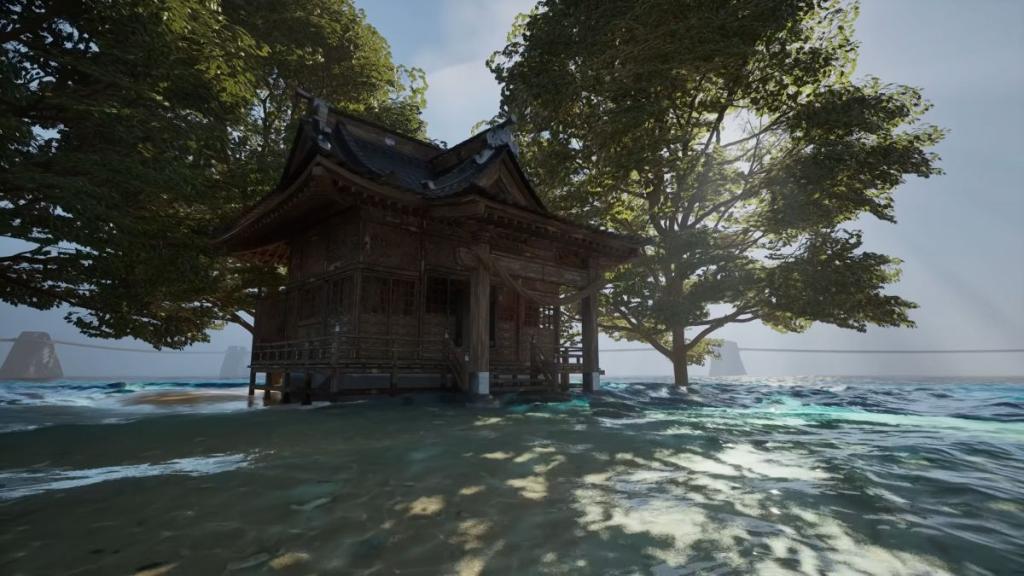
At its heart, UMIGARI tasks the player with a seemingly straightforward objective: locate three ancient tablets. These artifacts are the keys to unlocking a mystical shrine, which in turn will reveal the location of an omnipotent whale. This colossal cetacean is believed to hold the power to break the pervasive curse that has fundamentally altered the world. However, the journey to this resolution is fraught with peril, as the flooded environs teem with aquatic life twisted into grotesque parodies of their former selves. The game meticulously details a menagerie of disturbing creatures: fish adorned with human limbs, marine life sporting unsettling schoolgirl uniforms, hammerhead sharks bearing disembodied lips and colossal eyes, and even fish that engage in conversational, albeit disturbing, dialogue upon being reeled in. Perhaps most unnerving are the stingrays bearing human faces, a visual testament to the unnatural transformations that define this cursed realm.

This pervasive sense of dread extends beyond the aquatic. The human inhabitants encountered within UMIGARI‘s world are equally unsettling. Their behavior has devolved into a state of profound madness, marked by violent outbursts and, in disturbing instances, outright cannibalism. In comparison, titles like DREDGE and Subnautica, often cited for their atmospheric tension, appear almost idyllic. UMIGARI elevates the concept of NPC requests to a new stratum of psychological horror, establishing itself as a fishing simulator that is undeniably, and profoundly, cursed.
Unraveling the Curse: A Metamorphosis of Identity and Resentment
The central enigma of UMIGARI lies in the nature of the curse itself. It is revealed that a catastrophic event has inverted the natural order: fish have been transformed into humans, and humans, in turn, have become fish. This inversion has had dire consequences. The newly formed humans, who were once fish, struggle to comprehend their new existence. They are driven by an insatiable hunger and a deep-seated resentment towards humanity, a consequence of generations of being hunted and consumed.
This narrative element can be interpreted as a potent social commentary, potentially reflecting on the historical and ongoing practices of fishing in Japan, or more broadly, the global ethical implications of animal suffering. UMIGARI‘s surreal gameplay and narrative serve as a stark demonstration of the continuous, and often unnecessary, exploitation of marine life. The game forces players to confront the uncomfortable reality of their actions: the primary motivation for fishing within the game is to acquire currency for boat upgrades. The most crucial upgrade is speed, a necessity for evading the relentless sea spirit that stalks players between locations. Yet, the addictive gameplay loop, coupled with the increasing value of fish in more distant waters, quickly devolves into a cycle of greed and what can only be described as farming to extinction. The psychological toll is immense, as players are compelled to hunt and sell what are, in essence, sentient beings who were once human.
The Genesis of the Curse: A Whale’s Retribution
The cataclysmic curse that has befallen humanity is attributed to an omnipotent whale. This colossal entity, weary of being hunted by humankind, enacted its retribution. The transformation of fish into humans was a direct consequence, imbuing the aquatic creatures with a profound hatred and resentment towards their former predators. When granted the semblance of human form, these transformed beings resort to violence and cannibalism, mirroring the perceived transgressions of humanity.
UMIGARI‘s underlying message appears to be a profound exploration of the destruction and suffering inflicted upon animals for monetary gain. The game posits that our perception of fishing would be irrevocably altered if we possessed the capacity to communicate with, hear, and truly understand the suffering of these creatures. The fish-turned-humans, though appearing irrational, maddened, and incoherent, exhibit behaviors that are disturbingly reminiscent of humanity’s own worst tendencies. Their plight serves as a mirror, reflecting the dark underbelly of human nature. The whale’s decision to curse the land and swap the roles of fish and man was a response to the cries of its kin, but the adoption of humanity’s basest traits by the transformed fish raises a critical question: are humans inherently evil? This is the central philosophical inquiry that UMIGARI compels its players to confront.
Encounters with the Abyss: The UMIGARI Monster and Other Horrors
The primary antagonist and namesake of the game is the Umiga, a colossal female ocean spirit that haunts the open waters. This formidable entity is repelled by the sound of bells, necessitating the placement of bells on buoys to create safe passage between disparate locations. While the in-game explanation for the Umiga’s existence is somewhat vague, it bears striking resemblances to folkloric beings such as the Umi-nyōbō, a yokai known for preying on humans. Alternatively, the Umiga could be a gargantuan manifestation of the Nure-onna, a creature with the head of a woman and the body of a serpent. Its terrifying visage is a giant female head that, when pursuing a boat, transforms into a gaping maw, from which emerge arms designed to drag vessels to the ocean floor.

Adding to the pantheon of aquatic terrors is the Umibōzu, a sea giant and a prominent figure in Japanese folklore. This immense, shadowy entity is known for capsizing boats. Its appearance in UMIGARI occurs in the latter half of the game, particularly within the unsettling confines of the "Suspicious Dome," which houses a train reminiscent of those depicted in Spirited Away. The Umibōzu attempts to consume the player during this segment.
Beyond these primary threats, UMIGARI incorporates other creatures that draw heavily from Japanese folklore. The Nure-onna, mentioned previously, is encountered directly. Players are tasked with hunting one of these beings for a character known as "Local Granny," situated opposite the Umino Maternity Hospital. The Ningyo, a mermaid-like creature, also makes an appearance. While traditionally considered a harbinger of ill fortune, Ningyo are also rumored to grant immortality. A character named Yuria from Ominous City tasks the player with hunting Ningyo in exchange for the restoration of her eyesight. These mythological inclusions deepen the game’s unsettling atmosphere and weave a rich tapestry of dread rooted in ancient tales.
The Weight of Choice: Navigating UMIGARI‘s Endings
UMIGARI features two distinct endings, each contingent on the player’s dialogue choices when confronting the omnipotent whale. The whale, revealed to be the father of the "Girl in School Uniform" – a pivotal character whose plight drives the player’s quest to reach the island – poses a singular, profound question: "Were the humans you met evil itself?" The player’s response dictates the ultimate fate of this cursed world.
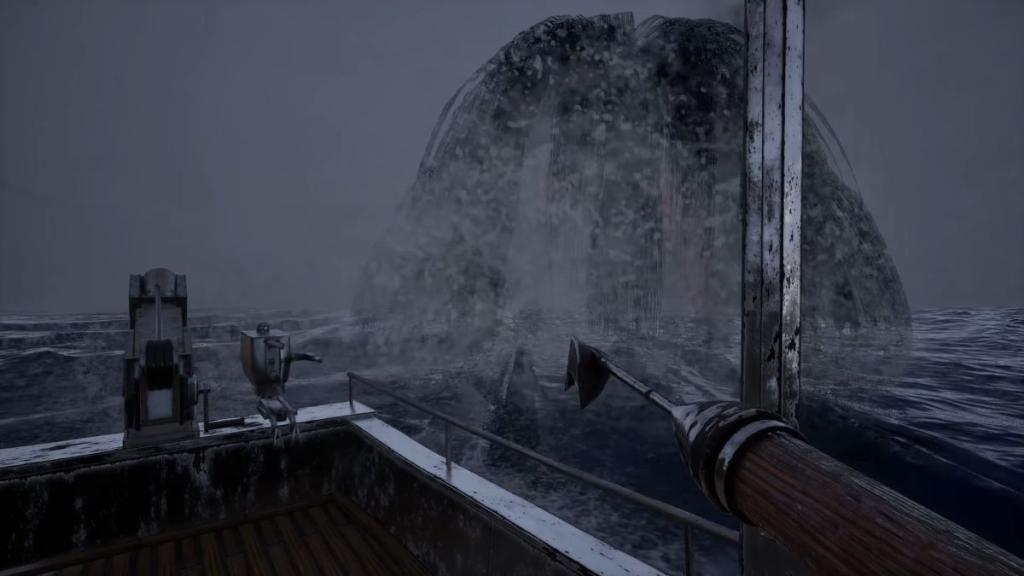
The player’s journey as a "human hunting fish" is subjected to the whale’s judgment. Whether the player perceives their actions as inherently evil, or recognizes the fish-turned-humans’ behavior as mirroring humanity’s own, will shape the ensuing conclusion.
Ending A: The Eradication of Humanity
If the player chooses to affirm that "humans," including themselves, were indeed evil, the curse is lifted. The final cutscene depicts the ocean awash with drowned corpses, symbolizing the swift and absolute eradication of humanity. This ending suggests a deeply cynical worldview: even if another species were to supplant humankind, they too would inevitably succumb to greed, base desires, and violent impulses. In this interpretation, if humanity is fundamentally flawed and incapable of redemption, then its complete removal from existence is the only logical recourse to prevent further suffering. This bleak conclusion leaves players questioning the ultimate purpose of their endeavors, a testament to the game’s profound existential messaging.
Ending B: A Symbiotic Coexistence
Conversely, by answering "no" to the whale’s questions, the player opts for a more hopeful, albeit unconventional, resolution. This path suggests that fish and humans can achieve a state of coexistence. The curse remains in effect – fish are still humans, and humans are still fish. However, the world undergoes a radical transformation. The cutscene illustrates an end to suffering. The fish-humans have established functional societies, complete with jobs, communities, and educational institutions. They engage in bartering systems and raise families. Simultaneously, humanity continues to exist in aquatic environments, experiencing a form of ultimate freedom. This ending posits that humanity, given the opportunity, can choose to "be good" and discover a new meaning for existence. The resulting peace and harmony, though wild and outlandish, provide a fittingly surreal conclusion to Chilla’s Art’s most unsettling creation to date.
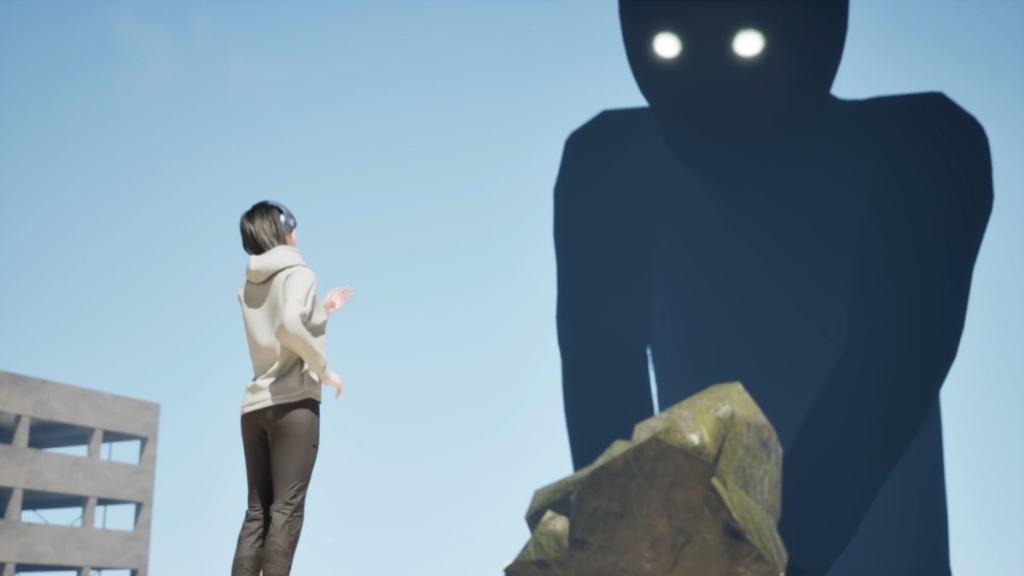
The implications of UMIGARI‘s narrative extend far beyond the confines of a typical video game. It serves as a thought-provoking exploration of empathy, the cyclical nature of violence, and the potential for both profound evil and radical transformation within sentient beings. By inverting the familiar roles of predator and prey, the game forces players to confront uncomfortable truths about their own species and the ethical responsibilities that accompany power and agency. The chilling beauty of its monstrous creations and the weighty philosophical questions it poses solidify UMIGARI‘s position as a unique and unforgettable experience within the gaming landscape.