

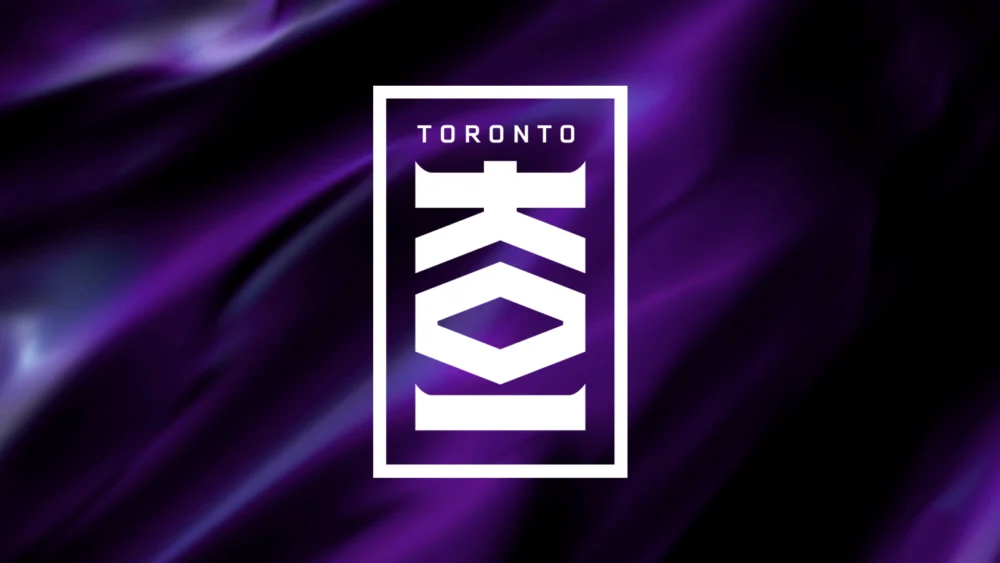
The landscape of the Call of Duty League (CDL) has undergone a significant transformation with the official rebranding of its Toronto franchise from Toronto Ultra to Toronto KOI. This long-anticipated move, culminating months of speculation, signifies a strategic consolidation of esports properties under the umbrella of parent company OverActive Media’s unified global identity. The transition marks a pivotal moment, not only for the Toronto-based Call of Duty team but also for OverActive Media’s broader vision of establishing a cohesive international brand presence across multiple esports titles.
The impetus for this rebranding was subtly foreshadowed during the 2025 Esports World Cup, where the team briefly competed under the moniker Movistar KOI, a temporary arrangement necessitated by partnership regulations. However, the groundwork for a more permanent integration was laid much earlier. In 2024, Ibai Llanos, a prominent figure and co-founder of the KOI organization, publicly articulated his ambition to unify various esports teams under the KOI banner, including those in the League of Legends European Championship (LEC), Overwatch League, and the Call of Duty League. This early declaration signaled a strategic direction that has now come to fruition with the Toronto franchise’s adoption of the KOI identity.
A New Era for CDL Naming Conventions
The conclusion of the 2025 CDL season ushered in a period of significant discussion and decision-making regarding the league’s operational framework. A crucial development was the vote by league teams to retain their city-based franchise locations for the upcoming Call of Duty: Black Ops 7 season. This decision, while preserving the geographical roots of each team, also paved the way for a more flexible approach to team branding.
In tandem with the commitment to city-based locations, the CDL relaxed its stringent naming conventions. This policy shift proved instrumental, creating the necessary latitude for organizations like KOI to integrate their branding into existing franchise identities. The ability for a parent organization’s name to feature prominently within a city-specific franchise has become a key characteristic of this new era. This relaxation of rules allows teams to more accurately represent their broader organizational affiliations, moving beyond solely geographical markers.
Journalist Jacob Hale articulated the implications of this policy change, noting that franchise locations would be "properly enforced on broadcast," while allowing for greater freedom in organizational branding. This suggests a nuanced approach where the city remains a core element of the team’s identity, particularly for fan engagement and broadcast presentation, but the operational and organizational branding can reflect a wider corporate structure.
This newfound flexibility has already catalyzed a series of significant rebrands and, in some cases, relocations across the league. The official adoption of the KOI identity by the Toronto franchise is a prime example. Beyond Toronto, other notable shifts include Atlanta FaZe’s transition to FaZe Vegas, which in turn prompted the Vegas Falcons to rebrand as the Riyadh Falcons. The Minnesota ROKKR franchise has also undergone a transformation, rebranding as G2 Minnesota. The only major rumored relocation yet to be confirmed is that of Gentle Mates, with speculation pointing towards a move to Paris. These widespread changes underscore the impact of the relaxed naming conventions and OverActive Media’s strategic push for brand consolidation.
The Genesis of Toronto KOI: A Strategic Consolidation
The journey to Toronto KOI has been a carefully orchestrated process driven by OverActive Media’s overarching strategy. The parent company, which also operates the League of Legends team Movistar KOI in the LEC, has been actively pursuing a cohesive global brand identity. This initiative aims to leverage synergies between its various esports ventures, creating a unified brand experience for fans across different games and regions.
The initial partnership that led to the temporary Movistar KOI branding during the Esports World Cup served as a practical test case and a clear indicator of future intentions. It allowed OverActive Media to gauge fan reception and operational feasibility of a more integrated brand. The success of this temporary measure, coupled with Ibai Llanos’s prior statements, solidified the path towards the full rebranding of the Toronto CDL franchise.
OverActive Media’s commitment to this unified vision was further articulated by its leadership. Adam Adamou, Chief Executive Officer of OverActive Media, emphasized the core tenets of the KOI brand: "To be KOI is to belong. KOI has always been about connection, about fans, players and communities coming together under one banner. Toronto KOI brings that spirit home and gives it a global stage." This statement highlights the brand’s focus on community, unity, and global reach, all of which are central to the rebranding initiative.
Neil Duffy, Chief Commercial Officer of OverActive Media, provided further insight into the strategic rationale behind the consolidation. He explained, "Aligning our teams under KOI allows us to unite our global audience, whether it’s our League of Legends team competing in the LEC, Toronto KOI competing in the CDL or our other teams competing around the world, it’s all winning titles, selling our stadiums and having the best fans in the world support us on our journey. Today is for the fight to unite and celebrate KOI." Duffy’s remarks underscore the commercial and brand-building objectives, aiming to create a recognizable and powerful global esports entity that resonates with a diverse fanbase across multiple competitive titles.
Toronto KOI: Roster and Future Outlook
The rebranded Toronto KOI franchise will enter the Call of Duty: Black Ops 7 season with a familiar yet reinforced roster. The team will feature the returning core of JoeDeceives, Insight, and CleanX, alongside the promising newcomer ReeaL. This blend of established talent and fresh energy is expected to propel the team forward under its new identity.
The visual representation of the brand has also evolved. The iconic "Tilt the squirrel," a former mascot associated with Toronto Ultra, is no longer featured in the new Toronto KOI logo. While this signifies a departure from the previous branding, the underlying passion and competitive drive remain intact, now channeled through the global KOI banner. The new logo and branding are designed to resonate with both the established fanbase of Toronto Ultra and the broader international audience of KOI.
The implications of this rebranding extend beyond just a change in name and logo. It represents a significant step in OverActive Media’s ambition to build a cohesive and influential presence in the global esports ecosystem. By consolidating its assets under the KOI brand, the company aims to enhance brand recognition, streamline marketing efforts, and foster a stronger sense of community among its diverse fan base. This strategic alignment is crucial in an increasingly competitive esports market, where strong brand identity and global appeal are key differentiators.
The transition to Toronto KOI is more than just a cosmetic change; it is a strategic maneuver designed to leverage the global appeal of the KOI brand while retaining the localized connection that is vital for the Call of Duty League. As the team embarks on its journey in Black Ops 7, it carries the legacy of Toronto Ultra and the ambitious vision of OverActive Media, poised to make its mark on the competitive Call of Duty stage under its new, globally unified identity. The success of this rebranding will likely serve as a blueprint for other organizations seeking to navigate the evolving landscape of professional esports, emphasizing the growing importance of cohesive global branding and strategic consolidation in achieving long-term growth and fan engagement. The integration of franchises under a singular, recognizable brand like KOI has the potential to create significant marketing efficiencies and amplify the collective impact of OverActive Media’s esports portfolio. The coming season will be a crucial test of this new strategy, demonstrating whether the unified identity can translate into sustained competitive success and increased global brand loyalty.