

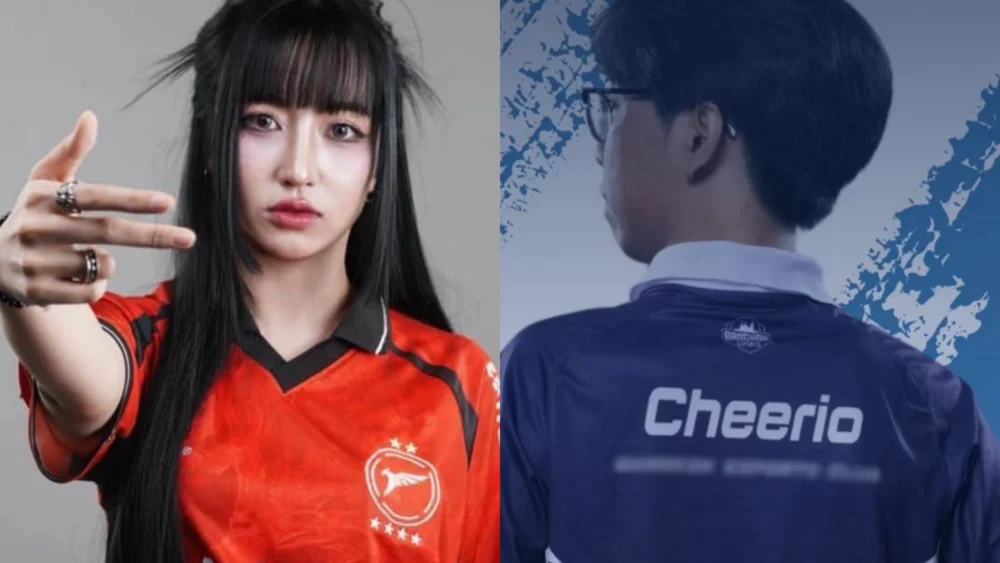
Weeks after the dramatic withdrawal of Thailand’s women’s Arena of Valor team from the 33rd Southeast Asian (SEA) Games, the full extent of the cheating scandal that rocked the esports competition has finally come to light. The incident, which led to the disqualification of a star player and the subsequent forfeiture of the entire team, has sent shockwaves through the regional esports community and raised serious questions about integrity in competitive gaming.
The controversy erupted on December 15th during the Arena of Valor upper bracket final, where Thailand faced a decisive 0-3 defeat against Vietnam. In the immediate aftermath of this significant loss, the Thailand Esports Federation (TESF) officially confirmed the disqualification of Warasin Naraphat, widely known by her in-game moniker "Tokyogurl." The federation cited a clear violation of competition rules as the reason for her expulsion from the tournament.
According to official statements, Naraphat’s actions constituted a breach of the Esports Technical Manual, a comprehensive document that unequivocally prohibits the use of unauthorized software, modified equipment, or any form of third-party intervention during official matches. Following the alleged infraction, SEA Games organizers launched a thorough investigation. The probe concluded that Naraphat had indeed violated the established regulations, resulting in the imposition of the tournament’s maximum penalty: outright disqualification.
The ramifications of Naraphat’s disqualification were immediate and severe. Despite Thailand still being in contention for a medal, holding a 1-0 lead against Laos in the lower bracket final on December 16th and maintaining a potential path to the gold medal match, the TESF made a stunning and unprecedented decision. The federation announced the withdrawal of the entire women’s Arena of Valor team from the SEA Games. This drastic measure effectively ended Thailand’s medal hopes in the discipline, leaving teammates and fans alike bewildered and disappointed.
Initially, Tokyogurl vehemently denied any wrongdoing. Her public statements at the time suggested that she herself had played the match, attributing her performance and subsequent exit from the tournament to a sudden bout of illness and panic during the game, which necessitated her being taken to the hospital. This narrative, however, began to crumble approximately two and a half weeks later, on January 2nd, when a crucial confession emerged.
Thai Esports Player Confesses to Playing for Tokyogurl
The turning point in the scandal arrived with a public admission from a prominent Thai esports player, known online as "Cheerio," and also identified as "Kong," who is reportedly Tokyogurl’s boyfriend. In a candid TikTok post, Cheerio confessed to having played in place of Naraphat during the crucial match. He described his actions as "selfish" and took full responsibility for the deception. His admission carried a heavy weight of apology, directed towards the disappointed fans, the tournament officials, and, most significantly, his own teammates who were stripped of their opportunity to compete for a medal.
"I want to come out and clarify the issues that have happened in the past during the SEA Games period and other competitions, where everyone suspected that a third party was playing in place during several matches. I admit that it’s true," Cheerio stated in his confession. He further elaborated on the immense pressure and backlash he experienced following the incident, explaining that the scale of public scrutiny left him uncertain about how to respond, which contributed to his prolonged silence for over two weeks after the match in question.
"I didn’t intend for things to escalate to this point and cause disappointment to many people," he added, his words reflecting a deep sense of regret. "I humbly accept all criticism and the consequences that follow, without any excuses."

Prior to this scandal, Cheerio was reportedly a highly respected figure within the Thai esports scene, making his confession particularly damaging and unexpected. His admission cast a stark light on the extent of the deception and the betrayal felt by those involved.
Chronology of the Scandal
To fully grasp the unfolding events, a chronological review is essential:
- December 15, 2025: Thailand’s women’s Arena of Valor team suffers a 0-3 loss to Vietnam in the SEA Games upper bracket final. Following the match, the Thailand Esports Federation announces the disqualification of Warasin "Tokyogurl" Naraphat for violating competition rules.
- December 16, 2025: Thailand leads Laos 1-0 in the lower bracket final. Despite having a path to the gold medal match, the TESF makes the shocking decision to withdraw the entire women’s team from the SEA Games. At this point, Tokyogurl denies wrongdoing, citing illness.
- December 16, 2025 (Retroactive): Publisher Garena issues an immediate ban for Tokyogurl from all Arena of Valor tournaments, effective from this date. Her club, TALON, terminates her contract. RoV Esports organizers impose a lifetime ban.
- January 2, 2026: Thai esports player Cheerio, identified as Tokyogurl’s boyfriend, posts a TikTok video confessing to playing in her place during the SEA Games match. He takes full responsibility for the cheating.
- January 3, 2026: Following Cheerio’s confession, Tokyogurl posts a brief apology on Facebook, stating, "I’m sorry."
- Ongoing: Santi Lothong, President of the Asian Electronic Sports Federation and head of the Esports Sports Association of Thailand, reportedly initiates legal proceedings against both parties involved, signaling a commitment to pursuing the case to its legal conclusion.
Broader Implications and Official Responses
The repercussions of this cheating scandal extend far beyond the immediate tournament. The severe penalties meted out to Tokyogurl—including a lifetime ban from RoV Esports, a ban from all Arena of Valor tournaments by publisher Garena, and contract termination by her club TALON—underscore the gravity of her transgressions. These actions represent one of the most significant disciplinary actions in the history of Thai esports, sending a clear message that cheating will not be tolerated.
The decision by the TESF to withdraw the entire team, while drastic, can be interpreted as a move to uphold the integrity of the competition and to distance the federation from the actions of an individual who violated its rules. It also highlights the collective responsibility that teams bear in ensuring fair play. The forfeiture of their medal opportunity, however, is a harsh consequence for the innocent teammates, a sacrifice made in the name of maintaining competitive standards.
Santi Lothong’s reported decision to pursue legal action against both Naraphat and Cheerio signifies a strong stance against cheating in esports. This move suggests a desire to not only punish the perpetrators but also to deter future instances of rule-breaking by demonstrating that there can be legal consequences beyond in-game bans and contract terminations. The specific legal avenues and potential outcomes remain to be seen, but the intention to pursue the case vigorously indicates a commitment to accountability.
A Pattern of Deception in Esports
This incident in the SEA Games is unfortunately not an isolated event in the world of competitive gaming. The esports landscape, while rapidly growing and gaining mainstream recognition, has been plagued by various forms of cheating and unsportsmanlike conduct. These controversies often erode public trust and cast a shadow over the achievements of legitimate players and teams.
For instance, in the realm of Counter-Strike 2, professional player Joel "joel" Holmlund faced a permanent ban from competitive play last year after evidence of cheating software was found on his computer, further compounded by threats made against the Esports Integrity Commission (ESIC). This case highlighted the persistent challenge of anti-cheat measures and the ethical dilemmas faced by regulatory bodies.
The impact of such incidents has even reached beyond traditional esports titles. In April 2025, streamer DrLupo was disqualified from a $100,000 PogChamps chess tournament due to violations of Chess.com’s fair play rules. While this involved a non-esports title, the principle of maintaining fair competition and the subsequent admission of guilt mirrored the issues seen in the Arena of Valor scandal. These recurring controversies underscore a pervasive need for robust ethical frameworks and stricter enforcement mechanisms across all competitive gaming and online arenas.
The SEA Games Arena of Valor scandal serves as a stark reminder of the ongoing battle for integrity in esports. While the swift confession by Cheerio and the subsequent, albeit delayed, apology from Tokyogurl mark a step towards resolution, the long-term implications for Thai esports and the regional competitive scene are significant. The incident demands a continued focus on education, stricter monitoring, and consistent application of penalties to ensure that the spirit of fair play prevails in the ever-evolving world of competitive gaming. The legal actions initiated by the Asian Electronic Sports Federation will undoubtedly be watched closely as a potential benchmark for how such serious breaches of trust are handled in the future.