

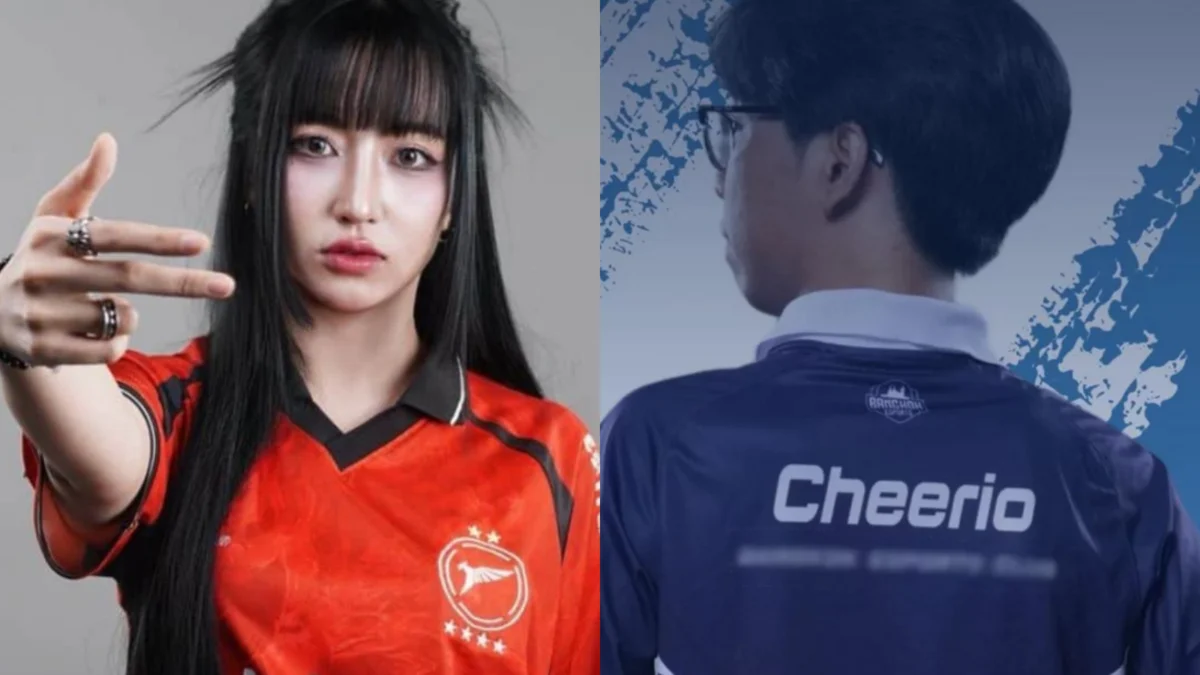
Weeks after Thailand’s women’s Arena of Valor team made the unexpected and controversial decision to withdraw from the 33rd Southeast Asian (SEA) Games, the full truth behind the incident has finally emerged, revealing a complex web of deception, confession, and severe repercussions within the burgeoning esports landscape. The scandal, which initially cast a shadow of suspicion over the team and its players, has now culminated in a public admission of guilt and the imposition of stringent penalties, sending a stark warning to the integrity of competitive gaming in the region.
The initial fallout began on December 15th, during the highly anticipated Arena of Valor competition. Thailand’s women’s team faced off against their Vietnamese counterparts in the upper bracket final. The match concluded with a decisive 0-3 victory for Vietnam, a result that, in itself, would typically lead to the defeated team dropping to the lower bracket. However, shortly after the match’s conclusion, the Thailand Esports Federation (TESF) issued a statement confirming the disqualification of one of its key players, Warasin Naraphat, widely known by her in-game alias "Tokyogurl." The federation cited a direct violation of competition rules as the reason for her removal from the tournament.
According to the official statements released by SEA Games organizers and the TESF, Naraphat’s disqualification stemmed from a breach of the Esports Technical Manual. This comprehensive document, a cornerstone of fair play in professional esports, strictly prohibits a range of illicit activities during official matches. These prohibitions include, but are not limited to, the utilization of unauthorized software that could provide an unfair advantage, the use of modified or tampered equipment, and any form of third-party involvement that could influence the gameplay. Following an official investigation by the SEA Games esports committee, Naraphat was deemed to have violated these fundamental tenets of competitive integrity. The penalty for such an offense was the maximum applicable sanction: disqualification from the tournament.
The immediate aftermath of Tokyogurl’s disqualification presented the Thai team with a critical juncture. Despite the setback, they still possessed a pathway to the gold medal match. They were scheduled to compete in the lower bracket final against Laos on December 16th, a match they were leading 1-0 at the time of the subsequent withdrawal. However, in a move that surprised many observers and fans alike, the TESF made the drastic decision to withdraw the entire women’s Arena of Valor team from the SEA Games. This unprecedented step meant that Thailand forfeited their chance at a medal, leaving a void in the competition and sparking widespread speculation about the underlying reasons for such a definitive action.
In the initial hours following her disqualification and the team’s subsequent withdrawal, Warasin Naraphat, or Tokyogurl, vehemently denied any wrongdoing. She presented a narrative that suggested she had played the match herself. Her explanation involved a claim of experiencing sudden illness and panic mid-game, leading to her feeling unwell and subsequently being taken to a hospital. This account, while offering a potential human element to the situation, did little to quell the growing unease and suspicion among fans and the esports community, especially given the severity of the rule violations typically associated with such disqualifications. The TESF’s swift and decisive action, coupled with the lack of immediate corroboration for Naraphat’s claims, fueled further conjecture.
The narrative surrounding the incident underwent a dramatic and definitive shift on January 2nd, when the truth behind the cheating scandal began to unravel with a public confession. The key figure to come forward was not Tokyogurl herself, but a fellow Thai esports player, Cheerio, also known as Kong, who is reportedly Tokyogurl’s boyfriend. In a public statement posted on TikTok, Cheerio confessed to having played in place of Warasin Naraphat during the SEA Games match against Vietnam, and potentially in other competitions as well. He admitted that the decision to impersonate his girlfriend was a selfish one, and he explicitly accepted full responsibility for his actions. His confession was accompanied by sincere apologies directed towards the fans who had supported the team, the tournament officials who had been misled, and, crucially, his teammates who were now deprived of their opportunity to compete for a medal.
"I want to come out and clarify the issues that have happened in the past during the SEA Games period and other competitions, where everyone suspected that a third party was playing in place during several matches. I admit that it’s true," Cheerio stated in his confession, directly addressing the rumors and suspicions that had been circulating. He elaborated on the immense pressure and backlash he experienced following the incident, which left him feeling paralyzed and uncertain about how to respond. This sense of being overwhelmed, he explained, contributed to his prolonged silence for over two weeks after the match in question.

Cheerio further expressed his regret over the escalating nature of the situation and the disappointment it had caused. "I didn’t intend for things to escalate to this point and cause disappointment to many people," he added. "I humbly accept all criticism and the consequences that follow, without any excuses." This admission of guilt, coming from a player who was reportedly well-respected within the Thai esports scene prior to this incident, amplified the gravity of the scandal and its impact on his reputation and the broader community. Regional outlet Baomoi highlighted Cheerio’s prior standing, noting that his confession served as a particularly damaging blow given his established credibility.
The consequences for the individuals involved were swift and severe, reflecting the zero-tolerance policy adopted by game publishers and tournament organizers towards cheating. Garena, the publisher of Arena of Valor, acted decisively by issuing a ban on Tokyogurl from all Arena of Valor tournaments, effective December 16th, 2025. This ban is significant and signals a long-term exclusion from official competitive play. Furthermore, her professional esports club, TALON, immediately terminated her contract, severing her ties with the organization. In a move that underscores the severity of the offense, RoV Esports organizers imposed a lifetime ban on Naraphat, effectively ending her professional career in Arena of Valor. These combined penalties represent one of the most stringent and impactful sanctions seen in the history of Thai esports, aiming to set a clear precedent against future transgressions.
It was only after Cheerio’s public confession that Warasin Naraphat herself offered a direct acknowledgment of her role in the deception. The following morning, she posted a brief apology on her Facebook page, stating simply, "I’m sorry." While this statement offers a degree of remorse, it lacks the detailed explanation and acceptance of responsibility that Cheerio provided, and it came significantly later in the timeline of the unfolding scandal.
The repercussions are also extending into the legal realm. Santi Lothong, the President of the Asian Electronic Sports Federation and the head of the Esports Sports Association of Thailand, is reportedly pursuing legal action against both Warasin Naraphat and Cheerio. His stated intention is to prosecute the case to the fullest extent permitted by law, indicating a commitment to holding the individuals accountable through formal legal channels. This proactive stance by regional and national esports governing bodies highlights a growing trend of treating serious competitive integrity violations with the utmost seriousness, potentially involving civil or criminal proceedings depending on the jurisdiction and the specific nature of the offenses.
The SEA Games Arena of Valor incident is not an isolated case within the broader esports ecosystem. It is the latest in a series of controversies that have plagued competitive gaming, raising persistent questions about fair play and the integrity of online competitions. In a notable parallel from the previous year, CS2 professional Joel "joel" Holmlund faced a permanent ban after the discovery of cheats on his personal computer. His situation was further compounded by allegations of blackmailing tournament officials, illustrating a pattern of serious misconduct that extends beyond mere gameplay manipulation.
The impact of such cheating scandals is not confined to traditional esports. In April 2025, popular streamer DrLupo was removed from a $100,000 PogChamps chess tournament. The reason cited was a violation of Chess.com’s fair play rules, a controversy that ultimately led to a full admission of guilt from the streamer. These instances, spanning different games and platforms, underscore a pervasive challenge for the esports industry: maintaining a level playing field and ensuring that competitions are decided by skill and strategy, not by illicit means.
The implications of the Thai Arena of Valor scandal are far-reaching. For the players involved, the consequences are immediate and career-altering, including bans, contract terminations, and potential legal action. For the Thai esports scene, it represents a significant reputational blow, demanding introspection and a strengthening of internal governance and oversight mechanisms. For the SEA Games, it highlights the challenges of ensuring integrity across a diverse range of competitive disciplines, including emerging fields like esports.
Furthermore, the incident serves as a critical case study for the development of esports regulations globally. The clear protocols for investigation, the swift imposition of penalties, and the ongoing legal pursuit by governing bodies suggest a maturing of the industry’s approach to cheating. As esports continues to grow in popularity and economic value, the need for robust anti-cheating measures, transparent rule enforcement, and consistent penalties becomes increasingly paramount to foster trust among players, fans, and sponsors. The confession of Cheerio, while bringing closure to the immediate mystery, opens a broader dialogue about ethical conduct, the pressures faced by aspiring esports athletes, and the enduring importance of fair competition in the digital arena. The actions taken in the wake of this scandal will undoubtedly shape how similar incidents are handled in the future, reinforcing the commitment to preserving the integrity of esports.