

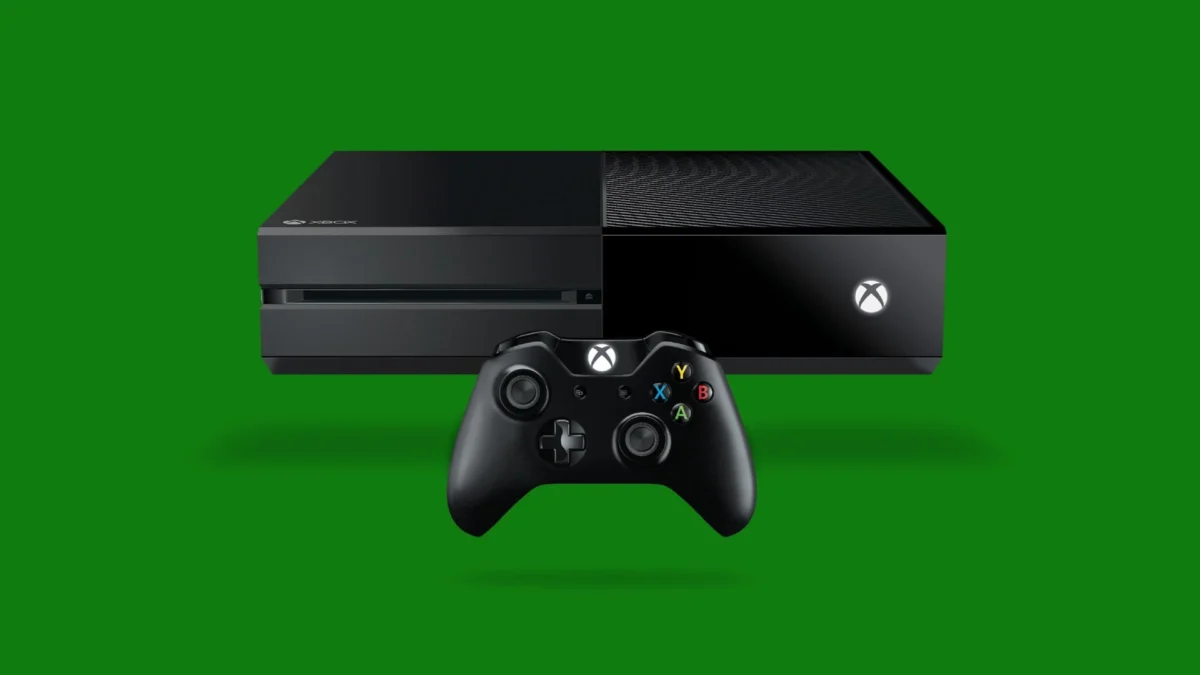
For over a decade, Microsoft’s Xbox One has stood as a formidable bastion of security in the console gaming landscape, widely regarded as one of the most challenging systems to compromise. However, this long-held perception was shattered at the recent RE//verse 2026 conference, where security researcher Markus Gaasedelen unveiled a groundbreaking exploit, now dubbed "Bliss," that successfully bypasses the console’s robust defenses. This revelation marks a significant milestone in the ongoing cat-and-mouse game between console manufacturers and the dedicated community of hardware hackers, demonstrating that even the most meticulously engineered systems are not entirely impervious.
A Legacy of Vulnerability and Microsoft’s Unprecedented Security Push
The history of console gaming is replete with instances of systems being "cracked" or "modded" by enthusiasts and security researchers. The original Xbox and its successor, the Xbox 360, are prime examples. Both consoles, over their lifespans, became fertile ground for various exploits, enabling users to run unsigned code, custom firmware, emulators, and even pirated games. Methods ranged from physical mod chips to sophisticated software exploits like the JTAG/RGH (Reset Glitch Hack) on the Xbox 360, which allowed for extensive system modification by manipulating the console’s boot process.
This vulnerability was not unique to Microsoft. Nintendo’s Wii and Sony’s PlayStation Portable (PSP) were notorious for being hacked relatively early in their product cycles, often while still readily available on store shelves. The PSP, in particular, was an early and frequent victim, with custom firmware becoming widespread, leading to a vibrant homebrew scene but also significant piracy concerns for Sony. These experiences instilled in console manufacturers a heightened sense of urgency regarding security.
When developing the Xbox One, Microsoft made an explicit and concerted effort to elevate its security posture to an unprecedented level. The company invested heavily in designing a system that would resist tampering and exploitation for the long term. This commitment was highlighted in a 2019 presentation by security engineer Tony Chen, who detailed the intricate layers of protection implemented by his Xbox team. Chen elaborated on the architectural decisions and engineering efforts that made the Xbox One significantly more secure than its predecessors. Key among these were a secure boot chain, a hardware-backed Trusted Platform Module (TPM), a custom hypervisor that isolated critical system processes, rigorous code signing requirements, and various anti-tampering measures designed to detect and prevent unauthorized modifications. The goal was clear: to create a console that was, if not truly unhackable, then at least prohibitively difficult and time-consuming to crack. For over 12 years since its launch in November 2013, the Xbox One largely lived up to this promise, resisting widespread public exploits and earning its reputation for impregnability.
Unveiling the "Bliss" Exploit: A Hardware-Level Breakthrough
Markus Gaasedelen’s presentation at RE//verse 2026, an event known for deep dives into reverse engineering and security research, detailed the culmination of years of meticulous work. The "Bliss" exploit represents a fundamental breach of the Xbox One’s foundational security, targeting the very first code executed by the console: its boot ROM.
The exploit operates through a highly sophisticated technique known as "voltage glitching." In essence, voltage glitching involves intentionally introducing transient power fluctuations or momentary dips in voltage to the console’s processor at precise moments during its boot sequence. This momentary power instability can cause the CPU to misinterpret instructions or skip security checks embedded in the boot ROM. By carefully timing these glitches, Gaasedelen managed to disrupt the normal flow of the secure boot process, forcing the system to execute unauthorized code before any of its more advanced software-level security measures could activate.
As Gaasedelen explained during his presentation, which delved into highly technical specifics, the boot ROM is the "root of trust" for any secure system. "There’s a lot of layers to the Xbox One, I only care about the boot ROM. That’s what I studied. And if we compromise the boot ROM, we compromise everything," he stated. This highlights the profound impact of his achievement. By subverting the boot ROM, the exploit gains what is colloquially referred to as "god mode" access – a complete, hardware-level compromise that precedes and thus bypasses all subsequent software-based security layers.
The most critical implication of this hardware-level exploit is its unpatchable nature through conventional software updates. Since the vulnerability resides within the silicon itself – either in the design of the chip or the way the boot ROM is programmed into the hardware – a software patch cannot fundamentally alter or fix it. While Microsoft could implement detection mechanisms or minor mitigations in later software versions, the underlying hardware vulnerability would persist. This makes the "Bliss" exploit a permanent crack in the security armor of the affected Xbox One models.
Chronology of a Decade-Long Security Battle
- November 2013: Microsoft launches the Xbox One, touting its advanced security features designed to prevent the widespread hacking seen in previous console generations. The console incorporates a secure boot chain, TPM, hypervisor, and code signing.
- 2013-2019: The Xbox One maintains an impressive record of security. While minor exploits or proofs-of-concept might emerge, no widespread or fundamental hardware-level hack gains traction in the public domain. Security researchers begin to analyze the system’s architecture, acknowledging its complexity.
- 2019: Microsoft’s security engineer Tony Chen delivers a detailed presentation on the Xbox One’s security architecture, publicly outlining the measures taken to make the console resilient to attacks. This presentation reinforces the console’s reputation as a secure platform.
- 2019-2026: Researchers like Markus Gaasedelen continue to probe the Xbox One’s defenses, focusing on the most fundamental layers, such as the boot ROM. This period involves extensive reverse engineering, hardware analysis, and experimentation with fault injection techniques.
- RE//verse 2026: Markus Gaasedelen publicly reveals the "Bliss" exploit, demonstrating a successful hardware-level compromise of the original Xbox One’s boot ROM using voltage glitching. The announcement confirms what many believed was an "impossible" task for over a decade.
Limitations and Practicality: Not for the Average User
Despite the magnitude of this achievement, it is crucial to temper expectations regarding its immediate impact on the broader Xbox One user base. The "Bliss" exploit is far from a user-friendly, plug-and-play solution. Gaasedelen explicitly stated that executing the exploit requires "multiple hardware modifications." This means it involves physically altering the console’s components, likely requiring specialized equipment, advanced soldering skills, and a deep understanding of electronics. It is not an exploit that the average Xbox One owner would be able or willing to attempt.
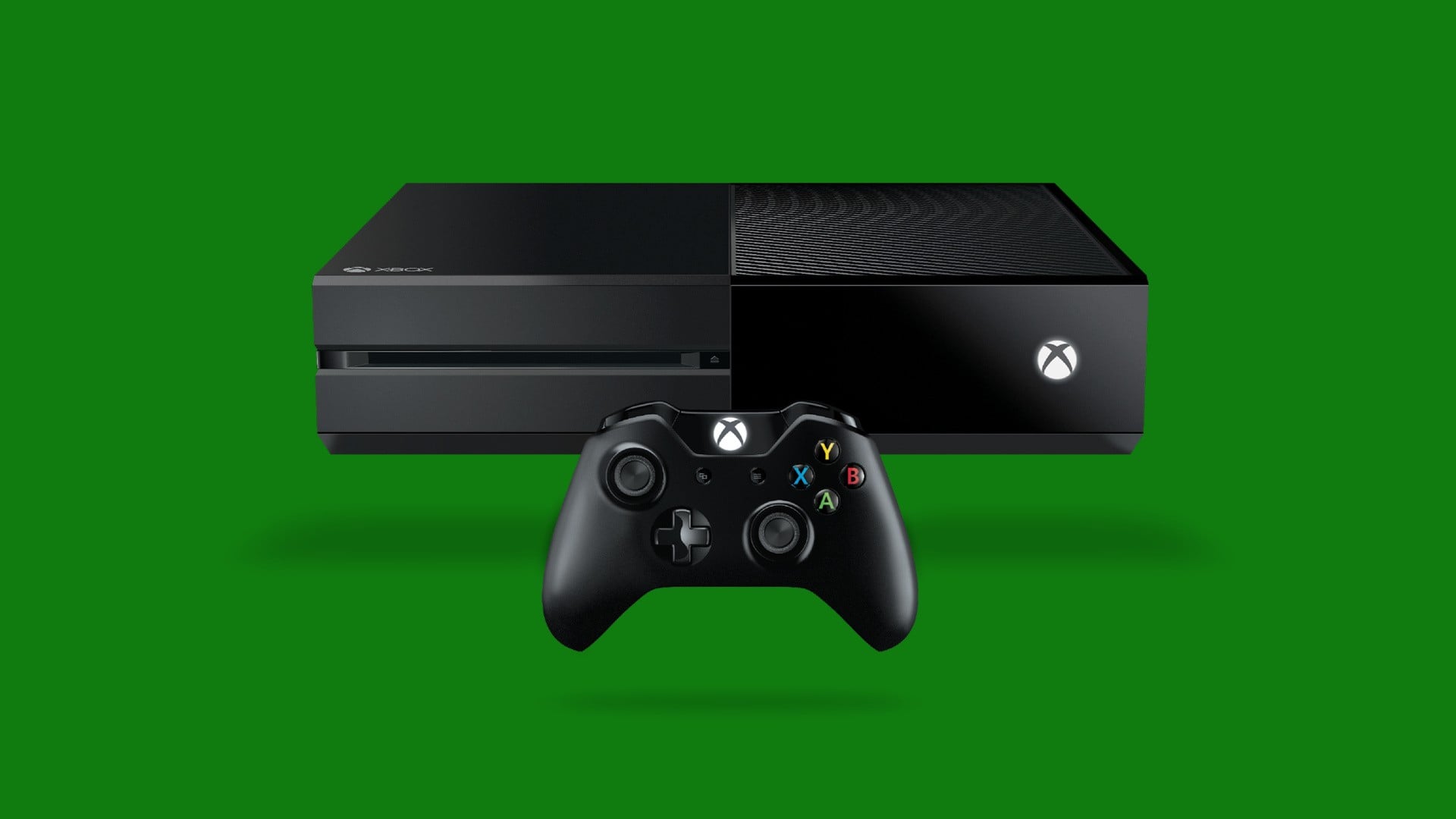
Furthermore, the "Bliss" exploit is highly specific to the original 2013 Xbox One model. Microsoft subsequently released revised hardware versions, including the Xbox One S (2016) and Xbox One X (2017), which incorporated hardware revisions and potentially updated security measures. These later models are currently unaffected by the "Bliss" exploit, meaning the vast majority of active Xbox One users, many of whom have upgraded to the S or X, remain secure from this particular vulnerability.
The high barrier to entry – both in terms of technical skill and specific hardware requirements – significantly limits the exploit’s practical widespread application. Unlike previous console hacks that sometimes proliferated through simple software installations or readily available mod chips, the "Bliss" exploit is likely to remain confined to a niche community of highly skilled hardware researchers and enthusiasts.
Inferred Reactions and Official Stances
Markus Gaasedelen (Security Researcher): "This talk explores what it’s like to hunt dragons and take on the task that many wrote off as impossible… this is basically a god mode hardware hack that cannot be patched." He further emphasized, "There’s a lot of layers to the Xbox One, I only care about the boot ROM. That’s what I studied. And if we compromise the boot ROM, we compromise everything." His statements clearly convey the immense challenge and the ultimate significance of his achievement in the realm of hardware security.
Microsoft (Inferred Official Response): While an official statement has not yet been issued, it is highly probable that Microsoft would acknowledge the research and reiterate its commitment to console security. Their response would likely emphasize several key points:
- Acknowledgement of Research: Commend the technical skill involved in the research, which contributes to the broader understanding of hardware security.
- Commitment to Security: Reaffirm that the security of the Xbox ecosystem and player experience remains a top priority.
- Limited Scope: Stress that the exploit only affects specific, older hardware revisions (the 2013 Xbox One model) and does not apply to the more widely used Xbox One S, Xbox One X, or the latest Xbox Series X|S consoles.
- High Difficulty: Highlight the extremely complex and specialized nature of the exploit, requiring significant hardware modifications and technical expertise, making it impractical for the vast majority of users.
- Discouragement of Tampering: Strongly advise against any attempts to modify Xbox consoles, warning that such actions violate terms of service, void warranties, can lead to console damage (bricking), and may result in bans from online services like Xbox Live, thereby compromising the user’s gaming experience.
- Continuous Improvement: Reassure users that Microsoft continuously evaluates and enhances its security measures across all its platforms, incorporating lessons learned into future hardware and software designs.
Security Experts and Community (Inferred): The broader security community would likely laud Gaasedelen’s work as a tour de force in hardware reverse engineering, recognizing the sheer technical prowess required. However, many would also echo the sentiment that, while a monumental academic and technical achievement, its practical implications for the average consumer are minimal due to the complexity and hardware specificity. It represents a theoretical "god mode" rather than a readily accessible tool for widespread console modification.
Broader Impact and Implications
The "Bliss" exploit, while limited in its immediate practical reach, carries significant broader implications for the console industry and the field of hardware security.
For Microsoft:
- Reputational Shift: The exploit subtly alters the narrative of the "unhackable" Xbox One. While the console held its ground for an impressive duration, the fact that a fundamental hardware vulnerability was eventually found demonstrates the perpetual challenge of achieving absolute security.
- Lessons for Future Hardware: The detailed methodology of "Bliss" will undoubtedly provide invaluable insights for Microsoft’s hardware design teams. Understanding how such deep-seated vulnerabilities can be exploited will inform the development of even more robust security measures for future console generations, such as the Xbox Series X|S and beyond. This ongoing "cat-and-mouse" game drives innovation in security.
- No Immediate Market Disruption: Given the exploit’s complexity and hardware specificity, it is highly unlikely to lead to a widespread surge in Xbox One hacking or piracy. The financial and logistical barriers are too high for it to become a mainstream issue, thus mitigating any immediate commercial threat to Microsoft.
For the Console Hacking Scene:
- Opening the Floodgates (Eventually): Gaasedelen’s work could serve as a foundational step for the Xbox One hacking scene. While the initial exploit is difficult, it provides a crucial entry point. Other researchers may now build upon this initial breach, potentially developing more user-friendly tools or discovering additional vulnerabilities that become accessible once the boot ROM is compromised. This could, over time, lead to the emergence of homebrew development, emulation capabilities, or custom firmware for the original Xbox One model.
- Academic and Research Validation: The "Bliss" exploit is a significant validation of the dedication and skill within the hardware security research community. It showcases that even highly secure, commercially mass-produced devices can eventually be understood and manipulated at their most fundamental levels.
For Consumers:
- Minimal Immediate Impact: For the vast majority of Xbox One owners, especially those with the S or X models, the "Bliss" exploit will have no direct impact. Their consoles remain secure, and their online gaming experiences are unaffected.
- Risk of Attempted Modifications: For the few who might be tempted to try and replicate the exploit on their original 2013 consoles, the risks are substantial. Attempting complex hardware modifications without expert knowledge can easily "brick" a console, rendering it permanently unusable. Furthermore, Microsoft’s terms of service prohibit unauthorized modifications, and detected tampering can lead to account bans from Xbox Live, severing access to online gaming, digital purchases, and cloud saves.
Conclusion
Markus Gaasedelen’s "Bliss" exploit stands as a testament to the relentless pursuit of knowledge within the security research community and a powerful reminder that no electronic system, however well-designed, is truly unhackable. After more than a decade of steadfast security, the original Xbox One has finally yielded its deepest secrets to a meticulously crafted hardware attack. While the exploit’s complexity and limited applicability to specific hardware models mean it won’t trigger a mass wave of console modification, its technical significance is undeniable. It provides invaluable insights for future console security, fuels the ongoing innovation in hardware hacking, and reinforces the perpetual dynamic between those who build secure systems and those who seek to understand and ultimately bypass them. The Xbox One’s journey from "unhackable" to "cracked" will undoubtedly be observed with keen interest by security professionals and gaming enthusiasts alike as its implications continue to unfold in the years to come.