
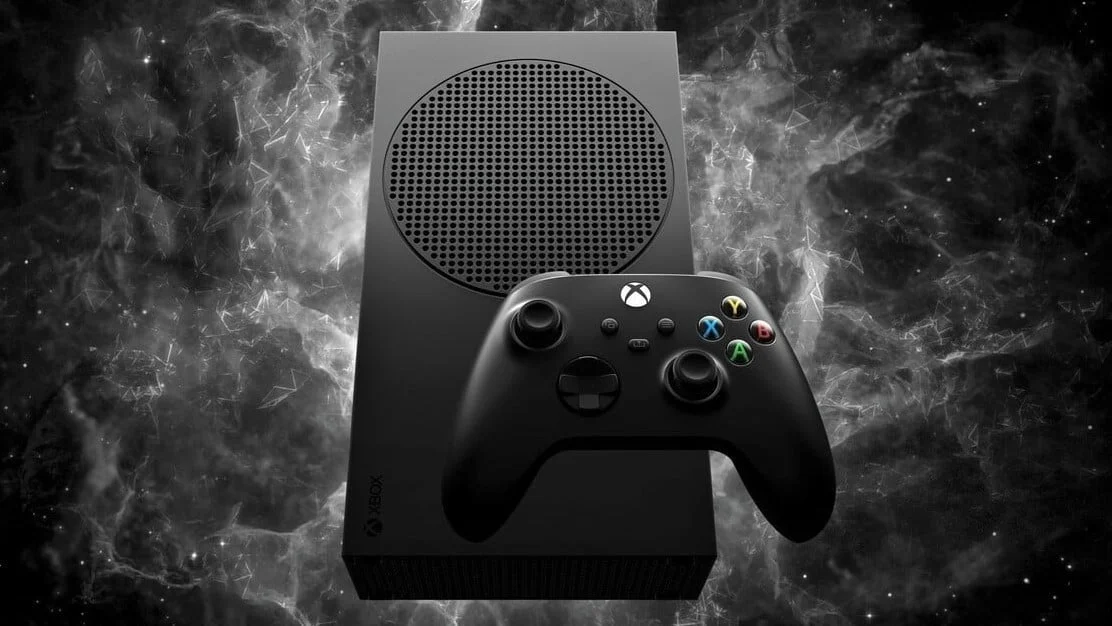
As Microsoft moves closer to the next evolution of its gaming ecosystem, the industry has turned its attention toward the successor to the Xbox Series X and Series S consoles. Known internally by the codename Project Helix, this upcoming hardware represents a pivotal moment for Microsoft’s Gaming Division. Following recent disclosures regarding the timeline for developer kit distribution and the overarching "This is an Xbox" marketing strategy, a critical question remains: how will the company brand its next generation of hardware? Historically, Microsoft has avoided traditional sequential numbering, opting instead for names that reflect the perceived utility or philosophy of each era. With Project Helix, the company faces the challenge of reconciling its hardware identity with its increasingly dominant software-and-service model.
The Historical Evolution of Xbox Branding Conventions
To understand the complexity of naming Project Helix, one must examine the non-linear history of Xbox branding. Unlike Sony’s PlayStation, which has utilized a simple numerical progression for five generations, Microsoft has frequently pivoted its naming strategy to match shifting market goals.
The original Xbox, released in 2001, was a direct reference to the "DirectX Box," highlighting the console’s roots in Windows-based graphics technology. When the successor arrived in 2005, Microsoft famously bypassed the "Xbox 2" moniker. Internal reports at the time suggested that executives feared "Xbox 2" would sound inferior to the "PlayStation 3." Consequently, the Xbox 360 was born, implying the user was at the center of a full circle of entertainment.
The branding took another turn in 2013 with the Xbox One. The intention was to market the device as an "all-in-one" entertainment system that integrated television, movies, and gaming. However, this naming convention was met with initial consumer confusion, particularly as it seemed to regress numerically from "360." By the time the current generation arrived in 2020, Microsoft introduced the "Series" nomenclature, with the Xbox Series X representing high-end performance and the Xbox Series S serving as an entry-point digital device. While "Series" aligned with naming trends in the automotive and smartphone industries, critics have argued that it lacked the clarity of a standard numerical system, occasionally leading to consumer confusion during the transition from the Xbox One X to the Xbox Series X.
Project Helix: Technical Ambitions and Timeline
Project Helix is not merely a hardware refresh but is being positioned as a significant technological milestone. In early 2024, Microsoft leadership, including Xbox President Sarah Bond, indicated that the next generation of hardware would feature the largest technical leap ever seen in a single console generation. This suggests a heavy reliance on specialized silicon, potentially integrating Neural Processing Units (NPUs) for AI-driven upscaling and sophisticated machine learning tasks that go beyond traditional GPU capabilities.
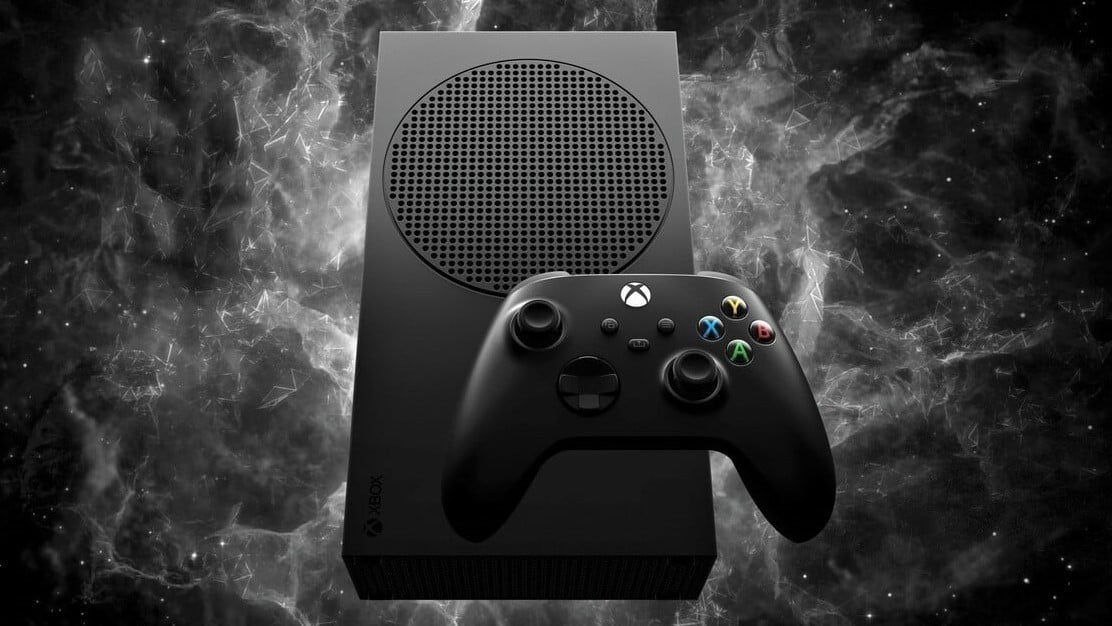
According to internal timelines and reports emerging in March 2026, Microsoft plans to provide developers with Project Helix hardware kits by 2027. This suggests a consumer launch window of late 2027 or 2028. This timeline is strategic, potentially allowing Microsoft to undercut the traditional seven-to-eight-year console cycle and gain a first-mover advantage over its primary competitors.
Furthermore, Project Helix is rumored to bridge the gap between console and PC gaming more aggressively than its predecessors. Reports suggest the hardware may be capable of running PC-based titles natively or through a highly optimized compatibility layer, effectively turning the console into a high-end, living-room-optimized PC. This shift in functionality necessitates a name that reflects more than just a "gaming box."
The Ecosystem Shift: "This is an Xbox"
The branding of Project Helix must also account for Microsoft’s recent "This is an Xbox" campaign. This initiative emphasizes that the Xbox brand is no longer tied strictly to a physical console but exists across PCs, mobile devices, smart TVs, and cloud streaming services. With the physical hardware now acting as one of many entry points into the Xbox Game Pass ecosystem, the naming convention may move away from traditional console terminology entirely.
Industry analysts have noted that Microsoft’s decision to put a first-party handheld console on the backburner—as explained by Xbox leadership in late 2025—indicates a consolidation of hardware efforts. Instead of a fragmented lineup of handhelds and home consoles, Microsoft appears to be focusing on a "premium" hardware experience that serves as the flagship for the entire ecosystem.
Strategic Naming Candidates and Market Positioning
Given the current trajectory of the brand, several naming conventions are being weighed by industry observers and marketing experts.
The Service-Integrated Approach: Xbox Ultimate
One of the most logical paths for Microsoft involves aligning its hardware names with its subscription tiers. Xbox Game Pass Ultimate is currently the brand’s most recognizable and successful service offering. By naming the flagship console the "Xbox Ultimate," Microsoft would create an immediate psychological link between the hardware and the service. This would signal to consumers that the device is the definitive way to experience the Game Pass library. If a lower-spec successor to the Series S were to be developed, it could logically be branded as the "Xbox Premium" or "Xbox Core," mirroring the service tiers.

The Modular Approach: Continuing the Series
Microsoft could choose to iterate on the current "Series" branding to maintain continuity. Names such as "Xbox Series Helix" or "Xbox Series 2" are possibilities, though they carry the risk of further complicating the brand identity. However, sticking with "Series" would allow Microsoft to maintain a consistent SKU structure (X and S) while simply updating the generational identifier.
The Functional Approach: Xbox Pro or Xbox PC
If Project Helix truly delivers on the promise of running PC games, Microsoft might opt for a name that highlights its utility. "Xbox Pro" is a familiar term in the tech world, used by Apple and Sony to denote high-end hardware. Alternatively, a name that emphasizes the bridge to Windows, such as "Xbox Nexus" or "Xbox Station," could highlight the console’s role as a centralized hub for all Microsoft gaming content.
Broader Implications for the Gaming Industry
The branding and release of Project Helix will have significant implications for the broader gaming market. Microsoft’s move to distribute dev kits in 2027 signals a push for technical supremacy. By the time this hardware arrives, the industry will likely be deeply entrenched in AI-assisted development and ray-reconstruction technologies. The name Microsoft chooses must convey that the device is not just a gaming console, but a future-proof AI-computing device.
From a competitive standpoint, the branding will dictate how Project Helix is compared to the inevitable PlayStation 6. If Sony continues its numerical progression, Microsoft must ensure its name sounds equally "next-gen" without appearing confusing to the casual consumer. The "technical leap" mentioned by Sarah Bond must be reflected in the marketing; a name that sounds too iterative might fail to capture the magnitude of the hardware’s capabilities.
Furthermore, the financial health of the Xbox division is increasingly tied to Game Pass. The console hardware is often sold at a loss or at thin margins to facilitate software and subscription sales. Therefore, the branding of Project Helix is as much a marketing tool for Game Pass as it is for the hardware itself. If the name successfully positions the console as the "ultimate" destination for Microsoft’s services, it could drive subscription numbers higher, even among consumers who previously relied on PC or cloud gaming.
Conclusion
As Microsoft prepares for the 2027 developer kit rollout, the branding of Project Helix remains one of the most critical decisions facing the company’s marketing team. The chosen name must balance the legacy of the Xbox brand with the modern reality of a service-oriented, cross-platform ecosystem. Whether Microsoft chooses to align with Game Pass tiers, continue the "Series" nomenclature, or embark on a entirely new naming philosophy, the goal remains the same: to provide a clear, compelling identity for what is promised to be the most significant hardware jump in the company’s history. The success of Project Helix will depend not only on the silicon inside the box but on the clarity of the message on the outside of it.