

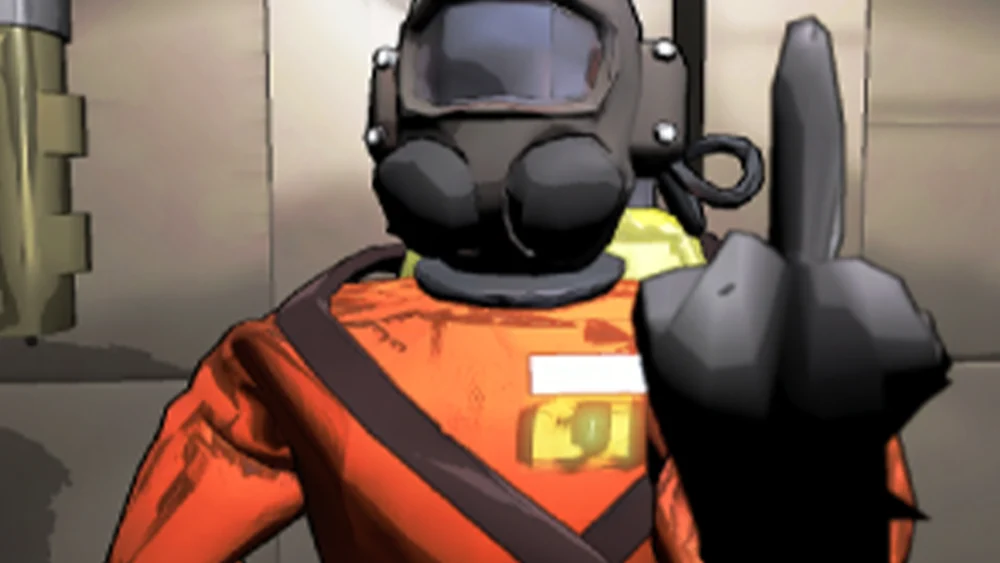
The landscape of independent horror gaming has been irrevocably altered, with a recent surge in titles that, while popular, are increasingly being characterized by a segment of the player base and critics as derivative. This phenomenon, colloquially dubbed "friendslop," has become a significant point of discussion, particularly following the immense success of games like Lethal Company. This article will explore the origins of this trend, its defining characteristics, the games that exemplify it, and the broader implications for the indie horror genre.
The Genesis of a Trend: Lethal Company’s Unforeseen Impact
The genesis of this current wave can be largely attributed to the unexpected viral success of Lethal Company, developed by Zeekerss. Initially released on Early Access in October 2023, the co-operative horror title quickly captured the attention of players and content creators alike. Its unique blend of suspenseful exploration, resource management, and emergent, often chaotic, player interactions proved to be a potent recipe for virality on platforms like YouTube and Twitch. The game’s core loop, which involves players scavenging abandoned moons for scrap while evading terrifying creatures, was amplified by its proximity voice chat, leading to countless moments of panicked camaraderie and hilarious misadventures.
Lethal Company‘s trajectory from a niche indie title to a global phenomenon was remarkably swift. Within months of its release, it had sold millions of copies and become a fixture in popular gaming streams. This level of success inevitably drew the attention of other developers, many of whom sought to replicate its formula. While Lethal Company itself is praised for its innovative mechanics, clever AI, and atmospheric design, its successors have, in many cases, opted for a more superficial imitation, focusing on the co-operative and humorous aspects rather than the nuanced horror elements that made the original so compelling.
Defining "Friendslop": A Formula for Viral Success
The term "friendslop" itself, though pejorative, captures a perceived trend within the indie horror sphere. It refers to games that prioritize accessibility, emergent humor through player interaction, and a readily digestible gameplay loop that lends itself to content creation, often at the expense of deep horror mechanics or original thematic exploration. Key characteristics often associated with friendslop include:
- Co-operative Focus: The games are designed primarily for multiplayer experiences, where the social dynamics and shared reactions of players become a central part of the entertainment.
- Emergent Humor: The gameplay often generates unintentional humor through janky physics, unpredictable AI, or the inherent chaos of group play, rather than relying on scripted comedic elements.
- Viral Potential: The core mechanics are designed to be easily understood and visually engaging for viewers, making them ideal for streaming and short-form video content.
- Simplified Horror: While horror elements are present, they are often less about sustained dread and psychological terror and more about jump scares, creature encounters, and the thrill of survival with friends.
- Repetitive Gameplay Loops: The core gameplay often involves repeating similar tasks or objectives, which can lead to a sense of tedium for players not fully engaged by the social aspect.
- Buggy or Unpolished Experiences: Some titles within this category are released with significant bugs or a lack of polish, with the expectation that the emergent gameplay and player banter will compensate for these shortcomings.
The rise of this genre is not entirely unprecedented. Historically, successful horror games have often inspired imitators. The impact of Amnesia: The Dark Descent in the early 2010s, for instance, led to a proliferation of survival horror titles focusing on vulnerability and puzzle-solving. More recently, the demo for P.T. (Silent Hills) single-handedly birthed a subgenre of psychological horror games characterized by looping environments and an emphasis on atmosphere. However, the current "friendslop" trend appears to be driven more directly by the mechanics of viral content creation and the demand for accessible, shareable gaming experiences.
Lethal Company and its Progeny: A Chronology of Influence
The timeline of this trend can be traced back to Lethal Company‘s explosive popularity. While the game was released in October 2023, its widespread impact and subsequent influence on other developers became truly apparent in the following months. By early to mid-2024, the indie horror scene began to see a noticeable increase in games adopting similar co-operative, scavenging, and creature-evasion frameworks.
One prominent example that has been cited as a successor, albeit with its own distinct identity, is R.E.P.O.. Released later, R.E.P.O. distinguished itself with unique mechanics such as "semibots" and psychic abilities, alongside frequent updates that kept it in the spotlight. While R.E.P.O. maintained a strong identity, its success further solidified the viability of the co-operative horror model popularized by Lethal Company.
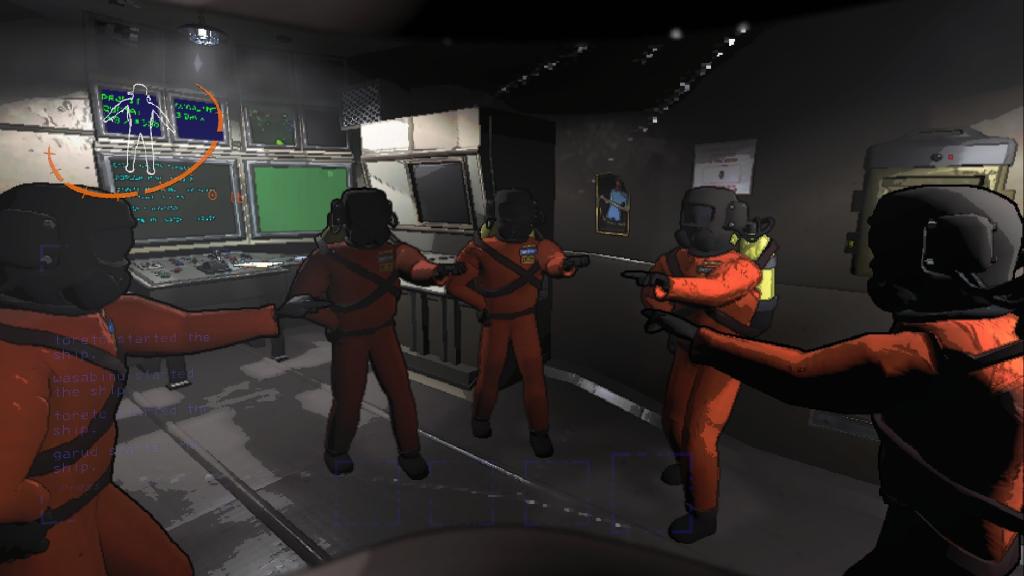
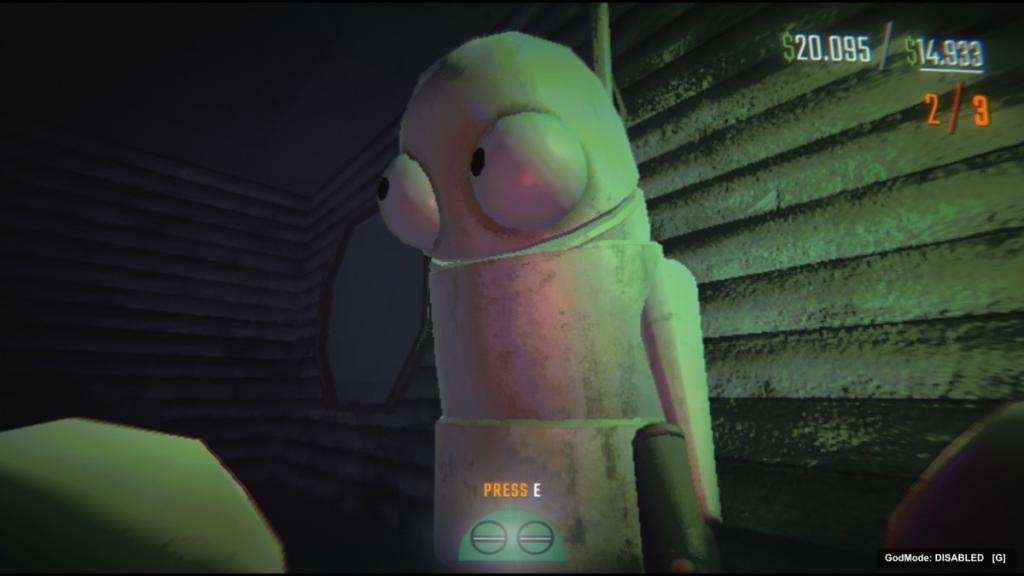
However, the proliferation of games attempting to capture this lightning in a bottle has led to a saturation of the market with titles that are often described as less original. Games like Murky Divers, Nuclear Nightmare, Emissary Zero, Forsaken Frontiers, PILGRIM, and YAPYAP have all emerged, each offering variations on the Lethal Company theme. While these titles may introduce minor twists or unique creature designs, they frequently fall into the trap of replicating the core formula without adding significant innovation, leading to a sense of déjà vu for players.
The issue, as highlighted by critics, is that these games often "try their hand at going viral, but few make it." The success of Lethal Company and R.E.P.O. can be attributed to a combination of factors that extend beyond mere genre imitation, including strong core gameplay, effective marketing through content creators, and timely updates. Many of the imitators, however, falter due to a lack of polish, underdeveloped mechanics, or an over-reliance on the novelty of proximity chat to carry the experience.
The Role of Content Creators and Player Engagement
The virality of these games is intrinsically linked to the influence of content creators. Streamers and YouTubers play a crucial role in exposing new titles to a wider audience. The inherent humor and potential for dramatic moments in co-op horror games make them ideal for entertainment, leading to a symbiotic relationship between developers and content creators. Developers often design their games with this audience in mind, anticipating the kinds of moments that will generate engagement.
However, this dynamic also presents a challenge. When a game’s primary appeal lies in the entertainment value derived from its bugs, jankiness, or the banter between friends, the focus shifts away from the intrinsic quality of the horror experience. Players may be content with mediocre gameplay if they can derive enjoyment from the social interaction or the spectacle of watching their favorite streamers play. This can create a feedback loop where unpolished or derivative games find an audience not because of their merit as horror titles, but because they provide a platform for entertaining player interactions.
Analysis: The Implications for Indie Horror
The rise of "friendslop" has several significant implications for the broader indie horror genre:
- Risk of Stagnation: An overemphasis on replicating successful formulas can lead to a lack of genuine innovation. If developers perceive that simply copying a popular game is a more reliable path to success than pursuing original ideas, the genre risks becoming stagnant and predictable.
- Dilution of Quality: The influx of numerous similar titles can make it difficult for truly unique and high-quality horror games to stand out. Players may become desensitized to the genre’s tropes, and genuine scares might be overshadowed by the pursuit of viral moments.
- Shifting Player Expectations: The success of games that rely heavily on social interaction and emergent humor may alter player expectations for horror games. Developers might feel pressured to incorporate co-op modes or mechanics that facilitate humor, even if it detracts from the intended horror experience.
- Economic Viability vs. Artistic Integrity: The allure of rapid success and financial gain can tempt developers to prioritize marketability over artistic vision. This raises questions about the balance between commercial viability and the pursuit of creating genuinely impactful and original horror experiences.
- The Legacy of Lethal Company: While Lethal Company itself is a well-crafted game, its unintended role as a catalyst for a wave of imitations highlights the complex relationship between innovation, virality, and creative output in the digital age. The game’s developers, Zeekerss, could inadvertently be seen as having spawned a sub-trend that may ultimately dilute the very genre they helped to invigorate.
The Search for Genuine Scares and Co-operative Camaraderie
While the current trend has its critics, it’s important to acknowledge that the desire for co-operative horror experiences is not inherently negative. Games like Phasmophobia have demonstrated that it is possible to create a successful co-operative horror game that is both genuinely frightening and engaging. These games often succeed by balancing the shared experience with a strong sense of dread and well-designed mechanics that contribute to the horror rather than detract from it.
The ideal scenario, as some express, would be a return to games that blend the camaraderie of playing with friends with genuinely terrifying experiences. Imagine a title that leverages couch co-op, allowing friends to huddle together in shared fear, or a game where the presence of companions genuinely aids in overcoming nightmares, rather than merely providing a comedic foil to an otherwise uninspired threat. The appeal of co-op horror, at its best, is the shared vulnerability and the ability to face the darkness together, making the escape all the more rewarding.
The current landscape, however, often sees developers latching onto the success of a popular idea without the creativity or dedication to develop it into something truly original. The ambition, it seems, is often focused on achieving viral fame and a quick financial return, rather than on crafting a lasting and impactful horror experience. This approach, while understandable from a business perspective, risks a future where the indie horror scene is dominated by superficial imitations, leaving players yearning for the genuine scares and innovative gameplay that once defined the genre. The question remains whether developers will prioritize long-term artistic integrity and player satisfaction over the fleeting allure of viral success.