
Towerborne, the highly anticipated side-scrolling action RPG from Stoic, the acclaimed developers behind the Banner Saga series, is set to officially launch on February 26, 2026. This release marks a significant milestone as the first Xbox Game Studios title of the new year, but it arrives after a comprehensive and transformative overhaul. Having spent years in an early access phase, the game has undergone a "deep structural rebuilding" that has dramatically reshaped its core experience, moving away from its initial free-to-play aspirations to embrace a premium, paid model with robust offline and online co-operative functionalities.
The Genesis of Towerborne: An Ambitious Early Access Journey
Towerborne first emerged on the gaming scene, capturing attention primarily due to its developer, Stoic. Known for their critically acclaimed Banner Saga trilogy, a series celebrated for its unique Norse-inspired art style, mature storytelling, and tactical turn-based combat, Stoic brought a pedigree of quality and narrative depth to their new project. Towerborne was initially conceived as a free-to-play (F2P) title, a model that promised broad accessibility and a potentially expansive player base, aligning with certain industry trends at the time that favored live-service games with ongoing content updates and monetization through cosmetic items or battle passes.
The game entered early access several years ago, allowing a dedicated community of players to experience its nascent stages and provide invaluable feedback. This early access period, while common for many games, was particularly extended for Towerborne, suggesting a profound evolutionary journey for the title. The initial F2P model was intended to foster a constantly evolving online community around its cooperative play, where players would defend the Belfry against encroaching corruption, either solo or with up to three companions. However, the inherent challenges of balancing a compelling F2P experience with sustainable monetization often lead developers to re-evaluate their strategies. The landscape for F2P titles is intensely competitive, requiring massive content pipelines and intricate economic designs to thrive, a path that can sometimes divert resources from core gameplay refinement.
A Pivotal Strategic Shift: From Free-to-Play to Premium
The most striking aspect of Towerborne’s upcoming 1.0 release is its dramatic pivot from the previously announced free-to-play model to a premium, paid game. This decision, communicated earlier in the year, signifies a strategic re-evaluation by both Stoic and Xbox Game Studios. The game will now be available for $24.99, offering a complete experience without the reliance on microtransactions or the perpetual content demands typically associated with F2P titles. This move is indicative of a broader industry trend where some developers, after experimenting with F2P, opt for a more traditional premium model to ensure a focused, high-quality experience unburdened by monetization pressures.
The developers have explicitly stated that this transition necessitated a "deep structural rebuilding" over much of the past year. This is not merely a pricing change but a fundamental re-architecture of the game’s design. Such a comprehensive overhaul likely encompassed numerous facets of development:
- Monetization Redesign: Removing F2P-centric systems and integrating a premium content model.
- Progression System: Reworking how players unlock abilities, gear, and content to fit a one-time purchase.
- Content Pacing: Adjusting the flow of the game, ensuring a satisfying campaign experience that justifies the upfront cost, rather than relying on endless grind or gated content.
- Offline Functionality: Integrating robust offline play capabilities, a significant undertaking for a game originally designed with online connectivity in mind, demonstrating a commitment to player choice and accessibility.
- Balance and Economy: Re-balancing the game’s internal economy, character power, and enemy encounters, which are vastly different for a F2P game (designed for retention and potential spending) versus a premium title (designed for a complete, satisfying journey).
- Narrative Integration: Potentially expanding the story and lore to provide a more cohesive and enriching single-player or co-op narrative arc.
This extensive development effort underscores the commitment from Stoic and Xbox Game Studios to deliver a polished and complete product. It also suggests that early access feedback, coupled with internal analysis, likely indicated that a premium model would better serve the game’s artistic vision and gameplay strengths.
Refined Gameplay and Narrative: Defending Humanity’s Survival
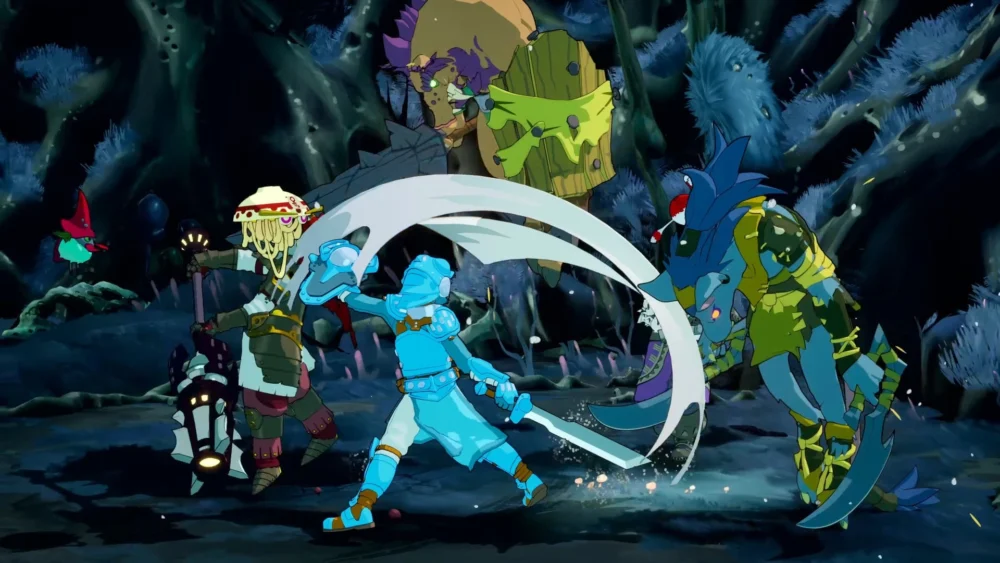
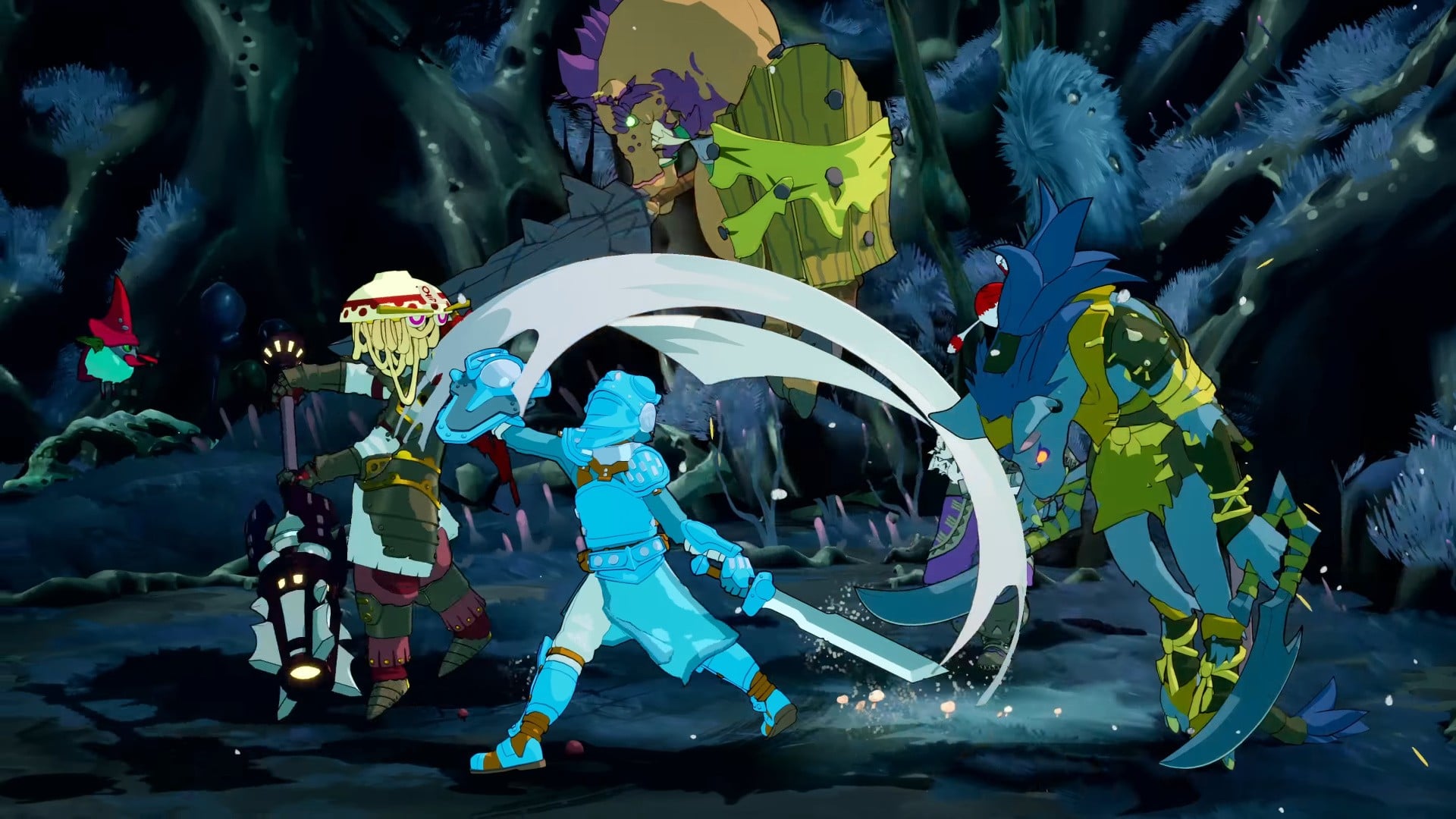
At its core, Towerborne remains a side-scrolling action RPG, a genre that blends precise combat with character progression and exploration. Players are tasked with defending the Belfry, humanity’s last bastion, against a pervasive corruption threatening its very existence. The game supports both solo play and cooperative engagement with up to three other players, allowing for varied tactical approaches to combat and exploration.
The "vast rework" for the 1.0 release is expected to enhance every aspect of this experience. While specific details of the individual features that comprise this rework were not extensively detailed in the initial announcement, one can infer significant improvements across the board:
- Combat Mechanics: Refinements to character abilities, enemy AI, and boss encounters to offer a more engaging and challenging combat loop.
- Level Design: Potentially redesigned levels that better cater to both single-player progression and dynamic co-op interactions, offering more varied environments and strategic opportunities.
- Progression Systems: A more streamlined and rewarding system for acquiring new gear, upgrading abilities, and customizing characters, ensuring that every hour invested feels meaningful within the premium framework.
- Narrative Depth: Enhanced storytelling elements that weave the "push back the corruption" premise into a more compelling and immersive narrative, characteristic of Stoic’s previous works.
- User Interface/Experience: Overhauls to menus, inventory management, and on-screen information to improve clarity and ease of use.
The decision to offer robust offline functionality is particularly noteworthy. In an increasingly online-dependent gaming landscape, providing a complete, self-contained experience that doesn’t require an internet connection caters to a segment of players who value permanence and accessibility, ensuring the game’s longevity beyond server lifespans. Simultaneously, the continued emphasis on online co-op ensures that the social, collaborative element remains a cornerstone of the Towerborne experience.
Launch Details and Accessibility Through Xbox Game Pass
Towerborne’s official launch on February 26, 2026, will make it available across multiple platforms: Xbox consoles, PC (via Steam and other digital storefronts), and PlayStation 5. This multi-platform release strategy maximizes its reach and indicates Xbox Game Studios’ commitment to bringing its titles to a broader audience, even when published under its umbrella.
A significant aspect of the launch is Towerborne’s day-one availability on Xbox Game Pass. Subscribers to the Ultimate, Premium, and PC tiers will gain immediate access to the full game without an additional purchase. This strategy aligns with Microsoft’s broader vision for Game Pass, positioning it as a key value proposition for new releases and a powerful discovery engine for players. For Stoic, launching on Game Pass provides an instant, massive audience, mitigating the financial risk associated with transitioning to a premium model and ensuring a healthy player count from day one. Players who are not Game Pass subscribers can purchase the standard edition for $24.99 or opt for the Deluxe Edition, which includes additional cosmetic sets and crafting materials, offering further customization options.

Developer Insights and Community Collaboration
The developers, in their official announcement, expressed profound gratitude to their early access community. "We’re excited to announce that we will be exiting early access and Xbox Game Preview and launching our full game on February 26, 2026, on Xbox, PC, Steam and PlayStation 5," the statement read. They further elaborated, "This major update represents a huge shift for the game and the community, and we have worked hard to incorporate as much of your feedback as we could. We could not have done this without your participation and contributions, and again, we want to thank each and every one of you."
This statement highlights the critical role played by the early access community. Their feedback, bug reports, and suggestions were instrumental in shaping the "huge shift" that Towerborne has undergone. The willingness of a developer to listen, internalize, and act upon community input, even to the extent of redesigning core business models and gameplay structures, speaks volumes about their dedication to quality and player satisfaction. It underscores the symbiotic relationship that can develop between developers and their early adopters, where shared passion drives the evolution of a project. The journey from initial concept to a significantly reworked 1.0 release is a testament to the iterative nature of game development and the courage to adapt when faced with new insights or evolving market dynamics.
Broader Implications for Xbox Game Studios and the Industry
Towerborne’s launch carries significant implications, both for Xbox Game Studios and the wider gaming industry. As the first major release from an Xbox Game Studios partner in 2026, it sets an early precedent for the year’s lineup. The decision to pivot from F2P to a premium model, and the subsequent "deep structural rebuilding," showcases a strategic flexibility within Xbox’s publishing arm. It suggests that player experience and product quality are prioritized, even if it means altering initial business plans. This adaptability is crucial in a rapidly evolving market where consumer preferences and monetization strategies are constantly in flux.
Furthermore, Towerborne’s multi-platform launch, including PlayStation 5, reinforces the evolving strategy of Xbox Game Studios to release certain titles beyond its native ecosystem. This approach aims to maximize audience reach and potentially increase revenue streams, demonstrating a more open publishing model compared to traditional console exclusivity. The day-one Game Pass inclusion simultaneously strengthens the subscription service’s value proposition, attracting new subscribers and retaining existing ones with high-quality, new releases.
For the industry, Towerborne’s journey serves as a case study in early access development and strategic pivots. It illustrates the challenges inherent in the free-to-play model and the potential benefits of returning to a premium pricing structure when it aligns better with the game’s design and development philosophy. It also reinforces the idea that extensive reworks, though costly and time-consuming, can ultimately lead to a more polished and well-received product, especially when informed by robust community feedback. The success of Towerborne in its new form could encourage other developers to critically assess their business models and development paths, prioritizing game quality over initial market trends.
In conclusion, Towerborne’s 1.0 launch on February 26, 2026, is far more than just another game release; it represents the culmination of years of development, a bold strategic pivot, and a testament to the iterative nature of game creation. With Stoic’s proven pedigree and the backing of Xbox Game Studios, the vastly reworked Towerborne is poised to offer a fresh and engaging side-scrolling action RPG experience, inviting both returning early access players and newcomers to defend humanity’s last stand.