

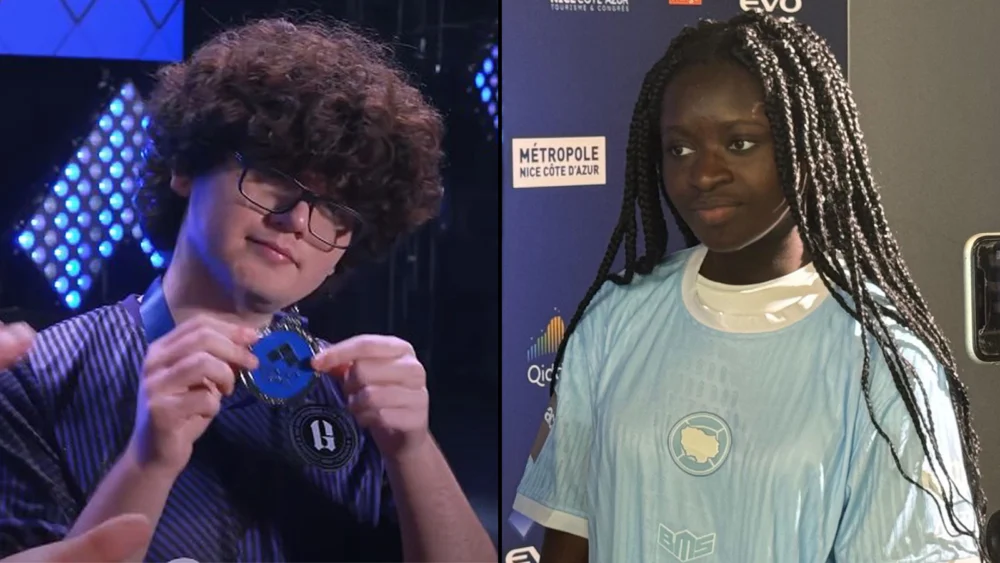
The electrifying atmosphere of Nice, France, played host to a groundbreaking edition of Evo France from October 10-12, a landmark event that not only cemented its place as the European Union’s largest fighting game tournament to date but also showcased a dramatic shift in the competitive landscape. The tournament, which saw an unprecedented 93 countries represented, witnessed the ascendance of young prodigies, most notably 15-year-old Chilean sensation Derek "Blaz" Reyes, who secured a remarkable second place in Street Fighter 6, and 16-year-old Neia, a breakout Tekken 8 talent who captivated audiences with her unexpected run. These young competitors are not just making waves; they are redefining the upper echelons of fighting game esports, challenging the long-held dominance of veteran players and signaling a vibrant future for the genre.
The history of fighting games is punctuated by stories of young talent emerging from arcades and online communities. However, the current wave of teenage competitors breaking through at premier events like Evo France represents a significant acceleration of this trend. While players like Daigo Umehara, a legendary figure in the Street Fighter community, have demonstrated remarkable longevity, the recent performances at Evo France suggest a changing of the guard is underway. This burgeoning youth movement is fueled by increased accessibility to high-level competition through online platforms, readily available educational content, and a growing global esports infrastructure that supports and nurtures emerging talent from a younger age.
Blaz’s Meteoric Rise to the Top
Derek "Blaz" Reyes, a 15-year-old Street Fighter 6 prodigy hailing from Chile, has been a name whispered with increasing reverence within the fighting game community since the release of Street Fighter 6 in 2023. His journey to the Grand Finals of Evo France is the culmination of a stellar year of competitive performances. Blaz has consistently demonstrated exceptional skill and composure on the global stage, earning numerous accolades in the official Capcom Pro Tour. His victories in online tournaments have been impressive, but his consistent high placements at major offline events have truly set him apart.
Prior to Evo France, Blaz had already secured Top 8 finishes at prestigious tournaments such as Blink Respawn, Combo Breaker, and the Ultimate Fighting Arena. However, his most notable achievements leading up to this European major were two second-place finishes at two of the most coveted Street Fighter tournaments globally: the 2025 Esports World Cup and Capcom Cup XI. These near-victories, achieved at such a young age, underscored his potential and placed him firmly on the radar of every major organization and observer in the scene.
At Evo France, Blaz continued his formidable run, navigating the treacherous lower bracket to reach the Grand Finals. He faced off against formidable Korean competitor Leshar in a grueling match that tested both players’ mettle. While Blaz ultimately fell short of the championship title, his second-place finish at Evo France, following his impressive showings at the Esports World Cup and Capcom Cup XI, solidifies his status as a rising superstar. At just 15 years old, achieving such consistent, high-level success in three of the world’s most prestigious fighting game tournaments is an extraordinary feat, marking him as a player to watch for years to come. His calm demeanor and strategic gameplay, even under immense pressure, suggest a maturity beyond his years, hinting at a bright and potentially championship-laden future.
Neia: The Tekken Prodigy Who Stole the Show
The narrative of young talent at Evo France was not confined to Street Fighter 6. In the Tekken 8 brackets, a 16-year-old player known as Neia emerged as a revelation, captivating audiences and shaking up the established order. Her journey to the Top 24 of the Tekken 8 tournament was nothing short of spectacular, particularly her decisive victories over seasoned professional players Hakim "Skywalker" Touré and Jonathan "Tibetano" Medina. These wins, achieved against highly respected and experienced competitors, immediately propelled Neia into the spotlight.
Before Evo France, Neia was largely an unknown entity on the global competitive stage. Her performance at the tournament, however, erased any doubts about her talent and potential. The fighting game community is known for its passion and rapid dissemination of information, and Neia’s impressive run quickly went viral. Social media was abuzz with praise and astonishment, with many commentators highlighting her second major tournament appearance and her remarkable ability to defeat established pros. One widely shared tweet from user @zDamascus exclaimed, "Holy shit this is insane. Neia, 16 years old. Second ever major. Absolute Tekken prodigy, beats both Skywalker and Tibetano. She’s basically Tekken’s Endingwalker wow. Cheering for her to reach top 8!!!!" This sentiment captured the widespread excitement and admiration for her performance.
Neia’s breakthrough at Evo France has not only solidified her place within the competitive Tekken scene but has also earned her significant praise from the French community, who celebrated her exceptional skills and unexpected success on their home turf. Her ability to adapt and perform under the pressure of a major international tournament, especially with limited prior high-profile experience, suggests a natural aptitude for competitive play and an impressive capacity for growth. Her emergence is a testament to the deep talent pools that exist within the fighting game community, waiting to be discovered and nurtured.
A Broader Trend: The Youth Takeover
The remarkable performances of Blaz and Neia at Evo France are not isolated incidents but rather indicators of a broader trend sweeping across the fighting game community. This past weekend’s event highlighted that this surge of young talent is a global phenomenon. Earlier this year, 17-year-old Hong Kong-based player Micky achieved a Top 8 finish at Evo Las Vegas in Street Fighter 6, further underscoring the international reach of this youth movement. Additionally, 13-year-old Chilean Street Fighter player "Craime" made waves by securing an impressive fourth place at Blink Respawn 2024, showcasing that even younger competitors are capable of challenging seasoned veterans.
These consistent results from players under the age of 18 suggest a fundamental shift in how talent is developed and recognized within esports. The "golden age" of fighting games in the mid-90s saw many young players rise, but the current era is characterized by unprecedented access to resources and information, enabling faster skill acquisition and development. The proliferation of online training tools, character guides, and the ability to spectate and analyze top-level play from around the world provides a fertile ground for young enthusiasts to hone their craft. Furthermore, the increasing professionalization of esports, with dedicated training facilities and coaching opportunities, is likely contributing to the accelerated development of these young stars.
Evo France: A Record-Breaking Spectacle
Beyond the individual player narratives, Evo France itself achieved a significant milestone, solidifying its position as a premier event on the fighting game calendar. The tournament successfully broke records, becoming the largest fighting game event in the history of the European Union. With participants hailing from an astonishing 93 countries, the event demonstrated the truly global appeal of competitive fighting games and the growing influence of the Evo brand in international markets. This record-breaking attendance signifies the continued growth and mainstream appeal of esports, particularly within the fighting game genre. The diverse representation also speaks to the accessibility of these games and the increasing infrastructure supporting competitive play worldwide, allowing players from even the most remote regions to participate and showcase their skills.
The success of Evo France, particularly its role in elevating young talent, has significant implications for the future of fighting game esports. It suggests that the next generation of champions is not only eager but also capable of challenging the established order. As these young players continue to mature and refine their skills, the competitive landscape promises to become even more dynamic and unpredictable. The passing of the torch from veteran legends to these rising stars is not just an evolution of the scene but a revitalization, injecting fresh energy and new strategies into the heart of competitive gaming. The ongoing development of these prodigies will undoubtedly be a captivating storyline to follow as they navigate the increasingly professionalized world of esports.