
The landscape of the global interactive entertainment industry shifted significantly this week as Microsoft Gaming officially entered a new era of leadership. With the retirement of Phil Spencer, the executive who spent a decade rehabilitating the brand, and the departure of Sarah Bond, the presidency of the Xbox division has transitioned to Asha Sharma. This leadership change occurs at a critical juncture for Microsoft, as the company seeks to reconcile its massive $69 billion acquisition of Activision Blizzard with a rapidly evolving market that is increasingly moving away from traditional console-centric models. Sharma, an executive known for her background in product and platform scaling rather than traditional game development, now faces the daunting task of steering a multi-billion dollar ecosystem through a period of identity transition and structural realignment.
The Strategic Legacy of the Spencer Era
To understand the magnitude of the challenge facing Asha Sharma, one must examine the state of the Xbox brand upon Phil Spencer’s ascension in 2014. Following the widely criticized launch of the Xbox One, which focused heavily on media integration and DRM (Digital Rights Management) rather than core gaming, Spencer was credited with a "fans-first" pivot. Under his tenure, Microsoft Gaming expanded from a hardware-reliant division into a cross-platform services powerhouse.
Spencer’s legacy is defined by three primary pillars: the launch and aggressive expansion of Xbox Game Pass, the acquisition of high-profile publishers including ZeniMax Media and Activision Blizzard, and the commitment to backward compatibility. However, the latter years of his leadership were marked by significant friction. Despite the massive influx of intellectual property (IP), the division faced scrutiny over internal studio management, the cancellation of anticipated projects, and a series of layoffs and studio closures in 2024 that affected venerable teams such as Tango Gameworks and Arkane Austin. Sharma inherits a division that possesses the world’s most formidable library of gaming IP but continues to struggle with hardware sales parity against its primary competitor, Sony Interactive Entertainment.
Chronology of a Brand in Transition
The transition to Sharma’s leadership follows a turbulent 24-month period for Microsoft Gaming. In late 2023, the company finalized its acquisition of Activision Blizzard after a protracted legal battle with global regulators. This was followed by a strategic shift in early 2024, where Microsoft began porting previously exclusive titles, such as Sea of Thieves and Hi-Fi RUSH, to competing platforms like the PlayStation 5 and Nintendo Switch.
By late 2024, the "This is an Xbox" marketing campaign signaled a move toward a "platform-agnostic" future, suggesting that the Xbox experience was no longer tied to a specific black box under a television, but rather any screen capable of streaming or running the Xbox app. This campaign received a polarized response from the core community, with some praising the accessibility and others fearing the eventual obsolescence of Xbox hardware. Sharma takes the helm as the brand prepares for its 25th anniversary in 2026, a year currently slated to be the most significant in the brand’s history since the launch of the Xbox 360.
The 2026 Roadmap: Software and Hardware Synergy
The immediate priority for the new CEO is the execution of the 2026 release calendar. Industry analysts have noted that Microsoft has positioned an unprecedented number of "pillar" franchises for release within this window. The current schedule includes:
- Fable: A reboot of the beloved RPG franchise by Playground Games.
- Gears of War: E-Day: A prequel returning the series to its horror-action roots.
- Forza Horizon 6: The next iteration of the industry-leading open-world racing series.
- Halo (Projected): Rumors of a new entry or a significant "Campaign Evolved" update to the flagship shooter.
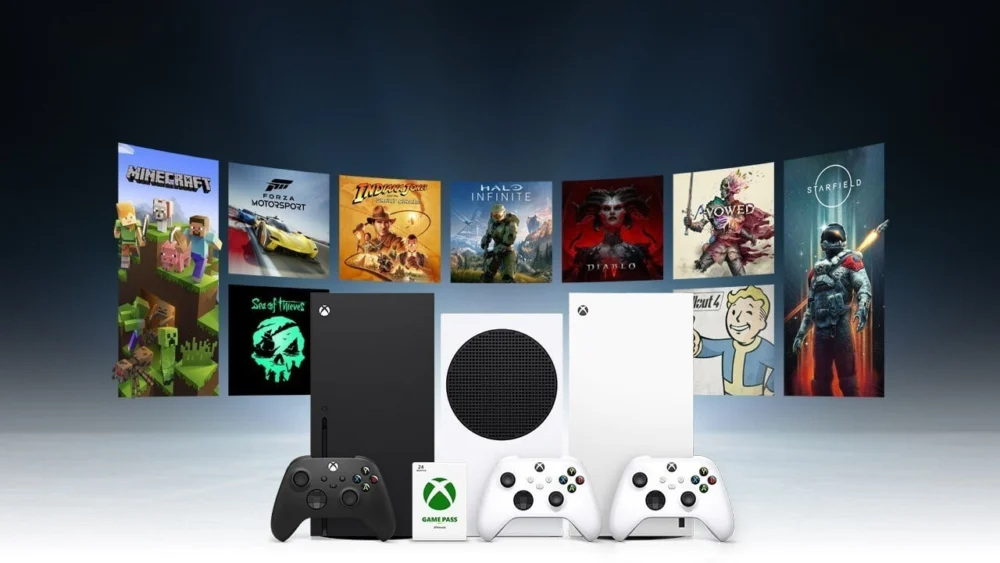
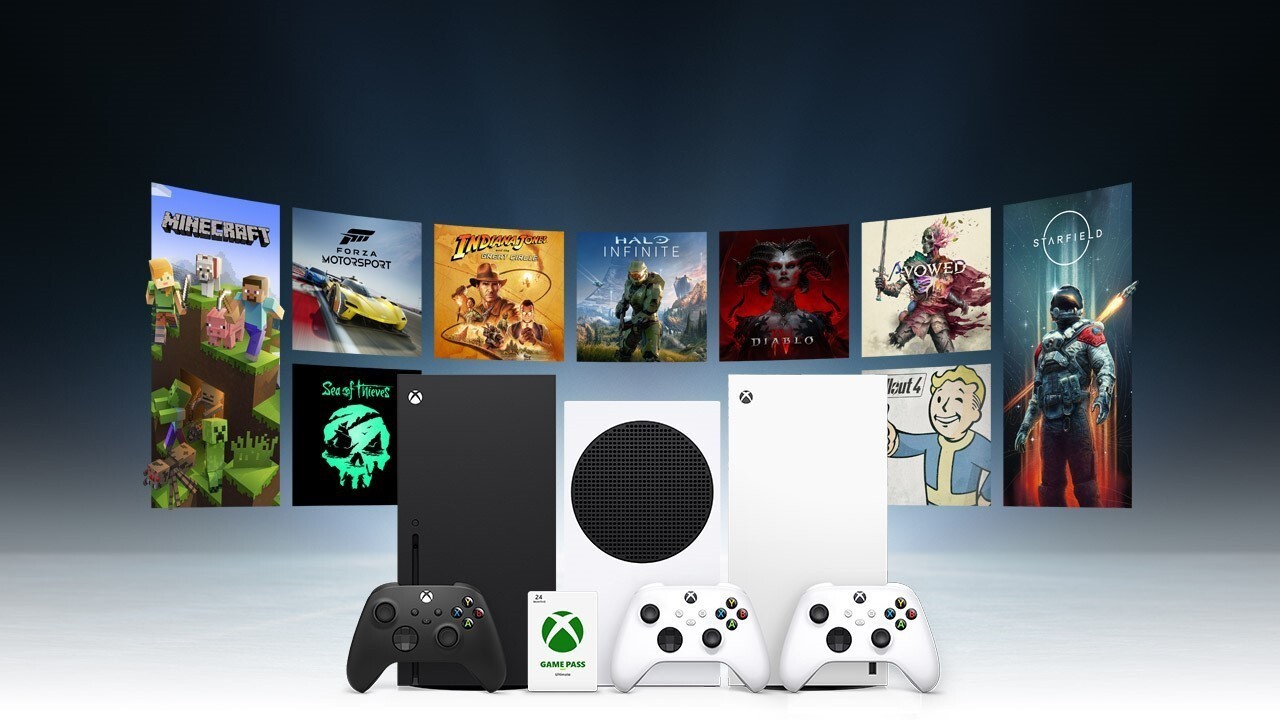
Beyond software, reports indicate that Microsoft is nearing the finalization of its next-generation hardware strategy. While the Xbox Series X and Series S are entering the latter half of their life cycles, internal documents and supply chain leaks suggest a dual-pronged hardware approach for 2026. This reportedly includes a traditional high-performance home console and a dedicated handheld gaming device designed to compete with the Steam Deck and Nintendo Switch. Sharma’s role will be to ensure these hardware launches provide a clear value proposition to a consumer base that is increasingly skeptical of the "generational" leaps in technology.
Market Data and Economic Pressures
The financial stakes for Sharma are immense. Microsoft’s gaming revenue now exceeds that of its Windows division, making it a primary driver of the company’s overall growth. According to recent quarterly earnings reports, Xbox content and services revenue increased by 61% year-over-year, largely driven by the integration of Activision Blizzard. However, hardware revenue has seen a consistent decline, dropping by approximately 30% in several key markets.
This divergence presents a strategic paradox. While the "Xbox everywhere" model is driving record software and subscription revenue, it risks alienating the core enthusiast base that serves as the brand’s primary advocates. Sharma must manage a delicate balance: satisfying the demands of Microsoft’s board for high-margin digital growth while maintaining enough hardware presence to prevent the brand from becoming a mere third-party publisher on other platforms.
Internal Realignment and Studio Culture
One of the most pressing internal challenges for Sharma is the restoration of morale and operational clarity across Microsoft’s 30+ internal studios. The closures of 2024 sparked a debate regarding Microsoft’s ability to manage "prestige" mid-sized studios. Industry insiders suggest that Sharma’s background in platform scaling may lead to a more centralized management structure, moving away from the "hands-off" approach that Spencer was known for.
The integration of Activision Blizzard King (ABK) also remains an ongoing process. Merging the corporate cultures of a traditional tech giant like Microsoft with the specialized, often insular cultures of studios like Blizzard Entertainment and Infinity Ward requires a nuanced touch. Sharma will need to navigate the complexities of unionization efforts within the gaming division and the public pressure to maintain high standards of workplace conduct following the controversies that plagued ABK prior to the acquisition.

Broader Impact and Industry Implications
The appointment of a "gaming newcomer" to lead the world’s largest gaming conglomerate reflects a broader trend in the technology sector. As gaming converges with cloud computing, artificial intelligence, and mobile platforms, companies are increasingly looking for leaders who can navigate the intersection of entertainment and technology.
Sharma’s success or failure will likely dictate the future of the "console wars." If she successfully bridges the gap between hardware enthusiasts and mobile/cloud gamers, Xbox could become the definitive "Netflix of Gaming." If the transition is mishandled, Microsoft may face pressure from investors to divest further from hardware and focus solely on being a software provider.
The "First 100 Days" for Sharma will likely focus on stabilizing the brand identity. This includes clarifying the definition of "exclusivity" in a multi-platform world and ensuring that the 25th-anniversary celebrations in 2026 serve as a launchpad for the next decade of growth rather than a nostalgic look at a disappearing era.
Strategic Analysis: The Path Forward
For Asha Sharma, the path to success involves three critical milestones. First, the 2026 hardware must offer a unique feature set—potentially through deep integration with Microsoft’s Azure AI capabilities—that cannot be replicated on a PlayStation or a PC. Second, the "This is an Xbox" campaign must evolve from a marketing slogan into a seamless technical reality, where cloud saves, cross-play, and performance parity are flawless across all devices. Finally, she must deliver a consistent cadence of "AAA" first-party titles that justify the monthly cost of Game Pass.
As the industry watches, the question remains: Can a leader from outside the traditional gaming sphere maintain the soul of a brand that was built on the passion of hardcore gamers? The answer will determine whether Xbox remains a hardware titan or evolves into a ubiquitous service that transcends the need for a console entirely. The transition from the Spencer era to the Sharma era is not just a change in personnel; it is a fundamental test of Microsoft’s long-term vision for the future of digital entertainment.