
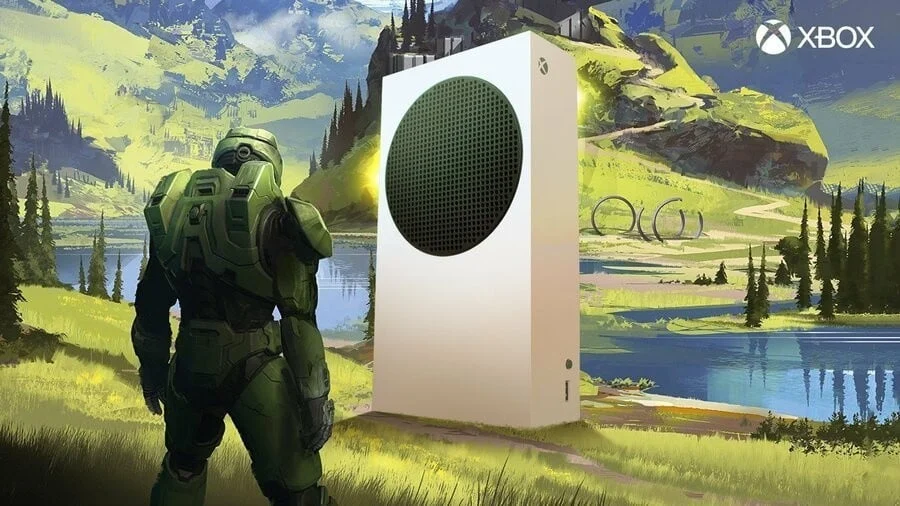
Microsoft has ignited significant discussion within the gaming industry this week with the surprise announcement of ‘Project Helix,’ the codename for its forthcoming next-generation Xbox console. This strategic revelation confirms that the device will notably play PC games in addition to traditional Xbox titles, a move that blurs the lines between console and PC gaming. Microsoft Gaming boss Asha Sharma further underscored the console’s ambition, stating that Project Helix "will lead in performance." This dual emphasis on performance leadership and expansive PC game compatibility has prompted widespread speculation regarding the console’s market positioning: will it emerge as a niche, high-performance product akin to specialized gaming hardware, or will it successfully broaden its appeal to a mass consumer audience?
The Strategic Pivot: Xbox Embraces Openness
The official confirmation that Project Helix will support PC games represents a significant departure from traditional console paradigms, which have historically operated as closed ecosystems. This "open" approach, as detailed in recent reports, implies compatibility with Windows-based games and access to competitive PC storefronts. For consumers, this could translate into a dramatically expanded game library, encompassing titles not native to the Xbox ecosystem, alongside the potential for long-term savings due to the frequent sales and competitive pricing prevalent on platforms like Steam, Epic Games Store, and GOG.
This strategy aligns with Microsoft’s broader vision for Xbox, which has been increasingly focused on ecosystem expansion rather than purely hardware-centric sales. The company’s investments in Xbox Game Pass, cloud gaming via Xbox Cloud Gaming, and its recent strategy of bringing first-party titles to competing platforms like PlayStation and Nintendo Switch, all point towards a future where content accessibility and player choice are paramount. Project Helix appears to be the logical hardware extension of this philosophy, positioning the console as a central hub for a vast array of gaming experiences, irrespective of their original platform.
A further, and potentially revolutionary, implication of this PC-focused direction is the possibility of Microsoft dropping its requirement for an Xbox Live Gold subscription for online multiplayer. PCs and existing open-platform handhelds like the ROG Xbox Ally (a Windows-based device itself) do not necessitate such a subscription for online play. Should Microsoft extend this policy to Project Helix, it would represent a massive public relations victory and a significant value proposition for consumers, potentially lowering the total cost of ownership over the console’s lifecycle and directly challenging PlayStation’s established paid online model.
Performance Leadership and the Price Conundrum
Asha Sharma’s declaration that Project Helix "will lead in performance" immediately flags the console as a high-end device. Achieving this level of performance leadership in the current technological landscape requires cutting-edge components, including powerful CPUs, state-of-the-art GPUs capable of advanced rendering techniques like ray tracing, ample high-speed RAM, and ultra-fast solid-state drives. These specifications are essential for delivering the next-generation gaming experiences, such as native 4K or even 8K resolution at high frame rates, that modern consumers expect from top-tier hardware.
However, this pursuit of performance inevitably collides with the market reality of component costs. The global semiconductor shortages experienced in recent years, coupled with ongoing supply chain complexities and fluctuating global tariffs, have driven up the manufacturing cost of high-tech electronics. Industry analysts widely anticipate that Project Helix will be a "pretty pricey bit of kit." When considering devices like the PlayStation 5 Pro, which surprised many with its estimated USD $699 price tag in 2024, the potential cost of a console designed to "lead in performance" could easily push it into a premium price bracket, potentially even exceeding the USD $800-1000 mark.
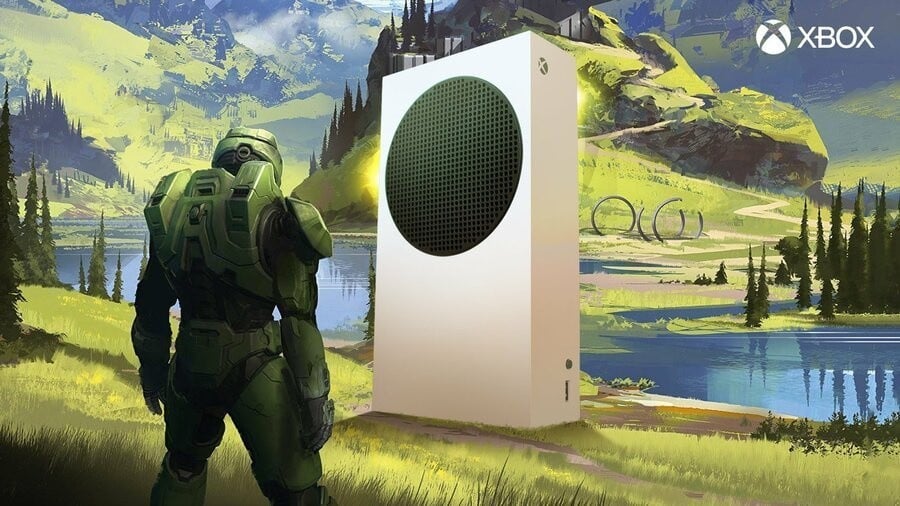
This projected high price point is the primary factor influencing the "niche vs. mass market" debate. Historically, consoles aiming for broad consumer appeal have targeted price points below USD $500 at launch. Devices priced significantly higher often cater to enthusiasts and early adopters who prioritize bleeding-edge technology and are willing to pay a premium. Microsoft has undoubtedly weighed these economic considerations against its performance ambitions, attempting to strike a balance that defines Project Helix’s market segment.
The Competitive Landscape and Xbox’s Unique Edge
The gaming hardware market is increasingly crowded and diverse. Beyond traditional consoles like Sony’s PlayStation and Nintendo’s Switch, the rise of powerful handheld PCs such as Valve’s Steam Deck and ASUS’s ROG Ally has introduced new form factors and open-platform gaming experiences. Valve, for instance, is reportedly entering the market with a new Steam Machine in November 2025, an open-nature device that directly competes with the concept of Project Helix.
While these devices offer compelling performance, free online play, and access to multiple PC storefronts, Microsoft holds a distinct advantage with Project Helix: unparalleled compatibility and ecosystem integration. The Xbox team possesses direct access to multiple generations of Xbox console games, many of which lack native PC versions. This vast back catalog, accessible through backward compatibility, offers a unique selling proposition that no other platform can fully replicate. Players on Project Helix could theoretically access thousands of Xbox, Xbox 360, Xbox One, and current-generation Xbox Series X|S titles, alongside a burgeoning library of PC games.
Furthermore, while Valve’s Steam Machine is "open," its primary business model still incentivizes users to remain within the Steam ecosystem. Microsoft, by contrast, appears genuinely keen to support as many storefronts as possible, fostering a truly open marketplace on its console. This agnostic approach to digital storefronts could attract a broader base of PC gamers who value choice and competition in pricing, distinguishing Project Helix from its more platform-specific rivals.
Microsoft’s Evolving Strategy and Market Implications
The announcement of Project Helix can be viewed within the broader context of Microsoft’s evolving strategy in the gaming sector. Under the leadership of CEO Satya Nadella and Xbox head Phil Spencer, the company has increasingly prioritized content and services over traditional hardware sales. The acquisition of major publishers like ZeniMax Media (Bethesda) and Activision Blizzard King underscores a commitment to owning and distributing a vast library of intellectual property. Project Helix, with its PC game compatibility and potential for a subscription-free online experience, appears designed to maximize the reach of this content to the widest possible audience, regardless of whether they identify as "console gamers" or "PC gamers."
This strategy also has significant implications for the future of console gaming. If Project Helix succeeds in blurring the lines between consoles and PCs, it could accelerate a broader industry trend towards more open, interoperable gaming ecosystems. This shift could challenge the long-standing console wars dynamic, where platform exclusives and proprietary services have been key differentiators. Instead, future competition might center more on hardware innovation, value-added services (like Game Pass), and the overall user experience across a diverse library of games.
However, such an ambitious pivot is not without its challenges. Microsoft faces a considerable marketing task to clearly articulate the benefits of Project Helix to a diverse consumer base. The concept of a "console that plays PC games" could be confusing for traditional console users accustomed to simpler, curated experiences. Conversely, hardcore PC gamers might question the need for a dedicated console if they already own powerful gaming rigs. Asha Sharma and Team Xbox will need to craft a compelling narrative that highlights the unique blend of performance, accessibility, and compatibility that Project Helix offers, justifying its likely premium price point.

Chronology of Recent Hardware Developments (2024-2026)
The reveal of Project Helix in March 2026 follows a period of significant activity and speculation in the gaming hardware sector:
- September 2024: Sony officially launches the PlayStation 5 Pro. Its USD $699 price point surprises many, but market analysis suggests the decision was easier due to a perceived lack of direct Xbox competitor at that high-end segment at the time. This event set a new benchmark for premium console pricing.
- November 2025: Valve announces new hardware, including a next-generation Steam Machine. This move signals Valve’s continued commitment to hardware that bridges the gap between PC and console gaming, intensifying the competitive landscape for open platforms.
- Early 2026: Persistent rumors and leaks circulate regarding Microsoft’s next-gen Xbox strategy, hinting at a more open, PC-centric approach and a focus on performance. These reports lay the groundwork for the official announcement.
- March 2026: Microsoft officially announces ‘Project Helix,’ confirming its next-gen Xbox console will play PC games and "will lead in performance," setting the stage for its anticipated launch.
This timeline illustrates a clear trend towards more powerful, versatile, and potentially more expensive gaming hardware across the industry. The era of consistently "cheap gaming hardware" appears to be largely over, with manufacturers increasingly targeting different segments of the market with varied price points and feature sets.
Conclusion: The Path Ahead for Project Helix
Ultimately, the success of Project Helix in achieving mass market appeal versus remaining a niche device will hinge on a complex interplay of factors, with price undeniably playing a central role. In a market where "sticker shock" is increasingly common for new high-tech devices, the exact pricing will be critical in determining its accessibility. However, as evidenced by the PS5 Pro’s reception, price is not the sole determinant of success.
Microsoft’s ability to effectively communicate the unique value proposition of Project Helix will be paramount. The console’s blend of leading performance, comprehensive PC game compatibility, potential for subscription-free online play, and unparalleled backward compatibility with generations of Xbox titles presents a compelling, albeit complex, offering. Asha Sharma and the marketing team at Xbox face the significant challenge of clearly articulating these benefits to both traditional console players and PC enthusiasts.
As the gaming world watches, the coming months will undoubtedly bring more details about Project Helix, clarifying its final specifications, pricing, and launch strategy. The outcome will not only shape the future of Xbox but could also influence the broader trajectory of the console gaming industry, potentially ushering in an era of more open, interconnected, and versatile gaming platforms.