

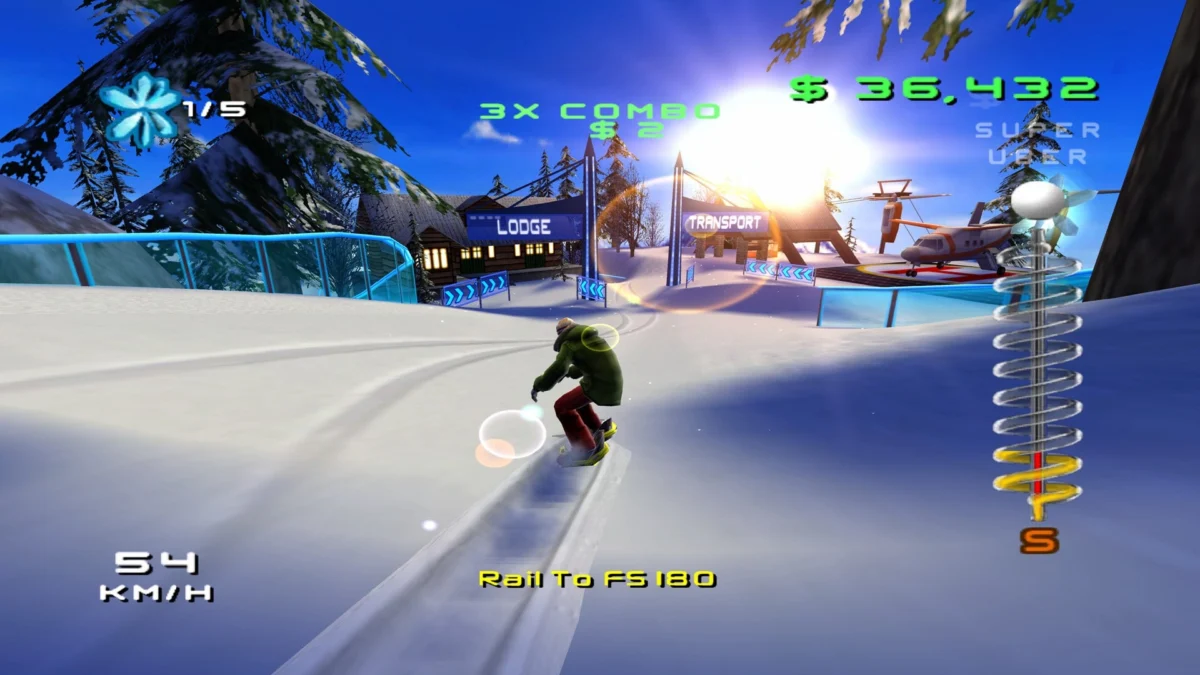
Electronic Arts’ seminal snowboarding title, SSX 3, continues to maintain a significant presence in the gaming landscape over two decades after its initial 2003 release. As of 2026, the title remains a standout example of the success of Microsoft’s Xbox Backwards Compatibility program, offering technical enhancements that bridge the gap between sixth-generation console design and ninth-generation hardware capabilities. Originally developed by EA Canada and published under the EA Sports BIG label, SSX 3 represents a pinnacle of the arcade extreme sports genre, a sector of the industry that saw a massive surge in popularity during the early 2000s before receding into a niche market. Today, the game is accessible on Xbox One, Xbox Series X, and Xbox Series S, benefiting from significant resolution increases and performance stability that rival modern indie sports titles.
The Technical Evolution of a 2003 Classic
One of the primary drivers behind the continued relevance of SSX 3 is the sophisticated "glow-up" it received via the Xbox Backwards Compatibility initiative. When the game was added to the program, it benefited from the "Heutchy Method," a technique developed by Microsoft engineers to upscale the rendering resolution of legacy titles without altering the original code.
On the Xbox One S, the game received a 4x resolution boost, while the Xbox One X and subsequently the Xbox Series X version achieved a 16x increase. This elevates the original 640×480 resolution of the Xbox version to a crisp 2560×1920. While the game’s 4:3 aspect ratio is maintained, the emulator provides an option to stretch the image to widescreen. Though this process involves rectangular pixels that can slightly soften the image, the sheer clarity provided by the resolution jump makes the 2003 assets appear surprisingly modern.
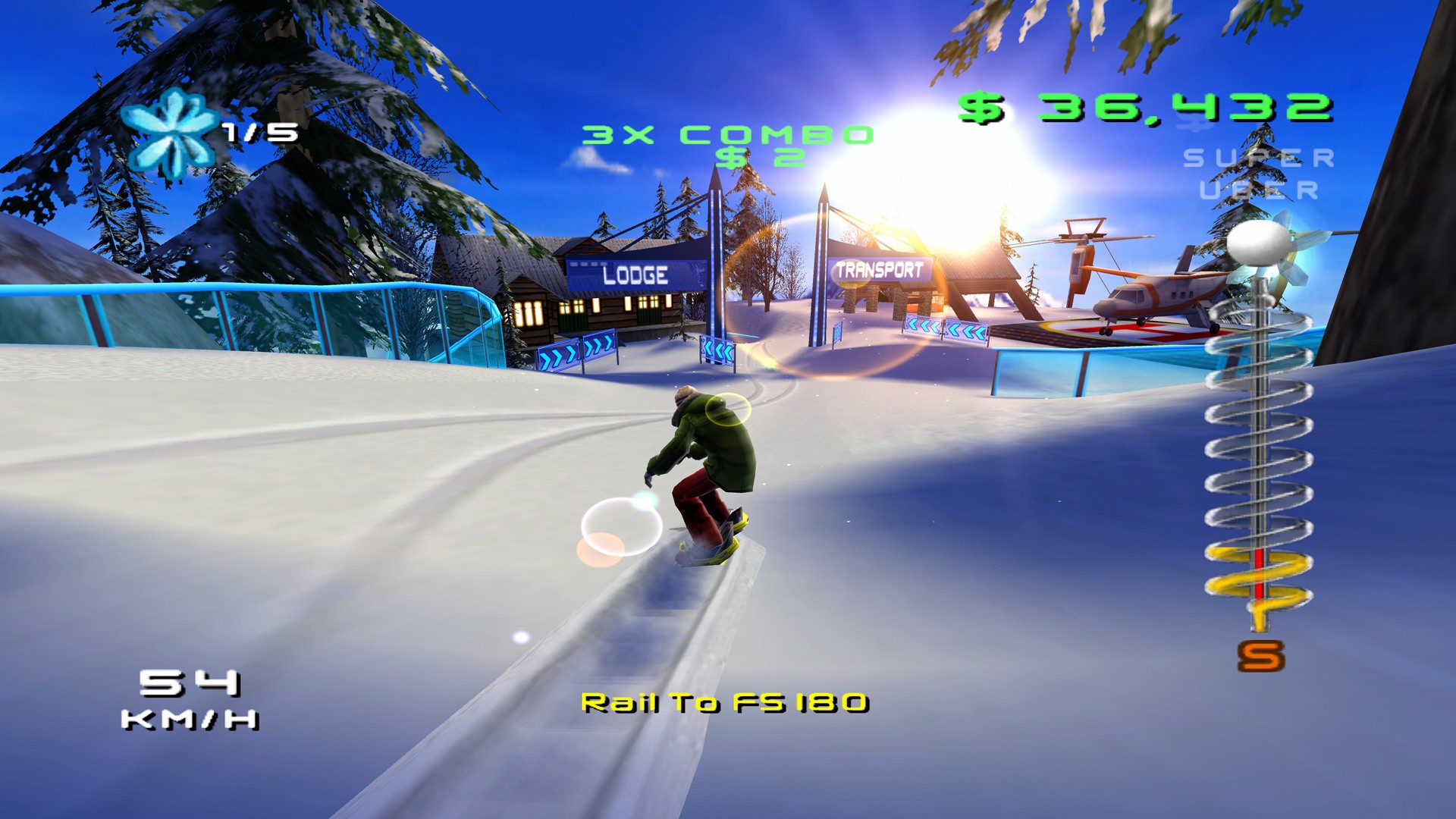
Furthermore, the hardware overhead of modern Xbox consoles has resolved long-standing performance issues. During its original release, the PlayStation 2 and original Xbox versions occasionally suffered from frame rate "chugs" or stutters during high-intensity sequences involving multiple riders and particle effects. On modern hardware, with the exception of rare dips on the Xbox One S, the game maintains a locked 60 frames per second (FPS). This fluid motion is critical for a high-speed racing game where timing and precision are paramount.
The "One Mountain" Design Philosophy
SSX 3 was a revolutionary departure from its predecessors, SSX and SSX Tricky, due to its shift toward a semi-open world structure. While previous entries were comprised of discrete, disconnected tracks, SSX 3 introduced the "One Mountain" concept. Players are placed on a massive, interconnected peak and are theoretically capable of riding from the very summit of Peak 3 down to the base of Peak 1 in a single, uninterrupted run.
This design was highly ambitious for 2003 and remains impressive in 2026. The mountain is divided into three distinct peaks, each increasing in difficulty and environmental hostility.
- Peak 1: Features manicured runs, bright sunshine, and a resort-like atmosphere.
- Peak 2: Introduces more rugged terrain, steeper drops, and variable weather conditions.
- Peak 3: The "backcountry" area, characterized by narrow ridges, avalanches, and a perpetual storm-like environment.
This structure allows for a "chill" gameplay loop that modern titles like Riders Republic or Steep have attempted to emulate. Players can ignore the competitive structure entirely, choosing instead to "free-ride" across the mountain, discover hidden collectibles, and complete "Big Challenges" scattered throughout the environment. This non-linear approach ensures that the game caters to both competitive players and those seeking a more meditative experience.
The Cultural Legacy of Radio BIG and Licensed Audio
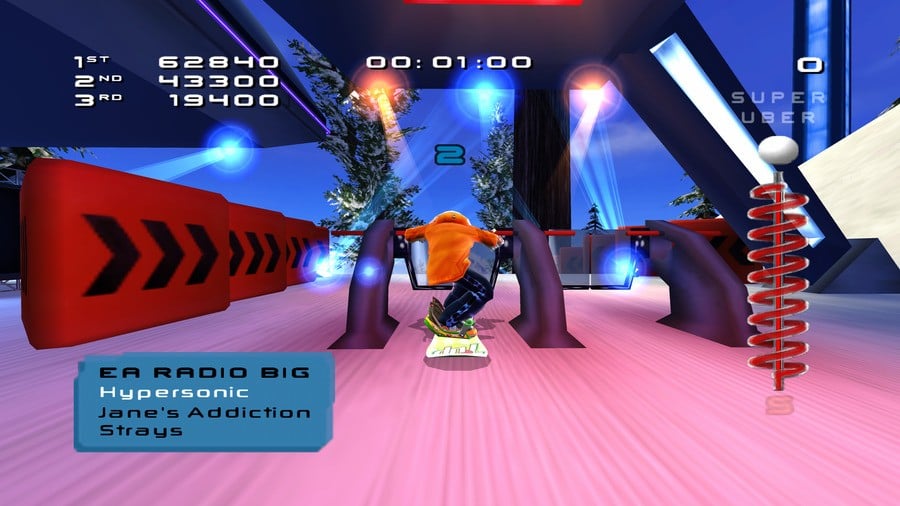
The atmosphere of SSX 3 is inextricably linked to "Radio BIG," the in-game broadcast hosted by the fictional DJ Atomika. This narrative device serves as more than just a background soundtrack; it provides a living context to the player’s actions. DJ Atomika comments on weather changes, player achievements, and upcoming events, creating an immersive "live event" feel that persists throughout the experience.
The soundtrack itself is a curated time capsule of early 2000s alternative and electronic music. In an era where music licensing often leads to the delisting of classic games from digital storefronts, the fact that SSX 3 remains available for purchase with its soundtrack intact is a notable anomaly. The tracklist includes:
- The Red Hot Chili Peppers: "Higher Ground" (X-Ecutioners Remix)
- The Caesars: "Jerk It Out"
- Queens of the Stone Age: "No One Knows" (UNKLE Remix)
- Fatboy Slim: "Don’t Let The Man Get You Down"
- Chemical Brothers: "Leave Home"
The audio engine in SSX 3 also features dynamic mixing. As players perform high-flying tricks or enter "Uber" mode, the music swells and filters, synchronizing the auditory experience with the gameplay intensity. This level of sound design was far ahead of its time and contributes to the "flow state" that many fans cite as the reason for their continued loyalty to the game.
Arcade Depth and the Tony Hawk Influence
The gameplay mechanics of SSX 3 strike a delicate balance between accessibility and high-level technicality. Much like the Tony Hawk’s Pro Skater series, the game uses a system of "easy to learn, hard to master" controls. The "Uber Trick" system allows players to fill a meter by performing basic rotations and grabs; once full, players can execute increasingly surreal and physically impossible maneuvers.
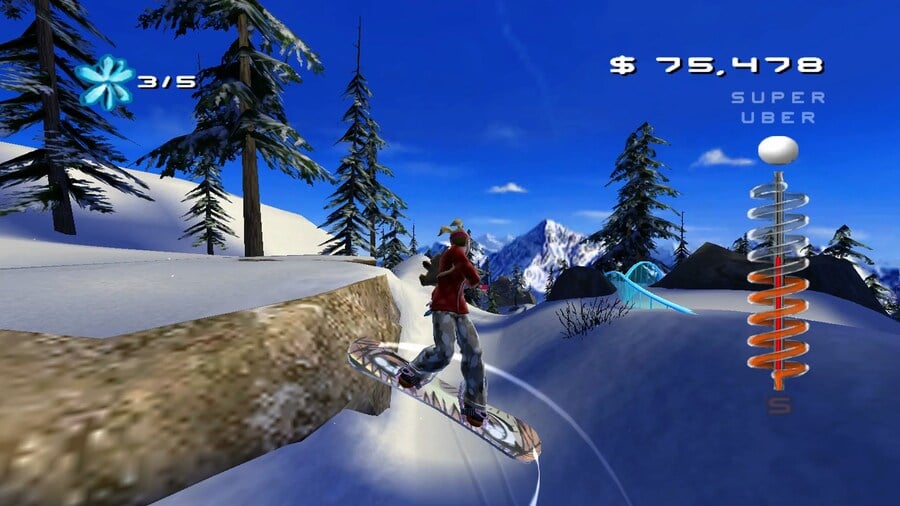
However, the game’s onboarding process is a product of its time. Unlike modern titles that feature extensive tutorials, SSX 3 drops the player onto the mountain with minimal instruction. The control scheme on Xbox, which utilizes the trigger buttons for grabs and the face buttons for "Uber" modifiers, can feel cumbersome to those accustomed to modern control standards.
Despite this, the depth of the trick system—including board presses, handplants, and the ability to "link" tricks together for massive multipliers—provides a level of replayability that few modern sports games have matched. Industry analysts often point to SSX 3 as the high-water mark for the "arcade sports" genre, noting that subsequent attempts to reboot the franchise or create spiritual successors often failed to capture the same mechanical tightness.
Market Value and Preservation in the Digital Age
In 2026, the accessibility of SSX 3 serves as a testament to the importance of digital preservation. The game is currently priced at £9.99 / $9.99 on the Xbox Store, making it one of the most cost-effective "triple-A" experiences available on the platform. Furthermore, Microsoft’s commitment to physical media support means that original 2003 Xbox discs are still functional on Series X hardware, providing an alternative for collectors.
It is worth noting that while the 2012 SSX reboot is available via EA Play and Xbox Game Pass, SSX 3 remains a standalone purchase. This distinction highlights the perceived value of the older title; despite being nearly a decade older than the reboot, SSX 3 is often cited by the community as the superior product due to its colorful aesthetic and superior level design.
Broader Impact and Industry Implications
The enduring popularity of SSX 3 on Xbox hardware has broader implications for the gaming industry. It demonstrates a sustained consumer appetite for "extreme sports" titles that prioritize fun and style over strict realism. While the industry moved toward simulation-heavy titles in the 2010s, the continued sales and engagement metrics for SSX 3 suggest that there is a significant market for the return of the "EA Sports BIG" philosophy.
Moreover, the technical success of the title on Series X/S showcases the long-term viability of backwards compatibility as a feature. By providing a version of the game that looks and plays better than it did at launch, Microsoft has effectively turned a legacy product into a competitive modern offering. For the consumer, it represents a break from the "remake/remaster" cycle, allowing them to enjoy original software with hardware-driven improvements at a fraction of the cost of a full-price modern release.
As the industry moves further into the 2020s, SSX 3 stands as a benchmark for how classic titles should be handled. It remains a vibrant, high-performance experience that offers a level of "chill" exploration and high-octane competition that few contemporary titles have been able to replicate. Whether for nostalgic veterans or newcomers looking for a piece of gaming history, SSX 3 remains an essential part of the Xbox library in 2026.