

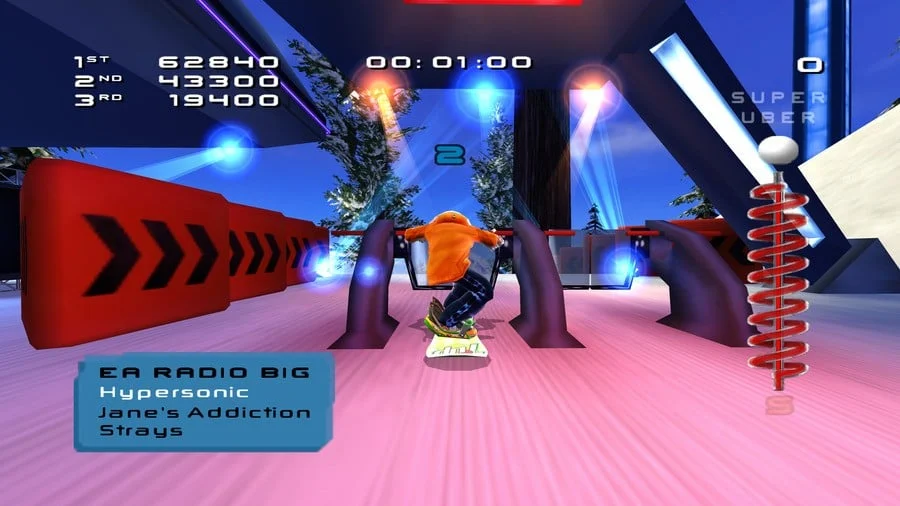
The enduring legacy of the sixth generation of video game consoles is often defined by the rapid evolution of 3D environments and the peak of the "extreme sports" genre. Among the titles that have maintained a significant cultural and technical footprint, SSX 3, originally released in 2003 by EA Sports BIG, remains a primary example of forward-thinking game design. As of 2026, the title has seen a resurgence in relevance, facilitated by the robust backwards compatibility features of the Xbox ecosystem. This compatibility has not only preserved the game for modern audiences but has enhanced its technical performance to levels that rival contemporary indie releases.
The Technical Evolution of a 2003 Classic
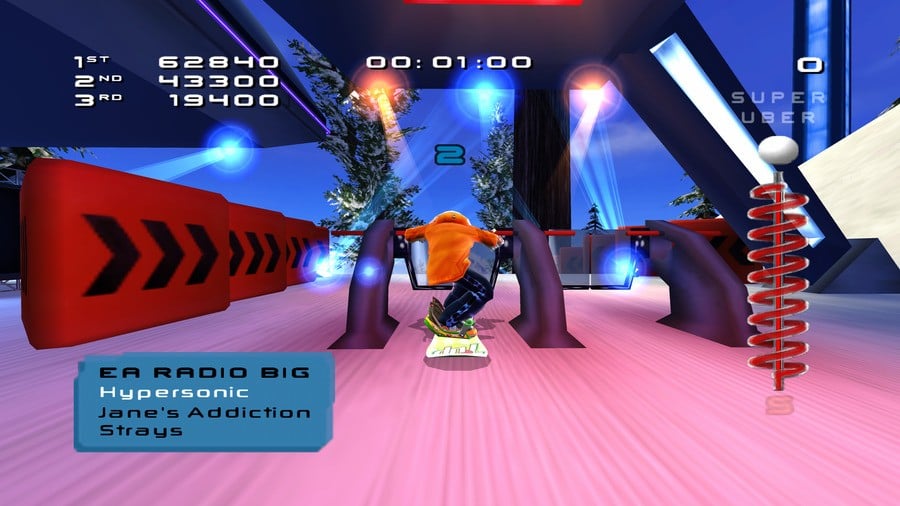
One of the most compelling arguments for revisiting SSX 3 in 2026 is the significant visual enhancement provided by the Xbox backwards compatibility program. When the title was originally released, it pushed the hardware of the PlayStation 2, GameCube, and the original Xbox to their limits. However, the modern implementation on Xbox One X and Xbox Series X consoles utilizes what is known as the "Heutchy Method." This emulator-level enhancement allows the game to render at significantly higher resolutions than originally intended without modifying the base code.
Data from technical analyses, including those conducted by Digital Foundry, highlight a dramatic shift in visual fidelity. The original PlayStation 2 version rendered at a resolution of 512×448, while the original Xbox version achieved 640×480. On the Xbox One S, the resolution receives a 4x boost, reaching 1280×960. The most substantial leap occurs on the Xbox One X and Xbox Series X, where a 16x resolution increase brings the game to 2560×1920. While the game retains its 4:3 aspect ratio heritage, the emulator offers a widescreen stretch that, while softening some edges, provides a more immersive experience on modern 4K displays.
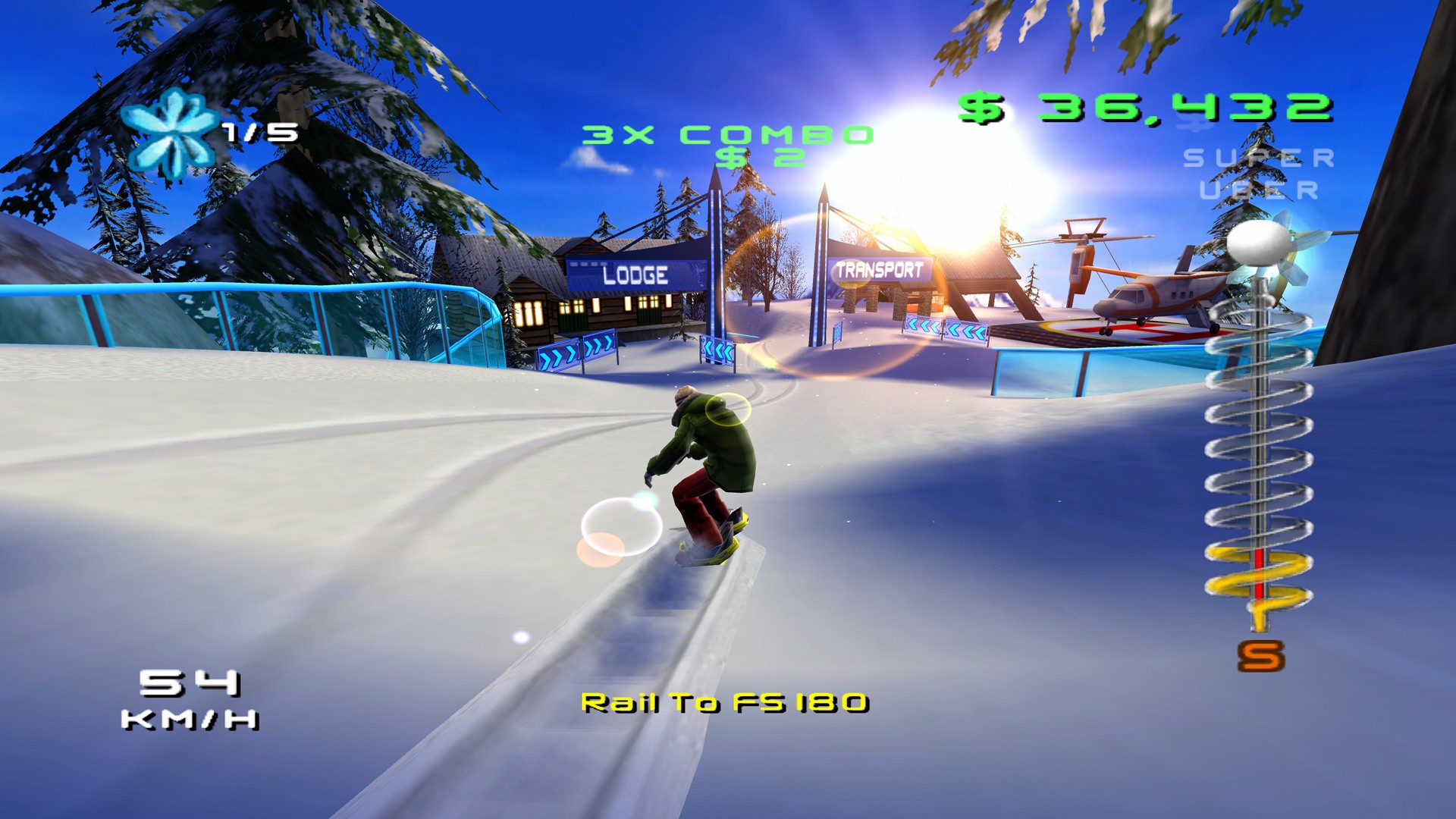
Beyond resolution, performance stability is a critical factor. While the original hardware occasionally struggled to maintain a consistent frame rate during high-density effects or complex mountain sections, the Xbox Series X hardware ensures a locked 60 frames per second (FPS). This fluidity is essential for a high-speed sports title where input latency and visual clarity directly impact the player’s ability to execute complex trick maneuvers.
The Innovation of the Semi-Open World Mountain
In 2003, the concept of a seamless open world was in its infancy. SSX 3 was a pioneer in this regard, moving away from the discrete menu-based track selection of its predecessor, SSX Tricky, in favor of a unified mountain ecosystem. The game is structured around three distinct peaks, each increasing in difficulty and atmospheric intensity.
The design allows players to travel from the very summit of Peak 3 down to the base of Peak 1 in a single, continuous run. This journey can take upwards of 30 minutes, a feat of level design that remains impressive in 2026. This "Big Mountain" philosophy transformed the game from a standard racer into an exploratory experience. Players are granted the agency to choose between structured events—such as Race, Big Air, and Slopestyle—or "Freeride" mode.
In Freeride, the mountain becomes a sandbox for discovery. The inclusion of collectibles, hidden "Big Challenges," and environmental interactions incentivizes exploration. This non-linear approach to progression was ahead of its time and serves as a precursor to modern extreme sports titles like Steep or Riders Republic. The ability to simply "chill" and navigate the slopes at one’s own pace provides a gameplay loop that remains refreshing decades after its inception.
Audio Design and the Cultural Impact of Radio BIG
The atmosphere of SSX 3 is heavily dictated by its sophisticated audio engine and the presence of "Radio BIG," the in-game broadcast hosted by the fictional DJ Atomika. This element serves as more than just a soundtrack; it acts as a narrative device that reacts to the player’s performance. The announcer provides updates on weather conditions, reports on the player’s recent achievements, and sets the stage for upcoming events, creating a living world atmosphere.
The soundtrack itself is a curated time capsule of the early 2000s, featuring a blend of rock, electronic, and hip-hop. The licensing of these tracks for modern backwards compatibility is a notable achievement in digital rights management. The tracklist includes:
- The Red Hot Chili Peppers: "Higher Ground" (X-Ecutioners Remix)
- Queens of the Stone Age: "No One Knows" (UNKLE Remix)
- The Caesars: "Jerk It Out"
- Fatboy Slim: "Don’t Let The Man Get You Down"
- Jane’s Addiction: "Hypersonic"
Furthermore, the game utilizes an early form of adaptive audio. The music dynamically filters and shifts based on the player’s location—becoming muffled when the player is airborne or intensifying as they build up their "Uber" meter. This level of audio-visual integration was a hallmark of the EA Sports BIG era and contributes significantly to the game’s enduring "vibe."
Longevity in the Snowboarding Genre
Despite numerous attempts by developers to revive the snowboarding genre over the last two decades, SSX 3 is frequently cited by critics and fans as the definitive entry. Its success lies in the balance between arcade accessibility and mechanical depth. The "Tony Hawk" influence is evident in the trick system, which allows for infinite creativity through the combination of rotations, grabs, and "Uber" moves.
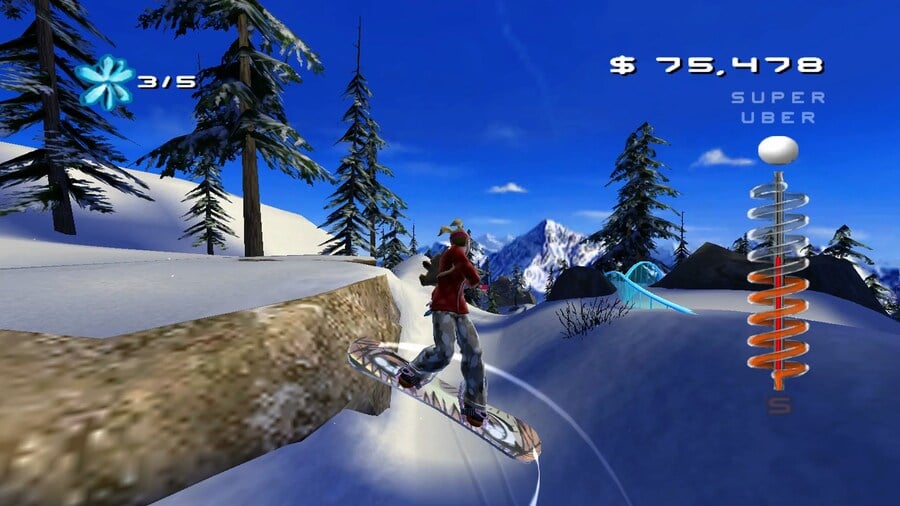
The game’s onboarding, or lack thereof, remains a point of historical interest. Unlike modern titles that utilize extensive tutorials and hand-holding, SSX 3 drops the player directly onto the snow. This "sink or swim" approach requires players to engage with the mechanics through trial and error. While the control scheme—specifically on Xbox—may feel initially complex due to the mapping of grab buttons to the triggers and bumpers, the learning curve is rewarding. Mastery of the "Combo" system and the strategic use of "Boost" is necessary to reach the top of the global leaderboards, which remain active through the Xbox network’s legacy support.
Market Accessibility and Consumer Value
From a consumer perspective, SSX 3 represents one of the most cost-effective high-quality experiences available on the Xbox Store in 2026. Priced consistently at £9.99 / $9.99, it avoids the inflationary pricing often seen with "remastered" editions of classic titles. Furthermore, the game’s presence as a digital purchase ensures that it is not subject to the volatility of the physical retro-gaming market, where original copies can fluctuate in price based on rarity and condition.
For users who prefer physical media, the original Xbox disc remains compatible with Xbox One and Series X consoles. This commitment to physical media preservation is a cornerstone of the Xbox platform’s strategy. It is important to note that while the 2012 reboot of the SSX franchise is available via EA Play and Xbox Game Pass, the 2003 original is a separate purchase. Industry analysts suggest that the enduring sales of SSX 3, despite its age, demonstrate a strong market appetite for "arcade-style" sports games that prioritize high-speed fun over the simulation-heavy mechanics found in modern titles like Session or Skater XL.
Chronology of the SSX Franchise and Its Impact
To understand the importance of SSX 3, one must look at the timeline of its development and the subsequent trajectory of the genre:
- 2000: SSX launches as a premier title for the PlayStation 2, introducing the world to "Uber" tricks.
- 2001: SSX Tricky expands the personality of the characters and introduces "Uber" moves that could be held indefinitely.
- 2003: SSX 3 is released, introducing the open-world mountain and refined physics.
- 2005-2007: The series sees entries like SSX on Tour and SSX Blur, which experimented with different art styles and control schemes but failed to reach the same critical heights.
- 2012: A gritty reboot, simply titled SSX, attempts to modernize the series with real-world mountain data but receives a polarized reception due to its "survive the mountain" focus rather than "trick-based" gameplay.
- 2018-2026: Microsoft’s backwards compatibility team optimizes SSX 3 for the Xbox One and Series X, cementing its status as the definitive version of the game.
Broader Implications for Gaming Preservation
The continued popularity of SSX 3 on Xbox hardware serves as a case study for the importance of backwards compatibility in the gaming industry. As hardware cycles move faster, the risk of losing "digital heritage" increases. Microsoft’s investment in emulator-level enhancements ensures that titles like SSX 3 do not just exist as museum pieces but as viable, playable products that benefit from modern technological advancements.
The success of this preservation effort has led to industry-wide discussions regarding the "remaster vs. compatibility" debate. While a full remake of SSX 3 using Unreal Engine 5 might offer higher polygon counts, the "Heutchy Method" preserved the original’s physics and "feel" perfectly—something often lost in ground-up remakes. For the player in 2026, SSX 3 stands as a testament to an era of gaming defined by bold experimentation, vibrant aesthetics, and pure mechanical joy. Whether navigating the neon-lit night runs of Peak 2 or the treacherous, wind-swept ridges of Peak 3, the game remains an essential experience for anyone interested in the history and evolution of interactive entertainment.