

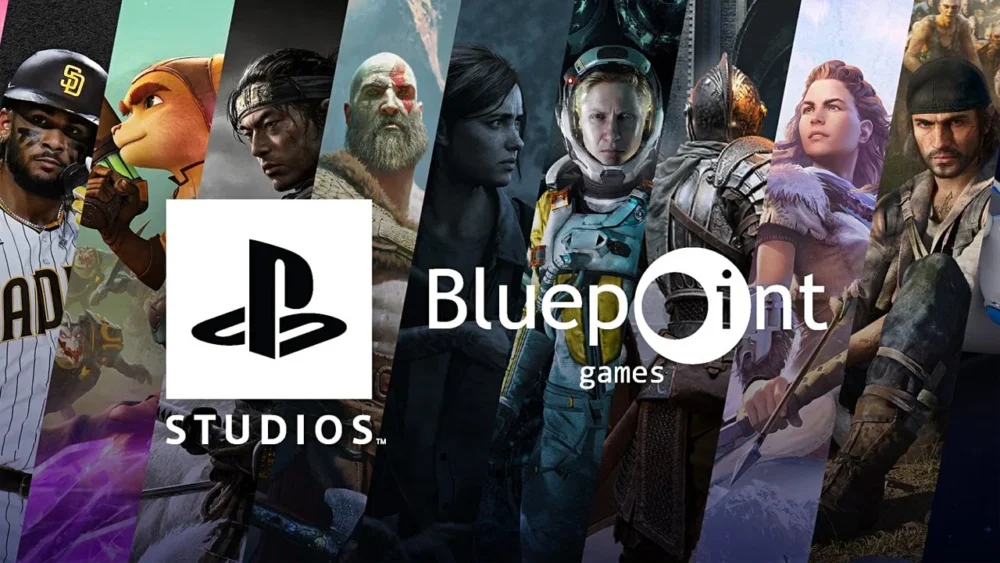
In a significant development shaking the video game industry, Sony Interactive Entertainment has announced the closure of Bluepoint Games, the acclaimed development studio known for its masterful remakes and remasters. The news, initially reported by Bloomberg’s Jason Schreier on February 19, 2026, details that the Austin, Texas-based studio, which became a first-party PlayStation Studio in September 2021, will cease operations in March 2026. This decision marks a surprising end for a studio widely celebrated for its technical prowess and faithful reimaginings of beloved classic titles.
The closure comes despite Bluepoint’s consistent track record of critical and commercial success, particularly with the PlayStation 5 launch title Demon’s Souls and the PlayStation 4 remake of Shadow of the Colossus. The announcement, conveyed to staff via a letter from Herman Hulst, CEO of Sony’s Studio Business Group, cited an "increasingly challenging industry environment" as the primary driver behind the difficult decision. This environment, as detailed by Hulst, is characterized by "rising development costs, slowed industry growth, changing player behavior, and broader economic headwinds" that are collectively making it "harder to build games sustainably."
A Legacy of Craftsmanship: Bluepoint Games’ Storied History
Bluepoint Games was founded in 2006 by industry veterans Andy O’Neil and Marco Thrush. From its inception, the studio quickly carved out a niche as a premier developer for high-quality remasters and remakes. Their early work included ports and remasters for titles such as Blast Factor (PlayStation 3 launch title), God of War Collection (PS3), and Metal Gear Solid HD Collection (PS3, Xbox 360). These projects established Bluepoint’s reputation for meticulous attention to detail, technical fidelity, and a deep understanding of original source material, earning them the moniker "masters of remastering."
The studio’s reputation solidified further with the release of Uncharted: The Nathan Drake Collection for PlayStation 4 in 2015. This collection, which bundled the first three Uncharted games with enhanced visuals and improved gameplay, was lauded for its seamless integration and revitalization of Naughty Dog’s iconic adventures. However, it was their subsequent standalone remakes that truly showcased their capabilities. The 2018 remake of Shadow of the Colossus for PlayStation 4 was a monumental achievement, rebuilding the iconic PS2 title from the ground up with stunning visuals, modern controls, and subtle enhancements while preserving the original’s artistic vision and emotional core. It received widespread critical acclaim, garnering perfect scores from numerous publications and winning multiple "Game of the Year" awards.
This success culminated in their most ambitious project to date: the 2020 remake of Demon’s Souls for the PlayStation 5. As a launch title for Sony’s next-generation console, Demon’s Souls was a showcase for the PS5’s graphical power and immersion capabilities. Bluepoint once again delivered a faithful yet breathtakingly reimagined experience, setting a new benchmark for what remakes could achieve. Their ability to respect the original game’s integrity while elevating its presentation to contemporary standards made them an invaluable asset in Sony’s first-party lineup.
Sony’s Acquisition and the Pursuit of Original IP
Sony’s acquisition of Bluepoint Games in September 2021 was widely seen as a strategic move to bolster PlayStation Studios’ technical expertise and potentially diversify its portfolio. At the time, there was significant speculation about Bluepoint’s future direction. While they had excelled at remakes, the industry often places a premium on studios capable of developing original intellectual property (IP). Following the acquisition, Bluepoint leadership, including Marco Thrush, hinted at a desire to move beyond remakes and create new content. In interviews, Thrush expressed excitement about the prospect of developing original games, leveraging the technical skills honed over years of perfecting existing titles.

This aspiration was largely interpreted as Bluepoint preparing to embark on its first original IP under the PlayStation Studios banner. The acquisition itself was part of a broader trend of consolidation in the gaming industry, with major publishers like Sony, Microsoft, and Embracer Group actively acquiring studios to expand their development capabilities and secure exclusive content. For Sony, integrating Bluepoint seemed a logical step to secure a proven talent pool and potentially tap into their ability to deliver visually stunning, high-quality experiences, whether original or reimagined. The hope was that Bluepoint would evolve from "masters of remastering" to creators of their own next-generation blockbusters.
Herman Hulst’s Letter: A Glimpse into Industry Headwinds
The official communication from Herman Hulst provides a stark perspective on the current challenges facing the video game industry. In his letter, circulated internally and subsequently leaked to outlets like Resetera, Hulst acknowledged the success of other PlayStation Studios titles in fiscal year 2025, specifically mentioning Ghost of Tsushima (likely referring to a future iteration or major expansion given the original’s 2020 release), Death Stranding 2: On the Beach, Helldivers 2, and MLB The Show. These mentions underscore that despite individual successes, the broader economic climate is impacting even profitable entities.
Hulst’s specific points — "rising development costs, slowed industry growth, changing player behavior, and broader economic headwinds" — are not isolated to Sony but reflect systemic issues across the global gaming sector.
- Rising Development Costs: The cost of developing AAA games has skyrocketed over the past decade. Modern game production involves increasingly large teams, sophisticated technology, extensive motion capture, elaborate voice acting, and massive marketing budgets. Projects can easily run into hundreds of millions of dollars, making financial returns precarious even for successful titles. The expectation for graphical fidelity and content volume on next-generation consoles further inflates these costs.
- Slowed Industry Growth: After a boom period during the COVID-19 pandemic, where lockdowns fueled increased engagement and spending on video games, the industry has seen a deceleration in growth. Analysts have noted a market correction, with fewer new players entering the market and existing players potentially moderating their spending amidst economic uncertainties.
- Changing Player Behavior: The shift towards live-service games, free-to-play models, and subscription services has altered how players consume and pay for games. While successful live-service titles like Helldivers 2 can generate sustained revenue, traditional premium single-player experiences, though critically acclaimed, face increased pressure to justify their upfront cost against a backdrop of endless, evolving content from other genres.
- Broader Economic Headwinds: Global inflation, interest rate hikes, and geopolitical instability contribute to a cautious consumer spending environment. Discretionary spending, including on video games, is often among the first areas to be impacted when household budgets tighten. This affects game sales, in-game purchases, and hardware adoption.
Hulst’s letter explicitly states, "To navigate this reality, we need to continue adapting and evolving. We’ve taken a close look at our business to ensure we’re delivering today while still well-positioned for the future." This suggests that the closure of Bluepoint Games is part of a broader strategic realignment by Sony to streamline operations and focus resources on what they perceive as the most sustainable and profitable ventures in the long term.
The Wider Industry Context: A Wave of Layoffs and Closures
Bluepoint Games’ closure is not an isolated incident but rather the latest in a troubling series of layoffs and studio shutdowns that have plagued the video game industry throughout 2023, 2024, and now into 2026. Major publishers and developers, including Microsoft (Xbox), Embracer Group, Electronic Arts, Unity, Epic Games, and numerous independent studios, have announced significant workforce reductions. Tens of thousands of employees have been impacted globally, signaling a profound period of restructuring and consolidation.
Examples include:

- Microsoft/Xbox: Multiple rounds of layoffs impacting thousands across various divisions, including Bethesda, Arkane Austin (which developed Redfall), and Tango Gameworks (known for Hi-Fi Rush). This has led to questions about the sustainability of their Game Pass strategy and acquisition spree.
- Embracer Group: After an aggressive acquisition strategy, Embracer underwent a massive restructuring program, leading to the closure of several studios (e.g., Volition, developer of Saints Row) and thousands of layoffs.
- Unity Technologies: The game engine provider, despite its ubiquitous presence, has also seen significant layoffs, reflecting broader market pressures and strategic shifts.
- Electronic Arts: The publisher has also conducted layoffs and restructured some of its internal studios.
These events underscore that even highly successful and well-regarded studios are vulnerable in the current climate. The common threads linking these closures and layoffs are often the same factors cited by Hulst: escalating development costs, a saturated market, intense competition for player engagement, and a post-pandemic correction in growth expectations. The closure of Bluepoint, a studio with a clear track record of delivering quality, sends a particularly chilling message about the perceived fragility of even established development houses.
Implications for Sony, PlayStation, and the Remake Market
The closure of Bluepoint Games carries several significant implications for Sony, the PlayStation brand, and the broader gaming landscape.
- Impact on PlayStation’s Software Pipeline: While Bluepoint had not yet announced its next project, its closure removes a highly capable studio from Sony’s first-party lineup. This could affect the pace of future PlayStation 5 exclusives, particularly if Bluepoint was indeed transitioning to original IP development. It also raises questions about Sony’s strategy regarding remakes and remasters, a genre Bluepoint largely pioneered and perfected for the PlayStation platform.
- Strategic Shift in Studio Management: Sony’s stated intent to find opportunities for some impacted Bluepoint employees within its global network of studios reflects a desire to retain talent. However, the decision to close an entire studio rather than re-evaluate its mandate or pivot its projects indicates a firm stance on resource allocation. This suggests Sony may be consolidating its development efforts around existing strong performers or studios with clear future roadmaps for new, high-potential IP.
- Future of Remakes and Remasters: Bluepoint’s departure leaves a void in the high-end remake market. While other studios certainly undertake such projects, Bluepoint had established a unique reputation for quality and faithfulness. This closure might signal a re-evaluation of the financial viability of such extensive remakes, especially if the return on investment doesn’t meet new, stricter sustainability criteria. Publishers might opt for less ambitious remasters or prioritize new IP development.
- Employee Morale and Industry Confidence: The closure of a respected studio like Bluepoint, particularly one acquired relatively recently by a major platform holder, can impact morale across the industry. Developers may feel increased job insecurity, and creative risks might be stifled if studios perceive a heightened risk of closure even after successful projects. This could lead to a more conservative development environment.
The Human Cost and Forward Path
Approximately 70 employees are reportedly affected by Bluepoint Games’ closure. While Herman Hulst’s letter states that Sony will "work to find opportunities for some impacted employees within our global network of studios," the reality of securing new roles, especially within a highly competitive job market experiencing widespread layoffs, can be challenging. The human cost of such corporate decisions is often immense, impacting careers, livelihoods, and families.
Looking ahead, Hulst expressed confidence in PlayStation Studios’ direction, stating, "Creativity, innovation, and building unforgettable experiences for players remain at the heart of PlayStation Studios. We have a robust roadmap for FY26, with much to look forward to in the months ahead." This affirmation, while intended to reassure, highlights the tension between creative ambition and economic realities. The gaming industry continues to evolve rapidly, demanding constant adaptation from its players, developers, and publishers alike. The closure of Bluepoint Games serves as a stark reminder of these turbulent times, even for studios that have consistently delivered exceptional quality and pushed the boundaries of what remakes can achieve. The industry watches to see how Sony and other major players will navigate these "increasingly challenging industry environments" and what the long-term impact will be on game development and player experiences.