

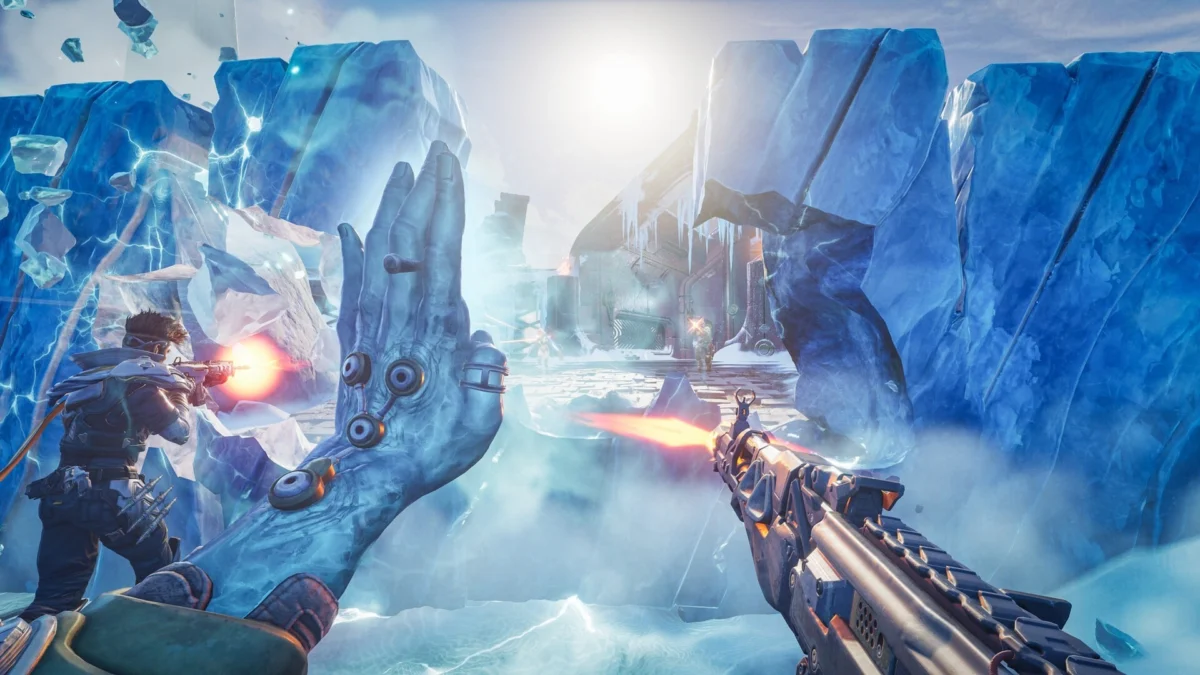
The digital gaming landscape is currently grappling with the aftermath of Highguard, an Xbox FPS title that has been taken offline, leading to the apparent closure of its developer, Wildlight Entertainment. In a significant development for consumer protection within the industry, Sony has proactively begun issuing automatic refunds for downloadable content (DLC) purchases related to the free-to-play shooter on its PlayStation platform. This move sets a notable precedent and raises pressing questions about whether Microsoft’s Xbox division and PC platform provider Valve will follow suit for their respective user bases. The unfolding situation highlights the inherent volatility of the live service game model and the critical role of platform holders in safeguarding consumer trust when digital products become defunct.
The Demise of Highguard and Wildlight Entertainment
Highguard was positioned as an ambitious free-to-play (F2P) first-person shooter, aiming to carve out a niche in a highly competitive genre dominated by established titans. Launched with the promise of engaging multiplayer action and a continuous stream of new content, the game relied heavily on a live service model, generating revenue primarily through the sale of optional DLC, cosmetic items, battle passes, and other in-game purchases. This model, while offering a low barrier to entry for players, places immense pressure on developers to maintain a consistent and thriving player base to ensure long-term financial viability.
Wildlight Entertainment, the studio behind Highguard, was co-founded by industry veterans, including Chad Grenier, who brought a wealth of experience from previous roles in major game development. The formation of Wildlight and the launch of Highguard represented a significant entrepreneurial endeavor, attempting to leverage experience into a new, successful IP. However, the journey for Highguard proved to be short-lived and ultimately unsuccessful. After a period of declining player engagement, technical issues, or perhaps an inability to sustain development costs, the game’s official shutdown was announced. The servers for Highguard ceased operations nearly a week prior to these latest developments, effectively rendering any purchased DLC or in-game content inaccessible and unusable.
The confirmation of Wildlight Entertainment’s closure emerged concurrently with the game’s offline status. Reports from outlets like MP1st, corroborated by changes observed on professional networking platforms, indicated that the studio was winding down operations. Wildlight’s LinkedIn page, once a hub for company information and recruitment, began displaying error messages, suggesting its removal or deactivation. Chad Grenier, a prominent figure in the studio’s leadership, updated his own LinkedIn profile to reflect that his tenure at Wildlight Entertainment concluded this month, accompanied by a poignant message: "While this outcome isn’t the one we hoped for, I leave this experience with a tremendous number of lessons that will stay with me for the rest of my career. And despite everything, I’m incredibly proud of the team and what we built together." This statement, while stoic, underscores the profound challenges and inherent risks associated with launching and sustaining a new game studio, especially in the demanding live service sector. The closure represents a significant loss of jobs and intellectual property within the gaming industry, a harsh reminder of the cutthroat competition and volatile market conditions.
A Chronology of Decline: From Launch to Shutdown
The lifecycle of Highguard followed a trajectory regrettably common for many ambitious live service titles that fail to gain critical mass.
Initial Announcement and Hype (Pre-Launch): Highguard was likely announced with a degree of fanfare, aiming to generate excitement among the FPS community. Marketing efforts would have focused on its unique selling points, gameplay mechanics, and the promise of an evolving online experience. As a free-to-play title, the strategy would have been to attract a large initial player base, then monetize through optional purchases.
Launch and Early Reception (Date of Launch – First Few Months): Upon its release, Highguard would have faced immediate scrutiny from players and critics. Initial player counts are crucial for F2P games, as they determine matchmaking efficiency and create a lively in-game ecosystem. If early player numbers were below expectations, or if reviews highlighted significant technical flaws, content deficiencies, or a lack of innovation, the game would have struggled to retain players. Common pitfalls for new F2P shooters include server instability, a slow content update cadence, an unengaging monetization model, or simply being overshadowed by more established competitors.
Post-Launch Struggles and Player Exodus (Mid-Life Cycle): As player numbers dwindled, the game would have entered a challenging phase. Lower player counts lead to longer matchmaking times, which in turn drives more players away in a negative feedback loop. Developers might have attempted to implement patches, balance changes, or new content drops to reignite interest. However, without a robust and dedicated community, these efforts often prove insufficient. Financial pressures would have mounted as revenue from DLC sales likely declined, making it harder to fund ongoing development and server maintenance. Signs of trouble often manifest as reduced communication from the development team, delayed updates, or a general sense of stagnation within the game’s community.
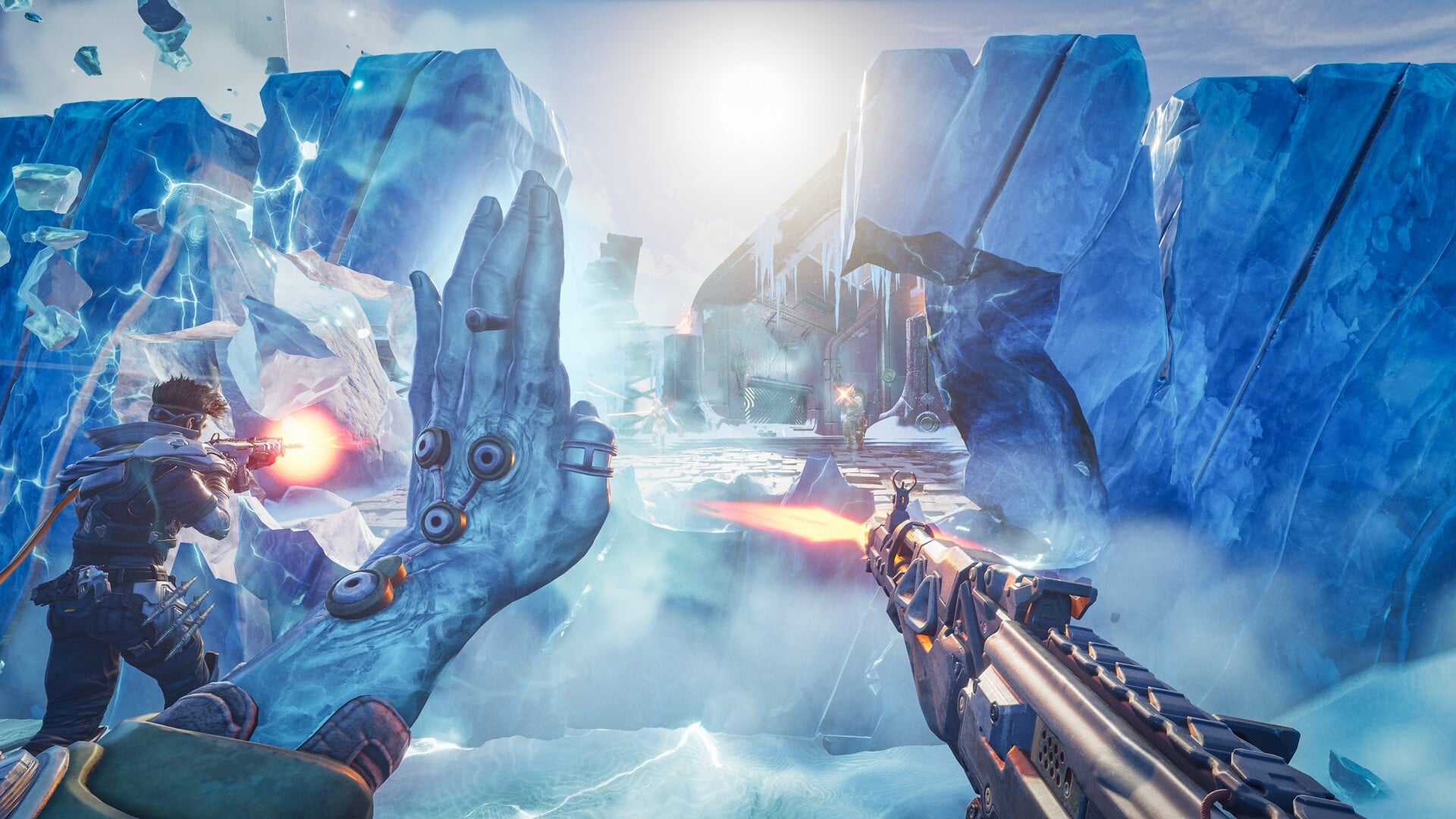
Official Shutdown Announcement (Weeks Before Offline Date): Faced with insurmountable challenges, Wildlight Entertainment would have made the difficult decision to cease operations for Highguard. This announcement typically provides players with a grace period before the servers are permanently shut down, allowing them to play for a final time or process the news. For a live service game, a server shutdown is an unequivocal end, rendering the game unplayable and any purchased digital content effectively worthless in its intended context.
Servers Offline (Approximately One Week Ago): The game’s servers were officially taken offline, marking the end of Highguard‘s operational life. This event directly triggered the current discussions around refunds, as players who had invested in DLC or in-game items found themselves with products that could no longer be used.
Developer Closure and Refund Actions (Current Week): The reports of Wildlight Entertainment’s closure and Sony’s proactive refund initiative for PlayStation users represent the latest developments in this unfolding narrative, drawing significant attention to consumer rights in the digital age.
Sony’s Proactive Refund Stance: A Precedent for Consumer Protection
The most striking development in the Highguard saga is Sony’s decision to automatically refund all DLC purchases made by PlayStation users. This action was first reported by users on the Highguard and PS5 subreddits, indicating that funds were being returned to accounts without players needing to initiate a formal request. This is a significant departure from standard refund policies across most digital storefronts, which typically impose strict time limits (e.g., within 14 days of purchase) or usage limits (e.g., less than two hours of playtime).
Sony’s rationale, while not officially detailed, can be inferred as a move driven by a combination of consumer protection, platform integrity, and potentially, a desire to mitigate negative public relations. When an online-only game, especially a free-to-play title where the base game is free but revenue comes from optional purchases, becomes completely inaccessible, the value proposition of any purchased DLC vanishes entirely. Unlike single-player games where a server shutdown might only affect online features but leave the core game playable, Highguard‘s online-only nature meant the entire product became unusable. In such cases, the argument for a full refund for purchased add-ons becomes compelling, as the consumer has effectively paid for a service that can no longer be delivered.
This proactive approach by Sony sets a powerful precedent. It signals to consumers that the platform holder is willing to step in and offer restitution when a digital product they facilitate becomes entirely non-functional due to circumstances beyond the player’s control. Such actions can significantly bolster consumer trust, encouraging players to feel more secure about investing in digital ecosystems, even those with the inherent risks of live service games. It also places implicit pressure on other platform holders to consider similar measures, especially in situations where the developer is no longer able to issue refunds themselves due to closure.
The Unanswered Question: Will Xbox and Valve Follow Suit?
With Sony having taken a decisive step, all eyes are now on Microsoft (for Xbox players) and Valve (for PC players via Steam) to see if they will implement similar refund policies for Highguard‘s DLC. As of now, there has been no public announcement or widespread reports of automatic refunds from either platform.
Microsoft’s Xbox platform and Valve’s Steam store both have established refund policies. Generally, these policies are designed for situations where a player changes their mind about a purchase or encounters a game that is significantly broken at launch. They typically require a refund request to be made within a short window of purchase (e.g., 14 days) and often limit refunds based on playtime (e.g., less than two hours). The Highguard situation, however, falls outside these standard parameters, as the game has been operational for some time, and players only lose access to their purchased content due to a developer’s closure and server shutdown.
The expectation among the gaming community is that Xbox and Valve should match Sony’s initiative. Failing to do so could lead to significant backlash and damage their respective reputations for customer service and consumer advocacy. Players who purchased Highguard DLC on Xbox or PC are in the exact same predicament as PlayStation users: they paid for digital content that is now completely unusable. A refusal to refund could be perceived as unequal treatment and a lack of commitment to consumer protection.

Furthermore, the legal landscape surrounding digital purchases and live service games is still evolving. While consumers typically "license" digital content rather than "own" it, the complete cessation of a service for which additional payments were made could open avenues for legal challenges or regulatory scrutiny, especially if platform holders are seen as enabling transactions for products that ultimately become worthless without appropriate recourse. The decision by Xbox and Valve in this matter will be closely watched by industry analysts, consumer advocates, and, most importantly, the millions of gamers who rely on these platforms.
Broader Implications for the Gaming Industry
The unfortunate saga of Highguard and Wildlight Entertainment carries significant implications for various facets of the gaming industry, from consumer behavior to developer strategies and the role of platform holders.
1. Consumer Trust and Digital Ownership:
The incident underscores the precarious nature of investing in digital-only, online-dependent games. When servers shut down, a player’s "investment" in DLC, cosmetic items, or battle passes can vanish overnight. Sony’s refund action is a positive step towards rebuilding and maintaining consumer trust, assuring players that platforms will act as a safety net in extreme circumstances. However, the broader issue of digital ownership versus licensing remains a critical discussion point, especially as the industry moves further into digital distribution and live service models. Consumers are increasingly aware that their digital libraries are contingent on the ongoing support of developers and platform holders.
2. The Volatility of the Live Service Model:
Highguard‘s failure is another stark reminder of the immense challenges inherent in the free-to-play, live service model. While immensely profitable for a select few blockbuster titles, the vast majority of F2P games struggle to find and retain a sufficiently large and engaged player base. High development costs, intense competition, the need for constant content updates, and the difficulty of balancing monetization with player satisfaction all contribute to a high failure rate. This incident will likely lead to further introspection among developers and publishers about the viability and sustainability of launching new live service IPs, particularly for smaller or unproven studios. It highlights the need for robust contingency plans and realistic financial projections.
3. Developer Risk and Studio Closures:
Wildlight Entertainment’s closure is a tragic outcome for the talented individuals involved. Game development is an incredibly demanding and often precarious profession. The failure of a single project can lead to the complete dissolution of a studio, resulting in job losses and a significant disruption to careers. This emphasizes the financial pressures and high stakes involved in game creation, particularly when venturing into the competitive F2P space. It also serves as a cautionary tale for aspiring developers about the importance of market research, sustainable business models, and securing adequate funding.
4. The Role and Responsibility of Platform Holders:
Sony’s action sets a new benchmark for platform holder responsibility. While platforms like PlayStation, Xbox, and Steam provide the infrastructure for games to be sold and played, their role extends beyond mere storefronts. They are central to the digital ecosystem, and as such, have an implied responsibility to protect consumers when the products sold through their channels become entirely non-functional. The Highguard situation puts Microsoft and Valve in a position where their response will define their stance on consumer protection in similar future scenarios. Their decisions will impact how players perceive the risk of purchasing digital content on their respective platforms.
5. Future Industry Practices:
This event may prompt a broader discussion within the industry about standardized practices for handling server shutdowns and developer closures, especially for online-only games with purchasable content. Clear guidelines from industry bodies or even regulatory frameworks could emerge, ensuring that consumers are not left entirely without recourse when a game they’ve invested in disappears. This could include mandatory escrow accounts for live service game revenue, clearer end-of-life policies for digital products, or even a universal platform-agnostic refund mechanism for defunct online titles.
Conclusion
The case of Highguard and Wildlight Entertainment encapsulates many of the triumphs and tribulations of the modern gaming industry. It showcases the ambition of developers to create engaging online experiences but also exposes the inherent fragility of the live service model and the intense competition for player attention and revenue. Sony’s proactive decision to issue refunds for Highguard DLC on PlayStation is a commendable step towards strengthening consumer confidence in digital purchases and setting a valuable precedent for platform holder responsibility.
However, the story is far from over. The gaming community eagerly awaits responses from Microsoft and Valve. Their actions, or inactions, will not only dictate the immediate financial recourse for countless players but will also send a powerful message about their commitment to consumer protection in an increasingly digital and online-dependent gaming world. As the industry continues to evolve, the delicate balance between innovation, financial viability, and consumer trust remains a critical and ongoing challenge. The lessons learned from Highguard‘s demise will undoubtedly shape future policies and practices for developers, publishers, and platform holders alike.