

Sony Interactive Entertainment has officially announced a significant State of Play broadcast scheduled for Thursday, February 12, marking one of the company’s most substantial digital presentations in recent years. The event, which is confirmed to exceed 60 minutes in duration, aims to provide an extensive look at upcoming software for the PlayStation 5 and PlayStation VR2. While the primary focus remains on the Sony ecosystem, the inclusion of high-profile third-party titles has drawn considerable attention from the broader gaming industry, including the Xbox community, as the lines between platform-exclusive and multi-platform releases continue to blur in a rapidly evolving market.
Strategic Significance of the February State of Play
The timing of this State of Play is strategically critical for Sony Interactive Entertainment. Traditionally, the first quarter of the calendar year serves as a launchpad for the fiscal year’s marketing campaigns. By dedicating over an hour to announcements and updates, Sony is signaling a robust software pipeline intended to maintain the momentum of the PlayStation 5, which has surpassed 60 million units sold globally.
Unlike shorter "Spotlight" presentations that focus on a single title, this "Mega" State of Play is designed to showcase a diverse portfolio. Industry analysts suggest that the extended runtime is a response to the increasing complexity of game development cycles and the need to provide deeper dives into gameplay mechanics to satisfy a more discerning consumer base. Furthermore, the inclusion of third-party developers suggests that Sony is leveraging its massive install base to secure marketing rights for some of the year’s most anticipated multi-platform blockbusters.
The Shift Toward Multi-Platform Accessibility
One of the most discussed aspects of this upcoming event is the potential for crossover appeal with the Microsoft Xbox ecosystem. Historically, State of Play events were strictly sequestered environments for PlayStation exclusives. However, the contemporary gaming landscape has shifted toward a more fluid distribution model. The recent precedent set by titles such as Helldivers 2—which saw a massive surge in popularity on PC and eventually sparked intense discussions regarding its availability on other consoles—has changed how audiences perceive these showcases.
The presence of third-party developers at a Sony-hosted event no longer guarantees permanent exclusivity. Major publishers such as Capcom, Square Enix, and Ubisoft often utilize Sony’s high-reach platforms to debut trailers for games that are simultaneously in development for the Xbox Series X|S and PC. Consequently, Xbox stakeholders and enthusiasts monitor these broadcasts closely to identify upcoming additions to the Xbox library, even if the branding on the screen is predominantly PlayStation-blue.
Analysis of Horizon Hunters Gathering and Guerrilla Games’ Strategy
A focal point of the pre-event discourse is the recently announced Horizon Hunters Gathering, a multiplayer expansion of the critically acclaimed Horizon franchise developed by Guerrilla Games. While the title is currently confirmed only for PlayStation 5 and PC, its development marks a significant pivot for one of Sony’s premier first-party studios.
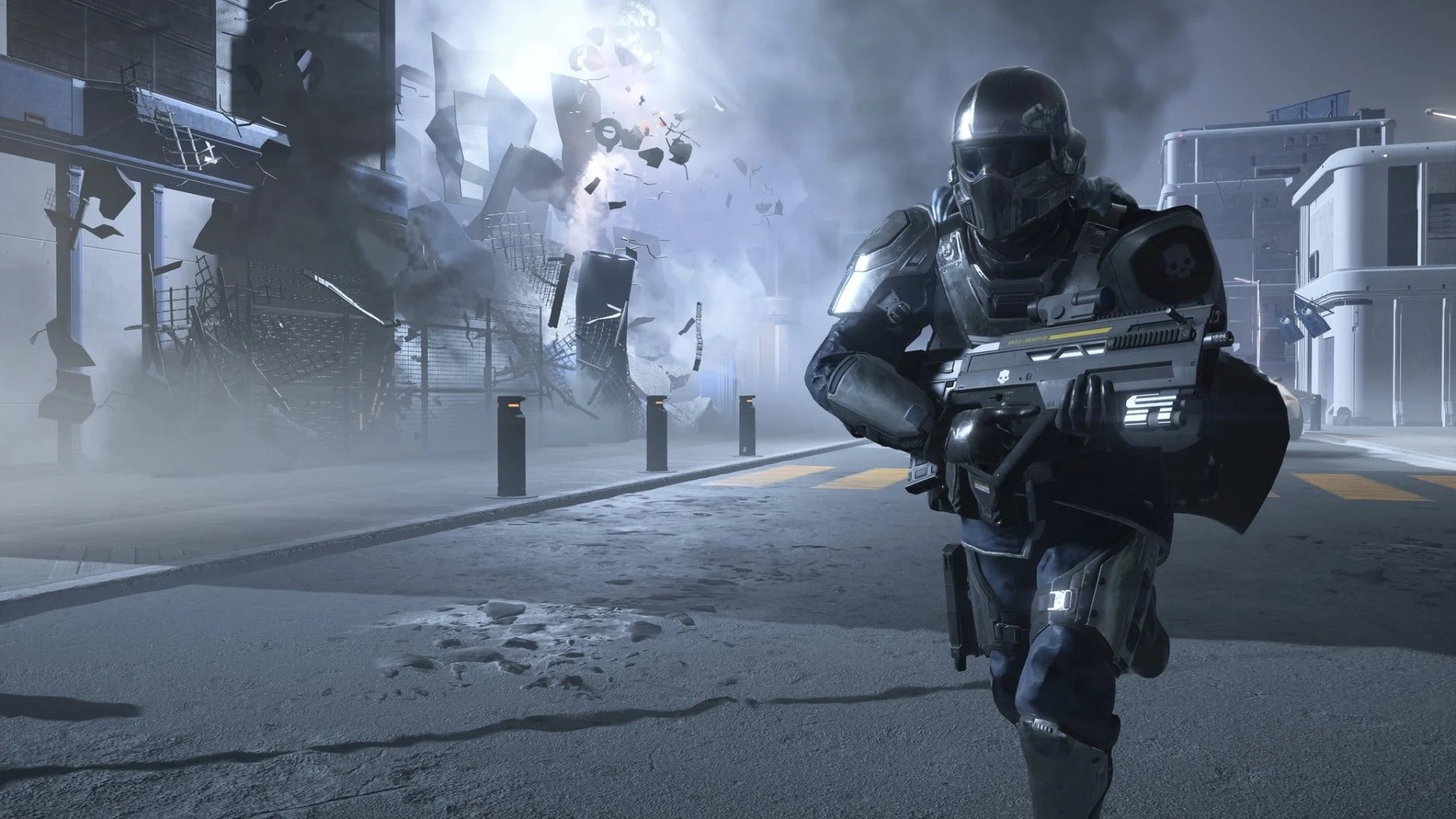
The decision to focus on a multiplayer, live-service model for this entry in the Horizon series aligns with Sony’s broader corporate strategy to diversify its revenue streams beyond traditional single-player narratives. From a journalistic perspective, the exclusion of an Xbox version at launch is consistent with Sony’s current first-party policy. However, the broader industry trend—driven by the high costs of maintaining live-service servers and the necessity of large player bases—has led to speculation regarding whether such titles might eventually follow the path of other former exclusives.
For the time being, Horizon Hunters Gathering remains a cornerstone of Sony’s internal software lineup, though its performance on PC will likely serve as a barometer for its potential expansion to other platforms in the distant future.
Chronology of Recent PlayStation Marketing Events
To understand the weight of the February 12 announcement, it is necessary to examine the timeline of Sony’s recent communication strategy:
- Late 2024: Sony focused on the launch of the PlayStation 5 Pro, emphasizing hardware capabilities and technical enhancements for existing titles.
- January 2025: Minor updates were provided via social media channels regarding indie titles and smaller third-party partnerships.
- February 5, 2025: Sony Interactive Entertainment issued a formal press release and social media updates confirming the "Mega" State of Play for February 12.
- February 12, 2025: The scheduled broadcast, expected to feature over 20 titles across various genres.
This timeline indicates a deliberate move away from sporadic updates toward a "tentpole" event strategy, where significant news is consolidated into a single, high-impact broadcast to maximize media coverage and consumer engagement.
Third-Party Partnerships and Economic Realities
The "over 60 minutes" runtime is particularly telling regarding the state of third-party partnerships. In the current economic climate, AAA game development costs frequently exceed $200 million. To mitigate these risks, third-party publishers are increasingly reliant on the marketing muscle of platform holders like Sony.
Expected reveals during the broadcast likely include updates on long-term projects from Japanese publishers who have historically maintained close ties with the PlayStation brand. However, for the Xbox audience, these reveals are equally important. Data from recent fiscal reports suggests that roughly 70% of third-party software revenue for major publishers comes from multi-platform sales. Therefore, a "reveal" at a State of Play is often a reveal for the entire gaming industry, regardless of the specific console hardware used for the demonstration.
Technical Expectations and Viewing Logistics
Sony has confirmed that the broadcast will be streamed across its official YouTube and Twitch channels. In line with previous high-budget presentations, the footage is expected to be captured at 4K resolution at 60 frames per second, specifically tailored to demonstrate the graphical fidelity of the PlayStation 5 and the PS5 Pro.

For viewers in North America, the event typically airs in the late afternoon, while European audiences can expect a late-evening broadcast. The international nature of the stream underscores Sony’s global approach to brand management, ensuring that major announcements reach key markets in Asia, Europe, and the Americas simultaneously.
Broader Industry Impact and Implications
The February 12 State of Play arrives at a time when the gaming industry is undergoing significant structural changes. With Microsoft’s recent acquisition of Activision Blizzard and its subsequent move to bring several first-party titles to competing platforms, the "console war" narrative is being replaced by a more complex "ecosystem" narrative.
Sony’s decision to host an hour-long show suggests a confidence in its 2025-2026 software roadmap. For Microsoft and Xbox, the event serves as a competitive benchmark. If Sony unveils a strong lineup of third-party titles that are also coming to Xbox, it reinforces the value of the Xbox platform as a viable alternative for high-end gaming. Conversely, if Sony announces a string of timed exclusives, it may signal a tightening of the competitive landscape.
The inclusion of VR2 updates is also noteworthy. Despite a slower start compared to the base console, Sony’s continued support for its virtual reality hardware indicates a long-term commitment to the medium. This remains a point of differentiation from Xbox, which has yet to enter the consumer VR space, focusing instead on cloud gaming and subscription services like Game Pass.
Conclusion
The upcoming State of Play on February 12 is poised to be a defining moment for the gaming industry in the early part of the year. By combining first-party updates with a heavy emphasis on third-party collaborations, Sony is positioning itself at the center of the gaming conversation. While the broadcast is fundamentally a celebration of the PlayStation brand, its ripples will be felt across all platforms, including Xbox and PC.
As the industry moves toward the broadcast date, the focus remains on whether Sony will provide clarity on its long-term cross-platform strategy or double down on the traditional exclusivity models that have defined its success for decades. Regardless of the outcome, the 60-minute presentation will provide the data points necessary for analysts and consumers alike to map out the trajectory of interactive entertainment for the remainder of the year.