

As global economies grapple with persistent inflationary pressures, evident in soaring food and energy costs, consumers are increasingly seeking innovative strategies to maintain their discretionary spending habits, including their passion for video games. The entertainment sector, particularly gaming, represents a significant portion of household budgets for many, prompting a widespread demand for cost-saving measures. With new AAA titles frequently priced at $70 USD or more, and the overall cost of living continuing its upward trajectory, understanding how to maximize gaming enjoyment without breaking the bank has become more critical than ever. This guide delves into a comprehensive array of methods, from leveraging public services to engaging with digital ecosystems and community-driven marketplaces, offering practical advice for the economically savvy gamer.
Harnessing Public Libraries for Gaming Entertainment
One of the most underutilized resources for gamers is the local public library. Far from being repositories solely for books, many modern libraries have expanded their collections to include a diverse range of media, prominently featuring video games for various consoles. This service, often available free of charge with a library card, presents a substantial opportunity for savings. For instance, the Edmonton Public Library (EPL) in Canada is a prime example of a forward-thinking institution that actively integrates video games into its lending catalog, allowing patrons to explore extensive game libraries without direct purchase.
While libraries may not always stock brand-new releases on day one—a typical waiting period for popular titles can be around a month—they offer an invaluable avenue for catching up on acclaimed franchises or discovering hidden gems. Players can delve into series like Resident Evil or Fire Emblem, exploring their rich narratives and gameplay without the immediate financial outlay. This approach not only saves money but also encourages a more deliberate engagement with a game’s content, fostering appreciation for titles beyond the initial hype cycle. The inclusion of video games in library services reflects a broader trend of public institutions adapting to contemporary cultural consumption patterns, aiming to provide equitable access to diverse forms of entertainment and education.
Leveraging Online Communities and Deal Aggregators
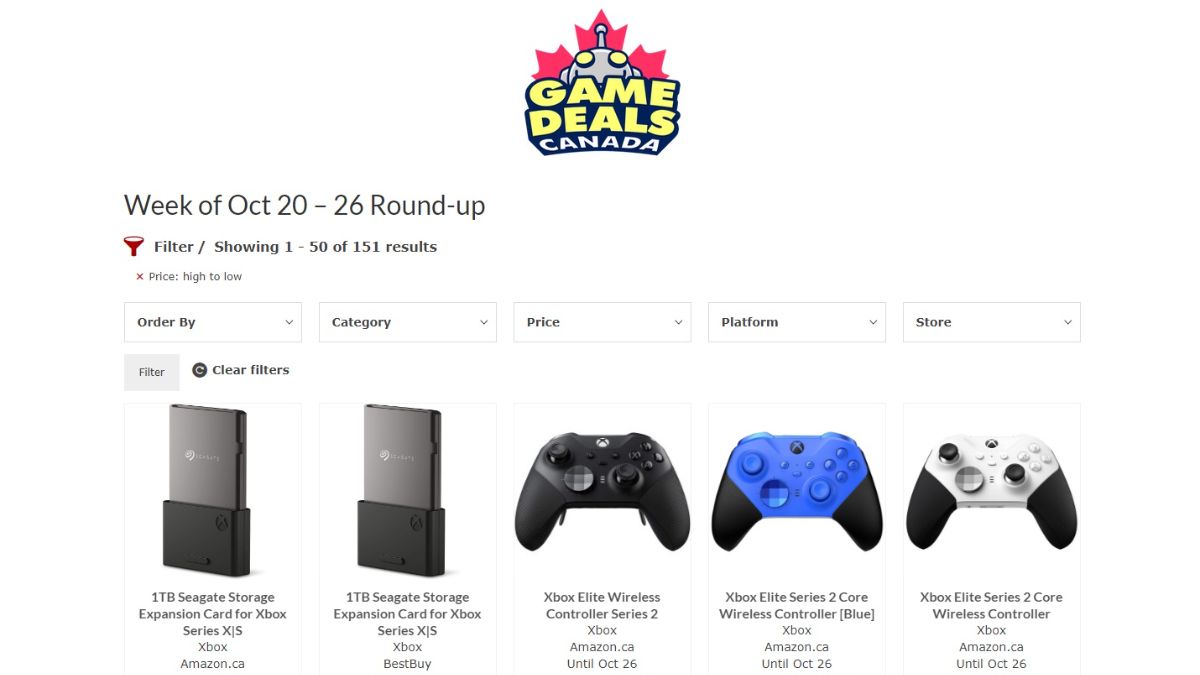
In the digital age, the internet has become an indispensable tool for uncovering significant savings on video games. Dedicated deal-searching websites and active Reddit communities serve as crucial hubs for aggregating and disseminating up-to-the-minute information on sales and discounts across various platforms and retailers. Platforms such as Cheap Ass Gamer, with its long-standing forum for video game deals, and regional sites like Game Deals Canada, meticulously compile offers that might otherwise go unnoticed. These sites are particularly valuable during major sales events, such as Black Friday, Cyber Monday, and seasonal promotions like Steam’s Summer or Winter Sales, where discounts can reach up to 90% off retail prices.
Beyond dedicated deal sites, Reddit hosts a vibrant ecosystem of subreddits focused exclusively on gaming deals. Communities like r/GameDeals provide a global perspective on discounts, while more niche groups, such as r/NintendoSwitchDeals, cater to platform-specific offers. These communities are powered by thousands of enthusiastic users who actively track, post, and discuss sales, often highlighting limited-time offers or pricing errors that can lead to extraordinary savings. The collective intelligence of these communities ensures that potential deals are quickly identified and shared, creating a dynamic marketplace of information that empowers consumers to make informed purchasing decisions. According to industry analyses, a significant portion of digital game sales now occur during promotional periods, underscoring the effectiveness of these deal-hunting strategies.

Exploring Peer-to-Peer Marketplaces: Facebook Marketplace and Beyond
The rise of peer-to-peer online marketplaces has revolutionized the way consumers buy and sell used goods, and video games are no exception. Facebook Marketplace stands out as a particularly effective platform for finding competitive prices on pre-owned titles. Unlike traditional brick-and-mortar used game retailers, which operate with overheads and profit margins, individual sellers on platforms like Facebook Marketplace often offer games at significantly reduced prices, sometimes even for recently released titles.
The key to success on these platforms lies in speed and vigilance. New listings, especially for highly sought-after games, can disappear quickly. For instance, a savvy buyer might find recent releases like Final Fantasy XVI or Armored Core VI: Fires of Rubicon for prices substantially lower than retail, as evidenced by instances where games just months after release were sold for approximately $60 CAD ($45 USD) by private sellers. This direct exchange between consumers often bypasses the markups associated with professional resellers, creating a more favorable environment for buyers. Furthermore, these platforms allow for local transactions, eliminating shipping costs and enabling buyers to inspect the physical condition of games before purchase. While convenience and potential savings are high, buyers should exercise caution regarding transaction security and the authenticity of sellers, always prioritizing safe meeting practices.
Unlocking Value with Game Bundles and Subscription Services
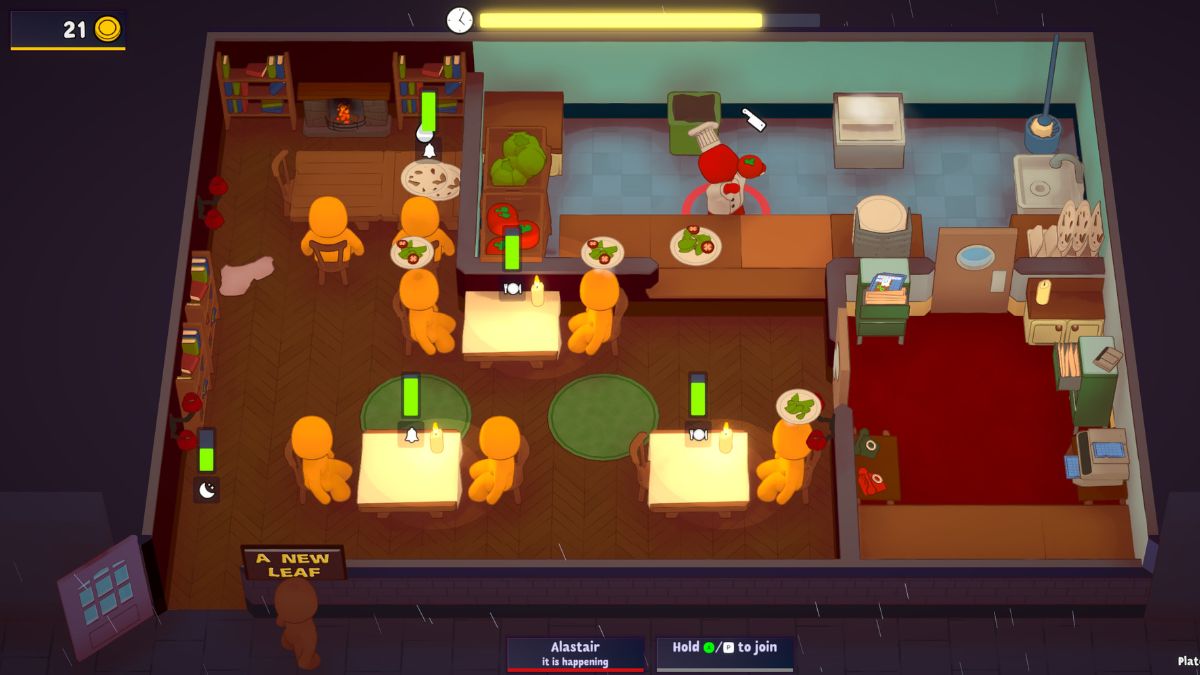
For PC gamers, and increasingly for console players, game bundles offer an exceptional avenue for acquiring multiple titles at a fraction of their individual cost. Retailers like Humble Bundle are renowned for their curated collections of games, often packaged around specific themes or publishers, and frequently tied to charitable causes. For example, the "Laugh Till You Die: Multiplayer Mayhem" charity bundle in October 2023 included popular titles such as PlateUp! and Ultimate Chicken Horse among a pack of seven games, all for around $10 USD. Considering PlateUp! alone typically retails for $19.99 USD, the value proposition of such bundles is undeniable.
Fanatical is another prominent player in the game bundle market, offering flexible options like "build-your-own" bundles, where players can select a set number of games from a larger pool. The "Build Your Own Play As You Go Premium Edition" bundle in October, for instance, featured high-quality games like Wolfenstein II: The New Colossus, Doom, The Walking Dead: The Telltale Series – The Final Season, and The Ascent. Opting for three games might cost around $10, while a larger selection of seven could be approximately $20, yielding substantial savings compared to purchasing each title separately. These bundles not only provide economic benefits but also encourage players to discover new games and genres they might not have considered otherwise. The growth of the digital bundle market reflects a consumer appetite for curated content at accessible price points, often with the added benefit of supporting charitable initiatives.
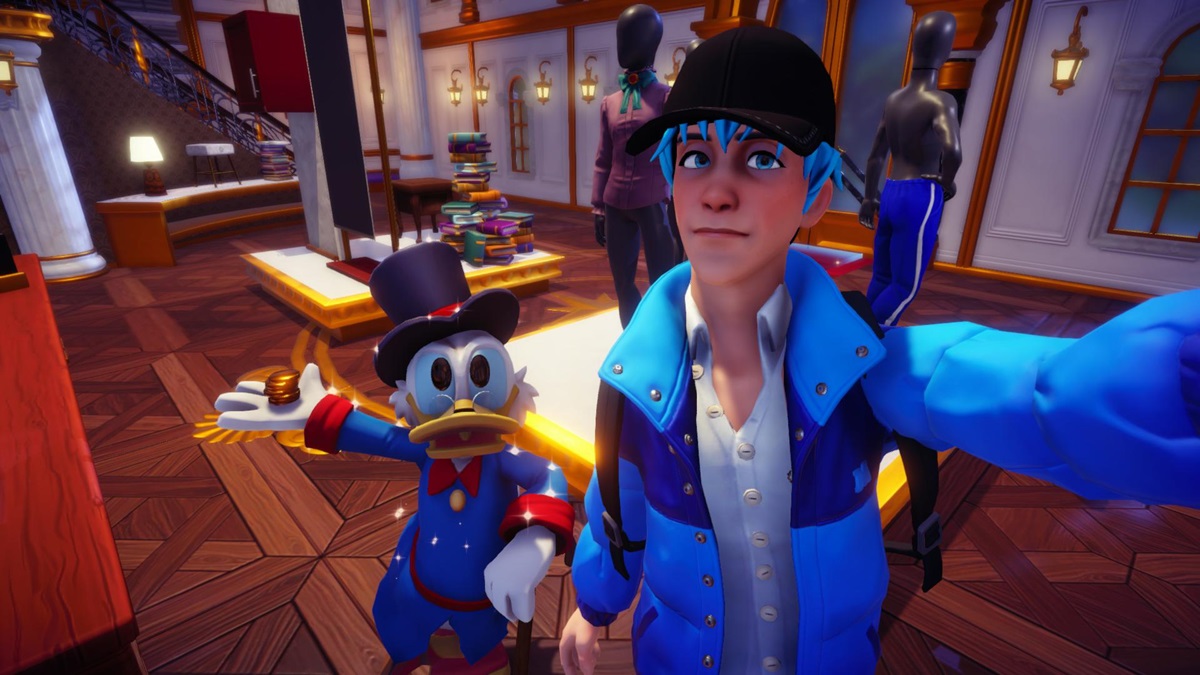
In the realm of modern gaming, subscription services have emerged as a dominant force, offering unparalleled access to vast libraries of games for a recurring monthly fee. Xbox Game Pass and PlayStation Plus Extra stand out as the leading contenders, each providing a compelling value proposition under $20 a month. Xbox Game Pass is frequently cited for its day-one inclusion of major new releases, such as Starfield and Lies of P, significantly reducing the cost of entry for highly anticipated titles. Subscribers also gain access to extensive back catalogs, including entire franchises like Halo and Gears of War, alongside critically acclaimed indies such as Celeste and Inside, and family-friendly options like Disney Dreamlight Valley. Microsoft’s aggressive strategy with Game Pass has fundamentally altered consumer expectations regarding game access and ownership.
PlayStation Plus Extra, while not consistently offering day-one releases, counters with an impressive and ever-expanding catalog of acclaimed titles. Subscribers can enjoy games like Ratchet & Clank: Rift Apart, the PlayStation 5 exclusive Demon’s Souls, and Marvel’s Spider-Man: Miles Morales. This service is particularly beneficial for players looking to catch up on missed titles, as exemplified by the availability of games like NieR Replicant. The economic implication of these services is profound: for a monthly fee often less than the cost of a single new game, subscribers gain access to hundreds of titles, effectively transforming the traditional game acquisition model from purchase to access. These subscription models represent a significant shift in the gaming industry, driving both consumer value and new revenue streams for publishers.
Community and Traditional Retail: Borrowing, Thrift Stores, and Flyers
Beyond digital platforms, more traditional and community-centric methods remain highly effective for saving money. The simplest, and often most overlooked, strategy is to borrow games from friends. If a friend has a copy of a game like Call of Duty: Modern Warfare III but is currently immersed in Diablo IV, a polite request to borrow their unused title can provide free access to a new experience. This method fosters a sense of community among gamers and facilitates shared enjoyment, provided mutual respect for borrowed items and timely returns are observed.
Physical retail avenues, specifically thrift stores and pawn shops, also hold significant potential for thrifty gamers. Pawn shops, in particular, often stock relatively modern titles at competitive prices. A recent observation noted Mario Tennis Aces, a Nintendo Switch title known for holding its value, available for approximately $35 CAD ($25 USD) at a pawn shop. These establishments acquire games through various means, including collateral and direct purchases, often pricing them to move inventory quickly. Thrift stores, relying on donations, can be more unpredictable but occasionally yield retro gems or valuable older titles. Stories of discovering rare PlayStation 2 games, such as the valuable PS2 port of Harry Potter and the Sorcerer’s Stone, are not uncommon, transforming a casual browse into a treasure hunt for collectors and budget-conscious players alike. The second-hand market also contributes to sustainability by extending the lifecycle of physical goods.
Furthermore, traditional retail promotions, though sometimes overshadowed by digital deals, remain a viable source of savings. Paying attention to weekly flyers, particularly in regions where they are still prevalent, can uncover surprising discounts. While digital flyers and online deals pages have largely replaced physical circulars in many areas, major retailers like Walmart consistently feature dedicated "deals" sections on their websites. A quick check might reveal significant price reductions, such as Yoshi’s Crafted World being $10 off or The Legend of Zelda: Link’s Awakening discounted by $20 on a given evening. Diligence in monitoring these retail channels, both online and physical, can lead to opportune purchases.

Leveraging Platform-Specific Reward Programs
Gaming platforms themselves offer various reward programs that can translate into tangible savings. Microsoft’s Bing search engine, often overlooked in favor of Google, operates a reward system that allows users to accumulate points for searches, quizzes, and other activities. These points can then be redeemed for gift cards for Xbox, effectively providing free credit for game purchases or subscriptions. A consistent user can accumulate enough points over a month to redeem a $5 gift card, potentially saving $50 or more annually. This passive earning method rewards users for their engagement with Microsoft’s ecosystem, extending beyond gaming to offer in-game currency for titles like Overwatch or League of Legends.
Similarly, PlayStation Stars offers a loyalty program where players earn points from PlayStation Store purchases and by completing specific tasks within the PlayStation App, such as playing games from the monthly PlayStation Plus lineup or exploring new titles. These points can be redeemed for digital wallet funds or even full digital games, like Cuphead. This system incentivizes continued engagement with the PlayStation platform and its services. Nintendo’s eShop also features a reward program, granting gold coins back on digital purchases. Typically, players receive approximately $4 in gold coins for every $80 game purchased, which can then be applied as a discount on future eShop purchases. While Nintendo’s program is more straightforward, focusing solely on purchase rewards, it still provides a valuable mechanism for incremental savings within its ecosystem.
In conclusion, navigating the evolving landscape of video game pricing amidst a challenging economic climate requires a multifaceted approach. By strategically utilizing public libraries, engaging with online deal communities, exploring peer-to-peer and second-hand markets, capitalizing on game bundles, subscribing to comprehensive services like Xbox Game Pass and PlayStation Plus Extra, and actively participating in platform-specific reward programs, gamers can significantly reduce their expenditures without compromising their passion. These diverse strategies collectively empower consumers to enjoy a rich and varied gaming experience, demonstrating that a passion for gaming need not be financially prohibitive even in times of economic constraint.