
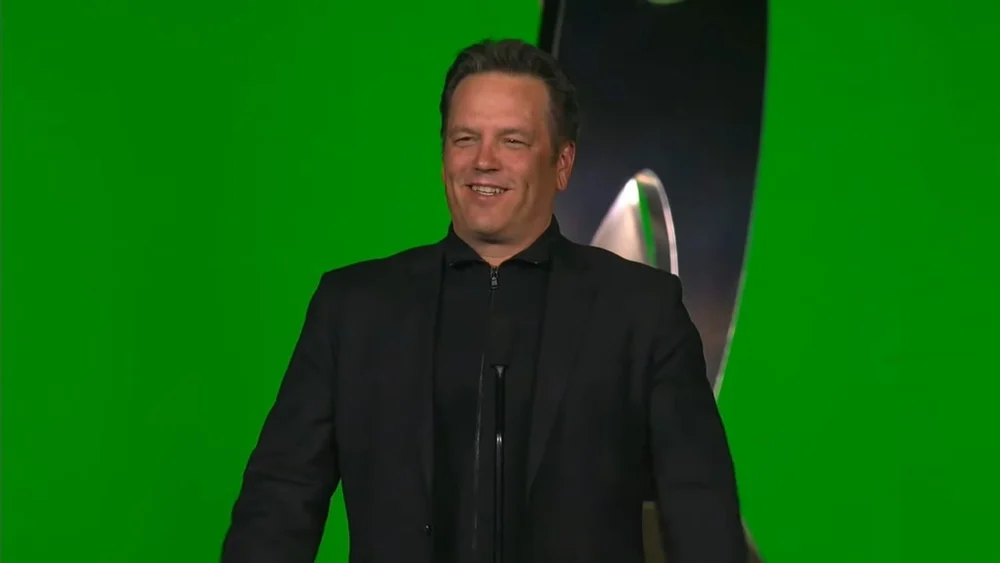
When Spencer assumed the role of Head of Xbox in March 2014, the platform was reeling from the disastrous launch of the Xbox One. Under previous leadership, the console had been marketed as an "all-in-one" media hub, alienating its core gaming audience with mandatory peripheral requirements and restrictive digital rights management policies. Spencer’s mandate was clear: salvage the brand and regain the trust of the global gaming community. Over the next twelve years, he did more than just stabilize the ship; he redefined the boundaries of the ecosystem.
The 2014 Strategic Pivot: Untethering Kinect and Returning to Core Gaming
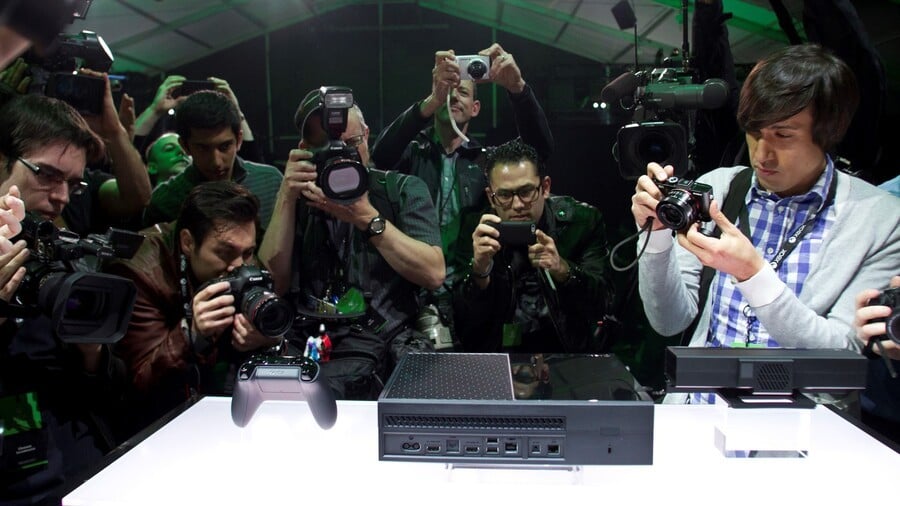
The first significant milestone of Spencer’s tenure was the immediate reversal of the Xbox One’s hardware strategy. At launch, the Xbox One was bundled with the Kinect motion-sensing camera, a requirement that inflated the console’s price to $499—$100 more than its primary competitor, the PlayStation 4. Within months of taking office, Spencer announced that the Kinect would be unbundled from the console.
This move was more than a price cut; it was a symbolic "course correction." By removing the requirement for a camera that many core gamers found intrusive or unnecessary, Spencer signaled that Xbox was once again a gaming-first platform. This decision allowed Microsoft to lower the entry price to $399, matching Sony and stemming the tide of lost market share. Data from the period suggests that while the PlayStation 4 maintained a significant lead, the unbundling of Kinect was the catalyst for a stabilized Xbox user base, allowing the engineering teams to refocus their resources on system performance and software development.
The Engineering Feat of Modern Backwards Compatibility
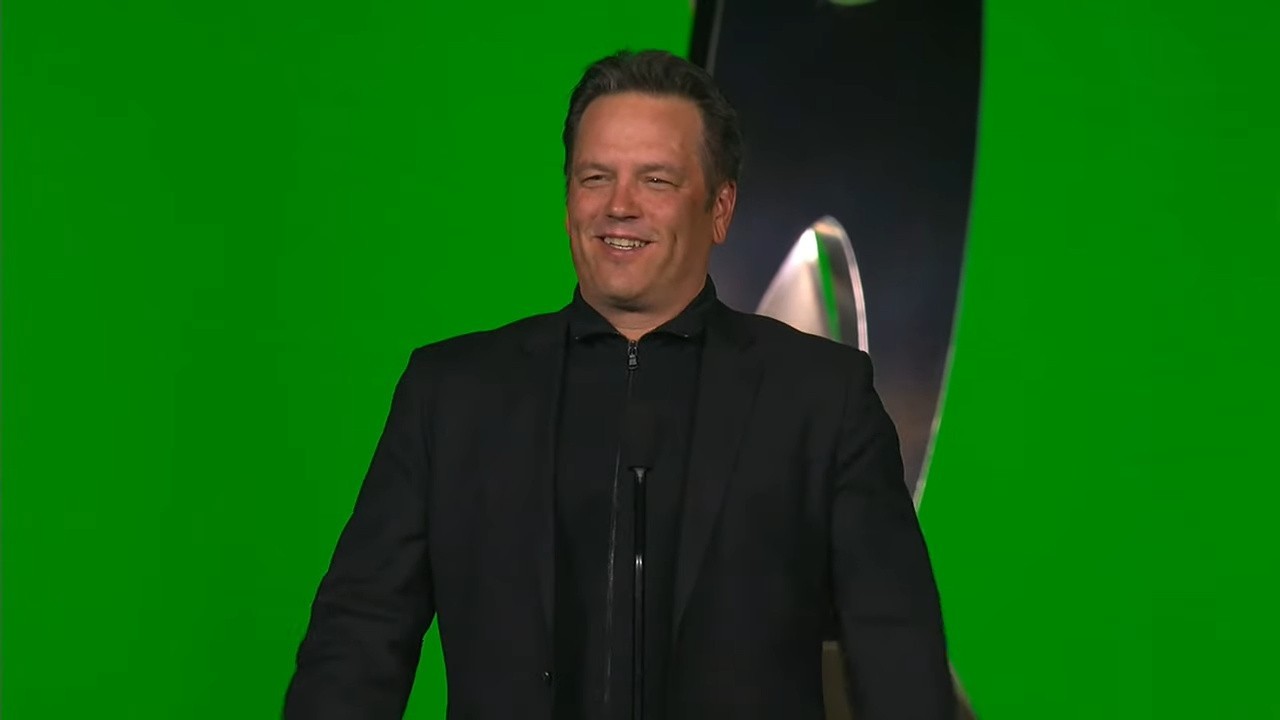
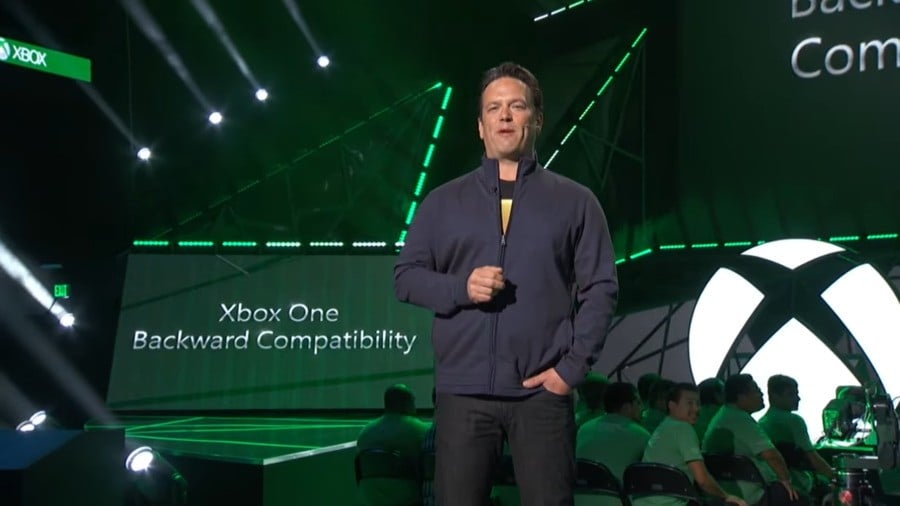
In 2015, during the Electronic Arts (E3) press conference, Spencer delivered what is now regarded as one of the most significant "mic drop" moments in gaming history. He announced that the Xbox One would support backwards compatibility for Xbox 360 titles. This was a massive technical undertaking, as the two consoles utilized entirely different chip architectures (PowerPC versus x86).
Under Spencer’s direction, Microsoft’s engineering team developed a custom virtual machine that allowed legacy games to run natively on newer hardware. This program eventually expanded to include original Xbox games. By 2021, the library of backwards-compatible titles grew to include over 600 games, many of which received automated enhancements such as Auto-HDR and resolution upscaling. This initiative effectively preserved gaming history and provided immense value to consumers, who could transition to new hardware without losing access to their existing libraries. It established Xbox as the industry leader in digital preservation, a reputation that continues to define the brand today.
Hardware Iteration: The Xbox One S and the Power of the Xbox One X
Midway through the eighth console generation, Spencer oversaw a dual-pronged hardware strategy that addressed the physical and technical shortcomings of the original Xbox One. In 2016, the company launched the Xbox One S, a streamlined, aesthetically pleasing console that integrated the power supply into the chassis and introduced 4K Blu-ray support.
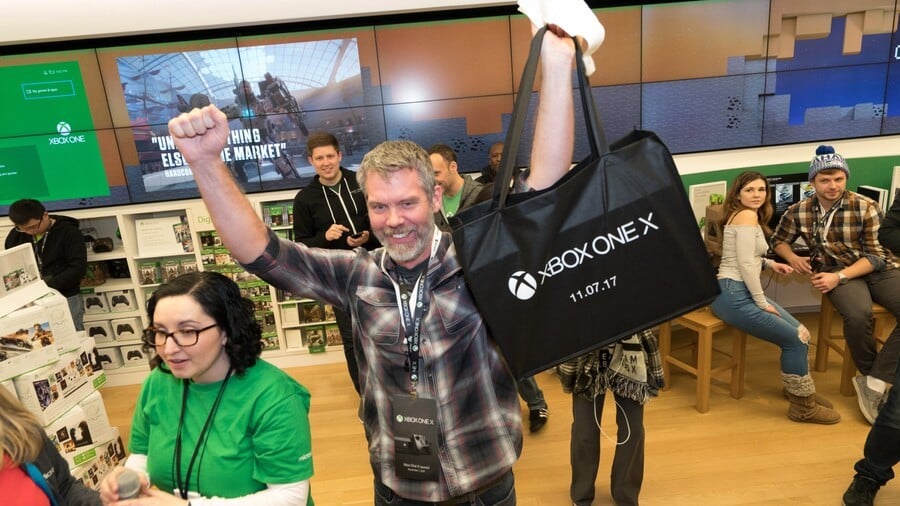
However, it was the 2017 launch of the Xbox One X that solidified Spencer’s reputation for technical excellence. Marketed as "the world’s most powerful console," the Xbox One X featured 6 teraflops of graphical processing power, enabling native 4K gaming at a time when competitors relied on "checkerboard" upscaling. The Xbox One X was a critical success, proving that Microsoft could lead the market in high-end engineering. It laid the architectural groundwork for the ninth generation, emphasizing that "power" was a core pillar of the Xbox identity.
The Game Pass Revolution and the Shift to Services
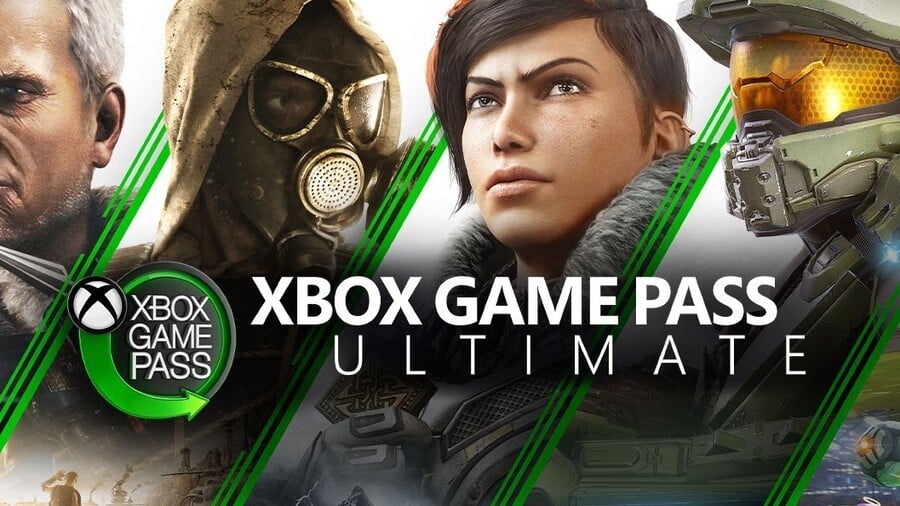
Perhaps the most enduring legacy of the Spencer era is the introduction and aggressive expansion of Xbox Game Pass. Launched in June 2017, the subscription service was initially viewed with skepticism by industry analysts who questioned the sustainability of a "Netflix for Games" model. Spencer, however, doubled down on the vision, announcing in 2018 that all first-party titles from Xbox Game Studios would launch into the service on day one.
This move fundamentally altered the economics of the industry. By 2024, Game Pass had surpassed 34 million subscribers, according to official Microsoft disclosures. The service democratized access to high-budget titles like Halo, Forza, and Starfield, while providing a platform for smaller indie titles to find massive audiences. This shift from a transactional "pay-per-game" model to a recurring revenue "service" model has since been emulated by Sony and Ubisoft, cementing Spencer’s role as a visionary who anticipated the digital-first future of media consumption.
Aggressive Studio Acquisitions and Ecosystem Expansion
To fuel the Game Pass engine, Spencer recognized that Microsoft needed a constant stream of exclusive content. Beginning in 2018, he initiated a series of acquisitions that would fundamentally reshape the competitive landscape. The first wave included highly respected mid-sized studios such as Ninja Theory, Obsidian Entertainment, Playground Games, and Double Fine Productions.
The scale of these acquisitions increased exponentially over time. In 2020, Microsoft announced the $7.5 billion acquisition of ZeniMax Media, the parent company of Bethesda Softworks, bringing franchises like The Elder Scrolls, Fallout, and Doom under the Xbox umbrella. This was followed by the unprecedented $68.7 billion acquisition of Activision Blizzard, a deal that faced nearly two years of global regulatory scrutiny before closing in late 2023. By the time of his retirement, Spencer had grown Xbox Game Studios from a handful of internal teams to a massive conglomerate of over 30 world-class development houses.
The Launch of the Ninth Generation: Xbox Series X|S
In November 2020, amidst the challenges of the global COVID-19 pandemic, Spencer led the simultaneous launch of the Xbox Series X and the Xbox Series S. This "two-tier" hardware strategy was a first for the industry, offering a high-end 4K machine alongside an affordable, digital-only entry point.
The launch was characterized by a focus on "player-centric" features. While supply chain issues hampered initial availability, the consoles themselves were lauded for their silent operation and innovative software features. Spencer’s leadership during this period emphasized accessibility; the Xbox Series S, in particular, was credited with expanding the Xbox ecosystem into emerging markets where the high cost of traditional consoles had previously been a barrier to entry.
Consumer-Friendly Engineering: Smart Delivery and FPS Boost
Under Spencer’s guidance, Xbox pioneered several features that prioritized the consumer experience over corporate gatekeeping. "Smart Delivery" ensured that players would automatically receive the best version of a game for their specific console at no additional cost, preventing the "double-dipping" practices common in previous generational transitions.
Furthermore, the "FPS Boost" initiative utilized system-level optimizations to double or even quadruple the frame rates of older titles without requiring developers to issue patches. These features, combined with the Xbox Adaptive Controller—a device designed for gamers with limited mobility—underscored a philosophy that Spencer frequently summarized in his public appearances: "When everybody plays, we all win." This focus on inclusivity and accessibility helped rebuild the brand’s image as the most "pro-consumer" platform in the industry.
Analysis of Implications and the Future of Xbox
The retirement of Phil Spencer leaves a significant void in the leadership of Microsoft’s gaming division. However, industry analysts suggest that the foundation he built is designed for long-term stability. The promotion of Sarah Bond to President of Xbox and Matt Booty to President of Game Content and Studios suggests a continuity of Spencer’s "platform-agnostic" vision.
The implications of Spencer’s tenure extend beyond Microsoft. By forcing the industry to embrace cross-platform play, subscription models, and extensive backwards compatibility, he has permanently altered the expectations of the global gaming audience. His era was defined by the transition of Xbox from a "green box under the TV" to a ubiquitous service available on PCs, mobile devices, and cloud-based platforms.
As Spencer moves into an advisory role, the data reflects a brand in its strongest financial position in history. Microsoft’s gaming revenue now rivals its Windows and Office divisions, a testament to the strategic importance Spencer secured for gaming within the broader corporate structure of Microsoft. His reign will be remembered as the period when Xbox stopped trying to be a television hub and started trying to be the central nervous system of the global gaming industry. Through a combination of technical innovation, massive capital deployment, and a relentless focus on player value, Phil Spencer successfully navigated one of the most remarkable turnarounds in the history of consumer technology.