
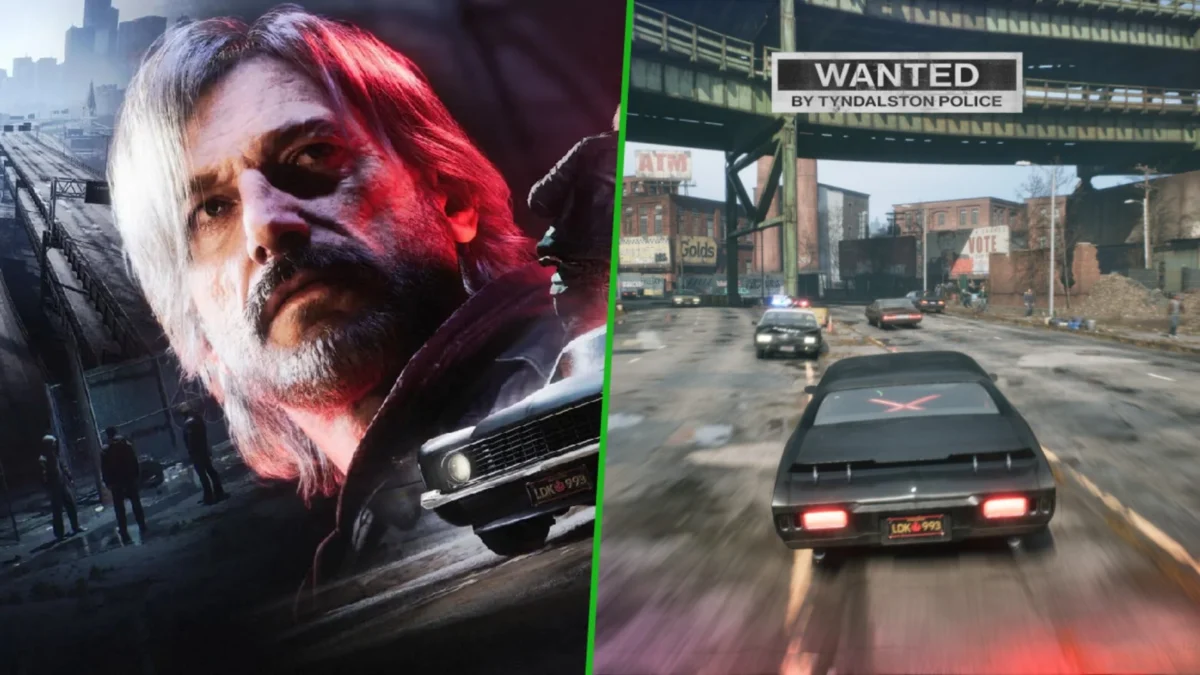
The highly anticipated title, Samson: A Tyndalston Story, developed by the newly formed studio Liquid Swords and helmed by Just Cause creator Christofer Sundberg, is officially set to launch on PC on April 8th. While excitement builds around its imminent PC debut, the developers have confirmed that console versions are a definitive part of their future plans, though without a specific timeline. This strategic phased rollout highlights the modern realities of game development, balancing focused initial launches with broader market aspirations.
The Genesis of Samson: A New Vision from an Industry Veteran
Samson: A Tyndalston Story has steadily garnered significant attention within the gaming community over the past few months, frequently appearing in industry showcases and previews. This heightened interest is largely attributable to its lead creator, Christofer Sundberg, a figure synonymous with the sprawling, action-packed open-world series Just Cause. Sundberg, who co-founded Avalanche Studios and oversaw the development of its flagship franchise, embarked on a new venture by establishing Liquid Swords. This new studio represents a fresh chapter for the veteran developer, aiming to bring innovative perspectives to established genres.
The formation of Liquid Swords and the subsequent unveiling of Samson mark a pivotal moment. Sundberg’s reputation for crafting expansive, chaotic, and physics-driven open-world experiences has naturally set high expectations for his new project. Samson, as the debut title from Liquid Swords, carries the weight of introducing the studio’s unique development philosophy and creative direction to a global audience. The "hype" surrounding the game is therefore not merely organic but also fueled by the legacy of its creator and the promise of a fresh take on a beloved genre archetype.
A Deep Dive into Tyndalston: Narrative and Gameplay Foundations
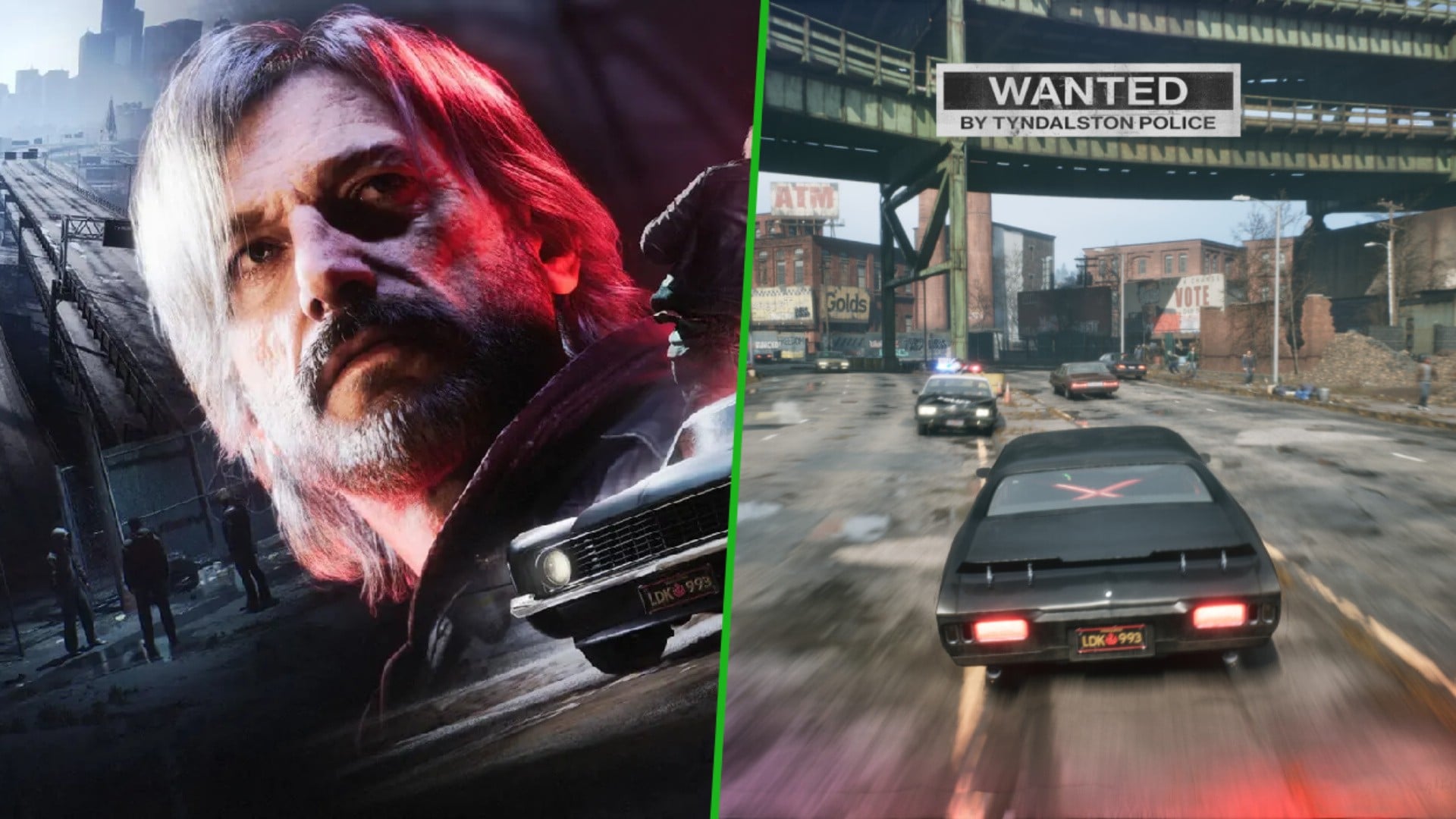
Samson: A Tyndalston Story introduces players to a gritty urban landscape and a compelling narrative centered around its protagonist, Samson. The official synopsis reveals a character returning to Tyndalston, a city that has left its indelible mark on him. Plagued by significant debts to dangerous individuals, Samson finds his hand forced when his sister becomes a pawn in this high-stakes game. The clock is ticking, and his only recourse is to confront anyone who obstructs his path, suggesting a narrative driven by urgency, personal stakes, and morally ambiguous choices.
Initial impressions and developer insights suggest that while Samson may bear a superficial resemblance to the Grand Theft Auto series due to its open-world, crime-centric premise, its core gameplay DNA is a rich amalgamation of various influences. Developers describe it as a cross between the intense driving mechanics of Driver, the schoolyard brawling and social simulation elements of Bully, the urban exploration and tech-savvy aspects of Watch Dogs, and, unsurprisingly, the over-the-top action and sandbox freedom characteristic of Just Cause. Adding another layer of depth, some outlets, including IGN, have noted a thematic resonance with Max Payne’s neo-noir atmosphere, particularly in its portrayal of a grim urban setting and a protagonist battling personal demons.
The gameplay loop is expected to heavily feature both driving and brawler-style combat. This dual emphasis suggests a dynamic experience where players will navigate the city in high-octane pursuits and engage in visceral, close-quarters combat. The blend of these mechanics promises a varied experience, moving between fast-paced vehicular action and strategic hand-to-hand engagements, potentially offering a unique rhythm compared to other open-world titles. The environment of Tyndalston itself is anticipated to play a crucial role, shaping both the narrative progression and the gameplay opportunities, where "every fight is close and every escape is earned."
The Staggered Release Strategy: PC First, Consoles Next
The announcement regarding Samson’s release strategy confirms a PC-first approach, with the game launching on April 8th. This decision is not uncommon in contemporary game development, especially for independent or newly established studios. Prioritizing a single platform for the initial launch allows developers to focus their resources, streamline the final stages of development, and gather crucial player feedback without the immediate complexities of multi-platform optimization and certification processes.
Christofer Sundberg himself addressed the console version inquiries directly, stating, "We get a lot of questions about console versions of @SamsonMcCray. The honest (and we’re always honest) answer is that we don’t know when. The game is running on consoles, but we don’t have the bandwidth right now to start the final development. We have to go through the platform holder submissions and all that. Once the game is out on April 8, we’ll get cracking on the console versions. (Almost) Nothing can stop us!"
This statement provides valuable insight into the operational realities of Liquid Swords. The confirmation that "the game is running on consoles" suggests that a foundational port exists, indicating that the game’s core engine and assets are largely compatible with console architectures. However, the subsequent mention of "bandwidth" issues underscores the significant effort required for final optimization, bug fixing, and, critically, navigating the stringent "platform holder submissions." These submissions involve rigorous testing and adherence to specific technical and content guidelines mandated by console manufacturers (Sony, Microsoft, Nintendo) before a game can be approved for release on their respective platforms. This process is often time-consuming and resource-intensive, requiring dedicated teams to ensure compliance.
Following the PC launch, the studio plans to "get cracking" on what are presumed to be versions for Xbox (likely Series X|S), PlayStation 5, and potentially a future Nintendo console, referred to as "Switch 2." The inclusion of "Switch 2" highlights the forward-looking nature of Liquid Swords, acknowledging the rapid evolution of console hardware and the potential for new platforms to significantly expand their audience reach. This phased approach, while delaying immediate console access, strategically allows the team to deliver a polished PC experience, gather essential data and community feedback, and then apply those learnings to refine and optimize the console ports.
Technical and Market Implications of Console Porting
The process of porting a game from PC to consoles, while increasingly streamlined with modern game engines, still presents a multitude of technical and logistical challenges. Each console platform possesses unique hardware specifications, operating systems, and developer toolkits. Optimizing a game for a console involves not only ensuring stable frame rates and graphical fidelity but also adapting the user interface (UI) for controller input, managing memory constraints, and leveraging platform-specific features like haptic feedback on the PlayStation 5’s DualSense controller or the quick resume functionality on Xbox Series X|S.
Furthermore, the "bandwidth" issue highlighted by Sundberg is a common hurdle for many studios, particularly smaller or newer ones like Liquid Swords. It refers to the human and computational resources available for development tasks. Simultaneously developing and polishing a PC version while also initiating final console porting and certification for multiple platforms can strain even well-established studios. By focusing on the PC release first, Liquid Swords can dedicate its entire team to delivering a high-quality product for its initial audience, fostering positive word-of-mouth that can then carry over to the eventual console launches.
From a market perspective, a staggered release allows a game to maintain a longer presence in the news cycle. The PC launch generates initial buzz and sales, and then the subsequent console announcements and releases reignite interest, providing multiple marketing opportunities. However, it also carries the risk of consumer impatience, particularly in an era where simultaneous multi-platform launches are often the norm for major titles. Balancing these factors is a critical strategic decision for any developer. The console market, particularly PlayStation and Xbox, represents a massive installed base of players, making eventual console availability crucial for maximizing a game’s commercial success and cultural footprint. The potential inclusion of "Switch 2" also points to an ambition to tap into an even broader, potentially more casual or family-oriented, audience segment that Nintendo platforms typically attract.
Early Impressions and Future Outlook
Pre-release previews and hands-on sessions have offered a glimpse into the potential of Samson: A Tyndalston Story. IGN’s hands-on impression, for example, lauded the experience, stating, "As you can probably tell by now, I had a fantastic time in Tyndalston. If Samson can keep its mission variety fresh – which is no small thing, I recognize – it’ll go a long way towards making its campaign enjoyable over the long haul, versus the extremely fun hour I had with it. I’m curious to see if the city opens up more as the story unfolds, and I hope the story itself is engaging enough to keep me motivated to continue playing and isn’t just ‘keep doing jobs to pay down your debt until a big climactic mission happens at the end.’"
This feedback underscores the critical importance of mission variety and narrative depth in open-world games to sustain player engagement beyond the initial hours. It also highlights the anticipation for how Tyndalston evolves and if the core story transcends a simplistic "debt repayment" structure. Positive early impressions from reputable outlets are vital for building pre-launch momentum and converting anticipation into sales.
The journey of Samson: A Tyndalston Story from its PC launch to its eventual console releases will be a significant test for Liquid Swords. As a new studio with a prominent industry veteran at its helm, the success of Samson will not only define the studio’s early trajectory but also influence future projects and the broader landscape of open-world action games. The development team’s commitment to transparency, as evidenced by Sundberg’s direct communication regarding console plans, fosters trust within the gaming community, which is invaluable for a new IP.
As April 8th approaches, all eyes will be on Samson’s PC debut, followed by keen anticipation for further announcements regarding its console future. The promise of a rich, brawler-focused open-world experience from the mind behind Just Cause holds considerable weight, and the gaming community eagerly awaits to see if Tyndalston can deliver on its ambitious blend of influences and narrative intrigue across all platforms.