
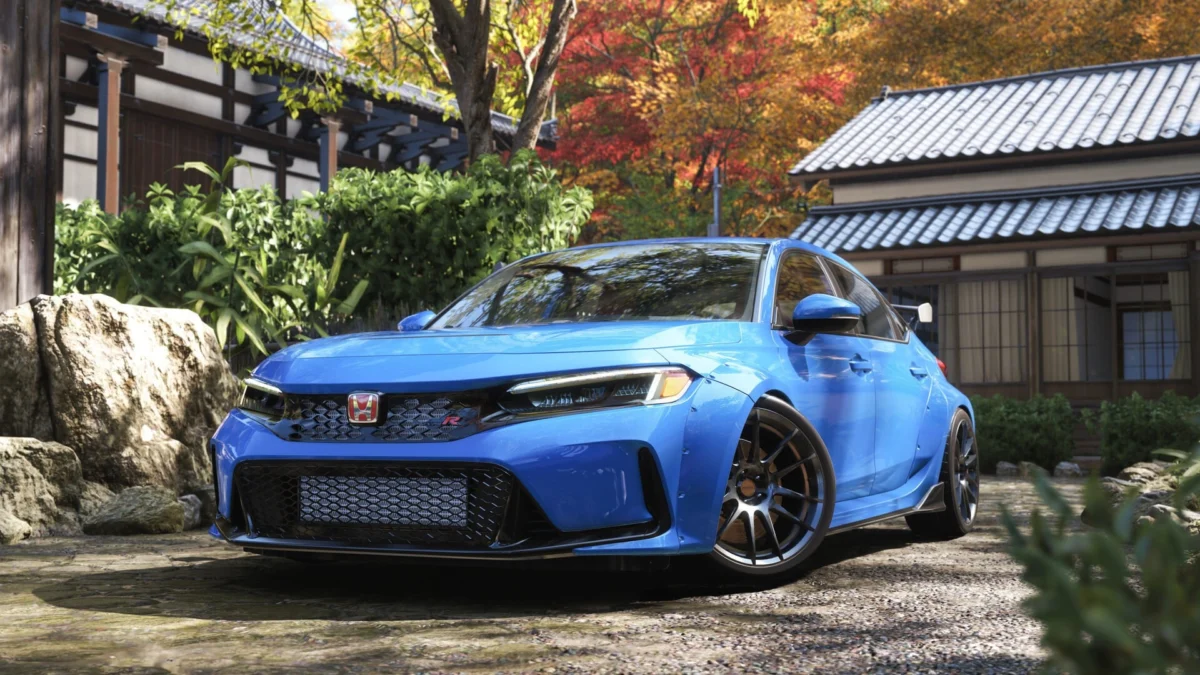
The announcement came during a recent technical deep dive featured as part of an IGN First coverage series, where lead developers at Playground Games reflected on the evolution of Forza Horizon 5 and the trajectory of the franchise. According to the studio, while Forza Horizon 5 was a massive success, maintaining parity with the base Xbox One console required certain compromises in terms of world density, asset streaming, and the complexity of seasonal changes. By focusing solely on the Xbox Series X|S, high-end PCs, and potentially other modern platforms, the team believes they have "freed their hands" to explore new frontiers in the racing genre’s live service model.
A Strategic Departure from Cross-Generational Development
For over a decade, the Forza Horizon series has been a cornerstone of the Xbox ecosystem, often serving as a graphical showcase for Microsoft’s hardware. However, the transition from the eighth to the ninth generation of consoles has been unusually prolonged. Forza Horizon 5, released in late 2021, was designed as a cross-generation title, ensuring that the tens of millions of users still on Xbox One could enjoy the Mexican landscape. While this was a consumer-friendly move that maximized the player base, it necessitated a "lowest common denominator" approach to certain engine-level features.
The Xbox One’s mechanical hard drive and limited Jaguar CPU architecture presented significant bottlenecks for a game that relies on high-speed asset streaming and complex physics calculations. In Forza Horizon 6, these "shackles," as described by industry analysts and hinted at by the developers, are being removed. The shift to mandatory Solid State Drive (SSD) storage and high-performance Zen 2 CPU architecture allows Playground Games to reconsider how the game world behaves after the player has completed the initial campaign.
The developer stated that the investment into live service technology during the lifecycle of Forza Horizon 5 was one of their most successful ventures. By carrying that technology forward into a current-gen-only environment, the studio can now implement environmental changes that are more than just cosmetic. This could include significant map alterations, more dense traffic and pedestrian AI, and a more sophisticated weather system that impacts the driving physics in real-time across the entire map.
The Evolution of the Live Service Model
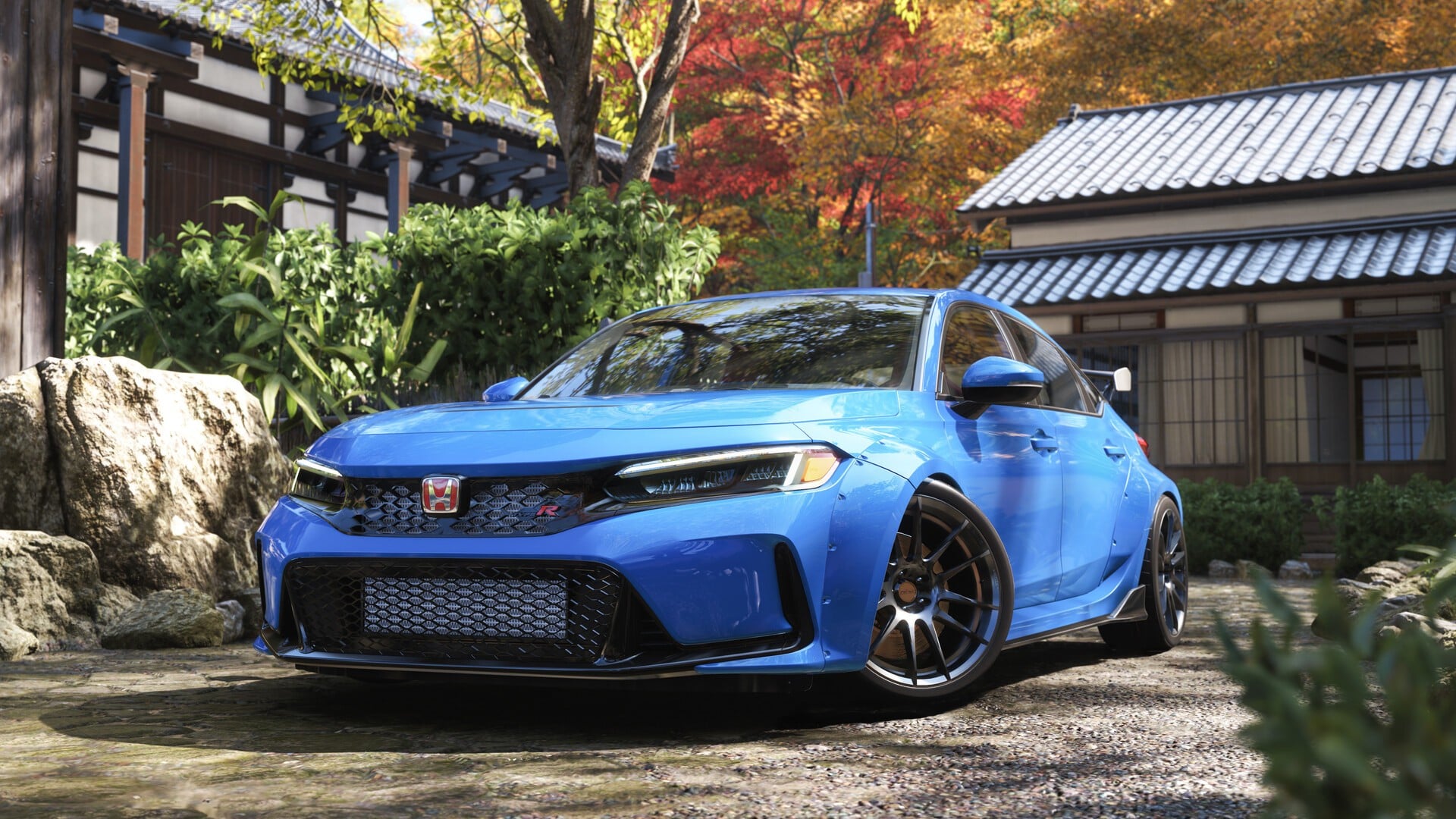
Forza Horizon 6 is being built with a "live-first" mentality, a lesson learned from the "Festival Playlist" introduced in previous entries. In the past, updates were often limited to adding new cars or small-scale challenges because the underlying world geometry had to remain static enough to run on the 1.3 teraflop Xbox One. With the move to the Xbox Series X (12 teraflops) and Series S (4 teraflops), the potential for "Evolving World" updates has grown exponentially.
The studio’s recent comments suggest that they are looking to "celebrate key moments through the year" with more than just a few decorated trees or a temporary stunt park. There is speculation among technical analysts that Forza Horizon 6 could feature seasonal transitions that fundamentally change the terrain—such as lakes freezing over to allow for new racing routes or heavy rainfall causing mudslides that alter the dirt-racing paths. These types of dynamic map changes require the high-speed I/O throughput found in the Velocity Architecture of the Xbox Series consoles.
Technical Implications of Dropping Last-Gen Support
The decision to drop Xbox One support has several immediate technical benefits that will be felt by players at launch and throughout the game’s lifecycle:
- Asset Density and Variety: Without the 8GB of DDR3 RAM limitations of the Xbox One, the developers can populate the world with a much higher variety of flora, fauna, and architectural assets. This reduces the "pop-in" effect and creates a more immersive, photorealistic environment.
- Advanced Physics and AI: The increased CPU headroom allows for more complex tire physics and a more sophisticated "Drivatar" AI system. This means opponents will behave more realistically and react to changing environmental conditions with greater precision.
- Seamless World Updates: In Forza Horizon 5, large-scale map changes often required significant patches and were sometimes limited in scope to ensure stability on older hardware. Forza Horizon 6 will likely utilize a more modular engine design, allowing for seamless integration of new zones or revamped areas without compromising performance.
- Global Illumination and Ray Tracing: While Forza Horizon 5 featured ray-traced reflections in the "Forzavista" mode, the current-gen exclusivity of the sequel opens the door for real-time ray-traced lighting and shadows during active gameplay, significantly enhancing the visual fidelity of the racing experience.
Chronology of the Forza Horizon Series Development
To understand the weight of this transition, it is helpful to look at the history of the franchise’s hardware targets:
- Forza Horizon (2012): Launched exclusively on the Xbox 360. It set the standard for open-world racing on the platform.
- Forza Horizon 2 (2014): A transitional title. The Xbox One version was built on a new engine by Playground Games, while a separate, scaled-back version was developed for the Xbox 360 by Sumo Digital.
- Forza Horizon 3 (2016): Exclusive to the Xbox One and PC. This was the first entry to utilize the "Play Anywhere" initiative.
- Forza Horizon 4 (2018): Developed for the Xbox One but later received a massive optimization patch for the Xbox Series X|S launch, demonstrating the potential of the newer hardware.
- Forza Horizon 5 (2021): A cross-gen title supporting Xbox One, Xbox Series X|S, and PC. It reached over 30 million players but was the final entry to accommodate the 2013 hardware.
- Forza Horizon 6 (Scheduled for May): The first entry to officially "drop" the previous generation, focusing on current-gen consoles and PC, with rumors of a wider platform reach.
Market Context and Industry Reactions
The move away from the Xbox One comes at a time when the gaming industry at large is finally sunsetting support for eighth-generation consoles. Major titles like Cyberpunk 2077 (via its Phantom Liberty expansion) and Starfield have already paved the way for current-gen exclusivity. Industry analysts suggest that Playground Games’ decision is timed perfectly with the projected mid-to-late lifecycle of the Xbox Series X|S, where the install base is large enough to sustain a AAA blockbuster without the need for last-gen sales.

Furthermore, the mention of "PlayStation releases" in the context of console versions marks a pivotal moment for the franchise. Under Microsoft’s evolving "Project Latitude" strategy, bringing high-profile first-party titles to competing platforms like the PlayStation 5 is becoming a reality. By developing Forza Horizon 6 on a current-gen-only framework, Playground Games ensures that the game will be technically compatible with the PS5’s high-speed SSD and advanced features, should a port be officially greenlit.
Broader Impact on the Racing Genre
The racing genre has become increasingly competitive with the release of Gran Turismo 7, The Crew Motorfest, and the upcoming Test Drive Unlimited Solar Crown. All these titles emphasize a "games-as-a-service" (GaaS) model, where player retention is driven by a constant stream of new content. By optimizing Forza Horizon 6 for modern hardware, Playground Games is positioning itself to lead the pack in terms of visual fidelity and world persistence.
The developer’s focus on "learning how to celebrate key moments" suggests a move toward more narrative-driven seasonal content. In previous games, the "Horizon Stories" were static missions. In the new environment, these stories could evolve based on the community’s collective actions or time-limited world events, creating a "must-play" atmosphere that keeps the player base engaged for years.
Anticipation for the May Launch
As the May launch window approaches, the excitement surrounding Forza Horizon 6 continues to build. The promise of a game "unshackled" from the past is a powerful draw for enthusiasts who have invested in high-end displays and the latest console hardware. While the loss of Xbox One support may disappoint those who have yet to upgrade, the consensus among the development community is that this transition is necessary for the franchise to take its next technological leap.
Playground Games has proven its ability to deliver polished, expansive racing experiences. With the technical barriers of the past decade finally removed, Forza Horizon 6 stands to be more than just a sequel; it is poised to be a definitive showcase of what modern gaming hardware can achieve when a developer is allowed to focus entirely on the future. The racing world will be watching closely this May to see if the "more potential" promised by the studio translates into the most immersive and dynamic Horizon Festival to date.