

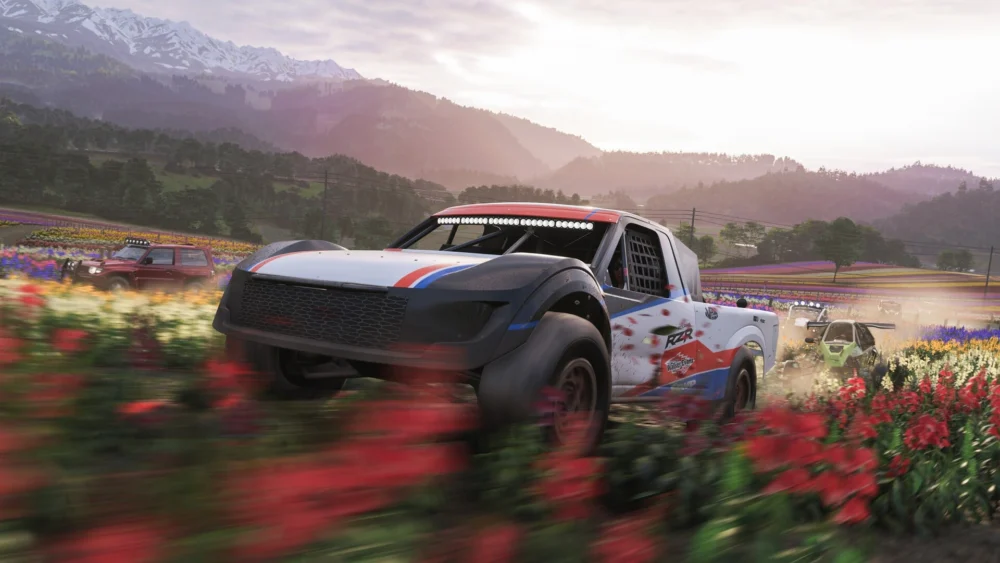
Playground Games has released a comprehensive gameplay overview of the upcoming Forza Horizon 6, marking a significant milestone in the promotional cycle for the highly anticipated racing title. In a detailed presentation hosted by IGN First, the development team showcased the foundational pillars of the new entry, which is set in a fictionalized version of Japan. The presentation focused heavily on the integration of activities within the open world, a revamped progression system designed to address long-standing community feedback, and the technical innovations facilitating a more immersive player experience. As the franchise prepares for its scheduled release in May 2026, this latest deep dive offers the most substantive look yet at how the studio intends to evolve the open-world racing genre.
Core Gameplay Mechanics and Seamless Integration
The centerpiece of the recent reveal is the "seamless interaction" philosophy that Playground Games has adopted for Forza Horizon 6. Unlike previous iterations where entering a race or activity often required navigating through several menus or enduring loading transitions, the new title emphasizes a "drive-up" approach. During the demonstration, the developers highlighted two specific event types: Time Attack and Drag Racing. In the footage shown, players were able to engage with these activities by simply positioning their vehicle at designated start points within the open world.
The Time Attack mode is specifically tailored to the winding mountain passes—often referred to as "Touge"—and the dense urban grids of the Japanese setting. This mode focuses on precision driving and leaderboard competition, allowing players to instantly restart or challenge ghosts without breaking the flow of exploration. Similarly, Drag Racing has been integrated into the highway systems and specialized strips, utilizing the game’s updated physics engine to emphasize launch control and gear-shifting timing. By removing the "digital barriers" of menus, Playground Games aims to maintain a constant state of immersion, treating the map not just as a hub for missions but as a persistent, living environment where competition is omnipresent.
Chronology of Development and the Shift to Japan
The journey toward Forza Horizon 6 began shortly after the successful launch of Forza Horizon 5 in late 2021. While the previous title took players to the diverse biomes of Mexico, the community had long petitioned for a Japanese setting, citing the country’s rich automotive heritage, unique tuning culture, and iconic geography.
Following a period of pre-production that lasted through 2022, rumors of the Japanese setting began to solidify in early 2024. The development timeline was adjusted to allow for a more significant overhaul of the ForzaTech engine, ensuring that the dense verticality of cities like Tokyo and the intricate foliage of the Japanese countryside could be rendered with high-fidelity ray tracing and improved draw distances. The announcement of the May 2026 release window marks a five-year gap between mainline Horizon titles, the longest in the series’ history, indicating a broader scope and a more refined level of polish than its predecessors.
The Evolution of Progression: The Wristband System and Side Hustles
One of the most significant changes in Forza Horizon 6 is the restructuring of player progression. For several years, a common critique from the veteran player base was that the series had become "too generous," awarding high-end supercars and massive amounts of in-game currency too early in the experience, which arguably diminished the sense of achievement.
To combat this, Playground Games is reintroducing a modernized version of the Wristband system. This system serves as the primary metric for the Horizon Festival’s campaign, requiring players to earn their way through various tiers of competition. Progress is gated by performance and participation, ensuring that the transition from entry-level tuners to elite hypercars feels earned.
Complementing the formal Festival progression is a secondary, more organic system that rewards "cruising" and open-world interaction. This dual-track approach allows different styles of players to find value in the game. For those seeking a structured career, the Wristband system provides a traditional ladder. For those who prefer the social and exploratory aspects of the game, the open-world reward system offers incentives for simply driving, discovering landmarks, and participating in spontaneous activities.
Furthermore, the developers confirmed the inclusion of "Side Hustles," a new category of activity that adds narrative depth to the world. One confirmed activity involves food delivery, a clear homage to Japanese automotive media such as Initial D. These missions require players to navigate specific routes under time constraints or handling requirements, offering a break from traditional circuit racing while utilizing the map in creative ways.
Supporting Data and Technical Specifications
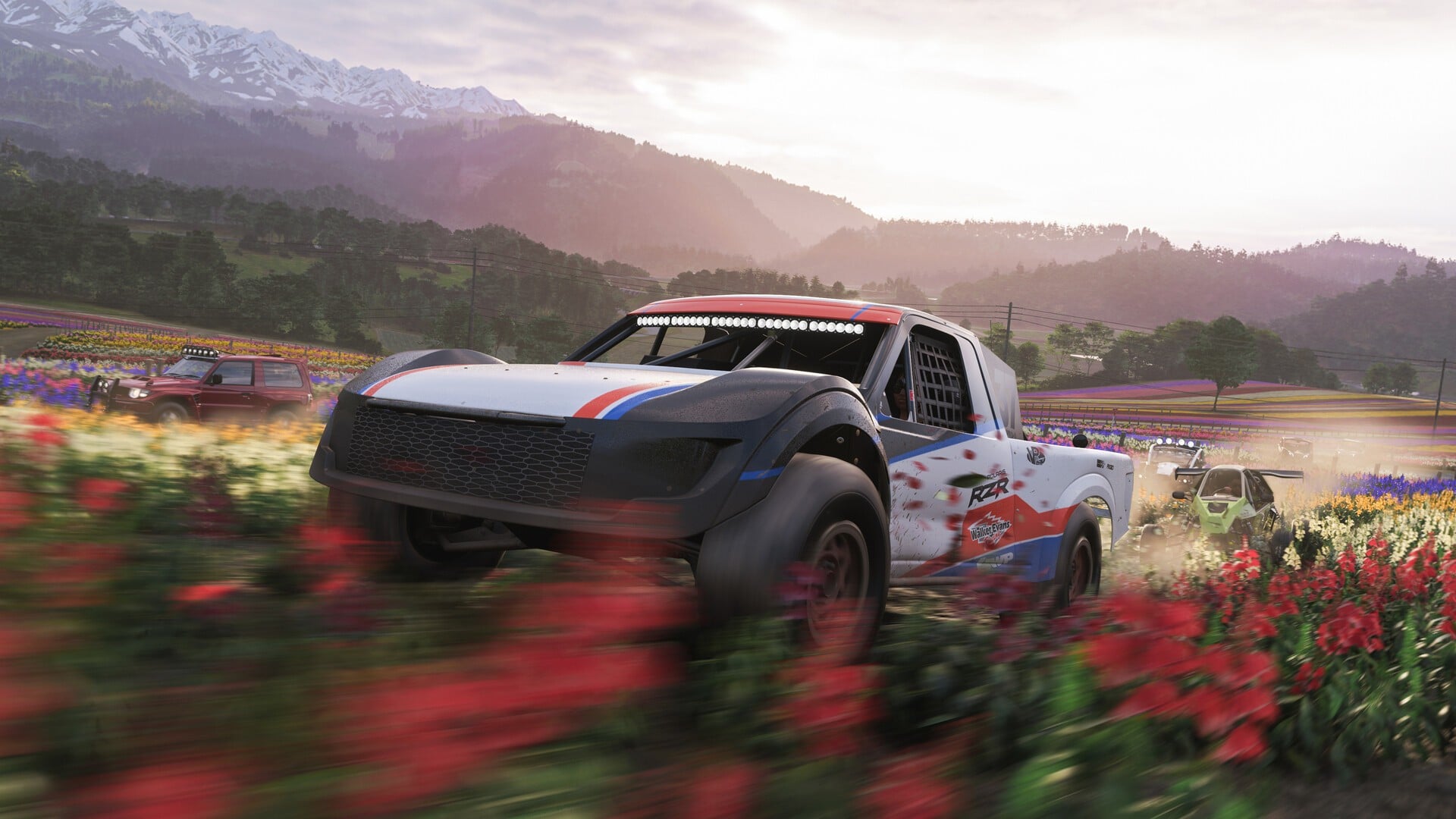
The move to the Xbox Series X|S and modern PC hardware has allowed Playground Games to push the technical boundaries of the ForzaTech engine. While specific resolution and frame rate targets are often finalized closer to launch, the studio has indicated a commitment to a 60 FPS standard for the "Performance" mode, with a "Quality" mode focusing on 4K resolution and enhanced ray-traced reflections.
Data from the previous title, Forza Horizon 5, suggests the scale of the task ahead. Forza Horizon 5 reached over 37 million players as of 2024, a testament to the franchise’s reach via Xbox Game Pass. To maintain this momentum, Forza Horizon 6 must leverage hardware-accelerated features to manage the increased complexity of a Japanese setting. Unlike the wide-open plains of Mexico, the Japanese map features:
- Increased asset density in urban "Neo-Tokyo" zones.
- More complex lighting requirements for night-time neon aesthetics.
- Advanced weather systems, including a more robust "rain and slick surface" physics model to reflect Japan’s seasonal humidity and precipitation.
The seamless transition between open-world driving and instanced events is reportedly made possible by the high-speed NVMe SSD architecture of the current generation of consoles, which allows for near-instantaneous data streaming of high-resolution textures and logic scripts.
Official Responses and Developer Perspectives
In the IGN First presentation, members of the Playground Games team expressed a clear vision for the title. "The goal was to make the world feel like it’s not just a backdrop, but a participant in the race," stated one lead designer. The emphasis on "no menus" was described as a direct response to player telemetry showing that friction in UI navigation often led to shorter play sessions.
The team also addressed the progression concerns directly. "We heard the fans who felt that the ‘hero’ journey was lost in recent years. By bringing back the Wristband system, we are giving players a reason to care about every win and every car they add to their garage. It’s about the journey from a local enthusiast to a global icon."
While Microsoft and Xbox Game Studios have remained relatively quiet regarding the specific marketing budget, industry analysts suggest that Forza Horizon 6 is one of the "tentpole" releases for the 2026 fiscal year. The game is expected to be a primary driver for Game Pass subscriptions and a showcase for the Xbox ecosystem’s graphical capabilities.
Broader Impact and Industry Implications
The release of Forza Horizon 6 in 2026 will occur in a competitive landscape that has seen a resurgence in the open-world racing genre. With titles like The Crew Motorfest and Test Drive Unlimited Solar Crown attempting to capture the "lifestyle racing" market, Playground Games is under pressure to innovate.
The decision to focus on Japan is a strategic move that taps into a specific subculture of automotive enthusiasts. The "JDM" (Japanese Domestic Market) scene is a global phenomenon, and by accurately representing this culture—from the drifting scenes in the mountains to the "Wangan" highway runs—Playground Games is positioning Forza Horizon 6 as the definitive cultural simulator for car enthusiasts.
Moreover, the "seamless" gameplay model could set a new standard for the industry. If Playground Games successfully eliminates the disconnect between exploration and competition, it may force other developers to reconsider how they structure open-world content. The "Side Hustle" mechanic also suggests a move toward "sim-lite" elements, where the player’s interaction with the world goes beyond just racing, potentially broadening the game’s appeal to fans of lifestyle simulators and RPGs.
Conclusion and Outlook
As the May 2026 launch window approaches, the information provided by Playground Games paints a picture of a sequel that is both a return to form and a leap forward. By balancing the "festival" atmosphere with a more grounded progression system and a highly requested setting, the studio is attempting to satisfy both casual players and hardcore racing fans. The technical focus on seamlessness and the cultural focus on Japan represent the two halves of the game’s identity: a high-tech racing showcase and a love letter to automotive culture. With more deep dives expected throughout 2025, the industry will be watching closely to see if Forza Horizon 6 can maintain its position as the premier open-world racing experience.