

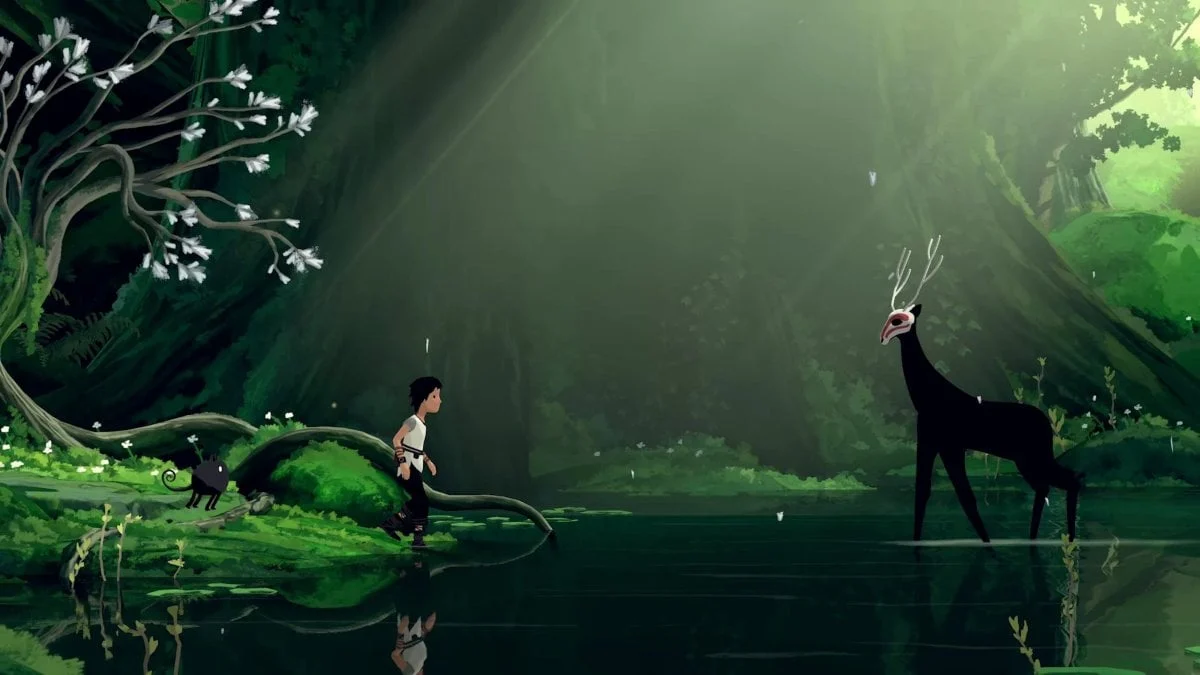
The critically acclaimed 2023 puzzle-platformer, Planet of Lana, is poised for its highly anticipated sequel, Planet of Lana 2: Children of the Leaf, scheduled for release in the first quarter of 2026. The follow-up promises to expand upon the beloved formula of its predecessor, venturing beyond a straightforward confrontation with a technological foe to explore more intricate narrative threads and refined gameplay mechanics. Early glimpses, provided through a segmented demo offering a look into five distinct chapters, reveal significant advancements in platforming, stealth, and puzzle design, suggesting a journey that is both relaxing and intellectually stimulating.
The Evolving Threat: From Invasion to Internal Strife
While the original Planet of Lana centered on a clear external threat—a relentless mechanical invasion—Children of the Leaf appears to pivot towards a more nuanced conflict. The demo suggests that the singular focus on invasion has broadened to encompass corruption and power dynamics within the various Novo tribes. This shift indicates a maturation of the game’s thematic scope, moving from a survival narrative to one that grapples with societal complexities and the potential for internal decay. The introduction of advanced technology among certain tribes, and their proximity to Lana’s community, hints at a world that has continued to evolve, creating new potential dangers and alliances.
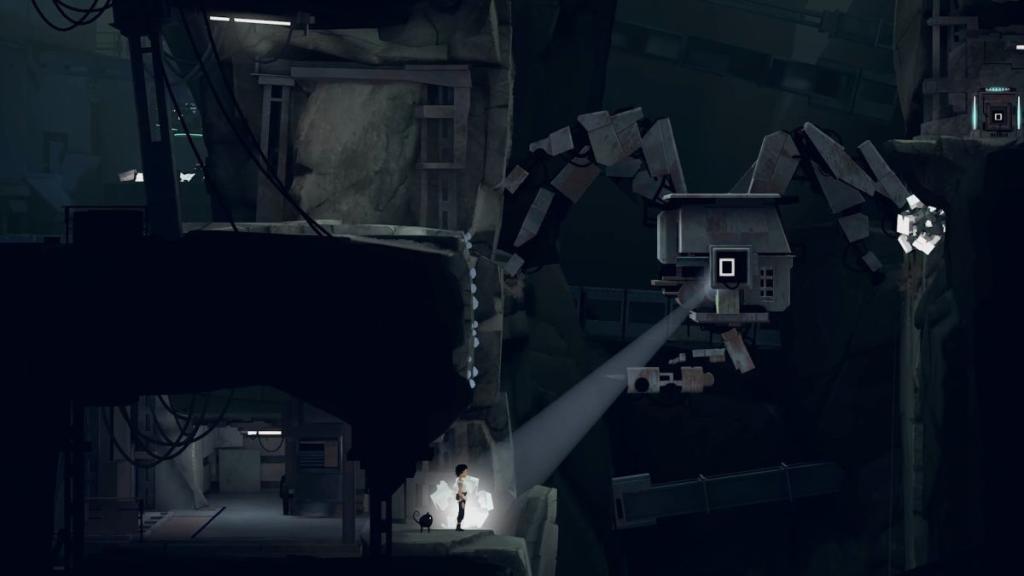
Surveillance systems, industrial robots employed for mining and fishing, and the rapid advancement of civilization are prominent visual cues in the demo. This technological progression not only shapes the environment but also introduces a new layer of threat: the potential for human misuse of advanced systems and an updated emphasis on stealth mechanics. This suggests that players will need to navigate a more sophisticated and potentially treacherous world, where understanding and circumventing technological safeguards will be as crucial as traditional puzzle-solving.
A Collaborative Journey: Lana and Mui’s Enhanced Partnership
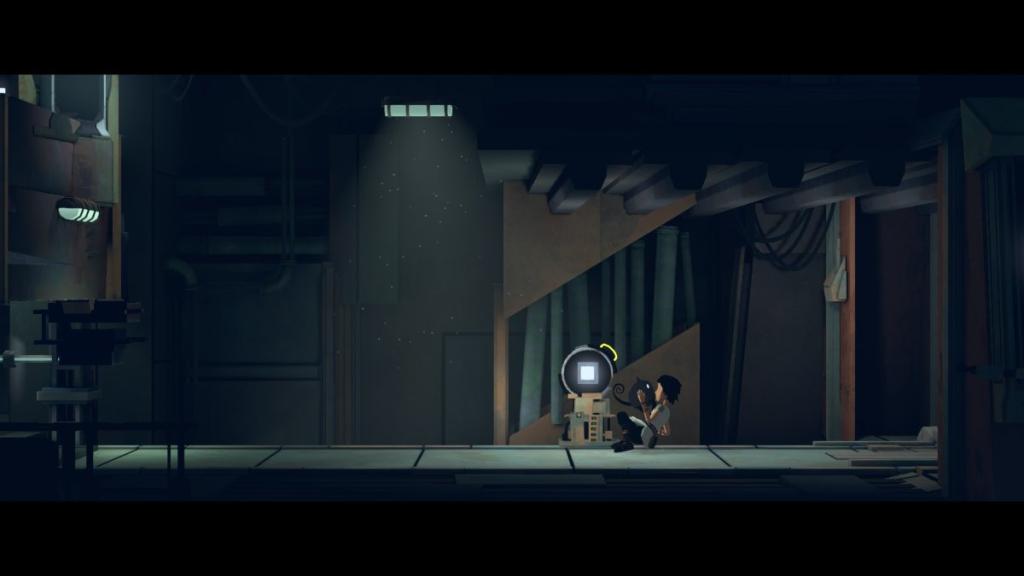
A significant evolution highlighted in the demo is the redefinition of the core gameplay loop. Planet of Lana 2 is no longer solely about Lana overcoming her individual obstacles. Instead, the emphasis has shifted to a synergistic partnership, where Lana and her loyal companion Mui work in tandem to achieve their shared objectives. This move away from the more formulaic, one-step-ahead approach of older platformers, reminiscent of titles like Rayman or Oddworld, signifies a modernizing of the gameplay.
The demo showcases a substantial expansion of player agency and interaction. A key innovation is the ability to transfer control to other lifeforms within Novo, with Mui’s consciousness seemingly capable of inhabiting various creatures. This mechanic unlocks a diverse range of abilities, from Mui removing blockades and employing ink-based attacks against aquatic adversaries to manipulating flora by summoning rain from beetle-like organisms. This introduces an unpredictable element to the puzzle-platforming, requiring players to adapt to new mechanics and discover novel solutions with each new creature they control. This dynamic approach not only keeps the gameplay fresh but also enhances the pacing, offering a constant learning curve and fostering creative problem-solving.
Furthermore, Lana herself has undergone significant development. Her newfound ability to climb and traverse walls demonstrates her growth and increased self-sufficiency since the events of the first game. While seemingly a minor addition, this subtle yet effective evolution in Lana’s capabilities serves as a testament to her learned resilience and adaptability, contributing to the game’s understated yet impactful environmental storytelling. The puzzles themselves have been streamlined and rebalanced to perfectly complement these enhanced abilities, presenting a more advanced challenge while retaining the cozy and engaging atmosphere that defined the original. The satisfaction derived from solving these intricate puzzles is expected to be as potent as ever, ensuring the series continues to be a delightful experience for players.
A Living Canvas: The Ethereal Artistry of Novo
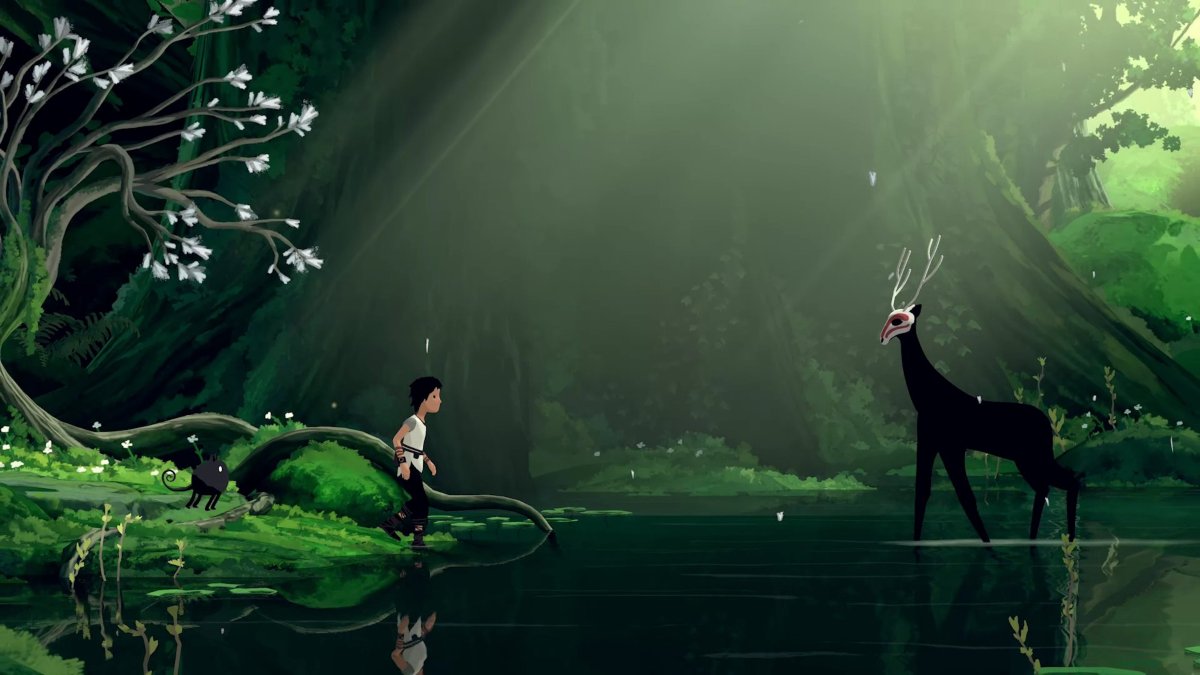
The visual presentation of Planet of Lana 2: Children of the Leaf continues the tradition of breathtaking artistry established by its predecessor. The environments are no longer mere backdrops for cinematic sequences but are rendered as living, breathing entities, evoking the whimsical yet profound worlds found in works like The Wild Robot or Studio Ghibli’s Nausicaä of the Valley of the Wind. This heightened sense of environmental immersion suggests a world that feels deeply interconnected and vibrant.
The demo hints at inspirations from legendary anime, with the introduction of what appears to be a "Forest Spirit" figure, reminiscent of Princess Mononoke’s iconic entity. This addition injects a layer of mystery and cosmic significance into the fauna of Novo, suggesting that the natural world holds deeper secrets and forces at play. Such narrative and aesthetic choices underscore the game’s commitment to crafting a rich and evocative experience that resonates with players on an emotional and imaginative level.
Complementing the visual splendor is the soundtrack, which, based on the limited exposure in the demo, promises to be as enchanting as the original. The music is designed to foster a calming atmosphere, which serves a dual purpose: it enhances the immersive quality of the game world and subtly alleviates the mental strain associated with tackling complex puzzles. This thoughtful integration of auditory and visual elements contributes significantly to the overall player experience, creating a cohesive and deeply satisfying journey.
Unraveling the Narrative: The Enigmatic Journey Ahead
While the demo effectively showcases the mechanical and gameplay advancements, it offers limited narrative exposition. The primary focus is on presenting the new mechanics and the expanded world, leaving many questions unanswered regarding Lana and Mui’s current predicament. The presence of humans researching Mui’s mysterious powers, and the visual cues of a charted course to Novo, suggest a new quest is underway, though the inciting incident remains largely unknown.
The choice to present segments from five distinct chapters, while providing a good overview of the gameplay, does not offer a clear starting point or a comprehensive understanding of the overarching conflict. For fans of the original Planet of Lana, the promise of a refined and challenging experience is enough to generate excitement. However, for newcomers, the lack of initial narrative context might pose a slight barrier to immediate engagement. The demo’s structure leans heavily on demonstrating what has been improved and expanded, rather than revealing the narrative hook that will draw players into this new adventure.
The sequel is slated for a global release on March 5, 2026. It will be available across a wide range of platforms, including PC via Steam, Xbox Series X/S and Xbox Game Pass, PlayStation 4 and PlayStation 5, and Nintendo Switch, with anticipated support for the upcoming Nintendo Switch 2. This broad accessibility ensures that a wide audience will have the opportunity to experience the continuation of Lana and Mui’s remarkable journey.
Background and Context: The Rise of Planet of Lana
The original Planet of Lana, developed by Wishfully Studios and published by Thunderful Publishing, emerged in June 2023 to critical acclaim. It was lauded for its stunning hand-painted art style, its poignant narrative of companionship, and its clever puzzle design. The game’s success, despite being considered by some as an "underrated gem," paved the way for the development of a sequel, indicating a strong desire from both the developers and the player base to revisit this captivating world. The original game’s narrative focused on Lana’s quest to rescue her sister from the clutches of the machinelike invaders, with Mui, a small, cat-like creature, serving as her steadfast companion. The success of this formula, which blended challenging puzzles with an emotional core, has set a high bar for Children of the Leaf to meet and exceed. The decision to expand the narrative beyond a simple fight against a singular enemy suggests a deliberate effort to deepen the lore and thematic resonance of the franchise.
Implications and Broader Impact
The introduction of more complex tribal dynamics and advanced technology in Planet of Lana 2: Children of the Leaf has significant implications for the series. It suggests a move towards a more mature and politically charged narrative, exploring themes of societal advancement, the ethical implications of technology, and the potential for conflict arising from internal divisions. This evolution in storytelling could broaden the game’s appeal to a more mature audience while retaining the charm and accessibility of its predecessor.
The enhanced co-operative gameplay, with Lana and Mui possessing distinct yet complementary abilities, also points towards a more dynamic and engaging player experience. This shift from individual problem-solving to collaborative strategy could foster deeper player immersion and a greater sense of accomplishment. The game’s commitment to maintaining a calming atmosphere through its art and music, even amidst these more complex themes, is a testament to its unique identity and its ability to provide a balanced and enriching gaming experience. The success of Planet of Lana 2 could further solidify its position as a significant franchise in the puzzle-platformer genre, inspiring future titles to explore similar narrative depth and mechanical innovation.